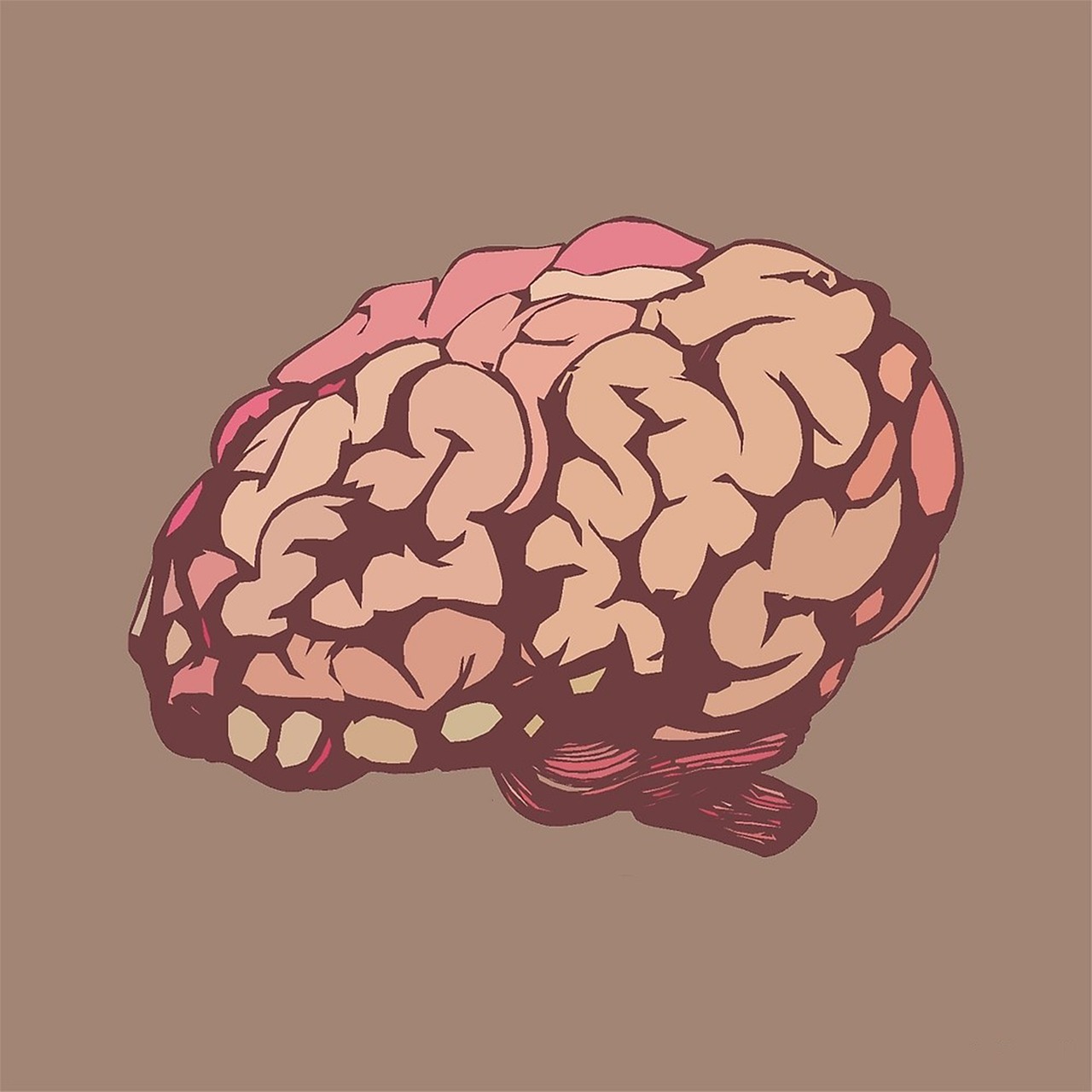
Your brain holds extraordinary untapped potential waiting to be unleashed. Understanding how to optimize neural pathways through neuro-dynamic analysis can revolutionize your approach to performance, learning, and personal development.

Modern neuroscience has revealed that our brains are far more adaptable and powerful than previously imagined. The intersection of cognitive science, neuroplasticity research, and performance psychology has given birth to a revolutionary approach called neuro-dynamic analysis—a comprehensive method for understanding and enhancing mental capabilities. This scientific framework examines how neural networks process information, adapt to challenges, and create lasting behavioral changes that drive exceptional results in every area of life.
🧠 Understanding Neuro-Dynamic Analysis: The Science Behind Mental Optimization
Neuro-dynamic analysis represents a cutting-edge approach to understanding brain function that goes beyond traditional psychology. This methodology combines real-time assessment of neural activity patterns with dynamic feedback mechanisms to identify cognitive strengths, weaknesses, and opportunities for enhancement. Unlike static intelligence testing or personality assessments, neuro-dynamic analysis examines how your brain responds to various stimuli, challenges, and learning environments in real-time.
The foundation of this approach rests on neuroplasticity—the brain’s remarkable ability to reorganize itself by forming new neural connections throughout life. Every thought, experience, and action creates microscopic changes in your brain’s structure and function. By systematically analyzing these patterns, neuro-dynamic analysis provides a roadmap for intentionally reshaping your neural architecture to support peak performance.
Research from leading neuroscience institutions has demonstrated that specific mental exercises, combined with targeted behavioral interventions, can strengthen desired neural pathways while weakening unproductive ones. This isn’t about working harder—it’s about working smarter with your brain’s natural mechanisms.
The Core Principles of Neural Optimization for Performance Enhancement
Several fundamental principles underpin effective neuro-dynamic analysis and its application to personal growth. Understanding these concepts empowers you to take control of your cognitive development and systematically improve performance across multiple domains.
Cognitive Load Management and Information Processing
Your brain has limited working memory capacity, typically holding 4-7 chunks of information simultaneously. Peak performers have mastered the art of managing cognitive load by organizing information efficiently, automating routine tasks, and prioritizing attention on high-value activities. Neuro-dynamic analysis helps identify where cognitive resources are being wasted and how to restructure mental processes for maximum efficiency.
Through systematic observation of how you process different types of information, patterns emerge that reveal your unique cognitive signature. Some individuals excel at visual processing, while others demonstrate superior auditory or kinesthetic learning capabilities. Recognizing these patterns allows you to design learning and working environments that align with your neural strengths.
Neural Pattern Recognition and Decision-Making Architecture
Your brain constantly searches for patterns to make sense of complex environments and make rapid decisions. Elite performers have developed sophisticated pattern recognition systems that allow them to identify opportunities, anticipate challenges, and respond appropriately with minimal conscious effort. This expertise doesn’t happen accidentally—it results from deliberate practice that strengthens specific neural networks.
Neuro-dynamic analysis examines your current decision-making patterns, including unconscious biases, emotional influences, and cognitive shortcuts that may be limiting your potential. By bringing these patterns into conscious awareness, you gain the power to refine them systematically.
🎯 Practical Applications: Transforming Analysis into Action
Understanding neuro-dynamic principles means nothing without practical application. The following strategies translate neuroscience insights into actionable techniques for enhancing performance and accelerating personal growth.
Strategic Mental Rehearsal and Visualization Techniques
Neuroscience research has confirmed what elite athletes have known intuitively for decades—mental rehearsal activates the same neural pathways as physical practice. When you vividly imagine performing a task, your brain creates neural patterns remarkably similar to those formed during actual execution. This phenomenon allows you to practice skills, prepare for challenging situations, and build confidence without physical constraints.
Effective visualization extends beyond simple daydreaming. It requires engaging multiple sensory channels, incorporating emotional components, and systematically rehearsing both successful outcomes and adaptive responses to potential obstacles. Neuro-dynamic analysis can help identify which visualization approaches produce the strongest neural activation for your specific brain architecture.
Attention Training and Focus Enhancement Protocols
Attention represents your brain’s most valuable resource, yet modern environments assault it with constant distractions. Developing the ability to direct and sustain attention on chosen targets dramatically amplifies learning speed, work quality, and creative problem-solving capacity. Neuro-dynamic training programs specifically target the prefrontal cortex networks responsible for executive attention control.
Research demonstrates that consistent attention training produces measurable changes in brain structure and function within weeks. Techniques include focused attention meditation, where you practice maintaining awareness on a single object; open monitoring practices that develop broader awareness; and task-switching exercises that improve cognitive flexibility.
The Neurochemistry of Peak Performance States
Your brain’s performance depends heavily on neurochemical balance. Neurotransmitters like dopamine, serotonin, norepinephrine, and acetylcholine orchestrate everything from motivation and mood to memory formation and creative insight. Understanding how to naturally optimize these neurochemical systems provides a powerful lever for enhancing performance.
Dopamine: The Motivation Molecule
Dopamine drives motivation, reward-seeking behavior, and the ability to work toward long-term goals despite immediate discomfort. Peak performers have learned to harness dopamine’s power by structuring goals and rewards strategically. Small, frequent wins trigger dopamine release, creating positive feedback loops that sustain motivation through challenging projects.
Neuro-dynamic analysis examines your current dopamine response patterns and helps design environments and goal structures that maintain optimal motivation levels. This includes balancing challenge with capability, breaking large goals into meaningful milestones, and creating accountability systems that trigger appropriate neurochemical responses.
Stress Hormones and Performance Optimization
Cortisol and adrenaline represent double-edged neurochemical swords. In moderate amounts, these stress hormones sharpen focus, enhance memory consolidation, and improve physical performance. Chronic elevation, however, damages brain structures, impairs learning, and undermines health. The key lies in cycling between challenge and recovery, allowing stress hormones to serve their adaptive function without creating sustained elevation.
Strategic stress exposure through techniques like high-intensity interval training, cold exposure, or cognitive challenges can build stress resilience while triggering beneficial adaptations. Neuro-dynamic approaches help identify your optimal stress-recovery cycle and design protocols that maximize hormetic benefits while preventing overload.
💡 Building Cognitive Flexibility and Adaptive Intelligence
The modern world rewards adaptive intelligence—the ability to learn rapidly, solve novel problems, and transfer knowledge across domains. Unlike fixed intelligence, which focuses on accumulated knowledge and static skills, adaptive intelligence emphasizes cognitive flexibility and learning capacity. Neuro-dynamic analysis specifically targets the development of these transferable mental capabilities.
Cross-Domain Learning and Neural Network Integration
Your brain organizes knowledge into networks of associated concepts and skills. Most people develop isolated expertise within narrow domains, limiting their creative potential and problem-solving flexibility. Exceptional performers deliberately build connections between seemingly unrelated fields, creating rich neural networks that support innovative thinking.
This integration happens through systematic exposure to diverse disciplines, active search for underlying patterns, and deliberate practice in translating concepts across contexts. A musician who studies mathematics, for example, might discover profound connections between harmonic structures and numerical patterns, enriching both domains while building cognitive flexibility.
Metacognitive Awareness and Self-Directed Optimization
Metacognition—thinking about thinking—represents the highest level of cognitive development. When you develop strong metacognitive awareness, you can observe your own mental processes, identify ineffective patterns, and systematically refine your approach to learning and problem-solving. This self-directed optimization capacity distinguishes elite performers from talented individuals who plateau.
Neuro-dynamic analysis cultivates metacognitive skills by teaching you to recognize different mental states, assess cognitive performance objectively, and adjust strategies based on feedback. Regular reflection practices, performance journaling, and structured self-assessment protocols strengthen these metacognitive muscles over time.
The Social Neuroscience Dimension: Leveraging Collective Intelligence
Human brains evolved for social connection and collaborative problem-solving. Mirror neuron systems, empathy circuits, and theory of mind capabilities enable us to understand others’ perspectives, learn through observation, and coordinate complex group activities. Peak performance increasingly depends on the ability to leverage collective intelligence and navigate social dynamics effectively.
Neuro-dynamic approaches examine how your brain processes social information, responds to interpersonal challenges, and contributes to or extracts value from group interactions. Emotional intelligence, communication effectiveness, and collaborative capacity all rest on specific neural networks that can be strengthened through targeted development.
🚀 Creating Your Personal Neuro-Dynamic Development Plan
Transforming neuro-dynamic insights into lasting change requires a systematic development approach. The following framework provides structure for designing and implementing your personal optimization program.
Baseline Assessment and Pattern Recognition
Begin by establishing your current cognitive baseline across key performance domains. This includes assessing attention capacity, memory function, emotional regulation, stress resilience, and domain-specific skills relevant to your goals. Track these metrics over time to measure progress objectively and adjust strategies accordingly.
Document recurring patterns in your thinking, behavior, and performance. When do you perform at your best? What conditions trigger suboptimal states? Which tasks drain energy versus generating flow? These observations reveal your unique neural architecture and provide guidance for personalized optimization strategies.
Targeted Intervention Design
Based on your assessment, design specific interventions targeting your highest-leverage improvement opportunities. Rather than attempting wholesale transformation, focus on 2-3 key areas where enhancement would produce disproportionate benefits. This focused approach respects cognitive load limitations and increases the likelihood of sustainable behavior change.
Each intervention should include clear objectives, specific practices or protocols, implementation schedules, and measurement criteria. For example, if attention capacity represents a primary development target, your intervention might include 10 minutes of daily focused attention meditation, strategic breaks every 90 minutes during work, and weekly assessment of sustained attention duration on challenging tasks.
Progressive Challenge and Adaptation
Your brain adapts to challenges by strengthening relevant neural networks. As capabilities improve, progressively increase challenge levels to maintain optimal development stimulus. This principle of progressive overload, borrowed from physical training, applies equally to cognitive development. Stagnation occurs when challenges remain static, while overwhelm results from excessive demands relative to current capacity.
Monitor adaptation signals carefully. Improvements in ease, speed, or quality on previously challenging tasks indicate successful adaptation and readiness for increased difficulty. Persistent struggle, declining performance, or loss of motivation suggest excessive load requiring temporary reduction or strategic recovery periods.
Sustaining Neural Optimization Through Lifestyle Design
Peak cognitive performance doesn’t result from isolated practices—it emerges from comprehensive lifestyle design that supports optimal brain function. Sleep quality, nutrition, physical activity, stress management, and social connection all profoundly influence neural health and performance capacity.
Prioritize sleep as the foundation of cognitive optimization. During sleep, your brain consolidates memories, clears metabolic waste, and restores neurochemical balance. Most adults require 7-9 hours of quality sleep for optimal function, yet chronic sleep deprivation remains epidemic in modern society. Treating sleep as negotiable inevitably undermines other optimization efforts.
Physical exercise represents one of the most powerful interventions for brain health and performance. Cardiovascular activity increases blood flow to the brain, stimulates neurogenesis, and triggers release of brain-derived neurotrophic factor (BDNF), which supports neural growth and connection formation. Resistance training and complex movement patterns provide additional cognitive benefits through coordination challenges and full-body integration.

🌟 The Continuous Evolution of Your Cognitive Capabilities
Embracing neuro-dynamic analysis means committing to continuous cognitive evolution rather than seeking a fixed destination. Your brain remains plastic throughout life, capable of remarkable adaptation and growth given appropriate stimulus and support. Peak performance represents not an achievement but an ongoing practice of refinement, adaptation, and expansion.
The most successful practitioners view cognitive optimization as an engaging long-term project rather than a temporary intervention. They cultivate genuine curiosity about their own mental processes, experiment systematically with different approaches, and maintain consistent practice even when dramatic improvements aren’t immediately apparent. This patient, persistent approach compounds over time, producing transformative results that seem impossible when viewed from the starting point.
As you develop greater neural efficiency, learning capacity, and performance capability, you’ll discover expanded possibilities for contribution, creativity, and fulfillment. The skills, achievements, and experiences that once seemed beyond reach become accessible through systematic development of your brain’s extraordinary potential. This journey of continuous growth represents perhaps the most meaningful investment you can make in yourself and your future impact on the world.
Remember that everyone’s neural architecture differs, making your optimization journey unique. What works brilliantly for others might produce modest results for you, while approaches others overlook could unlock dramatic improvements in your performance. Maintain experimental mindset, measure progress objectively, and trust the process of systematic refinement. Your brain’s potential extends far beyond current capabilities—neuro-dynamic analysis provides the roadmap for bridging that gap and achieving levels of performance you might not yet imagine possible.