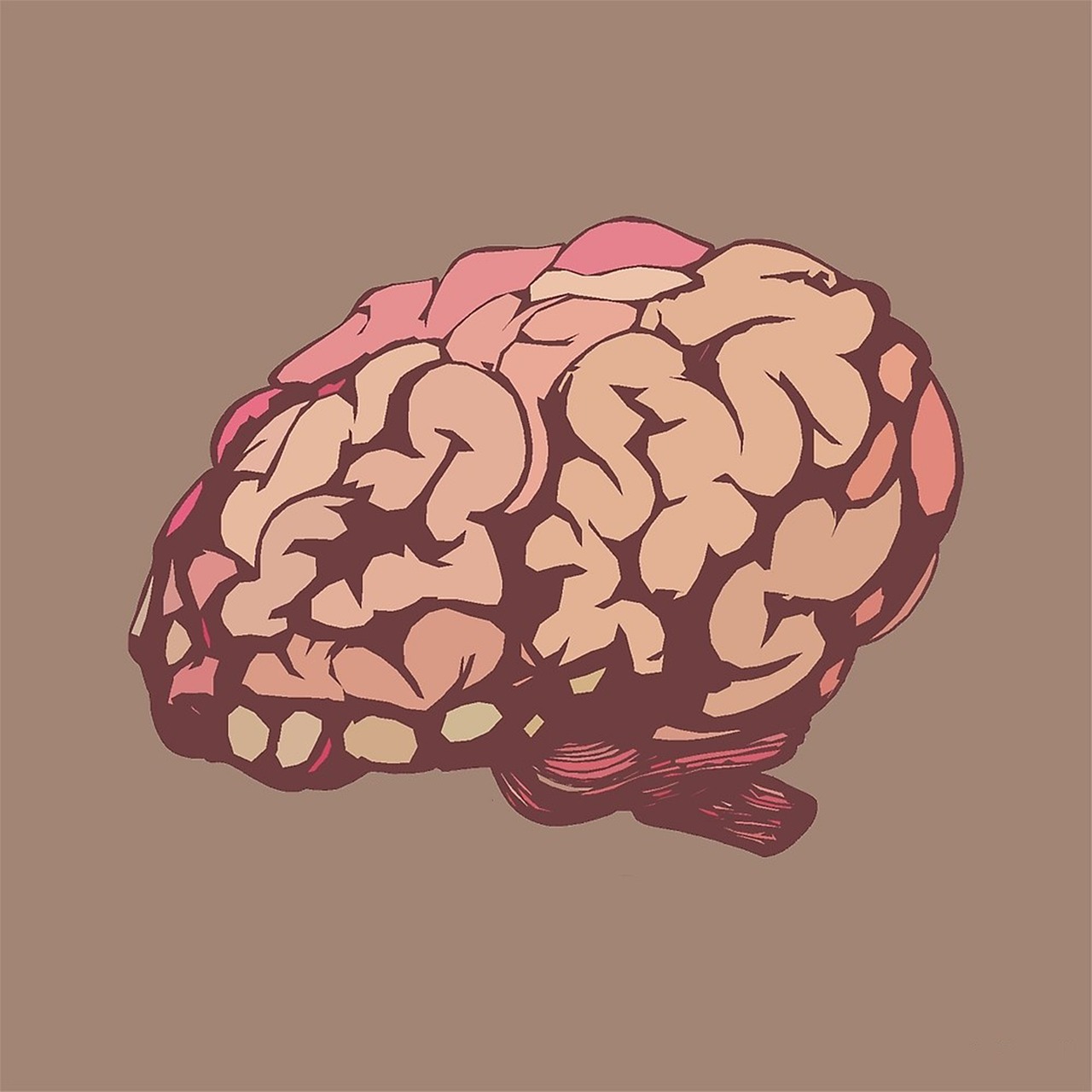
The human brain, with its intricate network of billions of neurons, has long fascinated scientists and technologists alike. Today, we stand at the precipice of a technological revolution that promises to transform how we connect, communicate, and interact with the world around us through advanced neuro-linking systems.

These groundbreaking technologies are no longer confined to the realm of science fiction. From research laboratories to clinical trials, neuro-linking systems are rapidly evolving, offering unprecedented possibilities for individuals with disabilities, enhancing cognitive abilities, and potentially redefining the very nature of human communication. As we venture deeper into this frontier, understanding the implications, applications, and ethical considerations becomes paramount for society as a whole.
🧠 The Foundation of Neuro-Linking Technology
Neuro-linking systems, often referred to as brain-computer interfaces (BCIs) or brain-machine interfaces (BMIs), represent a direct communication pathway between the brain’s electrical activity and external devices. These sophisticated systems detect neuronal signals, interpret them through advanced algorithms, and translate them into actionable commands that can control computers, prosthetics, or communication devices.
The foundation of this technology rests on decades of neuroscience research, combined with exponential advances in computing power, artificial intelligence, and miniaturized electronics. Modern neuro-linking systems can be invasive, requiring surgical implantation of electrodes directly into brain tissue, or non-invasive, utilizing external sensors that detect brain activity through the skull.
The precision of these systems has improved dramatically over recent years. Where early prototypes could barely distinguish between a handful of intended commands, contemporary neuro-linking devices can interpret complex thought patterns, emotional states, and even abstract concepts with remarkable accuracy.
Breaking Barriers: Medical Applications Transforming Lives
Perhaps the most profound impact of neuro-linking technology emerges in the medical field, where these systems offer hope to millions living with paralysis, locked-in syndrome, and severe communication disorders. Individuals who have lost the ability to move or speak due to spinal cord injuries, strokes, or degenerative diseases are regaining independence through direct brain-to-device communication.
Restoring Movement and Mobility
Advanced neuro-linking systems have enabled paralyzed patients to control robotic limbs with their thoughts alone. These neuroprosthetics bypass damaged neural pathways, creating new routes for the brain’s commands to reach mechanical appendages. The sensation feedback incorporated into modern systems even allows users to “feel” through their prosthetic limbs, creating a more intuitive and natural experience.
Clinical trials have demonstrated remarkable success stories where individuals paralyzed for years have regained the ability to grasp objects, feed themselves, and perform daily tasks independently. The psychological impact of this restored autonomy cannot be overstated, offering not just physical capabilities but renewed dignity and quality of life.
Revolutionizing Communication for the Speech-Impaired
For individuals unable to speak due to conditions like amyotrophic lateral sclerosis (ALS) or severe cerebral palsy, neuro-linking systems provide a direct voice. By interpreting the neural patterns associated with intended speech, these systems can generate synthesized voice output or text, enabling real-time conversation at speeds approaching natural speech.
Recent breakthroughs have achieved communication rates exceeding 60 words per minute, with accuracy levels above 90%. This represents a quantum leap from earlier assistive technologies that required painstaking letter-by-letter selection through eye movements or limited switch controls.
💡 Beyond Medical: Expanding Human Potential
While medical applications provide the most immediate and compelling use cases, the potential of neuro-linking technology extends far beyond therapeutic interventions. Researchers and entrepreneurs are exploring applications that could fundamentally enhance human cognitive abilities and transform how we interact with technology.
Cognitive Enhancement and Learning Acceleration
Imagine downloading information directly to your brain, Matrix-style, or enhancing your memory capacity beyond natural limitations. While we haven’t reached that level of sophistication, neuro-linking systems are being developed to augment cognitive functions such as attention, memory recall, and learning speed.
Neurofeedback training, enabled by real-time brain monitoring, allows individuals to optimize their mental states for specific tasks. Students could potentially enter ideal learning states more readily, while professionals might enhance focus and creativity on demand. The implications for education, productivity, and personal development are staggering.
Direct Brain-to-Brain Communication
Perhaps the most revolutionary prospect involves direct brain-to-brain communication, eliminating the need for spoken or written language entirely. Early experiments have successfully transmitted simple concepts between individuals connected through neuro-linking systems, raising the tantalizing possibility of true telepathic communication.
This technology could transcend language barriers, enable instant sharing of complex ideas, and create entirely new forms of human connection. Collaborative work could reach unprecedented levels of efficiency when team members can directly share thoughts, mental images, and abstract concepts without the limitations of verbal explanation.
🔬 The Technology Behind the Revolution
Understanding how neuro-linking systems function requires examining the sophisticated technology stack that makes brain-computer communication possible.
Signal Acquisition and Processing
The first challenge involves capturing brain signals with sufficient clarity and precision. Invasive systems use microelectrode arrays implanted directly into the cortex, offering the highest signal quality and spatial resolution. Non-invasive alternatives like electroencephalography (EEG) trade some precision for safety and convenience.
Modern systems employ advanced signal processing algorithms to filter noise, isolate relevant neural patterns, and amplify weak signals. Machine learning models trained on vast datasets of brain activity can identify meaningful patterns amid the constant electrical chatter of billions of neurons firing simultaneously.
Decoding and Interpretation
Once acquired, neural signals must be decoded into actionable information. This involves sophisticated pattern recognition algorithms that map specific neural activity patterns to intended actions or thoughts. Deep learning neural networks have proven particularly effective at this task, adapting to individual users’ unique brain signatures through training sessions.
The decoding process occurs in real-time, with latencies measured in milliseconds. This immediacy is crucial for creating natural, intuitive control experiences where thoughts translate seamlessly into actions.
Feedback and Adaptation
Bidirectional communication represents the cutting edge of neuro-linking technology. Beyond simply reading brain signals, advanced systems can send information back to the brain through electrical stimulation, creating artificial sensations or delivering information directly to sensory processing centers.
These systems continuously adapt and improve through machine learning, becoming more accurate and responsive as they accumulate data about individual users’ neural patterns. The symbiosis between human and machine strengthens over time, creating increasingly natural and powerful interfaces.
🌐 Connectivity Redefined: The Social Implications
As neuro-linking technology matures and potentially becomes more widespread, it will fundamentally alter social dynamics, communication paradigms, and human relationships. Understanding these implications is essential for navigating this emerging landscape responsibly.
The Evolution of Digital Communication
Current digital communication relies on intermediate devices—smartphones, keyboards, screens—that mediate our interactions. Neuro-linking systems promise to eliminate these intermediaries, enabling direct mind-to-device and potentially mind-to-mind communication.
Social media platforms, video conferencing, and instant messaging could evolve into immersive, thought-based experiences where emotional states, mental imagery, and complex ideas transmit instantaneously. The depth and richness of communication could increase exponentially, though not without raising questions about privacy, authenticity, and information overload.
Accessibility and Inclusivity
Neuro-linking technology holds tremendous promise for creating a more inclusive society where physical disabilities no longer limit participation in work, education, or social activities. Individuals with severe mobility impairments could compete on equal footing in knowledge work and creative endeavors when thought alone suffices for communication and control.
However, ensuring equitable access to these transformative technologies presents significant challenges. The cost, complexity, and medical requirements of advanced neuro-linking systems could create new forms of inequality if access remains limited to wealthy individuals or developed nations.
⚖️ Ethical Considerations and Privacy Concerns
The prospect of technology that can read and potentially influence brain activity raises profound ethical questions that society must address before widespread adoption becomes reality.
Mental Privacy and Cognitive Liberty
If devices can interpret our thoughts, who owns that information? What protections exist against unauthorized access to our mental processes? The concept of mental privacy takes on new urgency when technology can potentially reveal our innermost thoughts, emotions, and intentions without verbal expression.
Establishing robust legal frameworks protecting cognitive liberty—the right to mental self-determination—becomes essential. Just as we recognize bodily autonomy as a fundamental right, cognitive autonomy must be similarly protected in an age of neuro-linking technology.
Identity, Agency, and Human Authenticity
When technology becomes intimately integrated with our cognitive processes, questions arise about the boundaries of self. If a neuro-linking system enhances our memory or augments our reasoning, are the resulting thoughts truly “ours”? How do we maintain authentic human identity and agency when our minds increasingly merge with artificial systems?
These philosophical questions lack easy answers, but engaging with them thoughtfully is crucial for ensuring that neuro-linking technology enhances rather than diminishes human flourishing.
Security and the Threat of Neural Hacking
Cybersecurity takes on terrifying new dimensions when the potential targets include human brains. Neural hacking—unauthorized access to or manipulation of neuro-linking systems—could enable unprecedented violations ranging from thought surveillance to potentially influencing emotions, decisions, or memories.
Developing robust security protocols, encryption standards, and safeguards against malicious interference must be prioritized as these systems advance. The stakes are simply too high to treat security as an afterthought.
🚀 The Current Landscape: Key Players and Innovations
Several organizations and research institutions are at the forefront of neuro-linking development, each pursuing distinct approaches and applications.
Companies like Neuralink are developing high-bandwidth brain-machine interfaces with thousands of electrode channels, aiming to create seamless integration between human cognition and artificial intelligence. Their focus on minimally invasive surgical techniques and long-term biocompatibility addresses key barriers to widespread adoption.
Academic research centers continue pushing the boundaries of understanding brain function while developing innovative decoding algorithms and signal processing techniques. Open-source initiatives are democratizing access to neuro-linking research, enabling broader participation in this transformative field.
Medical device companies are bringing therapeutic neuro-linking applications through regulatory approval processes, ensuring safety and efficacy for patients who need these technologies most urgently. Their work balances innovation with the rigorous standards necessary for medical interventions.
Looking Forward: The Road Ahead for Neuro-Linking Systems
The trajectory of neuro-linking technology points toward increasing sophistication, miniaturization, and integration into daily life. Within the next decade, we may see non-invasive systems achieving resolution and accuracy approaching current invasive devices, dramatically expanding potential user populations.
Wireless, fully implantable systems no larger than a grain of rice could eliminate external hardware requirements, making neuro-linking technology as unobtrusive as a pacemaker. Advances in materials science will improve biocompatibility, allowing these systems to function safely for decades without replacement.
The convergence of neuro-linking technology with artificial intelligence, virtual reality, and augmented reality will create entirely new categories of human experience. Imagine virtual meetings where participants share not just audiovisual information but emotional states and intuitive understanding, or educational experiences where complex subjects are conveyed through direct neural information transfer.
🎯 Preparing for a Neuro-Connected Future
As individuals and as a society, preparing for the widespread adoption of neuro-linking technology requires proactive engagement with both opportunities and challenges. Education about these technologies must extend beyond technical specialists to include policymakers, ethicists, educators, and the general public.
Regulatory frameworks need development that balance innovation with safety, ensuring rigorous testing and oversight without stifling beneficial progress. International cooperation will be essential, as these technologies transcend national boundaries and raise universal human concerns.
Public dialogue about acceptable uses, privacy protections, and ethical boundaries should occur now, while these technologies are still emerging, rather than retroactively after problematic applications have already proliferated. Democratic participation in shaping the future of neuro-linking technology ensures that development aligns with human values and societal needs.
The Promise of Augmented Humanity
Advanced neuro-linking systems represent one of humanity’s most ambitious technological endeavors—the direct merger of biological and artificial intelligence. The potential benefits are extraordinary: restored capabilities for individuals with disabilities, enhanced cognitive abilities, revolutionary communication methods, and perhaps entirely new forms of human consciousness and connection.
Yet these promises come with responsibilities. How we develop, deploy, and regulate neuro-linking technology will profoundly shape the future of human experience. By approaching this frontier with wisdom, ethical consideration, and inclusive participation, we can harness these powerful tools to unlock human potential while preserving the essential qualities that define our humanity.
The revolution in connectivity and communication enabled by neuro-linking systems has begun. The minds we unlock may ultimately be our own, freed from limitations we’ve accepted for millennia. As we stand on this threshold, the choices we make today will echo through generations, determining whether this technology becomes a tool for universal human flourishing or a source of division and control. The power to shape that future lies in our collective hands—and minds.