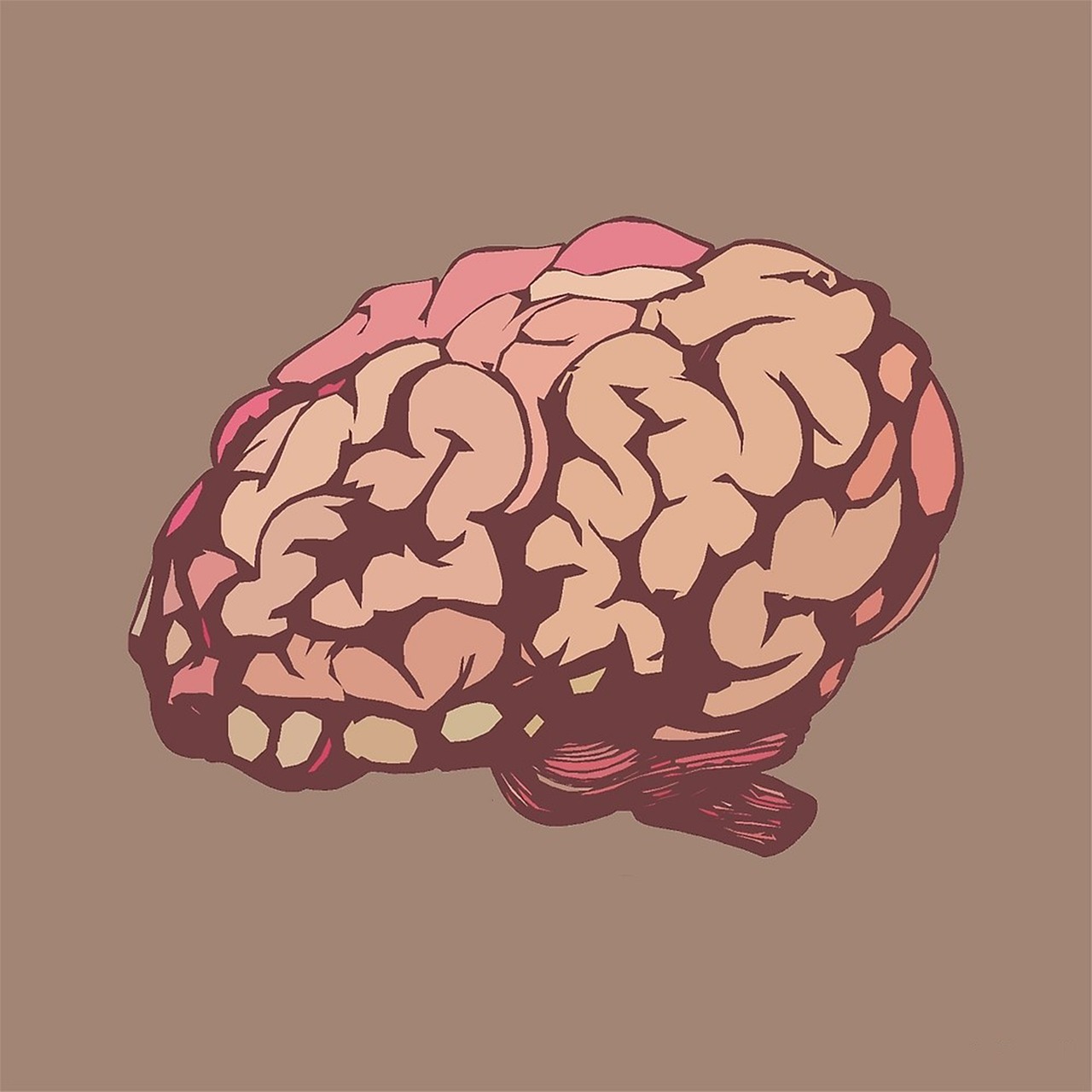
The human brain remains one of the most enigmatic and powerful biological structures in existence. As we advance into an era of unprecedented technological innovation, the intersection of neuroscience and computational modeling is opening doors to understanding cognition, consciousness, and neural networks in ways previously confined to science fiction.

Neuro-connectivity modeling represents a revolutionary approach to mapping and understanding the intricate web of connections within the brain. By leveraging advanced computational techniques, artificial intelligence, and neuroimaging technologies, researchers are now able to visualize and simulate the complex interactions between billions of neurons, paving the way for breakthroughs in medical treatment, cognitive enhancement, and human-computer interfaces.
🧠 The Foundation of Neuro-Connectivity: Understanding Brain Networks
At its core, neuro-connectivity modeling seeks to map the structural and functional relationships between different brain regions. The human brain contains approximately 86 billion neurons, each forming thousands of connections with neighboring cells. These connections, known as synapses, create an intricate network that processes information, stores memories, and generates the full spectrum of human experience.
Traditional neuroscience relied heavily on anatomical studies and limited imaging techniques. However, the advent of functional magnetic resonance imaging (fMRI), diffusion tensor imaging (DTI), and electroencephalography (EEG) has transformed our ability to observe the living brain in action. These technologies provide the raw data that feeds into sophisticated connectivity models, allowing scientists to construct detailed maps of neural pathways.
Structural vs. Functional Connectivity
Understanding the distinction between structural and functional connectivity is fundamental to neuro-connectivity modeling. Structural connectivity refers to the physical connections between brain regions—the neural highways formed by axons and dendrites. These anatomical pathways remain relatively stable throughout adult life, forming the framework upon which brain function operates.
Functional connectivity, conversely, measures the statistical relationships between activity patterns in different brain regions. Two areas might show functional connectivity without direct structural links, communicating through intermediary regions or synchronized activity patterns. This dynamic aspect of brain organization reveals how the brain adapts to tasks, learns new information, and reorganizes following injury.
🔬 Advanced Technologies Driving Innovation
The rapid evolution of neuro-connectivity modeling stems from convergent advances across multiple technological domains. Machine learning algorithms can now process vast neuroimaging datasets, identifying patterns invisible to human observers. Deep learning networks, ironically inspired by biological neural networks, excel at extracting meaningful connectivity patterns from noisy brain data.
Quantum computing promises to revolutionize connectivity modeling by handling the computational complexity inherent in simulating billions of interconnected neurons. Traditional computers struggle with the combinatorial explosion of possible connection states, but quantum systems may soon simulate entire brain networks in real-time, enabling unprecedented insights into cognition and consciousness.
Graph Theory and Network Science
Mathematical frameworks from graph theory have become indispensable tools in neuro-connectivity research. By representing brain regions as nodes and connections as edges, researchers can apply sophisticated network analysis techniques to understand brain organization. Metrics such as clustering coefficient, path length, and network efficiency reveal fundamental principles of brain architecture.
Small-world network topology—characterized by high local clustering and short global path lengths—appears to be a universal feature of healthy brain organization. This architecture enables efficient information transfer while minimizing connection costs, an elegant solution to the brain’s energy constraints. Disruptions to this optimal topology have been linked to various neurological and psychiatric conditions.
💡 Clinical Applications Transforming Healthcare
The practical applications of neuro-connectivity modeling extend far beyond academic curiosity. In clinical settings, these technologies are revolutionizing diagnosis, treatment planning, and outcome prediction for numerous neurological conditions. Connectivity fingerprints can identify subtle abnormalities invisible to conventional imaging, enabling earlier intervention and personalized treatment approaches.
Epilepsy research has particularly benefited from connectivity modeling. By mapping abnormal synchronization patterns across brain networks, clinicians can identify seizure onset zones with greater precision. This information guides surgical planning for patients with drug-resistant epilepsy, improving outcomes while minimizing unnecessary tissue removal.
Mental Health and Psychiatric Disorders
Psychiatric conditions often lack clear anatomical markers, making diagnosis and treatment selection challenging. Neuro-connectivity modeling offers objective biomarkers for conditions such as depression, schizophrenia, and autism spectrum disorders. Distinct connectivity patterns associated with these conditions may eventually enable more accurate diagnosis and targeted interventions.
Depression, for instance, shows characteristic alterations in connectivity between the default mode network and regions involved in emotional regulation. Treatment response to antidepressants or psychotherapy may be predicted by pre-treatment connectivity patterns, allowing clinicians to select the most promising intervention for individual patients rather than relying on trial and error.
🚀 Brain-Computer Interfaces and Cognitive Enhancement
Perhaps the most ambitious application of neuro-connectivity modeling lies in developing sophisticated brain-computer interfaces (BCIs). These systems decode neural activity patterns to control external devices, offering hope to individuals with paralysis and expanding the boundaries of human capability. Advanced connectivity models enable more intuitive and responsive interfaces by understanding how the brain naturally organizes and executes actions.
Companies and research institutions worldwide are developing neural implants that restore function to damaged nervous systems. Spinal cord injury patients have regained voluntary movement through interfaces that bypass injury sites, translating cortical intentions directly into muscle stimulation. These achievements rely fundamentally on accurate models of how motor planning networks connect and communicate.
Cognitive Training and Neuroplasticity
Understanding connectivity patterns opens possibilities for targeted cognitive enhancement. Neurofeedback training uses real-time brain activity monitoring to help individuals modify their own connectivity patterns. Athletes, musicians, and professionals seeking peak performance are exploring these techniques to optimize attention, creativity, and skill acquisition.
Transcranial magnetic stimulation (TMS) and transcranial direct current stimulation (tDCS) apply external energy to modulate brain activity. Connectivity models guide these interventions, identifying optimal stimulation targets and parameters to enhance learning, treat depression, or facilitate stroke recovery. Personalized stimulation protocols based on individual connectivity profiles show particular promise for maximizing therapeutic benefits.
🌐 Artificial Intelligence and Neural Networks: A Bidirectional Inspiration
The relationship between biological neural networks and artificial intelligence represents a fascinating feedback loop. Early artificial neural networks drew inspiration from simplified models of biological neurons. Now, as our understanding of actual brain connectivity deepens, AI architectures are becoming more biologically realistic, incorporating features such as sparse connectivity, hierarchical organization, and recurrent dynamics.
Conversely, advances in artificial intelligence are accelerating neuroscience research. Deep learning algorithms analyze neuroimaging data with superhuman speed and consistency, identifying connectivity biomarkers for diseases, predicting treatment outcomes, and even decoding thoughts from brain activity patterns. This synergy between biological and artificial intelligence promises accelerating returns in both domains.
Whole Brain Emulation: The Ultimate Challenge
The long-term goal of creating complete computational models of brain function—whole brain emulation—remains controversial but increasingly plausible. Such models would require mapping every neuron and synapse, understanding the biochemical and electrical dynamics governing their interactions, and simulating these processes at sufficient scale and speed to generate emergent cognitive properties.
Current projects like the Human Brain Project and BRAIN Initiative are laying groundwork for this ambitious vision. While complete human brain emulation likely remains decades away, increasingly sophisticated partial models are already generating insights into consciousness, learning, and decision-making that would be impossible through traditional experimental approaches alone.
⚖️ Ethical Considerations and Societal Implications
As with any powerful technology, neuro-connectivity modeling raises profound ethical questions. Brain data is uniquely personal, potentially revealing thoughts, predispositions, and characteristics individuals might wish to keep private. Robust privacy protections and informed consent frameworks must evolve alongside technical capabilities to prevent misuse.
The possibility of cognitive enhancement through connectivity manipulation creates concerns about equity and access. Will such technologies remain available only to the wealthy, creating a neurologically enhanced elite class? How do we balance individual freedom to modify one’s own brain against potential societal pressures to conform to enhanced norms?
Neurodiversity and Individual Differences
Connectivity modeling reveals that brains vary tremendously across individuals, with no single “optimal” configuration. This neurodiversity perspective challenges deficit-based models of conditions like autism, reframing differences as alternative connectivity patterns rather than disorders requiring correction. Respecting this diversity while treating genuine impairments requires nuanced ethical frameworks.
The future of neuro-connectivity research must balance the drive toward understanding universal principles with appreciation for meaningful individual variation. Personalized medicine approaches recognize that optimal connectivity patterns depend on individual goals, environments, and values, not arbitrary statistical norms.
🔮 The Road Ahead: Emerging Frontiers
The future of neuro-connectivity modeling promises developments that would astound current practitioners. Real-time, non-invasive monitoring of whole-brain connectivity may become routine, enabling continuous health monitoring and immediate detection of abnormalities. Wearable neuroimaging devices could track how daily activities, sleep, nutrition, and stress affect brain networks, providing personalized recommendations for optimization.
Integration with other biomarkers—genetic profiles, metabolomic data, microbiome composition—will create comprehensive models linking brain connectivity to overall health. These multiscale models will reveal how peripheral factors influence central nervous system function, opening new therapeutic avenues for treating brain disorders through systemic interventions.
Collaborative Networks and Open Science
The complexity of brain connectivity demands collaborative approaches transcending traditional institutional and disciplinary boundaries. Open science initiatives sharing neuroimaging datasets, analytical tools, and computational models are accelerating discovery by enabling researchers worldwide to contribute expertise and verify findings. Standardization efforts ensure compatibility across studies, building cumulative knowledge rather than isolated findings.
Citizen science projects are democratizing neuroscience research, allowing individuals to contribute data or processing power to large-scale connectivity studies. This participatory approach not only accelerates research but also increases public engagement with neuroscience, fostering informed discussions about the technology’s implications and appropriate governance frameworks.
🌟 Transforming Human Potential Through Understanding
Ultimately, neuro-connectivity modeling represents humanity’s quest to understand itself at the most fundamental level. The brain generates every experience, thought, and emotion we have ever known. Mapping its intricate connectivity patterns brings us closer to answering age-old philosophical questions about consciousness, free will, and the nature of self.
Beyond philosophical insights, this understanding holds practical promise for alleviating suffering and expanding human capabilities. More effective treatments for neurological and psychiatric conditions will emerge from mechanistic understanding of dysfunctional connectivity. Educational approaches informed by how brains naturally learn will unlock potential in students currently underserved by traditional methods.
The journey toward comprehensive understanding of brain connectivity is long and challenging, requiring sustained investment, interdisciplinary collaboration, and careful ethical consideration. However, the potential rewards—enhanced health, expanded cognitive capabilities, and deeper self-understanding—justify the effort. As we unlock the brain’s connectivity patterns, we unlock human potential itself.
The convergence of neuroscience, artificial intelligence, advanced imaging technologies, and computational modeling is ushering in a new era of brain research. Neuro-connectivity modeling stands at the forefront of this revolution, transforming abstract neural activity into actionable insights. The coming decades will likely witness breakthroughs that fundamentally alter our relationship with our own minds, opening possibilities currently beyond imagination while demanding wisdom to navigate the profound questions these capabilities raise.