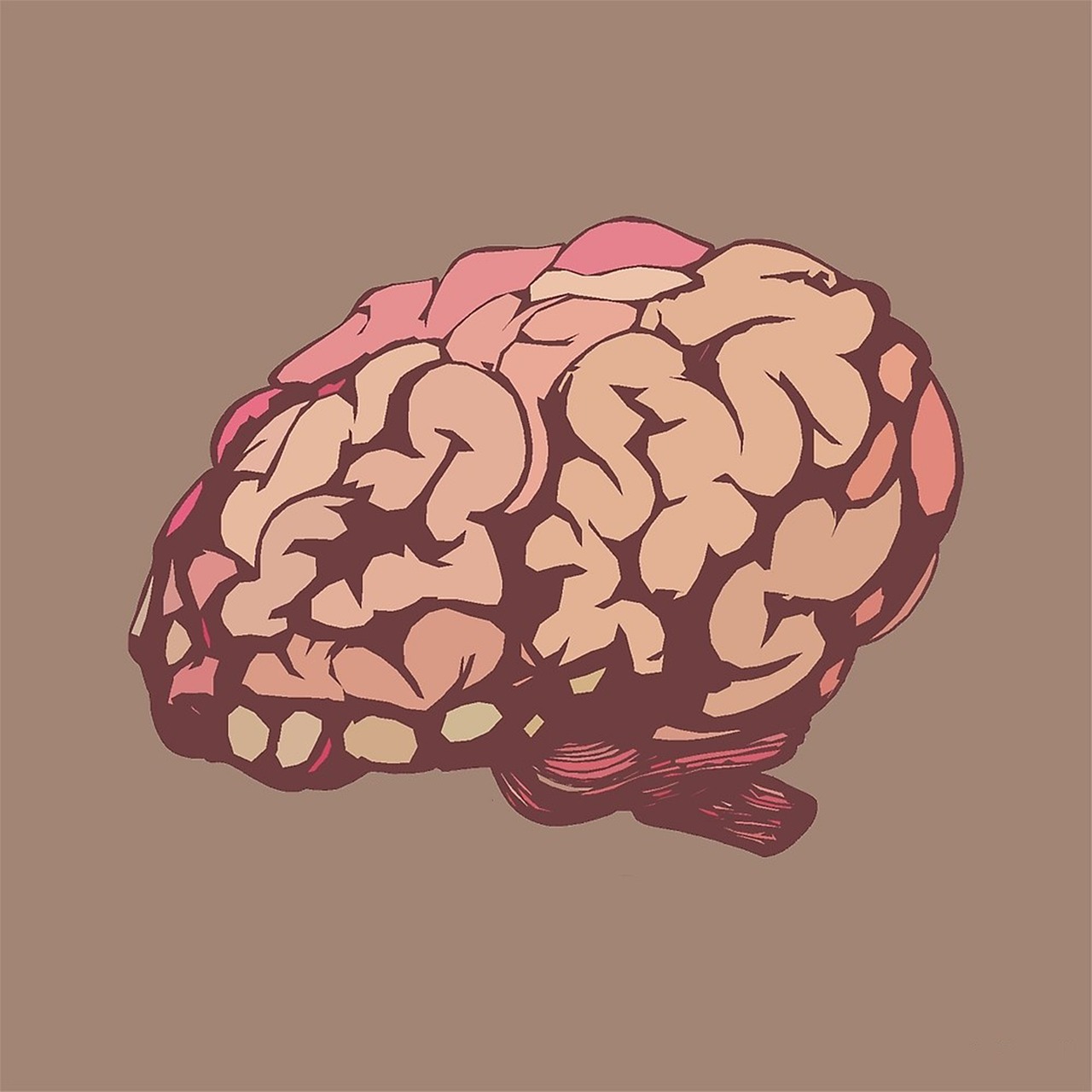
The human brain remains one of science’s greatest frontiers, and psychedelic substances are emerging as unexpected keys to unlocking its deepest mysteries.

For decades, these compounds were relegated to the margins of research, dismissed as relics of counterculture movements. Today, prestigious universities and leading neuroscientists are rediscovering what ancient cultures have known for millennia: psychedelics possess remarkable potential to heal mental illness, expand consciousness, and fundamentally transform our understanding of the mind. This renaissance in psychedelic neurology is not merely academic curiosity—it represents a paradigm shift in how we approach brain health, psychiatric treatment, and the very nature of human consciousness.
🧠 The Neurological Revolution: How Psychedelics Reshape Brain Function
Psychedelic compounds—including psilocybin, LSD, DMT, and mescaline—operate through mechanisms that fundamentally differ from conventional psychiatric medications. Rather than simply modulating neurotransmitter levels, these substances appear to reorganize neural networks, creating new patterns of connectivity that persist long after the acute effects subside.
The primary neurological action occurs through the serotonin 2A receptor, a protein concentrated in brain regions responsible for cognition, perception, and mood regulation. When psychedelics bind to these receptors, they initiate a cascade of neurological events that increase neural plasticity—the brain’s ability to form new connections and pathways.
Default Mode Network Disruption
One of the most significant discoveries in psychedelic neurology involves the Default Mode Network (DMN), a collection of interconnected brain regions active during self-referential thinking and autobiographical memory. In conditions like depression, anxiety, and addiction, the DMN becomes hyperactive, trapping individuals in repetitive, negative thought patterns.
Neuroimaging studies reveal that psychedelics temporarily reduce activity in the DMN while simultaneously increasing communication between brain regions that normally don’t interact. This creates a state of “entropy” where rigid mental patterns dissolve, allowing for cognitive flexibility and new perspectives to emerge.
⚕️ Therapeutic Applications: From Laboratory to Clinical Practice
The translation of psychedelic neurology into clinical applications has produced remarkable results across multiple psychiatric conditions. Unlike traditional treatments that often require daily medication for indefinite periods, psychedelic-assisted therapy typically involves a limited number of supervised sessions that can produce lasting benefits.
Depression and Treatment-Resistant Cases
Major depressive disorder affects over 280 million people globally, with approximately one-third experiencing treatment-resistant depression. Clinical trials with psilocybin have demonstrated response rates exceeding 60% in these difficult-to-treat populations, with some studies showing benefits lasting six months or longer from a single session.
The mechanism appears multifaceted: psychedelics not only disrupt the DMN’s negative rumination cycles but also promote neurogenesis and synaptic plasticity in regions like the hippocampus and prefrontal cortex, areas often compromised in depression.
Post-Traumatic Stress Disorder (PTSD)
MDMA-assisted therapy for PTSD has progressed to Phase 3 clinical trials, with breakthrough therapy designation from regulatory agencies. The compound facilitates therapeutic processing of traumatic memories by reducing activity in the amygdala—the brain’s fear center—while maintaining cognitive function necessary for therapeutic work.
Results have been striking: approximately 67% of participants no longer met PTSD diagnostic criteria after three MDMA-assisted therapy sessions, compared to 32% in the placebo group. These outcomes represent significant advances over existing treatments.
Addiction and Substance Use Disorders
Psychedelic compounds show particular promise in treating addiction, a condition notoriously resistant to conventional interventions. Studies examining psilocybin for alcohol use disorder and smoking cessation have reported abstinence rates dramatically higher than standard treatments.
The neurological basis involves several mechanisms: disrupting habitual patterns encoded in the basal ganglia, enhancing cognitive flexibility that allows behavioral change, and potentially facilitating the profound perspective shifts that often accompany recovery.
🔬 The Neuroscience Behind Consciousness Expansion
Beyond therapeutic applications, psychedelics offer unprecedented tools for investigating consciousness itself. The subjective experiences reported during psychedelic sessions—ego dissolution, mystical experiences, and encounters with seemingly autonomous entities—correlate with specific neurological signatures that challenge conventional models of consciousness.
Neural Correlates of Mystical Experience
Advanced neuroimaging has identified brain activity patterns associated with mystical-type experiences during psychedelic sessions. These experiences, characterized by feelings of unity, transcendence, and ineffability, predict therapeutic outcomes across multiple conditions.
The neurology reveals decreased activity in brain regions associated with self-representation, alongside increased global connectivity—suggesting that the dissolution of ego boundaries may have neurological correlates in the literal breakdown of network boundaries within the brain.
Time Perception and Temporal Lobe Activity
Psychedelics profoundly alter time perception, an effect linked to changes in temporal lobe function and disrupted coordination between brain networks. This temporal distortion may explain why brief psychedelic experiences feel subjectively extended and why insights gained can feel timeless or eternal.
Understanding these mechanisms provides clues about how the brain constructs our experience of time and reality, fundamental questions in neuroscience and philosophy of mind.
🌟 Neuroplasticity: The Brain’s Capacity for Transformation
Perhaps the most exciting aspect of psychedelic neurology is the discovery that these compounds are among the most potent promoters of neuroplasticity identified to date. This plasticity-promoting effect operates at multiple levels, from molecular signaling to large-scale network reorganization.
Dendritic Spine Growth and Synaptogenesis
Laboratory research demonstrates that psychedelics stimulate rapid growth of dendritic spines—the tiny protrusions where neurons form connections. A single dose can increase spine density by over 10% within 24 hours, with effects persisting for weeks.
This structural plasticity provides a neurological foundation for the lasting psychological changes reported by patients. New synapses create new possibilities for information processing, enabling escape from entrenched patterns.
BDNF and Neurotropic Signaling
Psychedelics activate signaling pathways involving brain-derived neurotrophic factor (BDNF), a protein essential for neuronal growth, survival, and plasticity. This mechanism mirrors how antidepressants are believed to work, but psychedelics activate these pathways more robustly and rapidly.
The implication is profound: psychedelics may represent a new class of “plasticity-promoting” compounds that could accelerate learning, facilitate recovery from brain injury, and potentially slow age-related cognitive decline.
🧬 Personalized Medicine: Genetic and Individual Variations
As psychedelic neurology advances, researchers are discovering significant individual variation in response to these compounds. Genetic differences in serotonin receptors, metabolic enzymes, and other factors influence both subjective experiences and therapeutic outcomes.
This understanding opens possibilities for personalized psychedelic medicine, where genetic profiling could optimize dosing, predict response, and minimize adverse effects. Such precision approaches could maximize therapeutic benefit while enhancing safety.
Set, Setting, and Neurological Context
The famous psychedelic principle of “set and setting”—mindset and environment—has neurological underpinnings. Brain state at the time of administration influences the psychedelic experience through mechanisms like network connectivity patterns and neurotransmitter availability.
Understanding these interactions allows clinicians to optimize conditions for therapeutic outcomes, potentially through preparatory practices like meditation, which research shows alters baseline brain function in ways that may enhance psychedelic therapy effectiveness.
⚠️ Safety Considerations and Neurological Risks
While psychedelics demonstrate remarkable safety in controlled settings, understanding neurological risks remains crucial for responsible advancement of the field. Contraindications exist for individuals with certain psychiatric conditions, particularly psychotic disorders.
The relationship between psychedelics and psychosis remains complex. While these compounds don’t cause schizophrenia in otherwise healthy individuals, they can trigger episodes in vulnerable populations. This appears related to excessive dopamine signaling in predisposed individuals.
Cardiovascular and Neurological Screening
Psychedelics activate serotonin receptors throughout the body, including in cardiovascular tissue. Proper medical screening identifies individuals at elevated risk for adverse events, ensuring safe administration.
Comprehensive assessment includes psychiatric history, family history of mental illness, cardiovascular health, and current medications. This due diligence has contributed to the excellent safety profile observed in clinical trials.
🚀 The Future Landscape: Emerging Research Frontiers
Psychedelic neurology stands at an inflection point, with research expanding in multiple exciting directions. Understanding where the field is heading illuminates the transformative potential of this scientific renaissance.
Novel Compounds and Targeted Molecules
Pharmaceutical companies are developing next-generation psychedelics designed for specific therapeutic applications. These include compounds with shorter durations, reduced hallucinogenic effects, or enhanced receptor selectivity.
While some question whether removing the subjective experience diminishes therapeutic value, these investigations will clarify which aspects of psychedelic neurology are essential for healing and which are incidental.
Combination Therapies and Augmentation Strategies
Researchers are exploring combinations of psychedelics with other interventions to enhance outcomes. This includes integration with various psychotherapy modalities, neuromodulation techniques like transcranial magnetic stimulation, and complementary compounds that may extend or deepen neuroplasticity.
Such combination approaches could optimize the “critical period” of enhanced plasticity that psychedelics create, maximizing therapeutic benefit within this window of neural flexibility.
Consciousness Studies and Philosophical Implications
Beyond clinical applications, psychedelic neurology is reinvigorating scientific study of consciousness. The correlation between specific brain states and profound subjective experiences provides empirical data for questions philosophers have pondered for millennia.
This research may ultimately transform not just psychiatry but our fundamental understanding of mind, self, and reality—questions with implications extending far beyond medicine into the nature of human existence itself.
🌍 Global Access and Equity Considerations
As psychedelic therapies advance toward regulatory approval, questions of access and equity become paramount. These treatments, currently requiring extensive clinical support, risk being available only to privileged populations unless deliberate efforts ensure broader accessibility.
Indigenous communities have preserved psychedelic wisdom for centuries, often facing persecution for these practices. Ethical development of psychedelic medicine requires respecting traditional knowledge, ensuring community benefit, and avoiding exploitation of indigenous intellectual property.
Democratizing Healing Technologies
Various models are being explored to expand access: group therapy formats that reduce per-person costs, training diverse providers including peer specialists, and investigating whether some psychedelic therapy elements could be delivered remotely with appropriate safeguards.
Digital technologies may play supporting roles in preparation and integration phases, though the supervised session itself will likely remain in-person for safety and therapeutic reasons.
💡 Integration: The Often Overlooked Critical Component
While much attention focuses on the psychedelic experience itself, neuroscientific understanding reveals that integration—the process of making meaning from and implementing insights gained—may be equally critical for lasting benefit.
The neuroplasticity window opened by psychedelics creates potential for change, but realizing this potential requires deliberate effort. Integration practices help consolidate new neural patterns, translating insights into behavioral change through repeated activation of newly formed connections.
Neurological Consolidation Through Practice
Research on memory consolidation and learning suggests that repeated engagement with insights through practices like journaling, psychotherapy, meditation, and behavioral experiments strengthens the synaptic changes initiated by psychedelics.
This understanding transforms integration from abstract concept to neurologically-grounded practice essential for therapeutic success—not merely optional follow-up but critical component of the treatment itself.
🔮 Transforming Mental Healthcare: A Paradigm Shift
The implications of psychedelic neurology extend beyond individual treatments to potentially transform mental healthcare paradigms. The current model, emphasizing symptom management through daily medication, may give way to approaches focused on catalyzing transformation through intensive but time-limited interventions.
This shift aligns with growing recognition that many psychiatric conditions reflect rigid patterns of thought and behavior that might be more effectively addressed by promoting flexibility rather than simply dampening symptoms.
Psychedelic therapy represents a fundamentally different approach: rather than compensating for presumed chemical imbalances, it harnesses the brain’s inherent capacity for reorganization, empowering individuals as active participants in their healing rather than passive recipients of corrective chemistry.
Training the Next Generation
Realizing psychedelic medicine’s potential requires training clinicians in this distinctive therapeutic modality. This involves not just pharmacological knowledge but skills in navigating non-ordinary states of consciousness, managing challenging experiences, and facilitating integration.
Universities and professional organizations are developing training programs, certification pathways, and competency standards—infrastructure necessary for responsible scaling as regulatory approval advances.

🌈 The Converging Future of Neuroscience and Human Potential
Psychedelic neurology illuminates possibilities extending beyond treating illness to enhancing well-being and actualizing human potential. As we understand mechanisms underlying consciousness expansion, questions arise about applications in healthy populations.
Could psychedelics facilitate creativity, deepen spiritual practice, enhance empathy and connection, or accelerate personal growth? Research is beginning to explore these questions, though ethical considerations around enhancement versus treatment require careful navigation.
What’s clear is that we stand at the threshold of a new era in understanding and working with human consciousness. The convergence of ancient wisdom and modern neuroscience through psychedelic research offers unprecedented opportunities for alleviating suffering and exploring the furthest reaches of human experience.
The journey of rediscovering and rigorously investigating these remarkable compounds has already transformed our understanding of the brain’s capacity for change. As research continues, clinical applications expand, and societal understanding deepens, psychedelic neurology promises to unlock not just new treatments but new possibilities for what it means to be human—healthier, more conscious, and more fully alive to the extraordinary potential residing within the three pounds of neural tissue we call the mind.