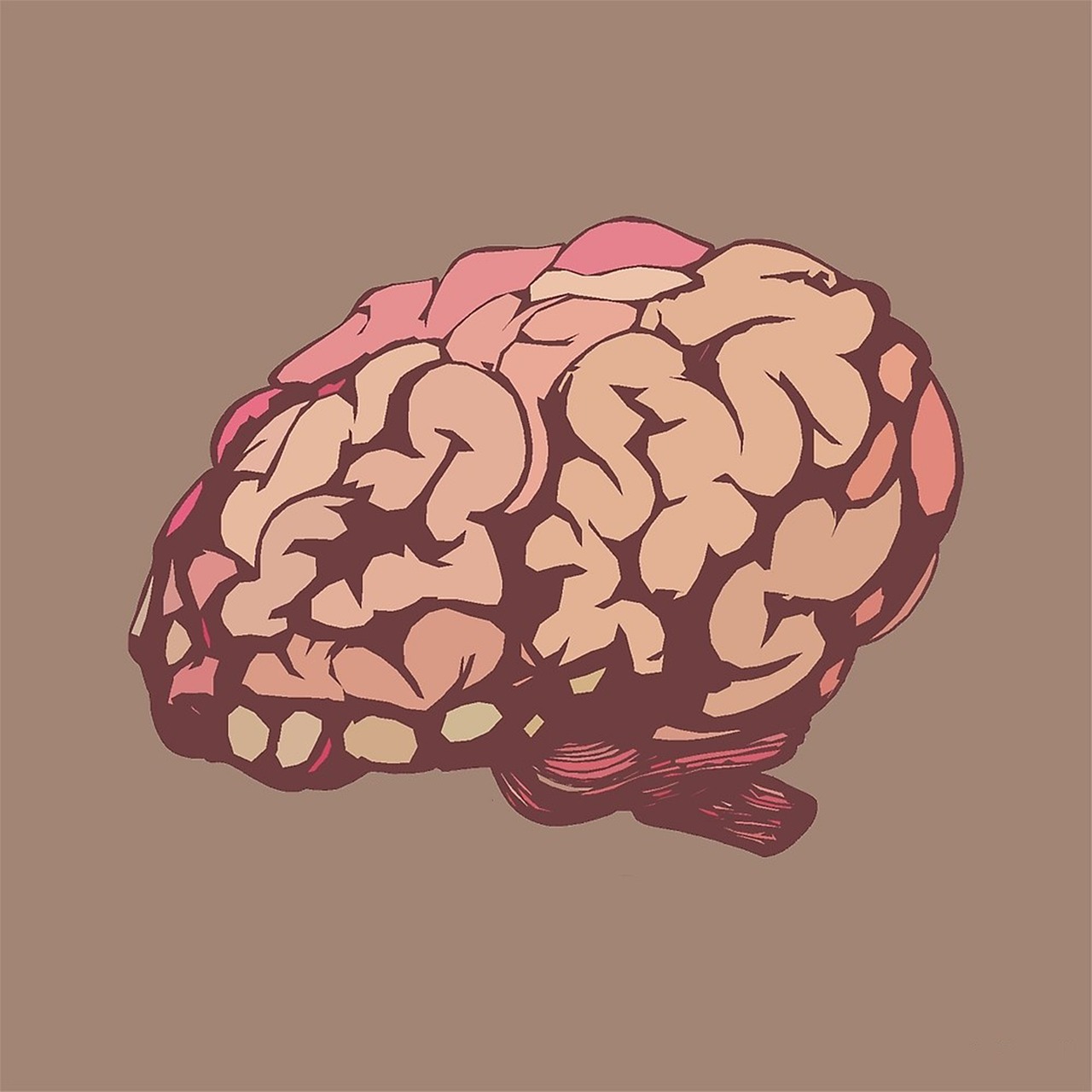
The human brain remains one of science’s greatest mysteries, and recent breakthroughs in hallucinogen research are revolutionizing our understanding of consciousness, mental health, and neural plasticity.

For decades, psychedelic substances were relegated to the margins of neuroscience, dismissed as recreational drugs with little medical value. However, a renaissance in hallucinogen research is now underway, with prestigious institutions like Johns Hopkins, Imperial College London, and UCSF leading groundbreaking studies that reveal how these compounds fundamentally alter brain function. This scientific awakening promises to transform psychiatric treatment and deepen our comprehension of human consciousness itself.
🧠 The Neurochemical Revolution: How Hallucinogens Reshape Brain Activity
Hallucinogens, particularly classical psychedelics like psilocybin, LSD, and DMT, primarily interact with the brain’s serotonin system, specifically the 5-HT2A receptor. This binding triggers a cascade of neurological events that temporarily reorganize how different brain regions communicate with each other. Advanced neuroimaging techniques, including functional MRI and magnetoencephalography, have revealed that these substances don’t simply activate random neural pathways—they orchestrate a profound reconfiguration of the brain’s functional connectivity.
Research conducted at Imperial College London demonstrated that psilocybin significantly decreases activity in the default mode network (DMN), a collection of brain regions associated with self-referential thinking, autobiographical memory, and the sense of ego. This temporary dissolution of the DMN correlates strongly with the subjective experience users describe as “ego death” or unity with the universe. The therapeutic implications of this phenomenon are substantial, particularly for conditions characterized by rigid, self-focused thought patterns like depression and anxiety.
The Default Mode Network and Consciousness
The default mode network acts as the brain’s narrative center, constantly generating the internal monologue that defines our sense of self. In individuals with depression, PTSD, or obsessive-compulsive disorder, this network can become hyperactive and locked into destructive thought loops. Hallucinogens temporarily “reset” this system, creating what neuroscientists call “increased entropy” in brain function—a state where different neural networks communicate in novel patterns that wouldn’t occur under normal conditions.
Dr. Robin Carhart-Harris, former head of Imperial College’s Centre for Psychedelic Research, describes this state as “controlled chaos” where the brain becomes more flexible and less constrained by established patterns. This neuroplasticity window may explain why a single psychedelic session can produce therapeutic benefits that persist for months or even years, far outlasting the acute drug effects.
🔬 Breakthrough Clinical Applications Transforming Mental Healthcare
The psychiatric potential of hallucinogens has moved from theoretical speculation to clinical validation. Multiple Phase 2 and Phase 3 trials have demonstrated remarkable efficacy for conditions that traditional pharmaceuticals struggle to address. The results are compelling enough that the FDA has granted “breakthrough therapy” designation to psilocybin for treatment-resistant depression and MDMA-assisted therapy for PTSD.
Depression and Existential Anxiety
A landmark 2022 study published in the New England Journal of Medicine found that psilocybin-assisted therapy was at least as effective as escitalopram (a common SSRI antidepressant) for treating major depressive disorder, with faster onset of action and sustained benefits. Unlike conventional antidepressants that require daily dosing and often produce emotional blunting, psilocybin therapy typically involves just one or two guided sessions that can produce profound shifts in perspective and emotional processing.
For patients facing terminal illness, psilocybin has shown particular promise in addressing existential distress. Studies at NYU Langone Health and Johns Hopkins found that approximately 80% of cancer patients receiving psilocybin-assisted therapy experienced significant reductions in depression and anxiety, with many describing the experience as among the most meaningful of their lives. These benefits persisted at six-month follow-up assessments, suggesting durable psychological transformation rather than temporary symptom suppression.
PTSD and Trauma Processing
MDMA, while technically an entactogen rather than a classical hallucinogen, has demonstrated unprecedented success in treating post-traumatic stress disorder. Phase 3 trials showed that 67% of participants no longer met diagnostic criteria for PTSD after three MDMA-assisted therapy sessions, compared to 32% in the placebo group. The substance appears to create an optimal neurobiological state for trauma processing by simultaneously activating emotional centers while reducing fear response in the amygdala.
⚡ Neuroplasticity: The Brain’s Capacity for Rewiring
One of the most exciting discoveries in recent hallucinogen research concerns their profound impact on neuroplasticity—the brain’s ability to form new neural connections and reorganize existing networks. Studies at the University of California, Davis, revealed that psychedelics promote the rapid growth of dendritic spines, the small protrusions on neurons where synaptic connections form. This structural change occurs within hours of administration and persists for days or weeks afterward.
Dr. David Olson’s laboratory has identified that psychedelics activate the mTOR pathway and increase production of brain-derived neurotrophic factor (BDNF), both critical mechanisms for neural growth and plasticity. This discovery has led to the development of non-hallucinogenic compounds that retain neuroplasticity-promoting properties while eliminating the subjective psychedelic effects—potentially offering therapeutic benefits without the need for intensive psychological support during sessions.
Synaptic Connections and Learning
The enhanced neuroplasticity induced by hallucinogens creates a critical window for psychological learning and behavioral change. This helps explain why these substances are most effective when combined with psychotherapy rather than administered alone. During the neuroplastic window, patients can more easily form new associations, reframe traumatic memories, and break free from entrenched cognitive patterns that maintain psychiatric symptoms.
🌐 The Network Connectivity Revolution
Brain imaging studies have revealed that hallucinogens don’t simply increase or decrease overall brain activity—they fundamentally reorganize how different brain regions communicate. Under normal conditions, the brain exhibits segregated network organization, with specific regions handling specific functions. Psychedelics temporarily break down these boundaries, allowing unprecedented cross-talk between typically separated networks.
This state of “hyperconnectivity” manifests as increased communication between the visual cortex and other sensory processing regions, explaining visual hallucinations and synesthesia. More therapeutically relevant is the increased connectivity between emotional centers like the amygdala and prefrontal cortex regions involved in emotional regulation and cognitive reappraisal. This enhanced communication may enable patients to access and process emotionally charged memories with reduced fear response.
The Entropy Model of Consciousness
The entropic brain hypothesis proposed by Dr. Carhart-Harris suggests that consciousness exists on a spectrum between excessive order (rigid, inflexible thinking) and excessive disorder (psychosis). Mental health disorders like depression and addiction represent states of excessive order, where thought patterns become trapped in maladaptive loops. Psychedelics temporarily shift the brain toward increased entropy, creating flexibility that allows new patterns to emerge. This theoretical framework provides an elegant explanation for both the therapeutic effects and the phenomenology of psychedelic experiences.
💊 Safety Profile and Physiological Effects
Contrary to decades of stigma, research consistently demonstrates that classical psychedelics have remarkably low toxicity and minimal addiction potential. Large-scale population studies have found no association between psychedelic use and increased mental health problems; indeed, some studies suggest protective effects against psychological distress and suicidality. The physiological safety margin is exceptionally wide—estimates suggest the lethal dose is approximately 1,000 times the effective therapeutic dose.
However, psychological safety requires appropriate screening and supervision. Psychedelics can precipitate acute anxiety and challenging experiences, particularly in individuals with personal or family history of psychotic disorders. Proper clinical protocols include thorough medical and psychiatric screening, preparation sessions, supervised administration in a comfortable setting, and integration sessions to help patients process and apply insights gained during the experience.
Contraindications and Risk Factors
While generally safe when used appropriately, hallucinogens are contraindicated in certain populations. Individuals with schizophrenia, bipolar disorder with psychotic features, or strong family history of these conditions should avoid psychedelics due to potential for triggering latent psychosis. Cardiovascular considerations exist primarily for phenethylamine compounds, though classical tryptamines like psilocybin show minimal cardiac effects in medically healthy individuals.
🧬 Molecular Mechanisms: Beyond Serotonin
While serotonin 2A receptor activation remains the primary mechanism of action, emerging research reveals more complex pharmacology. Psychedelics influence numerous neurotransmitter systems including glutamate, dopamine, and norepinephrine. The downstream effects include activation of immediate early genes like c-Fos and Arc, which play crucial roles in synaptic plasticity and learning. This molecular cascade helps explain how a brief drug exposure produces enduring psychological and neurological changes.
Recent studies have also identified the role of the NMDA glutamate receptor and sigma-1 receptor in mediating psychedelic effects. These findings suggest that the therapeutic action of hallucinogens involves orchestrated effects across multiple neurotransmitter systems rather than simple serotonin agonism. This complexity opens new avenues for developing compounds with optimized therapeutic profiles.
🎯 The Future of Psychedelic Medicine
The psychedelic renaissance is accelerating rapidly, with numerous compounds in various stages of clinical development. Beyond psilocybin and MDMA, researchers are investigating DMT, LSD, ibogaine for addiction treatment, and 5-MeO-DMT for existential distress. Biotech companies are developing synthetic analogs designed to optimize therapeutic benefits while minimizing duration or intensity of subjective effects, potentially making treatments more accessible and practical for clinical settings.
Regulatory pathways are evolving to accommodate these novel therapies. Oregon became the first state to legalize supervised psilocybin therapy in 2023, while numerous jurisdictions have decriminalized personal possession. The FDA is expected to approve MDMA-assisted therapy for PTSD and psilocybin for treatment-resistant depression within the next few years, fundamentally transforming the psychiatric treatment landscape.
Training and Infrastructure Challenges
Widespread clinical implementation faces significant practical hurdles. Psychedelic-assisted therapy requires specially trained therapists who can provide extended session support—MDMA protocols involve 8-hour sessions, while psilocybin sessions typically last 6-8 hours. This model differs dramatically from standard psychiatric practice and raises questions about reimbursement, scalability, and workforce development. Universities and professional organizations are developing training programs, but creating sufficient clinical capacity will take years.
🔮 Consciousness Research and Philosophical Implications
Beyond therapeutic applications, hallucinogens serve as powerful tools for consciousness research. By systematically altering subjective experience in measurable ways, these substances help neuroscientists map the neural correlates of specific conscious states. Research questions include: What creates the sense of self? How does the brain construct unified experience from distributed neural activity? What is the relationship between brain activity and subjective awareness?
Psychedelic research has revived serious scientific interest in questions philosophers have pondered for millennia. The consistent reports of mystical-type experiences under controlled laboratory conditions suggest these states have reliable neurobiological underpinnings. Whether these experiences represent genuine insight into the nature of reality or sophisticated neurological illusions remains debated, but their psychological impact is undeniable—and potentially therapeutic regardless of metaphysical interpretation.
🌟 Integration: Translating Experience into Lasting Change
The psychedelic experience itself, while profound, represents only part of the therapeutic process. Integration—the work of processing insights and translating them into behavioral and psychological change—determines long-term outcomes. Effective integration combines multiple modalities including psychotherapy, mindfulness practices, lifestyle modifications, and community support. Patients who receive structured integration support show superior outcomes compared to those who receive medication alone.
Therapists specializing in psychedelic integration help patients make sense of often ineffable experiences, identify therapeutic insights, and develop practical strategies for implementing psychological shifts in daily life. This process typically involves multiple sessions over weeks or months following the psychedelic session, creating a bridge between extraordinary states of consciousness and ordinary existence.
🚀 Pioneering Research Institutions Leading the Field
Several academic centers have emerged as leaders in psychedelic science. Johns Hopkins Center for Psychedelic and Consciousness Research, the first such center at a major U.S. university, has produced seminal work on psilocybin’s therapeutic applications and consciousness-altering effects. Imperial College London’s Centre for Psychedelic Research has advanced our understanding of brain network dynamics under psychedelics. UCSF, Yale, and numerous other institutions have established dedicated research programs, signaling mainstream acceptance of this once-marginalized field.
These institutions are not only conducting clinical trials but also training the next generation of psychedelic researchers and therapists. Graduate programs, fellowships, and continuing education courses are proliferating, creating the scientific infrastructure necessary for sustainable growth of the field. Funding has increased dramatically, with both government agencies like NIMH and private philanthropy supporting rigorous research.
💡 Personalized Medicine and Individual Differences
As psychedelic research matures, attention is turning toward understanding individual variation in treatment response. Not all patients respond equally to psychedelics, and identifying predictors of positive outcomes could improve treatment selection and optimization. Factors under investigation include genetic polymorphisms affecting serotonin receptor function, baseline brain connectivity patterns, personality traits, and set and setting variables.
The concept of precision psychedelic medicine envisions tailoring treatment protocols to individual patient characteristics—selecting optimal substances, dosages, and therapeutic approaches based on biomarkers and psychological profiles. This personalized approach could maximize efficacy while minimizing adverse effects, moving beyond one-size-fits-all protocols toward individualized treatment optimization.

🌈 The Road Ahead: Challenges and Opportunities
Despite tremendous progress, significant challenges remain. Methodological limitations complicate clinical research—effective blinding is nearly impossible with powerful psychedelics, creating potential expectancy effects. Long-term safety data remains limited, particularly for repeated dosing protocols. Questions persist about optimal treatment protocols, including dosage, frequency, and role of psychotherapy components.
Ethical considerations include ensuring equitable access as these therapies move toward approval, preventing commercialization from inflating costs prohibitively, respecting Indigenous traditions from which some of these medicines originate, and maintaining scientific rigor amid cultural enthusiasm. The field must balance rapid development with careful attention to safety, efficacy, and ethical implementation.
The cutting-edge science of hallucinogens represents a paradigm shift in neuroscience and psychiatry. By revealing the remarkable plasticity of human consciousness and offering novel therapeutic pathways for conditions resistant to conventional treatment, psychedelics are unlocking previously inaccessible aspects of mind and brain. As research progresses from academic laboratories to clinical practice, these substances promise to transform not only how we treat mental illness but also how we understand the fundamental nature of human consciousness itself. The journey of rediscovering these ancient compounds through modern scientific methods continues to yield surprises, suggesting that the most exciting discoveries may still lie ahead.