The renaissance of psychedelic research is transforming mental healthcare, offering breakthrough approaches to conditions once considered treatment-resistant. Modern therapeutic models are redefining how we understand consciousness, healing, and personal transformation.

For decades, psychedelics remained stigmatized and legally restricted, but recent scientific validation has sparked renewed interest among researchers, clinicians, and patients seeking alternatives to conventional treatments. This paradigm shift represents not just a medical evolution but a fundamental reimagining of therapeutic possibilities for mental health and personal development.
🧠 The Scientific Foundation of Psychedelic-Assisted Therapy
Contemporary psychedelic research builds upon rigorous scientific methodology, distinguishing itself from the uncontrolled experimentation of previous eras. Leading institutions including Johns Hopkins University, Imperial College London, and the Multidisciplinary Association for Psychedelic Studies (MAPS) have conducted groundbreaking clinical trials demonstrating remarkable efficacy for conditions like depression, PTSD, and anxiety.
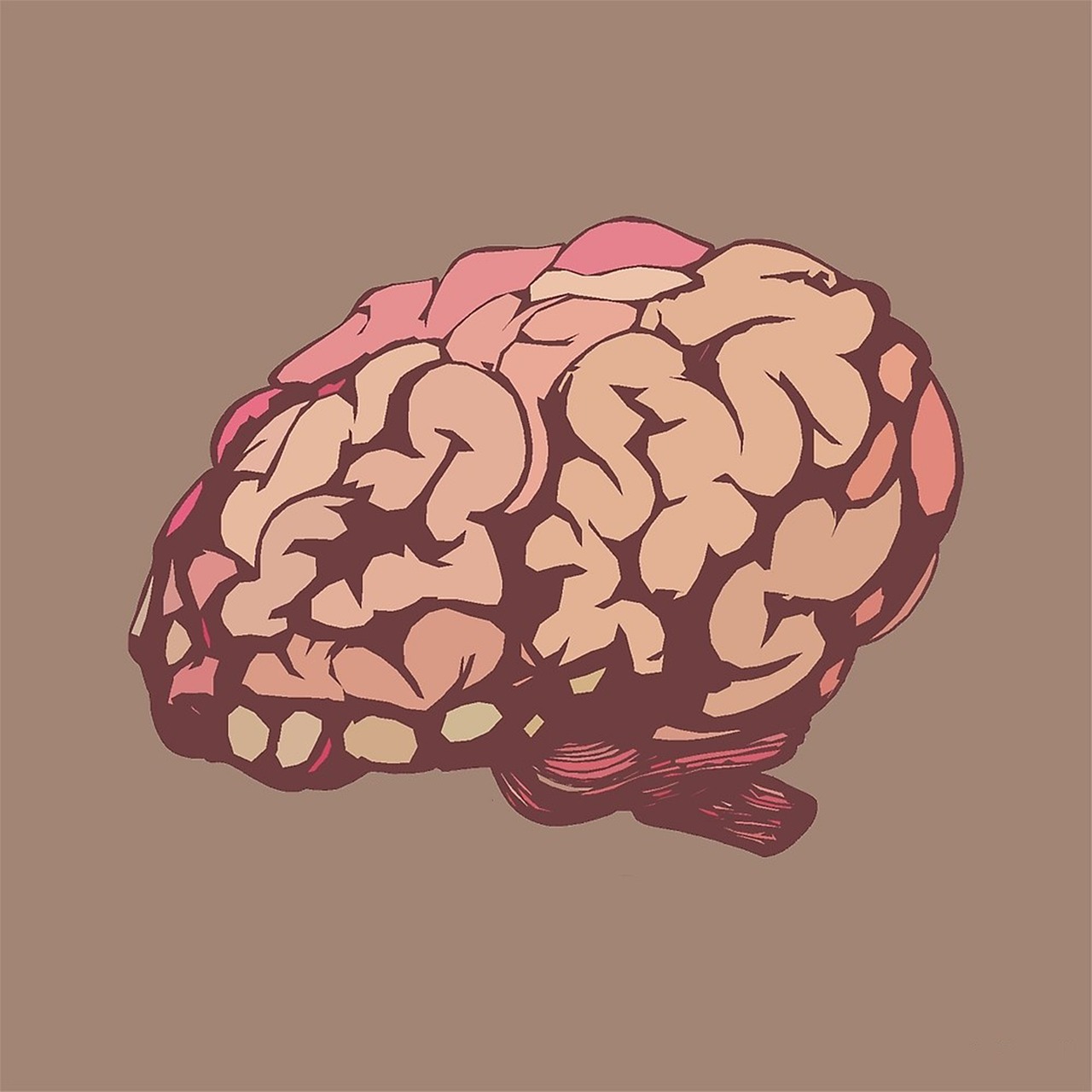
The neurobiological mechanisms underlying psychedelic therapy involve temporary disruption of default mode network activity—the brain’s self-referential thinking patterns. This disruption allows for increased connectivity between brain regions that typically don’t communicate, facilitating cognitive flexibility and emotional processing. Substances like psilocybin, MDMA, and LSD promote neuroplasticity, potentially creating new neural pathways that support lasting behavioral and emotional changes.
Research indicates that psychedelics don’t simply suppress symptoms like traditional psychiatric medications. Instead, they catalyze profound psychological experiences that, when properly integrated with therapeutic support, can lead to fundamental shifts in perspective, self-concept, and emotional regulation.
Therapeutic Models Shaping Modern Practice
Several distinct therapeutic frameworks have emerged to optimize the healing potential of psychedelic experiences while ensuring safety and efficacy. These models share common principles while emphasizing different aspects of the therapeutic journey.
The Preparation-Session-Integration Model
This foundational approach structures psychedelic therapy into three essential phases. The preparation phase involves multiple sessions establishing therapeutic rapport, clarifying intentions, addressing expectations, and creating psychological safety. Therapists assess contraindications, educate patients about the substance and experience, and develop strategies for navigating challenging moments.
The dosing session occurs in a carefully controlled environment designed to minimize external distractions. Patients typically wear eyeshades and listen to curated music while therapists provide non-directive support, intervening only when necessary for safety or emotional support. Sessions last between four to eight hours depending on the substance.
Integration sessions follow in subsequent weeks, helping patients process insights, emotions, and perceptions from their experience. This phase proves crucial for translating subjective experiences into meaningful behavioral changes and sustained therapeutic benefits.
The MAPS MDMA-Assisted Therapy Protocol
Developed specifically for PTSD treatment, this manualized approach combines MDMA with a non-directive, inner-directed therapeutic stance. Two co-therapists (typically one male, one female) guide patients through three MDMA sessions spaced weeks apart, with preparatory and integration sessions surrounding each dosing experience.
MDMA’s unique pharmacology reduces fear responses while enhancing feelings of trust and emotional openness, allowing patients to process traumatic memories without overwhelming distress. Clinical trials have shown response rates exceeding 70% for chronic PTSD, with many participants no longer meeting diagnostic criteria after treatment.
Psycholytic Therapy and Microdosing Models
Psycholytic therapy employs lower doses of psychedelics in traditional talk therapy settings, allowing for enhanced emotional access and therapeutic processing while maintaining normal cognitive function. This approach appeals to patients uncomfortable with high-dose experiences or those requiring more gradual therapeutic progression.
Microdosing involves sub-perceptual doses taken regularly (typically every few days) without inducing altered states. While anecdotal reports suggest benefits for mood, creativity, and focus, rigorous research remains limited. This model represents a harm-reduction approach for individuals self-medicating outside clinical contexts.
🌿 Substances and Their Therapeutic Applications
Different psychedelic compounds offer distinct therapeutic profiles, making substance selection an important clinical consideration based on patient needs and treatment goals.
Psilocybin: The Neuroplasticity Catalyst
Found in various mushroom species, psilocybin has demonstrated exceptional promise for treatment-resistant depression, end-of-life anxiety in terminal illness, and addiction disorders. Its safety profile, relatively short duration (4-6 hours), and robust research backing have positioned it at the forefront of therapeutic psychedelics.
Psilocybin therapy typically involves one or two high-dose sessions preceded by extensive preparation. Studies show sustained antidepressant effects lasting months after single sessions, suggesting fundamental psychological restructuring rather than temporary symptom relief.
MDMA: The Empathogen for Trauma
Technically an empathogen rather than a classical psychedelic, MDMA’s unique capacity to reduce fear while enhancing emotional connection makes it particularly effective for trauma processing. The FDA has granted breakthrough therapy designation for MDMA-assisted psychotherapy for PTSD, with full approval anticipated.
MDMA therapy addresses not just PTSD but also social anxiety in autistic adults, anxiety in life-threatening illness, and relationship counseling applications currently being explored.
Ketamine: The Rapid-Acting Alternative
Ketamine stands apart as the only psychedelic currently approved for clinical use (as esketamine nasal spray for depression). Its rapid antidepressant effects—often within hours—provide crucial intervention for acute suicidality. However, effects typically require repeated sessions and may not produce the lasting transformations associated with classical psychedelics.
Ketamine-assisted psychotherapy integrates the dissociative experience with therapeutic processing, distinguishing it from purely pharmacological ketamine infusion protocols.
The Therapeutic Set and Setting Framework 🏡
Set and setting—the psychological mindset and physical environment—profoundly influence psychedelic experiences and therapeutic outcomes. This concept, articulated by Timothy Leary but refined by contemporary researchers, represents a cornerstone of responsible psychedelic therapy.
Set encompasses patient expectations, intentions, psychological state, and relationship with therapists. Preparation sessions carefully cultivate a constructive set by establishing trust, clarifying goals, normalizing challenging experiences, and developing coping strategies for difficult moments.
Setting refers to the physical and social environment. Therapeutic spaces are designed to feel safe, comfortable, and aesthetically pleasing without excessive stimulation. Elements include comfortable furniture, nature imagery, temperature control, and carefully selected music that supports emotional processing without directing content.
The therapeutic relationship itself constitutes perhaps the most crucial setting element. Therapist presence must balance attentiveness with non-interference, providing safety without controlling the experience. This delicate balance requires specialized training in psychedelic therapy competencies.
Integration: Translating Insight into Transformation
The mystical or profound experiences during psychedelic sessions, while valuable, don’t automatically translate into lasting change. Integration work bridges the extraordinary experience with ordinary life, helping patients extract meaning and implement behavioral changes aligned with insights gained.
Integration practices vary but typically include psychotherapy sessions focused on experience processing, journaling exercises, meditation or contemplative practices, lifestyle modifications, and sometimes creative expression through art or music. Some programs incorporate group integration sessions where participants share experiences and support each other’s growth.
Research increasingly recognizes integration quality as a primary determinant of long-term outcomes. Patients who receive robust integration support show significantly better sustained improvements than those receiving minimal post-session follow-up.
📊 Evidence-Based Outcomes and Clinical Promise
The clinical trial data supporting psychedelic therapy continues expanding, with results frequently surpassing conventional treatments in both efficacy and durability.
- Psilocybin therapy shows response rates of 60-80% for treatment-resistant depression, compared to 10-20% for additional antidepressant trials
- MDMA-assisted therapy demonstrates 67% of chronic PTSD patients no longer meeting diagnostic criteria after treatment
- Psilocybin-assisted therapy for smoking cessation achieves 80% abstinence rates at six-month follow-up, compared to 35% for varenicline
- End-of-life anxiety treatment shows sustained benefits six months post-session, with 60-80% of participants reporting lasting reductions in death anxiety
- Long-term follow-up studies indicate benefits often strengthen over time rather than diminishing, suggesting genuine psychological transformation
These outcomes represent not marginal improvements but potential paradigm shifts in psychiatric treatment, particularly for conditions with limited conventional options.
Addressing Safety and Contraindications ⚠️
While remarkably safe physiologically, psychedelics require careful screening and monitoring to prevent psychological risks. Absolute contraindications include personal or family history of psychotic disorders, as psychedelics may precipitate latent psychosis in vulnerable individuals.
Relative contraindications require clinical judgment and include severe cardiovascular disease, certain medications (particularly MAOIs with some substances), personality disorders, and active substance abuse. Pregnancy and breastfeeding constitute contraindications due to insufficient safety data.
Adverse events in clinical settings remain rare when proper protocols are followed. Psychological distress during sessions occurs but is managed through therapeutic support. The controlled setting, medical screening, and trained therapist presence minimize risks substantially compared to unsupervised use.
Long-term risks appear minimal based on current evidence. Classical psychedelics show no addictive potential and don’t cause organ damage. The primary concern involves psychological destabilization in vulnerable populations, emphasizing the importance of proper screening.
Training and Ethical Considerations for Practitioners 🎓
As psychedelic therapy moves toward mainstream healthcare, practitioner training standards become increasingly important. Competent psychedelic therapists require expertise beyond conventional psychiatric or psychological training.
Training programs now address psychedelic pharmacology, experiential knowledge (many programs require practitioners to have personal experience), therapeutic presence skills, crisis management, integration techniques, and cultural humility regarding indigenous psychedelic traditions.
Ethical considerations include power dynamics in the vulnerable state patients experience, boundary maintenance, cultural appropriation concerns, equitable access issues, and responsible media communication avoiding both stigmatization and premature hype.
The California Institute of Integral Studies, Naropa University, and various professional organizations now offer certificate programs in psychedelic-assisted therapy, though standardization remains a work in progress.
The Role of Mystical Experience in Healing
A fascinating aspect of psychedelic therapy involves the correlation between mystical-type experiences and therapeutic outcomes. Studies using the Mystical Experience Questionnaire consistently show that profound spiritual experiences during sessions predict better long-term results.
These experiences typically include feelings of unity, transcendence of time and space, ineffability, sacredness, and positive mood. While not necessary for therapeutic benefit, their occurrence often catalyzes fundamental shifts in worldview, values, and self-concept that support healing.
This finding challenges materialist psychiatric paradigms, suggesting that subjective spiritual experiences hold genuine therapeutic value beyond neurochemical effects alone. The mechanism may involve ego dissolution—temporary loss of self-referential processing—allowing reorganization of self-concept and emotional patterns.
🌍 Cultural Context and Indigenous Wisdom
Contemporary psychedelic therapy doesn’t emerge from a vacuum but builds upon millennia of indigenous use of plant medicines in healing ceremonies. Traditions involving ayahuasca, peyote, iboga, and psilocybin mushrooms have sustained communities for generations.
Modern therapeutic models must navigate the tension between clinical medicalization and honoring traditional practices. Concerns about cultural appropriation, biopiracy, and erasure of indigenous knowledge persist as psychedelics enter Western medicine.
Respectful engagement involves acknowledging these origins, supporting indigenous communities, incorporating traditional wisdom where appropriate, and avoiding extractive relationships that benefit wealthy nations while marginalizing source communities.
Future Directions and Expanding Applications
As research progresses, psychedelic therapy applications continue expanding beyond initial targets. Emerging areas include eating disorders, obsessive-compulsive disorder, chronic pain, substance abuse beyond smoking, relationship therapy, and performance enhancement in healthy populations.
Technological innovations may enhance therapeutic models through virtual reality integration, neurofeedback-guided dosing, and AI-assisted integration support. However, the fundamental human connection between therapist and patient likely remains irreplaceable.
Regulatory pathways are advancing, with multiple substances in Phase 3 trials. The coming decade will likely see several psychedelics approved for therapeutic use, fundamentally changing psychiatric practice.
Questions remain about optimal delivery models—specialized clinics versus integrated healthcare systems, group versus individual therapy, single versus multiple sessions, and how to ensure equitable access as treatments become available.

💡 Transformative Potential Beyond Pathology
Perhaps the most revolutionary aspect of psychedelic therapy involves its potential beyond treating illness. Research increasingly explores applications for healthy individuals seeking personal growth, creativity enhancement, spiritual development, and existential exploration.
This wellness-oriented approach challenges medical model restrictions, suggesting psychedelics might serve human flourishing broadly rather than merely correcting dysfunction. Such applications raise complex regulatory and ethical questions about enhancement versus treatment.
The concept of “betterment” through psychedelics connects to ancient philosophical traditions viewing medicine not just as disease treatment but as tools for cultivating wisdom, compassion, and human potential. This holistic perspective may represent the ultimate transformation psychedelics bring to healthcare.
As therapeutic psychedelic models mature, they offer not just new treatments but a reimagined relationship with consciousness itself. By temporarily unlocking rigid patterns of thought and emotion, these substances create opportunities for profound healing and growth. The careful integration of scientific rigor, clinical safety, ethical responsibility, and respect for traditional wisdom positions psychedelic therapy to address some of humanity’s most persistent sources of suffering while opening doors to previously unimagined possibilities for human flourishing and transformation.