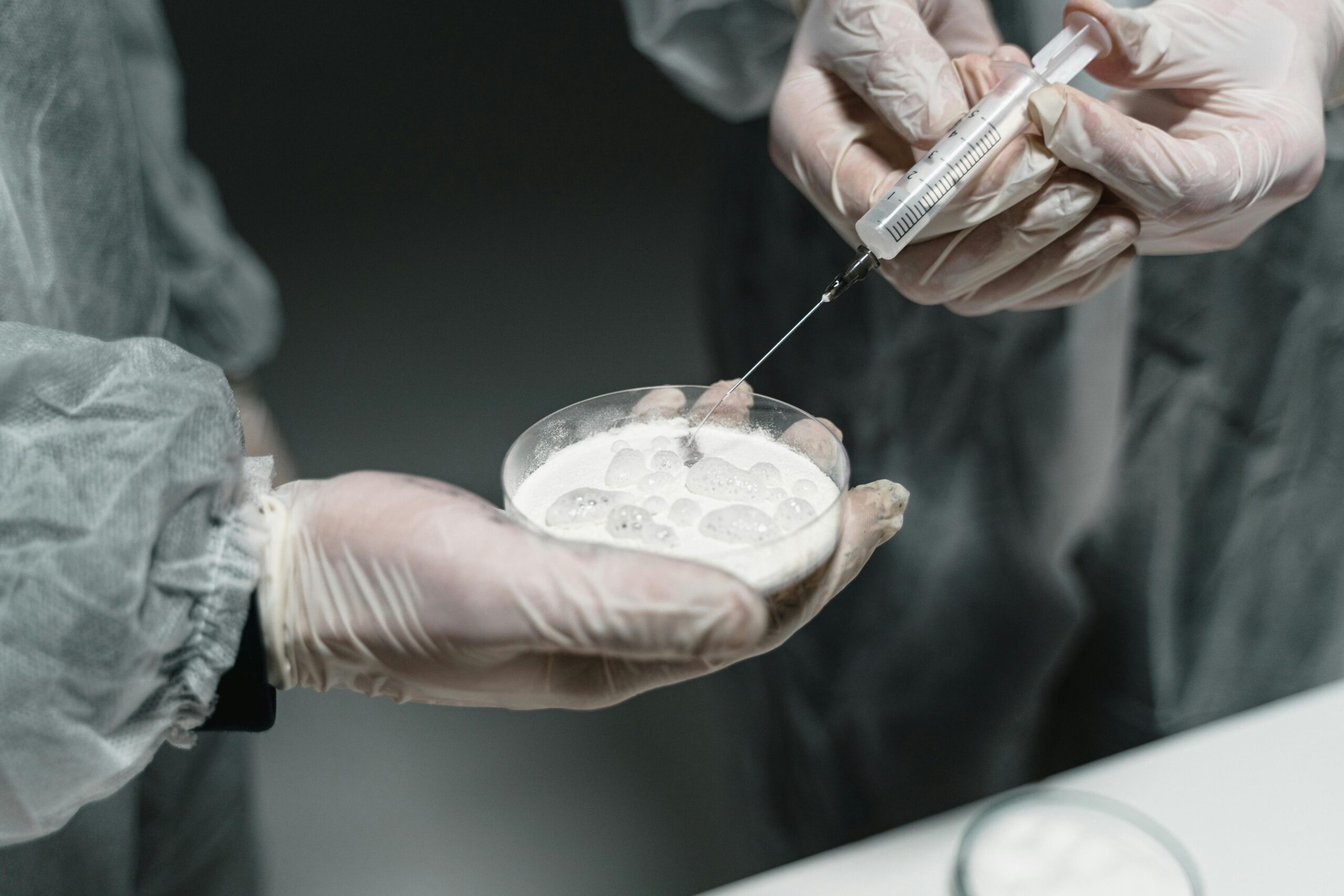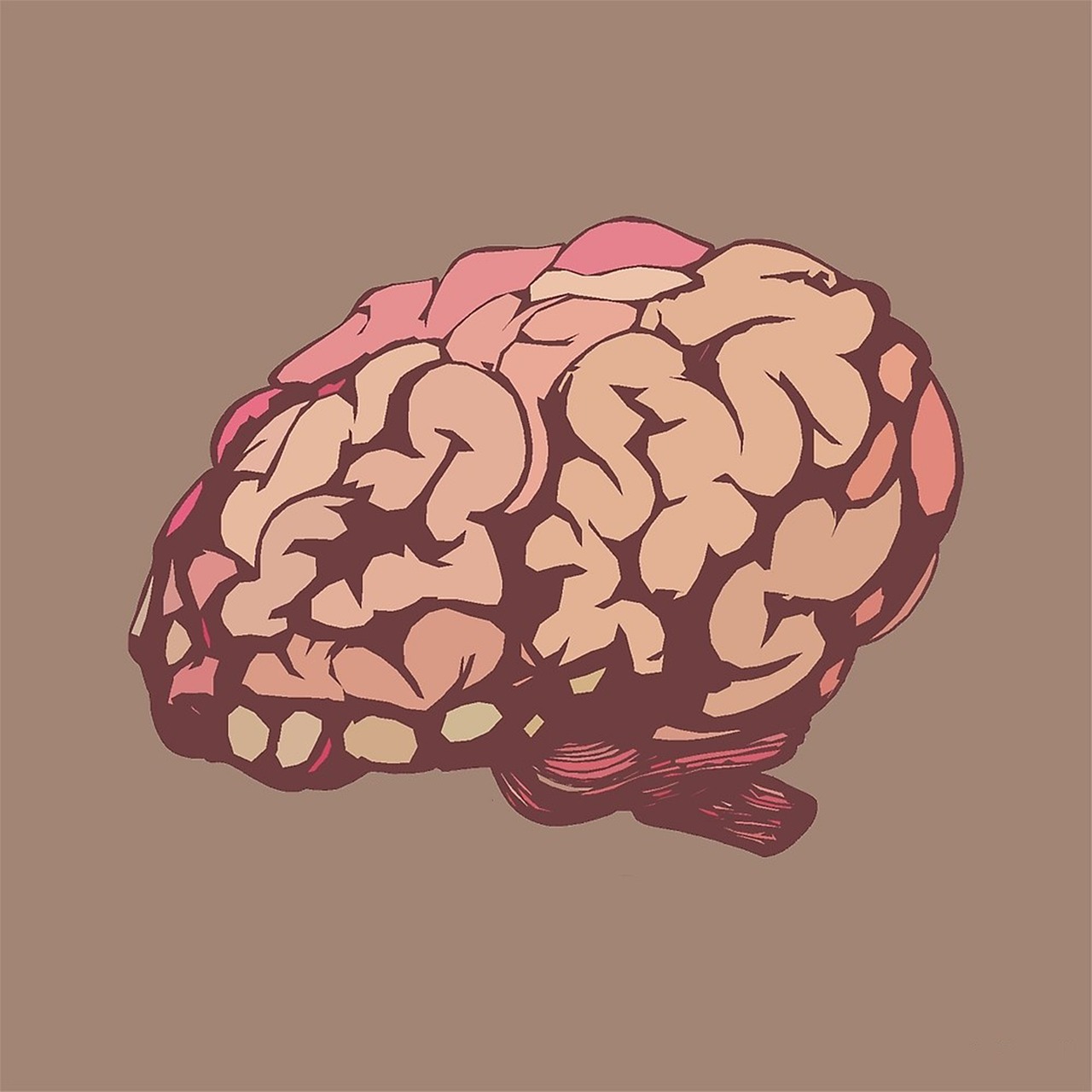
Deep in the Amazon rainforest, indigenous communities have been brewing a powerful plant medicine for centuries, one that modern science is only beginning to understand. Ayahuasca, a psychoactive brew, is now capturing the attention of neuroscientists, psychologists, and researchers worldwide.

This ancient concoction, traditionally used in spiritual ceremonies, is emerging from the shadows of shamanic tradition into the light of scientific scrutiny. What was once dismissed as mere folklore is now being recognized as a potential breakthrough in treating mental health conditions, addiction, and trauma. The convergence of ancient wisdom and modern research is revealing remarkable insights about consciousness, healing, and the human brain.
🌿 What Exactly Is Ayahuasca?
Ayahuasca is a psychoactive tea made from two primary Amazonian plants: the Banisteriopsis caapi vine and leaves from the Psychotria viridis shrub. The name itself comes from Quechua words meaning “vine of the soul” or “vine of the dead,” reflecting its profound spiritual significance among indigenous peoples of South America.
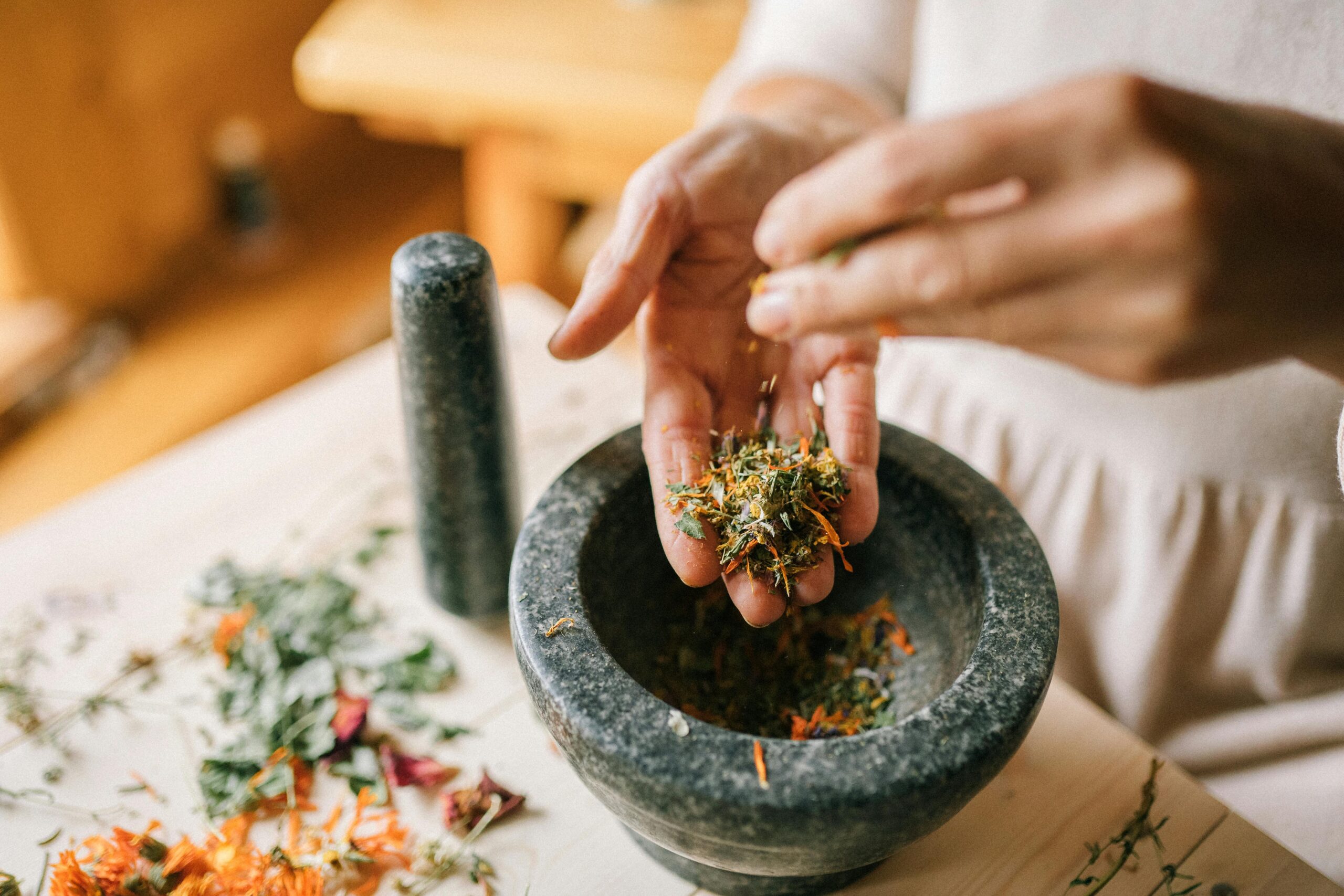
The preparation process is labor-intensive and ritualistic. Shamans, known as ayahuasceros, boil the plants together for hours or even days, creating a thick, bitter brown liquid. The chemical magic happens through a unique combination: Psychotria viridis contains DMT (dimethyltryptamine), a powerful psychedelic compound, while Banisteriopsis caapi contains MAO inhibitors that allow DMT to become orally active.
Without the MAO inhibitors from the vine, the DMT would be broken down by enzymes in the stomach before reaching the brain. This sophisticated pharmacological understanding, developed through generations of indigenous experimentation, demonstrates remarkable botanical knowledge that predates modern chemistry by millennia.
The Neurochemistry Behind the Visions
When consumed, ayahuasca triggers a cascade of neurochemical events that fundamentally alter consciousness. DMT, the primary psychoactive compound, has a molecular structure remarkably similar to serotonin, a neurotransmitter crucial for mood regulation, perception, and cognition.
DMT primarily acts on serotonin receptors, particularly the 5-HT2A receptor, which is distributed throughout the brain’s cortex. This interaction disrupts normal brain network communication, allowing regions that typically don’t communicate to form new connections. Neuroscientists call this phenomenon “increased entropy” in brain activity.
Research using functional MRI and EEG technology has revealed that ayahuasca decreases activity in the default mode network (DMN), a brain system associated with self-referential thinking and ego consciousness. This reduction in DMN activity correlates with the dissolution of ego boundaries that users commonly report, often described as a sense of unity with the universe.
The Role of Neuroplasticity
Recent studies suggest that ayahuasca may promote neuroplasticity, the brain’s ability to form new neural connections. Research published in scientific journals has demonstrated that ayahuasca increases levels of brain-derived neurotrophic factor (BDNF), a protein essential for neuron growth and survival.
This neuroplastic effect might explain why single ayahuasca experiences can lead to lasting changes in behavior, thought patterns, and emotional responses. The brain essentially becomes more malleable, potentially allowing individuals to break free from rigid patterns of thinking associated with depression, anxiety, and addiction.
🔬 What Science Reveals About Therapeutic Potential
The scientific community’s interest in ayahuasca has exploded over the past two decades. Clinical trials and observational studies are beginning to validate what indigenous healers have known for generations: this plant medicine has profound therapeutic properties.
A landmark study conducted by researchers at the Federal University of Rio Grande do Norte in Brazil found that a single ayahuasca session produced rapid antidepressant effects in patients with treatment-resistant depression. The effects were noticeable within hours and persisted for weeks after the ceremony.
Another significant study published in Psychological Medicine examined 29 patients with treatment-resistant depression who received a single dose of ayahuasca. Results showed significant reductions in depression severity that lasted up to seven days, with some participants experiencing benefits for weeks afterward.
Addiction Treatment and Behavioral Change
Perhaps one of the most promising areas of ayahuasca research involves addiction treatment. Studies from institutions like the University of British Columbia and ICEERS (International Center for Ethnobotanical Education, Research, and Service) have documented remarkable success rates in helping individuals overcome dependencies on alcohol, cocaine, and opioids.
The mechanism appears multifaceted. Ayahuasca experiences often involve intense psychological introspection, allowing users to confront trauma and behavioral patterns underlying their addictions. Combined with the neuroplastic effects that help rewire habitual neural pathways, this creates optimal conditions for lasting behavioral change.
Observational research following participants at Brazilian ayahuasca churches found significantly lower rates of substance abuse compared to the general population. Long-term ceremonial participants showed improved mental health scores, better social functioning, and healthier lifestyle choices.
The Psychology of the Ayahuasca Experience
Beyond the neurochemistry, the psychological dimensions of ayahuasca experiences are equally fascinating. Users consistently report several common phenomenological features, regardless of cultural background or expectations.
These typically include vivid visual imagery, emotional catharsis, encounters with what seem like intelligent entities, biographical memory recall, and profound insights about personal life circumstances. Many describe the experience as more real than ordinary reality, with a sense of accessing deeper truths about existence.
Set, Setting, and Integration
Research emphasizes that outcomes depend heavily on “set and setting”—the mindset of the participant and the environmental context. Traditional ceremonies conducted by experienced facilitators in supportive environments tend to produce more beneficial outcomes than unguided experiences.
The integration process following ayahuasca ceremonies is equally crucial. Studies show that participants who engage in integration practices—discussing experiences with therapists, journaling, meditation, or community support—experience more lasting benefits than those who don’t.
This highlights an important distinction between ayahuasca as a therapeutic tool versus recreational psychedelic use. The medicine works best within a framework of intention, preparation, skilled facilitation, and thoughtful integration.
🧠 Ayahuasca and Mental Health Conditions
Research into ayahuasca’s effects on various mental health conditions continues to expand, with promising results across multiple diagnostic categories.
Depression and Anxiety
Multiple studies have documented rapid and sustained antidepressant effects. A 2019 pilot study found that ayahuasca produced antidepressant effects comparable to conventional antidepressants but with faster onset. Brain imaging showed changes in areas associated with mood regulation that persisted days after ingestion.
For anxiety disorders, preliminary research suggests ayahuasca may help by allowing individuals to confront feared thoughts and emotions in a context that feels safe and supported. The temporary ego dissolution can provide perspective on anxious thought patterns, reducing their grip on consciousness.
Post-Traumatic Stress Disorder (PTSD)
Though research is still in early stages, ayahuasca shows promise for PTSD treatment. The medicine appears to help individuals access traumatic memories while maintaining emotional regulation, potentially facilitating processing and integration of difficult experiences.
Veterans groups and trauma specialists are increasingly interested in ayahuasca-assisted therapy, though large-scale clinical trials are still needed. Anecdotal reports from retreat centers specializing in trauma work describe significant symptom reduction and improved quality of life.
Safety Considerations and Contraindications
While ayahuasca research reveals impressive therapeutic potential, it’s not without risks. Understanding contraindications and safety protocols is essential for anyone considering this medicine.
The MAO inhibitors in ayahuasca can interact dangerously with certain medications, particularly SSRIs, antipsychotics, and some stimulants. This interaction can potentially cause serotonin syndrome, a life-threatening condition. Medical screening before participation is absolutely essential.
Individuals with certain psychiatric conditions, particularly schizophrenia or bipolar disorder with psychotic features, should avoid ayahuasca due to risks of triggering psychotic episodes. Family history of these conditions also warrants caution.
Physical Health Considerations
Ayahuasca commonly causes purging—vomiting and sometimes diarrhea—which indigenous traditions view as physical and spiritual cleansing. While generally not dangerous for healthy individuals, those with cardiovascular conditions should exercise caution, as ayahuasca can temporarily increase heart rate and blood pressure.
Pregnant women should avoid ayahuasca, as effects on fetal development are unknown. The intense physical and psychological experience could also pose risks during pregnancy.
🌎 The Global Ayahuasca Movement
Ayahuasca has evolved from a regional Amazonian practice to a global phenomenon. Retreat centers have proliferated across South America, and ayahuasca churches have established themselves internationally, including in North America and Europe.
This globalization raises complex questions about cultural appropriation, commercialization, and preservation of indigenous knowledge. Some indigenous communities welcome the opportunity to share their medicine with the world, while others express concern about exploitation and misrepresentation.
The commodification of ayahuasca tourism has created economic opportunities in regions of Peru, Ecuador, and Colombia, but also challenges. Not all facilitators are adequately trained, and some retreat centers prioritize profit over safety and authenticity.
Legal Status Around the World
The legal landscape for ayahuasca is complex and varies significantly by jurisdiction. In most countries, DMT is a controlled substance, technically making ayahuasca illegal. However, several nations have carved out exceptions for religious or traditional use.
In Brazil, ayahuasca is legal for religious purposes, recognized by the government since 1987. Peru has declared ayahuasca part of its national cultural heritage. In the United States, two churches—the União do Vegetal and Santo Daime—have won legal exemptions for sacramental use.
Some countries, including Italy and Romania, have explicitly banned ayahuasca, while others maintain ambiguous positions. This legal complexity means anyone considering ayahuasca must carefully research regulations in their location.
The Future of Ayahuasca Research
The scientific investigation of ayahuasca is still in relative infancy, with many questions remaining unanswered. Current research directions include larger clinical trials for specific conditions, investigation of long-term effects, optimization of dosing protocols, and understanding individual variability in responses.
Researchers are exploring whether isolated DMT produces similar effects to whole ayahuasca brew, or whether the complex phytochemistry of multiple plant compounds is essential. Early indications suggest the full brew may have unique properties not replicated by synthetic DMT alone.
Advanced neuroimaging techniques are providing unprecedented insights into how ayahuasca alters brain function. Studies using sophisticated brain scanning technologies are mapping the neural correlates of mystical experiences and therapeutic outcomes.
Integration with Conventional Medicine
The most exciting frontier may be integrating ayahuasca into conventional therapeutic frameworks. Some researchers envision ayahuasca-assisted psychotherapy becoming a legitimate treatment option, similar to the progress made with MDMA for PTSD and psilocybin for depression.
This integration requires rigorous clinical trials, standardized protocols, training programs for facilitators, and regulatory frameworks that balance safety with access. Organizations like MAPS (Multidisciplinary Association for Psychedelic Studies) are working toward these goals.
🙏 Bridging Ancient Wisdom and Modern Science
The ayahuasca story represents a profound meeting point between indigenous knowledge systems and Western scientific methodology. For millennia, Amazonian healers developed sophisticated understandings of plant medicine through direct experience and intergenerational transmission.
Modern science is now validating and expanding this knowledge using tools like brain imaging, molecular biology, and clinical psychology. This convergence demonstrates that ancient wisdom and contemporary research aren’t contradictory but complementary approaches to understanding healing and consciousness.
The challenge moving forward is honoring indigenous contributions while making these medicines safely available to those who might benefit. This requires genuine partnership, equitable benefit-sharing, and respect for the cultural contexts from which ayahuasca emerged.
Personal Transformation Beyond the Ceremony
While scientific research focuses on measurable outcomes, many ayahuasca participants describe benefits that transcend conventional metrics. These include enhanced sense of meaning and purpose, improved relationships, greater compassion for self and others, and shifts in values toward authenticity and connection.
These transformations often unfold gradually over months following ceremonies, as insights gained during experiences are tested and integrated into daily life. The medicine seems to catalyze processes of self-examination and growth that continue long after its chemical effects have subsided.
Practitioners emphasize that ayahuasca isn’t a magic cure but rather a catalyst for work that individuals must undertake themselves. The medicine opens doors, but walking through them requires ongoing commitment to personal development and behavioral change.
As research continues to unlock the mysteries of how ayahuasca transforms minds, we’re discovering that this ancient plant medicine may offer invaluable tools for addressing some of modern society’s most pressing mental health challenges. The journey from shamanic ritual to clinical research laboratory represents not just scientific progress, but an opportunity to expand our understanding of consciousness, healing, and human potential.
The future of ayahuasca lies in respectful collaboration between indigenous wisdom keepers, scientific researchers, mental health professionals, and those seeking healing—a truly integrative approach that honors tradition while embracing rigorous investigation.