In our fast-paced modern world, finding moments of stillness has become a rare luxury. Yet within each of us lies an untapped reservoir of tranquility waiting to be discovered.

The ancient practice of meditation offers more than temporary relaxation—it provides a pathway to profound inner transformation. By cultivating meditative consciousness, we can fundamentally reshape how we experience life, respond to challenges, and connect with our authentic selves. This journey toward mindful living isn’t about escaping reality but rather engaging with it more fully, with greater awareness and compassion.
🧘 Understanding Meditative Consciousness: Beyond Simple Relaxation
Meditative consciousness represents a heightened state of awareness that transcends ordinary thinking patterns. Unlike the fragmented attention we typically experience throughout our day, this elevated state allows us to observe our thoughts, emotions, and sensations without becoming entangled in them. It’s the space between stimulus and response, where true freedom resides.
This form of consciousness differs significantly from our default mental mode. While our everyday mind constantly judges, categorizes, and reacts, meditative awareness simply witnesses. Scientists have discovered that this shift activates specific neural pathways, strengthening areas of the brain associated with emotional regulation, empathy, and self-awareness while reducing activity in regions linked to stress and anxiety.
The practice doesn’t require years of monastery living or perfect silence. Rather, it involves consistent training of attention and acceptance. Whether sitting in formal meditation, walking mindfully through nature, or simply bringing full awareness to washing dishes, we can access this transformative state of consciousness.
The Neuroscience Behind Inner Peace 🧠
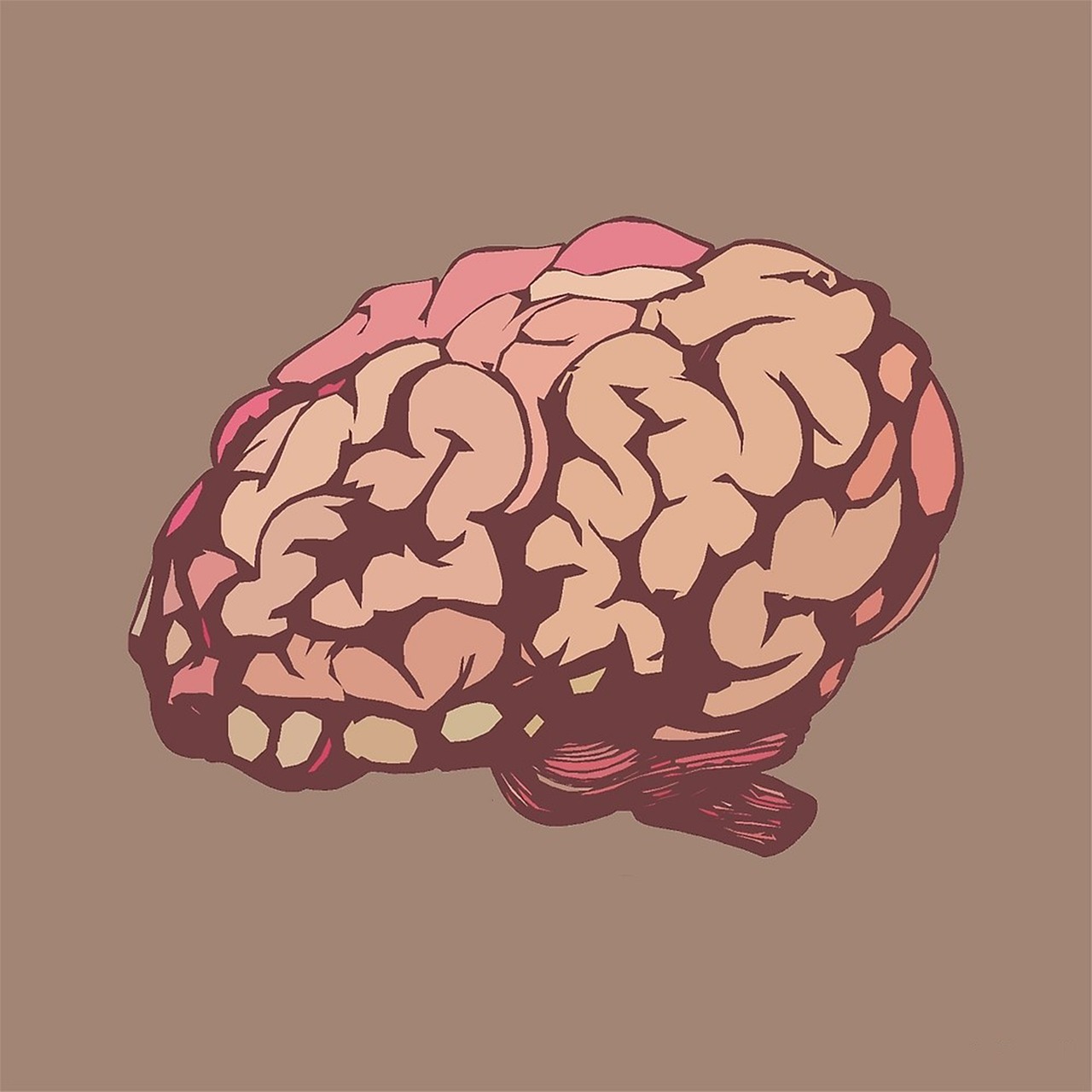
Modern research has validated what contemplative traditions have known for millennia: meditation physically changes the brain. Neuroplasticity—the brain’s ability to reorganize itself—means that regular meditation practice literally rewires neural pathways, creating lasting changes in how we perceive and respond to the world.
Studies using functional MRI scans reveal that meditation increases gray matter density in the hippocampus, crucial for learning and memory, while decreasing it in the amygdala, the brain’s fear center. This biological transformation explains why experienced meditators often display remarkable emotional stability and resilience in the face of life’s challenges.
Key Brain Changes Through Meditation Practice
- Enhanced prefrontal cortex activity, improving decision-making and impulse control
- Increased cortical thickness in areas related to attention and sensory processing
- Reduced activity in the default mode network, quieting mental chatter and rumination
- Strengthened connections between brain regions governing emotional regulation
- Elevated production of GABA, a neurotransmitter promoting calmness and relaxation
- Improved synchronization between brain hemispheres, enhancing cognitive integration
These changes aren’t merely temporary states that disappear when meditation ends. With consistent practice, they become trait-level characteristics, fundamentally altering our baseline experience of consciousness and well-being.
Practical Pathways to Cultivating Meditative Awareness ✨
Beginning a meditation practice can feel overwhelming, but simplicity is key. Start with just five minutes daily, gradually extending duration as comfort grows. The goal isn’t to eliminate thoughts but to change your relationship with them, observing mental activity like clouds passing through sky.
Breath serves as an anchor, always available and intimately connected to our present moment experience. By focusing attention on the sensation of breathing—the cool air entering nostrils, chest rising and falling, the pause between inhalation and exhalation—we create a focal point that stabilizes wandering attention.
Foundational Meditation Techniques for Beginners
Breath awareness meditation forms the cornerstone of most contemplative practices. Find a comfortable seated position, close your eyes, and direct attention to natural breathing rhythms. When mind wanders (which it will, repeatedly), gently return focus to breath without judgment or frustration. This simple returning action strengthens attention muscles.
Body scan meditation cultivates somatic awareness, moving attention systematically through different body regions. Starting from toes and progressing upward, notice sensations without trying to change them. This practice develops the capacity to inhabit your physical form fully, releasing tension stored unconsciously.
Loving-kindness meditation expands compassion toward yourself and others. Begin by generating feelings of warmth toward yourself, silently repeating phrases like “may I be happy, may I be healthy, may I be at peace.” Gradually extend these wishes to loved ones, neutral people, difficult individuals, and eventually all beings.
For those seeking guidance, meditation apps provide structured programs and timer functions. Headspace offers excellent beginner courses with approachable explanations, while Insight Timer provides thousands of free guided meditations for all experience levels.
🌿 Integrating Mindfulness Into Daily Activities
Meditation isn’t confined to cushions or quiet rooms. Mindful living means bringing quality attention to ordinary activities, transforming mundane tasks into opportunities for presence and awakening. This integration bridges formal practice and everyday life, ensuring meditation becomes a way of being rather than something you do.
Eating offers perfect mindfulness practice opportunities. Instead of scrolling through phones or watching television, bring full attention to food’s colors, textures, aromas, and flavors. Notice chewing sensations, taste evolution, and body’s hunger-satiety signals. This simple shift enhances both digestion and satisfaction while naturally moderating consumption.
Creating Mindful Moments Throughout Your Day
Morning routines set the tone for entire days. Instead of immediately reaching for phones, spend the first few waking minutes in silence, perhaps practicing gratitude by mentally noting three things you appreciate. Let this intentional beginning ripple outward, influencing subsequent hours with calm centeredness.
Commuting transforms from frustrating necessity to practice opportunity when approached mindfully. Rather than ruminating about past conversations or rehearsing future scenarios, anchor awareness in present sensations—hands on steering wheel, feet on pedals, scenery passing by, or the rhythm of train movement.
Work tasks benefit enormously from single-pointed attention. Instead of multitasking ineffectively, bring complete focus to one activity at a time. Notice when attention fragments, gently redirecting it without self-criticism. This approach increases both productivity and work satisfaction while reducing stress.
Overcoming Common Meditation Obstacles 💪
Every meditator encounters challenges, and understanding these common hurdles helps normalize the experience while providing strategies for working through them. Restlessness, drowsiness, doubt, and distraction aren’t signs of failure but natural aspects of the practice landscape.
Physical discomfort often disrupts beginning meditators. Rather than forcing yourself into painful positions, experiment with different postures—chairs, benches, cushions, or even lying down. The key is maintaining alert relaxation, spine relatively straight but not rigid, body stable yet comfortable.
Working With the Wandering Mind
Perhaps the most universal complaint: “My mind won’t stop thinking!” This misunderstands meditation’s purpose. The goal isn’t thought elimination but transformed relationship with thinking. Each time you notice mind wandering and return attention to your anchor object, you’re succeeding, not failing. That recognition-and-return motion is the practice.
Some sessions will feel peaceful and focused; others chaotic and fragmented. Both are equally valuable. Difficult meditations often provide the most growth, strengthening mental muscles through persistent effort. Release expectations about how meditation “should” feel, simply showing up consistently regardless of experience quality.
Establishing regular practice times helps overcome motivation fluctuations. Just as you wouldn’t debate whether to brush teeth, meditation becomes non-negotiable self-care when scheduled consistently. Morning often works best, before daily demands accumulate, though any consistent time proves effective.
🌟 The Ripple Effects of Inner Peace
Cultivating meditative consciousness creates positive changes extending far beyond personal experience. As inner peace deepens, relationships naturally improve. With enhanced emotional regulation and expanded empathy, we respond rather than react, listen more fully, and hold space for others’ experiences without immediately imposing our perspectives.
Professional life transforms as stress resilience increases. Challenges that once triggered overwhelm become manageable problems requiring solutions. Creativity flows more freely when mind isn’t clogged with anxiety and rumination. Decision-making improves through clearer thinking uncolored by reactive emotions.
Physical Health Benefits of Sustained Practice
The mind-body connection means meditation’s psychological benefits translate into tangible physical improvements. Regular practice lowers blood pressure, strengthens immune function, reduces chronic pain, improves sleep quality, and may even slow cellular aging by protecting telomeres—protective caps on chromosomes that naturally shorten with stress.
Inflammation markers decrease in long-term meditators, potentially reducing risk for numerous chronic diseases. The parasympathetic nervous system—responsible for rest and restoration—becomes more easily accessible, counterbalancing modern life’s sympathetic overdrive.
Deepening Your Practice Over Time 🚀
As meditation becomes established in your life, consider exploring different techniques and traditions. Vipassana insight meditation emphasizes direct observation of sensory experience, developing wisdom about reality’s impermanent, interconnected nature. Zen practice often incorporates koan contemplation, using paradoxical questions to transcend conceptual thinking.
Retreats offer intensive practice periods ranging from single days to months. Stepping away from ordinary responsibilities into dedicated practice environments accelerates development, revealing layers of consciousness inaccessible in brief daily sessions. Many find retreats provide breakthrough experiences that permanently deepen understanding.
Building a Sustainable Long-Term Practice
Sustainability requires finding balance between discipline and gentleness. Set realistic goals rather than ambitious targets that lead to burnout. Perhaps commit to ten minutes daily rather than hour-long sessions you’ll eventually abandon. Consistency matters more than duration—better brief daily practice than occasional marathon sessions.
Community support significantly enhances commitment. Consider joining local meditation groups, attending classes, or participating in online sanghas. Practicing alongside others provides encouragement, accountability, and opportunities to learn from more experienced practitioners.
Teachers can accelerate progress by offering personalized guidance, answering questions, and helping navigate challenging experiences. While self-directed practice proves valuable, working with qualified instructors prevents common pitfalls and misconceptions that sometimes arise without proper guidance.
Beyond Personal Peace: Meditation’s Collective Impact 🌍
Individual transformation inevitably influences broader society. As more people cultivate inner peace and compassionate awareness, collective consciousness shifts. Research suggests that when even small percentages of populations practice meditation, community-wide effects emerge—reduced crime rates, decreased hospital admissions, and improved social cohesion.
This isn’t mystical thinking but observable phenomenon. When individuals regulate emotions effectively and respond thoughtfully rather than reactively, conflict naturally decreases. Compassion practice expands circles of concern, motivating prosocial behavior and ethical action.
Environmental consciousness deepens through meditation practice. Direct present-moment experience of nature’s beauty and interconnection naturally generates protective concern. Many environmental activists credit meditation with sustaining their efforts without burning out, providing resilience needed for long-term engagement with challenging issues.

Your Journey Toward Mindful Living Begins Now ⏰
The power within you doesn’t require acquisition—it simply needs recognition and cultivation. Meditative consciousness isn’t reserved for monks or mystics but represents every human’s birthright, our natural capacity for presence, peace, and profound well-being.
Begin wherever you are, with whatever time you have. Five conscious breaths create an entry point. Walking mindfully from car to doorway opens the path. Eating one meal with full attention plants seeds that will grow with nurturing.
Challenges will arise—doubt, restlessness, difficulty maintaining consistency. These aren’t obstacles but integral aspects of the journey. Each time you encounter resistance and choose practice anyway, you strengthen inner resilience and deepen commitment to awakening.
The transformation meditation offers unfolds gradually, like flowers opening to sunlight. Some changes appear quickly—reduced stress, improved sleep, enhanced focus. Others emerge slowly—fundamental shifts in how you relate to experience, expanded compassion, recognition of deeper truths about consciousness and existence.
Remember that meditation isn’t about becoming a different person but recognizing who you’ve always been beneath conditioning and reactivity. It’s returning home to yourself, discovering the stillness always present beneath surface turbulence.
Your inner power awaits not in distant future achievement but in this present moment, accessible whenever you choose to pause, breathe, and become aware. The journey of a thousand miles begins with a single conscious breath. Take that breath now. Let it anchor you in the timeless present, where peace resides and mindful living begins.
As you continue exploring meditative consciousness, trust the process even when progress seems invisible. Like water gradually shaping stone, consistent practice reshapes consciousness subtly but profoundly. One day you’ll notice responses arising from deeper wisdom, peace persisting through difficulties, and life lived with fuller presence and authenticity.
The invitation stands always open: unlock the power within, harness meditative consciousness, and embrace the peace and mindful living that represent your truest nature. Begin today, continue tomorrow, and watch as ordinary life transforms into something extraordinary—not through changing external circumstances but by awakening to the richness already present in each sacred moment.