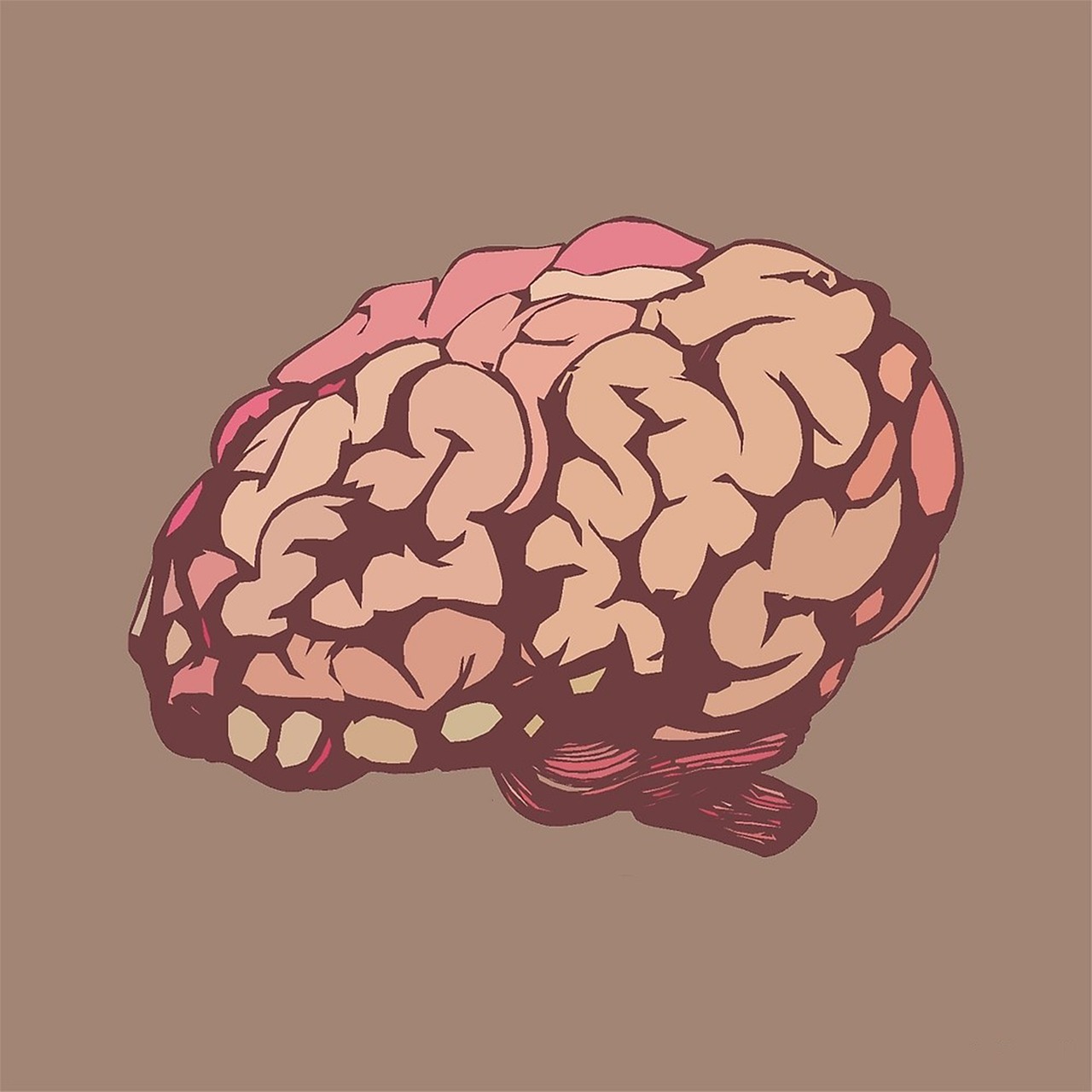
Human consciousness remains one of the most fascinating frontiers of scientific exploration, holding mysteries that challenge our understanding of reality itself.

Throughout history, humans have sought to transcend ordinary perception and unlock deeper dimensions of awareness. From ancient shamanic rituals to modern neuroscience laboratories, the quest to understand altered states of consciousness has driven humanity to explore the vast potential hidden within our minds. This journey into the depths of awareness reveals not only the flexibility of human perception but also the extraordinary capabilities that lie dormant in our everyday experience, waiting to be awakened through various practices and methodologies.
🧠 The Architecture of Consciousness: Understanding Our Mental Landscape
Consciousness operates on multiple levels simultaneously, creating a rich tapestry of experience that shapes every moment of our existence. Neuroscientists have identified various states of awareness, each characterized by distinct brainwave patterns and neurochemical signatures. The default waking state represents just one configuration among countless possibilities available to the human mind.
Our brain functions through synchronized electrical activity across billions of neurons, generating patterns measurable through electroencephalography. Beta waves dominate our alert, focused state, while alpha waves emerge during relaxation. Theta waves characterize deep meditation and light sleep, and delta waves predominate in dreamless slumber. Each pattern corresponds to a unique experiential quality, suggesting consciousness exists on a spectrum rather than as a binary on-off switch.
The prefrontal cortex, often called the executive center of the brain, regulates attention and self-awareness. The default mode network activates during rest and self-referential thinking, while the salience network determines what captures our attention. Understanding these neural systems provides a foundation for exploring how altered states temporarily reconfigure these networks, opening doors to expanded awareness.
Ancient Wisdom Meets Modern Science 🔬
Traditional cultures developed sophisticated techniques for altering consciousness long before modern science could explain their mechanisms. Meditation practices from Eastern traditions, shamanic journeying from indigenous cultures, and contemplative prayer from Western mysticism all share common features: focused attention, controlled breathing, and intentional shifts in awareness.
Contemporary research validates many ancient practices, demonstrating measurable changes in brain structure and function. Neuroplasticity studies reveal that consistent meditation literally reshapes neural pathways, thickening regions associated with attention and emotional regulation while reducing activity in areas linked to anxiety and stress. This convergence of ancient wisdom and cutting-edge neuroscience creates unprecedented opportunities for conscious exploration.
The Meditation Revolution
Meditation represents perhaps the most accessible and thoroughly researched method for inducing altered states of consciousness. Regular practitioners report experiences ranging from profound tranquility to mystical union with existence itself. Scientific studies document reduced cortisol levels, enhanced immune function, and improved cognitive performance among meditators.
Different meditation styles produce distinct effects on consciousness. Focused attention meditation concentrates awareness on a single object, cultivating laser-like mental clarity. Open monitoring meditation observes all experiences without judgment, expanding awareness. Loving-kindness meditation generates positive emotional states while transcendental meditation uses mantras to quiet mental activity. Each approach offers unique pathways to altered awareness.
🌟 Breathwork: The Gateway to Expanded States
Controlled breathing techniques provide powerful tools for shifting consciousness without external substances. Holotropic breathwork, developed by Stanislav Grof, uses accelerated breathing to induce non-ordinary states comparable to psychedelic experiences. The physiological mechanism involves altered blood chemistry, particularly reduced carbon dioxide levels that affect brain function.
Pranayama practices from yoga traditions offer numerous breathing patterns designed to influence energy and awareness. Alternate nostril breathing balances left and right brain hemispheres. Breath retention builds internal pressure that some practitioners describe as awakening dormant energy. Box breathing, used by military special forces, rapidly induces calm alertness under stress.
The Wim Hof Method combines specific breathing patterns with cold exposure and meditation, demonstrating remarkable effects on autonomic nervous system control. Research participants have voluntarily influenced immune responses, challenging assumptions about the limits of conscious control over supposedly automatic bodily functions.
The Psychedelic Renaissance: Chemistry of Consciousness 🍄
After decades of prohibition, psychedelic substances are experiencing renewed scientific interest for their profound effects on consciousness. Compounds like psilocybin, LSD, and DMT temporarily dissolve ordinary boundaries of self, often producing experiences described as among the most meaningful of participants’ lives.
Neuroimaging studies reveal that psychedelics don’t simply activate the brain but rather reduce activity in the default mode network, the neural system maintaining our sense of separate self. This temporary dissolution allows normally segregated brain regions to communicate, creating novel patterns of consciousness characterized by enhanced creativity, emotional openness, and perceived unity with existence.
Clinical Applications and Therapeutic Potential
Major research institutions now investigate psychedelic-assisted therapy for treatment-resistant depression, PTSD, addiction, and end-of-life anxiety. Clinical trials demonstrate remarkably high success rates compared to conventional treatments. The therapeutic mechanism appears to involve both the acute mystical experience and subsequent psychological integration.
Set and setting—mental preparation and environmental context—critically influence psychedelic experiences. Proper guidance, intention-setting, and integration support transform potentially chaotic experiences into meaningful healing journeys. This framework applies broadly to all methods of consciousness exploration.
🎵 Sound, Rhythm, and Altered States
Auditory stimulation powerfully influences consciousness, from shamanic drumming to modern binaural beats. Rhythmic percussion at specific frequencies can entrain brainwaves, synchronizing neural activity to external rhythms. Many traditional cultures discovered that sustained drumming around 4-7 Hz induces theta states associated with trance and visionary experience.
Binaural beats present slightly different frequencies to each ear, creating a perceived third tone equal to the difference. When this phantom frequency matches specific brainwave patterns, neural entrainment can occur. While research remains mixed on efficacy, many users report enhanced focus, relaxation, or meditative depth.
Sound healing practices use singing bowls, gongs, and tuning forks to create immersive acoustic environments. Practitioners describe profound states of consciousness characterized by timelessness, body dissolution, and emotional release. The physical vibrations interact with body tissues while complex overtones stimulate auditory processing centers.
Flow States: The Psychology of Optimal Experience 🌊
Flow represents an altered state of consciousness characterized by complete absorption in challenging activities. Psychologist Mihaly Csikszentmihalyi identified flow as optimal experience where skill perfectly matches challenge, time perception warps, and self-consciousness disappears. Athletes call it “being in the zone.”
During flow, the brain releases performance-enhancing neurochemicals including dopamine, norepinephrine, endorphins, and anandamide. The prefrontal cortex experiences transient hypofrontality—temporary deactivation of regions associated with self-criticism and time perception. This neural signature explains flow’s characteristic effortlessness despite high performance demands.
Cultivating Flow in Daily Life
Flow states aren’t limited to extreme athletes or artistic geniuses. Any activity offering clear goals, immediate feedback, and appropriate challenge can induce flow. The key involves matching task difficulty to skill level—too easy produces boredom, too difficult creates anxiety. Incremental progression keeps activities in the flow channel.
- Eliminate distractions and create dedicated focus time
- Set clear, achievable objectives for each session
- Choose activities intrinsically motivating rather than externally rewarded
- Practice skills to increase competence and confidence
- Embrace challenges slightly beyond current abilities
- Monitor progress through measurable feedback mechanisms
⚡ Technology and Consciousness Exploration
Modern technology offers novel approaches to consciousness exploration. Neurofeedback trains users to voluntarily control brainwave patterns by providing real-time EEG data. With practice, individuals learn to generate specific states on demand, from deep relaxation to focused alertness.
Virtual reality creates immersive environments for consciousness exploration, from guided meditations in fantastical landscapes to therapeutic exposure scenarios. The sensory richness of VR can facilitate dissociation from ordinary reality, potentially inducing altered states through technological means.
Transcranial magnetic stimulation and transcranial direct current stimulation apply electromagnetic fields or weak electrical currents to specific brain regions, temporarily modulating neural activity. While primarily research tools, these technologies hint at future possibilities for precisely inducing specific states of consciousness.
🌙 Sleep, Dreams, and Lucid Awareness
Sleep represents the altered state we experience daily, yet its consciousness-expanding potential remains largely untapped. Dreams provide natural laboratories for exploring non-ordinary awareness, where physical laws dissolve and imagination manifests as perceived reality.
Lucid dreaming—maintaining awareness while dreaming—offers remarkable opportunities for consciousness exploration. Lucid dreamers can consciously navigate dream environments, conduct experiments, practice skills, or explore the nature of reality itself. Research confirms that lucid dreaming is a learnable skill rather than rare talent.
Techniques for Lucid Dream Induction
Reality testing involves regularly questioning whether one is dreaming throughout the day, establishing a habit that continues into sleep. The MILD technique (Mnemonic Induction of Lucid Dreams) uses intention-setting before sleep. WILD (Wake-Initiated Lucid Dreams) maintains awareness during the transition from waking to sleeping. Each method works differently for different individuals.
Dream journals amplify dream recall and awareness. Writing dreams immediately upon waking strengthens the neural pathways connecting conscious and dreaming states. Patterns emerge over time, revealing personal dream signs that signal the dreaming state.
The Neuroscience of Peak Experiences 🏔️
Peak experiences—moments of transcendent awareness and profound meaning—represent the upper limits of human consciousness. Abraham Maslow identified these self-actualized states as characterized by unity, timelessness, wonder, and lasting positive effects. Neuroscience now illuminates their biological basis.
Mystical experiences across cultures share common features: ego dissolution, perceived unity with existence, noetic quality (conviction of encountering ultimate reality), transiency, and ineffability. Brain imaging during such experiences shows reduced activity in self-referential networks while areas associated with emotional processing and memory show heightened activation.
| Consciousness State | Primary Brainwaves | Characteristics |
|---|---|---|
| Normal Waking | Beta (13-30 Hz) | Alert, focused, analytical thinking |
| Relaxed Awareness | Alpha (8-12 Hz) | Calm, creative, meditative |
| Deep Meditation | Theta (4-7 Hz) | Intuitive, dreamlike, transcendent |
| Dreamless Sleep | Delta (0.5-3 Hz) | Unconscious, restorative |
| Peak Performance | Gamma (30+ Hz) | Heightened perception, insight |
🧘 Integrating Expanded Awareness into Daily Life
The true value of altered states lies not in extraordinary experiences themselves but in how they transform ordinary life. Integration—the process of incorporating insights and perspectives from non-ordinary states into daily functioning—determines whether consciousness exploration produces lasting benefits or remains merely recreational.
Journaling immediately after profound experiences captures ephemeral insights before they fade. Discussing experiences with understanding friends or guides provides external perspective and emotional processing. Creative expression through art, music, or movement translates wordless knowing into tangible form.
Behavioral changes rooted in expanded awareness might include enhanced empathy, reduced materialism, greater environmental concern, or deepened appreciation for existence. These shifts reflect genuine transformation rather than temporary high states. Integration requires time, patience, and conscious effort.
⚠️ Navigating Challenges and Ensuring Safety
Consciousness exploration isn’t without risks. Overwhelming experiences can trigger psychological distress, particularly in individuals with trauma history or mental health vulnerabilities. Proper preparation, appropriate settings, and integration support minimize risks while maximizing benefits.
Some individuals experience lasting positive changes from single profound experiences, while others struggle with difficult material surfacing from the unconscious. Professional guidance from therapists trained in transpersonal psychology provides crucial support for challenging integrations.
Physical safety considerations vary by method. Breathwork can cause temporary dizziness or tingling. Meditation retreats occasionally precipitate psychological crises requiring professional intervention. Psychedelic substances carry specific risks requiring careful screening and supervision. Understanding these factors enables informed, responsible exploration.
🌍 Collective Consciousness and Social Transformation
Individual consciousness transformation ripples outward, potentially influencing collective awareness. Studies of Transcendental Meditation groups suggest measurable effects on crime rates and social harmony in surrounding communities, though research remains controversial. Nonetheless, the principle that individual change affects collective consciousness resonates across wisdom traditions.
The current renaissance in consciousness studies reflects growing recognition that expanding awareness may address global challenges. Climate change, social inequality, and political polarization arguably stem from limited consciousness constrained by narrow self-interest. Expanded awareness characterized by interconnection and compassion could fundamentally shift collective behavior.
💡 The Democratization of Consciousness Exploration
Unlike previous eras when consciousness techniques remained guarded secrets, modern accessibility enables unprecedented numbers to explore expanded awareness. Meditation apps, online courses, psychedelic therapy clinics, and global communities share knowledge once restricted to monasteries and indigenous traditions.
This democratization carries both promise and peril. Wider access allows more people to benefit from consciousness expansion, potentially accelerating collective evolution. However, commercialization risks reducing profound practices to superficial wellness trends, while inadequate guidance may expose unprepared individuals to challenging experiences.

Charting Your Personal Journey into Expanded Awareness 🗺️
Beginning consciousness exploration requires clarity about motivations and intentions. Are you seeking healing, personal growth, spiritual connection, or simply curiosity? Different goals suggest different approaches. Healing-oriented work might emphasize therapeutic contexts, while spiritual seekers might prioritize mystical traditions.
Starting with accessible, low-risk practices like meditation or breathwork builds foundational skills before exploring more intense modalities. Establishing consistent practice develops the mental flexibility and emotional stability that support deeper exploration. Community connection provides encouragement, shared learning, and collective wisdom.
Patience proves essential. Consciousness transformation unfolds gradually through sustained practice rather than instant enlightenment. Each meditation session, breathwork practice, or contemplative walk contributes to cumulative shifts in awareness. The journey itself becomes the destination as expanded consciousness increasingly permeates everyday experience.
The exploration of altered states and expanded consciousness represents humanity’s perennial quest to understand our own nature and potential. Modern science validates what mystics and philosophers have long claimed: ordinary waking consciousness represents merely one possibility among infinite configurations of awareness. By systematically exploring these possibilities through meditation, breathwork, psychedelics, technology, and other modalities, we unlock capabilities that seemed impossible from limited perspectives. This journey inward simultaneously expands outward, potentially transforming not only individual lives but collective human consciousness itself. As we stand at the threshold of unprecedented understanding about the mind’s potential, the invitation remains constant across cultures and centuries—to wake up, look deeper, and discover the boundless awareness that has always been our birthright.