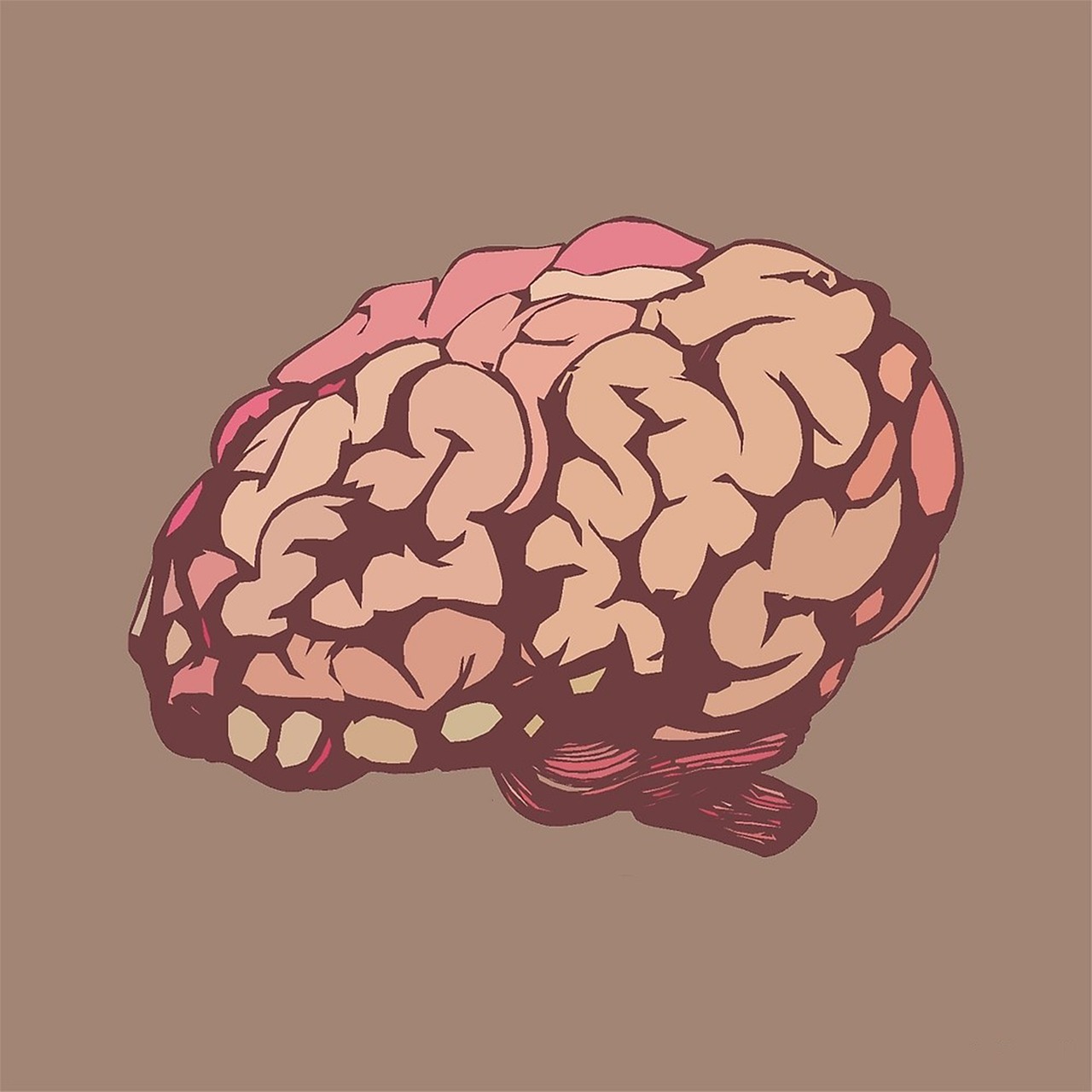
The human brain contains approximately 86 billion neurons, each forming thousands of connections with other neurons. This intricate web of neural pathways creates what scientists call the connectome—a comprehensive map of all neural connections that defines how we think, feel, and experience reality.

Understanding this biological network represents one of the greatest scientific challenges of our time. The connectome holds the key to unlocking mysteries about consciousness, intelligence, mental health disorders, and the very essence of what makes us human. As neuroscience advances, researchers are developing revolutionary technologies to map these connections with unprecedented precision, opening doors to possibilities that once existed only in science fiction.
🧠 What Exactly Is the Connectome?
The connectome represents the complete wiring diagram of the brain’s neural network. Just as the genome maps all genes in an organism, the connectome maps all neural connections. This concept, first introduced in 2005, has transformed how neuroscientists approach understanding brain function and dysfunction.
Every thought, memory, and behavior emerges from patterns of activity flowing through these neural highways. The connectome isn’t static—it continuously reorganizes itself through neuroplasticity, adapting to experiences, learning, and environmental changes. This dynamic nature makes mapping the connectome both incredibly challenging and scientifically fascinating.
Scientists distinguish between different levels of connectome mapping. The microscale connectome examines individual synaptic connections between neurons. The mesoscale focuses on connections between local neural circuits. The macroscale connectome maps connections between different brain regions, revealing how distant areas coordinate to produce complex cognitive functions.
The Revolutionary Technology Behind Connectome Mapping
Mapping the human connectome requires cutting-edge technology that pushes the boundaries of what’s scientifically possible. Diffusion MRI tractography tracks water molecules moving along neural pathways, revealing the brain’s white matter connections. This non-invasive technique allows researchers to visualize major neural highways connecting different brain regions in living humans.
Electron microscopy provides even greater detail at the microscopic level. By slicing brain tissue into incredibly thin sections and imaging each slice, scientists can reconstruct three-dimensional neural networks with synaptic precision. The downside? This process generates massive amounts of data—a single cubic millimeter of brain tissue can produce over a petabyte of information.
Advanced Imaging Techniques Transforming Brain Research
Functional MRI reveals which brain regions activate together during specific tasks, showing functional connectivity patterns. When combined with structural mapping techniques, researchers gain unprecedented insight into how brain structure supports function. This multimodal approach reveals not just where connections exist, but how they work together dynamically.
Optogenetics allows scientists to control specific neurons using light, enabling them to test hypotheses about how particular connections contribute to behavior. Meanwhile, two-photon microscopy lets researchers watch neural activity in real-time in living animals, observing how information flows through neural circuits as behavior unfolds.
🔬 The C. elegans Success Story: A Connectome Blueprint
The roundworm C. elegans holds a special place in connectome history as the first organism to have its nervous system completely mapped. With just 302 neurons and approximately 7,000 synaptic connections, this tiny worm’s connectome was fully documented in 1986 after more than a decade of painstaking work.
This achievement demonstrated that complete connectome mapping was possible, but also revealed how complex the task becomes with larger nervous systems. The human brain contains roughly 285,000 times more neurons than C. elegans, with trillions of synaptic connections creating exponentially greater complexity.
Despite its simplicity, the C. elegans connectome continues yielding insights. Researchers use it to study how neural circuits generate behavior, how nervous systems develop, and how connectivity patterns change with aging. Lessons learned from this organism inform strategies for tackling more complex brains.
The Human Connectome Project: Ambitious Goals and Achievements
Launched in 2009, the Human Connectome Project represented an ambitious effort to map neural connections in the human brain. Funded with $40 million from the National Institutes of Health, this initiative brought together leading neuroscientists, engineers, and computer scientists to develop new mapping technologies and create publicly available brain connectivity data.
The project scanned over 1,200 healthy adults using advanced MRI techniques, producing detailed maps of structural and functional connectivity. This unprecedented dataset revealed how connection patterns vary across individuals and relate to cognitive abilities, personality traits, and genetic factors.
Groundbreaking Discoveries From Connectome Research
Researchers discovered that brain networks organize into distinct communities—groups of regions that communicate densely with each other but have fewer connections to other communities. These network modules correspond to different cognitive systems like attention, memory, and sensory processing.
The data revealed significant individual differences in connectivity patterns. Some people have stronger connections between language regions, while others show more robust links between visual processing areas. These variations correlate with differences in cognitive strengths, suggesting that connectivity patterns partially determine our unique mental abilities.
Scientists also identified “hub” regions—highly connected areas that serve as major information crossroads. These hubs play critical roles in integrating information across different brain systems. Interestingly, many psychiatric and neurological disorders involve dysfunction in these hub regions, highlighting their importance for healthy brain function.
⚡ How Connectome Theory Explains Intelligence and Consciousness
Intelligence emerges not from individual neurons but from how neurons connect and communicate. Connectome theory proposes that cognitive abilities depend on the efficiency and flexibility of neural network organization. People with more efficient network architectures—shorter paths between regions, better-connected hubs—tend to perform better on intelligence tests.
The theory distinguishes between fluid intelligence and crystallized intelligence based on connectivity patterns. Fluid intelligence—the ability to solve novel problems—relates to flexible reconfiguration of brain networks. Crystallized intelligence—accumulated knowledge—depends on stable, well-established connection patterns strengthened through experience.
Consciousness itself may emerge from particular patterns of connectivity. The “global workspace” theory suggests consciousness arises when information becomes widely broadcast across brain networks through highly connected hub regions. The connectome provides the infrastructure for this information sharing, with consciousness emerging from dynamic patterns flowing through the network.
Neuroplasticity: The Ever-Changing Connectome
Your connectome isn’t fixed at birth—it constantly reorganizes through neuroplasticity. Learning strengthens frequently used connections while rarely used pathways weaken. This “use it or lose it” principle explains how practice improves skills and how lack of stimulation leads to cognitive decline.
Experience shapes connectivity throughout life. London taxi drivers, famous for navigating complex city streets, show enlarged hippocampal regions with enhanced connectivity related to spatial memory. Musicians display strengthened connections between motor and auditory areas. Even short-term learning produces measurable connectivity changes.
Harnessing Neuroplasticity for Cognitive Enhancement
Understanding neuroplasticity opens possibilities for deliberately reshaping our connectomes. Cognitive training programs aim to strengthen specific neural pathways, potentially enhancing memory, attention, or other abilities. While results vary, evidence suggests targeted practice can produce lasting connectivity changes that improve cognitive performance.
Physical exercise promotes neuroplasticity by increasing blood flow and stimulating growth factors that support new connections. Aerobic exercise particularly benefits the hippocampus, improving memory and potentially reducing dementia risk. The connectome literally changes shape in response to physical activity.
Sleep plays a crucial role in connectome maintenance. During sleep, the brain consolidates memories by strengthening important connections and pruning unnecessary ones. Chronic sleep deprivation disrupts this process, leading to inefficient network organization that impairs cognitive function.
🏥 Clinical Applications: Connectome-Based Medicine
Many neurological and psychiatric disorders involve disrupted connectivity rather than localized brain damage. Depression, schizophrenia, autism, and Alzheimer’s disease all show characteristic connectome abnormalities. Understanding these connectivity signatures enables better diagnosis and treatment targeting.
Connectome-based biomarkers could revolutionize mental health diagnosis. Rather than relying solely on symptom reports, clinicians could use brain connectivity patterns to objectively identify conditions, predict treatment response, and monitor recovery. Early research shows connectivity patterns can distinguish between depression subtypes that respond to different treatments.
Targeted Interventions Based on Connectivity Patterns
Transcranial magnetic stimulation (TMS) uses magnetic fields to modulate brain activity in targeted regions. By mapping a patient’s connectome, doctors can identify optimal stimulation sites to influence dysfunctional networks. This personalized approach improves treatment outcomes for depression and other conditions.
Neurofeedback training allows people to voluntarily modify their brain activity patterns. Real-time brain imaging shows patients their current connectivity state, teaching them to shift toward healthier patterns. This technique shows promise for treating ADHD, anxiety, and chronic pain.
Surgical planning for brain tumors and epilepsy increasingly relies on connectome mapping. Surgeons use connectivity data to plan approaches that remove pathological tissue while preserving critical neural pathways, reducing risk of post-surgical cognitive impairments.
Artificial Intelligence Meets the Connectome
The intersection of connectome science and artificial intelligence creates exciting opportunities. Machine learning algorithms can identify connectivity patterns too complex for human analysis, discovering subtle biomarkers and predicting clinical outcomes from brain scans. AI accelerates connectome analysis from months to hours.
Artificial neural networks—the foundation of modern AI—were originally inspired by biological brain networks. As connectome mapping advances, neuroscientists gain detailed blueprints of actual brain architectures. These insights inspire more sophisticated AI designs that better mimic human intelligence.
Brain-Inspired Computing Architectures
Neuromorphic computing attempts to recreate brain-like processing in hardware. Rather than traditional serial processing, neuromorphic chips use massively parallel architectures mimicking neural networks. Understanding real brain connectivity patterns guides development of more efficient, powerful neuromorphic systems.
The brain processes information with remarkable energy efficiency compared to conventional computers. A complete connectome map could reveal organizational principles that enable this efficiency, potentially transforming computer design and enabling more sustainable artificial intelligence systems.
🚀 The Future: Whole-Brain Connectomics and Beyond
Current human connectome maps remain incomplete, capturing only large-scale connectivity patterns. The ultimate goal—mapping every synaptic connection in a complete human brain—remains years or decades away. This would require imaging technology thousands of times more powerful than today’s systems and computational infrastructure to handle exabyte-scale datasets.
Researchers are pursuing intermediate milestones. The Brain Research through Advancing Innovative Neurotechnologies (BRAIN) Initiative aims to map complete connectomes of small mammal brains within the coming decade. Success would demonstrate feasibility of scaling to human brains while providing valuable comparative data.
Ethical Considerations in Connectome Research
A complete connectome might reveal not just cognitive abilities but personality traits, memories, and mental states. This raises profound privacy concerns. Should connectome data receive special protection? Could someone’s connectome be “read” without consent? These questions require careful ethical consideration as technology advances.
The possibility of connectome manipulation presents both opportunities and risks. Technologies that beneficially reshape neural networks for therapeutic purposes could potentially be misused for unauthorized cognitive modification. Society must develop frameworks for ethically governing these powerful capabilities.
🌟 Practical Implications for Everyday Life
Even without complete connectome maps, current research offers practical insights. Understanding that intelligence reflects network organization rather than fixed ability suggests everyone can enhance cognitive performance through lifestyle choices that optimize connectivity. Regular exercise, quality sleep, continuous learning, and social engagement all strengthen beneficial neural networks.
Educational approaches informed by connectome principles emphasize distributed practice over cramming. Spacing learning over time allows connectivity changes to consolidate, producing more durable knowledge. Varied practice contexts create flexible neural representations that transfer better to new situations.
Mental health maintenance benefits from recognizing that emotional patterns reflect connectivity. Practices like meditation, cognitive behavioral therapy, and mindfulness work partly by reshaping neural networks underlying emotional regulation. Consistent practice produces lasting connectivity changes that reduce anxiety and depression risk.
The Collaborative Nature of Connectome Science
Mapping the human connectome requires unprecedented scientific collaboration. No single lab possesses necessary expertise and resources. International consortia pool data, share methods, and coordinate efforts. The open science movement ensures connectome datasets remain publicly available, accelerating discovery.
Citizen science initiatives engage non-scientists in connectome research. Projects like EyeWire gamify the process of tracing neural connections, recruiting thousands of volunteers who collectively accomplish analysis tasks that would take professional researchers decades. This democratization of neuroscience accelerates progress while engaging public interest.

🔮 Transformative Potential on the Horizon
Complete connectome mapping could transform humanity’s self-understanding as profoundly as genome sequencing did. It would provide a blueprint for human consciousness, potentially answering age-old questions about the mind-body relationship, free will, and personal identity. The implications extend beyond science into philosophy, psychology, and spirituality.
Medical applications could revolutionize treatment of neurological and psychiatric conditions. Precision medicine based on individual connectomes might cure currently intractable disorders by precisely targeting dysfunctional networks. Brain-computer interfaces informed by connectome principles could restore function after injury or enhance human capabilities.
The quest to understand our brain’s network continues accelerating. Each technological advance brings us closer to unraveling the magnificent complexity that generates human experience. While complete understanding remains distant, the journey itself yields transformative insights—revealing not just how our brains work, but illuminating the very nature of intelligence, consciousness, and what it means to be human. The connectome represents both a scientific frontier and a mirror reflecting our deepest questions about ourselves back at us with unprecedented clarity.