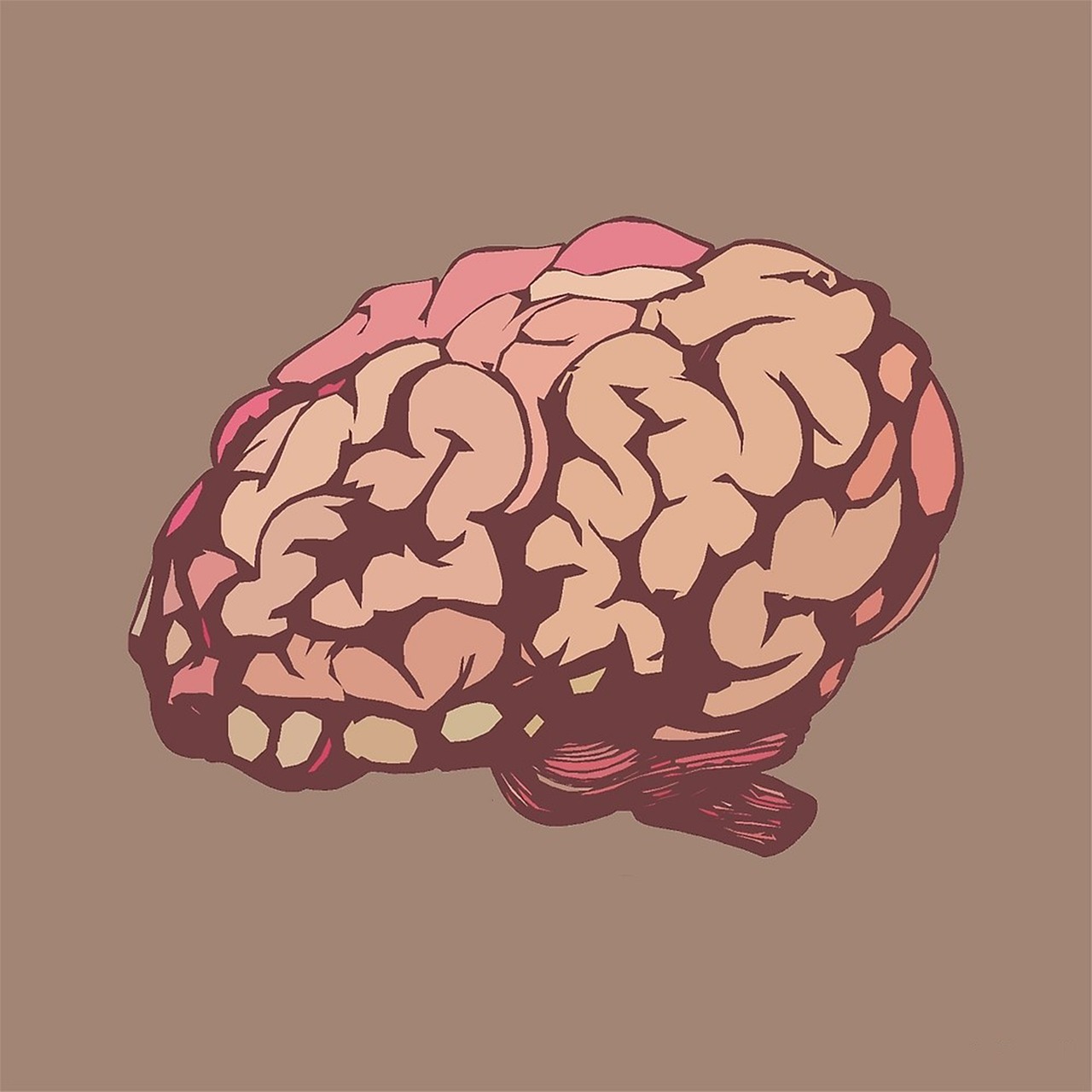
The human brain remains one of the most fascinating frontiers of scientific exploration, a three-pound universe where thoughts emerge, emotions cascade, and identity takes shape.

Every second, billions of neurons communicate across intricate networks, creating the seamless experience we call consciousness. Understanding these neural pathways offers profound insights into what makes us fundamentally human—our capacity to think abstractly, feel deeply, and maintain a coherent sense of self across time. The intersection of neuroscience, psychology, and philosophy continues to reveal how electrical impulses and chemical signals translate into the richness of human experience.
🧠 The Architecture of Thought: How Neural Networks Process Information
Neural pathways function as the brain’s information superhighways, transmitting signals at speeds reaching 268 miles per hour. These pathways consist of interconnected neurons that form complex networks, each responsible for different cognitive functions. When we engage in thinking, whether solving mathematical problems or daydreaming about vacation plans, specific neural circuits activate in coordinated patterns.
The prefrontal cortex serves as the executive control center, orchestrating complex cognitive behaviors, decision-making, and moderating social behavior. This region works in concert with other brain areas, including the parietal lobe for spatial reasoning and the temporal lobe for language processing. Together, these regions create what neuroscientists call the “default mode network”—active when we’re not focused on the external world but engaged in internal thought processes.
Synaptic plasticity represents the brain’s remarkable ability to reorganize itself by forming new neural connections throughout life. This neuroplasticity underlies learning, memory formation, and recovery from brain injuries. Each time we learn something new, practice a skill, or form a memory, we’re literally reshaping our neural architecture, strengthening certain pathways while pruning others that fall into disuse.
The Chemical Messengers Behind Cognitive Function
Neurotransmitters serve as the brain’s chemical vocabulary, with each type conveying specific messages between neurons. Dopamine influences motivation, reward processing, and motor control. Serotonin regulates mood, appetite, and sleep cycles. Acetylcholine facilitates learning and memory consolidation. These chemical messengers don’t work in isolation but interact in complex ways that researchers continue to unravel.
The balance of neurotransmitters profoundly affects cognitive performance and mental well-being. Disruptions in these delicate chemical systems contribute to conditions like depression, anxiety disorders, and schizophrenia. Modern pharmacological interventions often target specific neurotransmitter systems, though our understanding of these intricate biochemical networks remains incomplete.
💭 The Emotional Brain: Where Feelings Take Physical Form
Emotions aren’t abstract concepts floating through consciousness—they’re physical processes rooted in specific brain structures. The limbic system, particularly the amygdala, hippocampus, and hypothalamus, forms the emotional core of the brain. These structures evolved long before the rational prefrontal cortex, explaining why emotions often feel more immediate and compelling than logical reasoning.
The amygdala acts as the brain’s threat detection system, scanning the environment for potential dangers and triggering fear responses before conscious awareness catches up. This ancient survival mechanism explains why we might jump at a shadow before recognizing it’s harmless. The hippocampus, situated nearby, encodes emotional experiences into long-term memories, which is why emotionally charged events tend to be remembered more vividly than mundane occurrences.
The Mind-Body Connection in Emotional Experience
Emotions manifest as both mental experiences and physical sensations through the autonomic nervous system. When experiencing fear, the sympathetic nervous system activates, increasing heart rate, dilating pupils, and redirecting blood flow to major muscle groups—the classic “fight or flight” response. Conversely, feelings of safety and contentment engage the parasympathetic nervous system, promoting relaxation and digestive functions.
Recent research reveals that emotional processing isn’t confined to the brain. The gut contains approximately 100 million neurons—more than the spinal cord—forming what scientists call the “enteric nervous system.” This gut-brain axis communicates bidirectionally, explaining why digestive issues often accompany anxiety and why gut health can influence mood and mental clarity.
🎭 Constructing the Self: The Neuroscience of Identity
Identity represents perhaps the most enigmatic aspect of consciousness—the persistent sense that there’s a continuous “you” experiencing life despite constant physical and mental changes. This sense of self emerges from distributed neural networks rather than any single brain region, making it a fascinating subject of neuroscientific investigation.
The medial prefrontal cortex shows heightened activity during self-referential thinking—when we contemplate our own characteristics, values, and experiences. This region helps distinguish self from others, though the boundaries prove more porous than we might assume. Mirror neurons, discovered in the 1990s, fire both when we perform actions and when we observe others performing those same actions, creating a neural basis for empathy and social learning.
Memory as the Foundation of Personal Narrative
Our identity relies heavily on autobiographical memory—the collection of personal experiences that form our life story. The hippocampus and surrounding medial temporal lobe structures prove crucial for encoding these memories, while the prefrontal cortex helps retrieve and organize them into coherent narratives.
Interestingly, memories aren’t static recordings but reconstructive processes. Each time we recall an event, we’re essentially recreating it, which introduces opportunities for modification and distortion. This malleability explains why eyewitness testimony can be unreliable and why our memories of the past sometimes reflect current beliefs more than historical accuracy.
Cases of amnesia provide striking insights into identity’s dependence on memory. Patients with severe retrograde amnesia lose access to their personal past while maintaining general knowledge and skills. They remember how to speak, read, and perform complex tasks but can’t recall who they are or the experiences that shaped them. This dissociation reveals that identity comprises multiple components supported by different neural systems.
⚡ Consciousness: The Ultimate Puzzle
How does subjective experience arise from objective physical processes? This “hard problem of consciousness” remains deeply challenging despite neuroscience’s remarkable advances. We can map which brain regions activate during conscious experiences, but explaining why those neural firing patterns feel like something from the inside remains elusive.
Several competing theories attempt to explain consciousness. Integrated Information Theory proposes that consciousness arises from information integration across brain networks, with the quality and quantity of consciousness corresponding to the system’s ability to integrate information. Global Workspace Theory suggests that consciousness emerges when information becomes globally available to multiple cognitive systems, like a stage where various mental processes access centrally broadcast information.
Altered States and the Flexibility of Consciousness
Studying altered states of consciousness—through meditation, psychedelics, or sleep—reveals how flexible our normal waking awareness actually is. During deep meditation, experienced practitioners show decreased activity in the default mode network, correlating with reports of reduced self-awareness and feelings of unity with their surroundings.
Sleep cycles demonstrate consciousness operating across different modes. During REM sleep, brain activity resembles waking patterns in many ways, yet we’re largely disconnected from external reality and experience vivid, often bizarre mental imagery. Non-REM sleep shows different patterns, with slow, synchronized neural oscillations that appear crucial for memory consolidation and cellular restoration.
🔬 Mapping the Connectome: The Brain’s Wiring Diagram
The Human Connectome Project represents an ambitious effort to map all neural connections in the human brain. This comprehensive wiring diagram could revolutionize our understanding of how brain structure relates to function, mental health, and individual differences in cognition and personality.
Advanced neuroimaging techniques like diffusion tensor imaging allow researchers to trace white matter tracts—the bundles of axons connecting different brain regions. These structural connections constrain and enable the functional networks that support thinking, feeling, and maintaining identity. Variations in connectome architecture correlate with cognitive abilities, psychiatric conditions, and even personality traits.
Individual Differences in Neural Organization
No two brains are identical. Genetic factors, developmental experiences, learning, and environmental influences all shape neural architecture in unique ways. This individuality extends from gross anatomical differences visible to the naked eye down to the microscopic level of synaptic connections.
These structural variations contribute to the remarkable diversity in human cognitive styles, emotional tendencies, and behavioral patterns. Some people naturally excel at spatial reasoning while others demonstrate superior verbal abilities. Some individuals process emotions intensely while others maintain emotional equilibrium more easily. Understanding these neural differences doesn’t reduce human uniqueness to biological determinism but rather illuminates the physical substrates supporting our psychological diversity.
🌟 Neuroplasticity: The Brain’s Lifelong Capacity for Change
The discovery that adult brains retain significant plasticity revolutionized neuroscience. Previously, scientists believed that neural circuits became fixed after critical developmental periods, making adult brains essentially hardwired. We now know that experience continues shaping neural architecture throughout life, though plasticity does decline with age.
Learning new skills demonstrates neuroplasticity in action. London taxi drivers, who must memorize the city’s complex street layout, show enlarged hippocampi compared to control subjects. Musicians who practice extensively develop enhanced auditory cortex regions and strengthened connections between motor and auditory areas. These structural changes reflect the brain’s adaptation to cognitive demands.
Rehabilitation following brain injury leverages neuroplasticity. Stroke patients can recover lost functions as undamaged brain regions assume responsibilities previously handled by injured areas. This recovery requires intensive, repetitive practice that promotes neural reorganization—a process that can continue for months or even years post-injury.
Enhancing Cognitive Function Through Lifestyle
Understanding neuroplasticity empowers us to actively shape our neural architecture through lifestyle choices. Regular physical exercise increases production of brain-derived neurotrophic factor (BDNF), a protein supporting neuron growth and survival. Aerobic exercise particularly benefits hippocampal function, enhancing memory and protecting against age-related cognitive decline.
Cognitive training—engaging in mentally challenging activities—builds cognitive reserve, the brain’s resilience against aging and pathology. Learning new languages, playing musical instruments, or engaging with complex intellectual material all promote neural plasticity. Social engagement provides crucial cognitive stimulation while reducing stress and supporting emotional well-being.
🧬 Genetics, Environment, and Neural Development
Nature and nurture intertwine inextricably in brain development. Genes provide the basic blueprint for neural architecture, specifying which types of neurons develop, how they migrate during brain formation, and their initial connectivity patterns. However, environmental factors profoundly influence how genetic instructions manifest.
Epigenetic mechanisms allow experiences to modify gene expression without changing DNA sequences themselves. Early life stress, nutrition, toxin exposure, and social experiences all leave epigenetic marks that influence neural development and function. These modifications can sometimes be inherited, allowing parental experiences to influence offspring brain development.
Critical periods during development represent windows when specific experiences exert particularly strong influences on neural organization. Visual system development requires adequate visual input during early childhood, or permanent deficits result. Language acquisition follows similar principles, with early exposure proving crucial for native-like proficiency.
🎯 The Future of Neural Exploration
Emerging technologies promise unprecedented insights into brain function. Optogenetics allows researchers to control specific neurons using light, revealing causal relationships between neural activity and behavior. Advanced machine learning algorithms detect patterns in neuroimaging data that human observers might miss, potentially identifying biomarkers for psychiatric conditions before symptoms emerge.
Brain-computer interfaces represent another frontier, translating neural signals directly into computer commands. These technologies offer hope for paralyzed individuals to control prosthetic limbs or communicate through thought alone. As these systems advance, they raise profound questions about the boundaries between biological brains and technological augmentation.
Personalized medicine approaches increasingly recognize that psychiatric treatments should account for individual neural differences. Neuroimaging and genetic testing may eventually guide treatment selection, matching patients with interventions most likely to benefit their specific neural profiles. This precision psychiatry could dramatically improve outcomes while reducing the trial-and-error currently characterizing mental health treatment.

🌈 Integrating Mind and Brain: A Holistic Perspective
Understanding neural pathways illuminates but doesn’t diminish the richness of human experience. Knowing that love involves oxytocin release and ventral tegmental area activation doesn’t make affection less meaningful. Recognizing that depression correlates with prefrontal-limbic connectivity patterns doesn’t trivialize suffering. Instead, neuroscientific knowledge complements and enriches psychological and philosophical perspectives on the human condition.
The brain’s physical processes give rise to mental experiences, which in turn influence neural function through top-down mechanisms. Cognitive behavioral therapy produces measurable changes in brain activity patterns. Mindfulness meditation alters amygdala reactivity and prefrontal cortex thickness. This bidirectional relationship between mind and brain suggests that mental practices represent legitimate interventions for neural health.
Ultimately, exploring neural pathways reveals the extraordinary complexity underlying seemingly simple mental acts. Every thought, emotion, and aspect of identity emerges from countless neurons communicating across vast networks, coordinated with exquisite precision. This biological machinery operates largely outside conscious awareness, yet produces the vivid, unified experience we know as consciousness. As neuroscience continues advancing, it promises not only to treat neurological and psychiatric conditions more effectively but also to deepen our understanding of what it means to be human—thinking, feeling beings navigating existence with minds both mysterious and material.