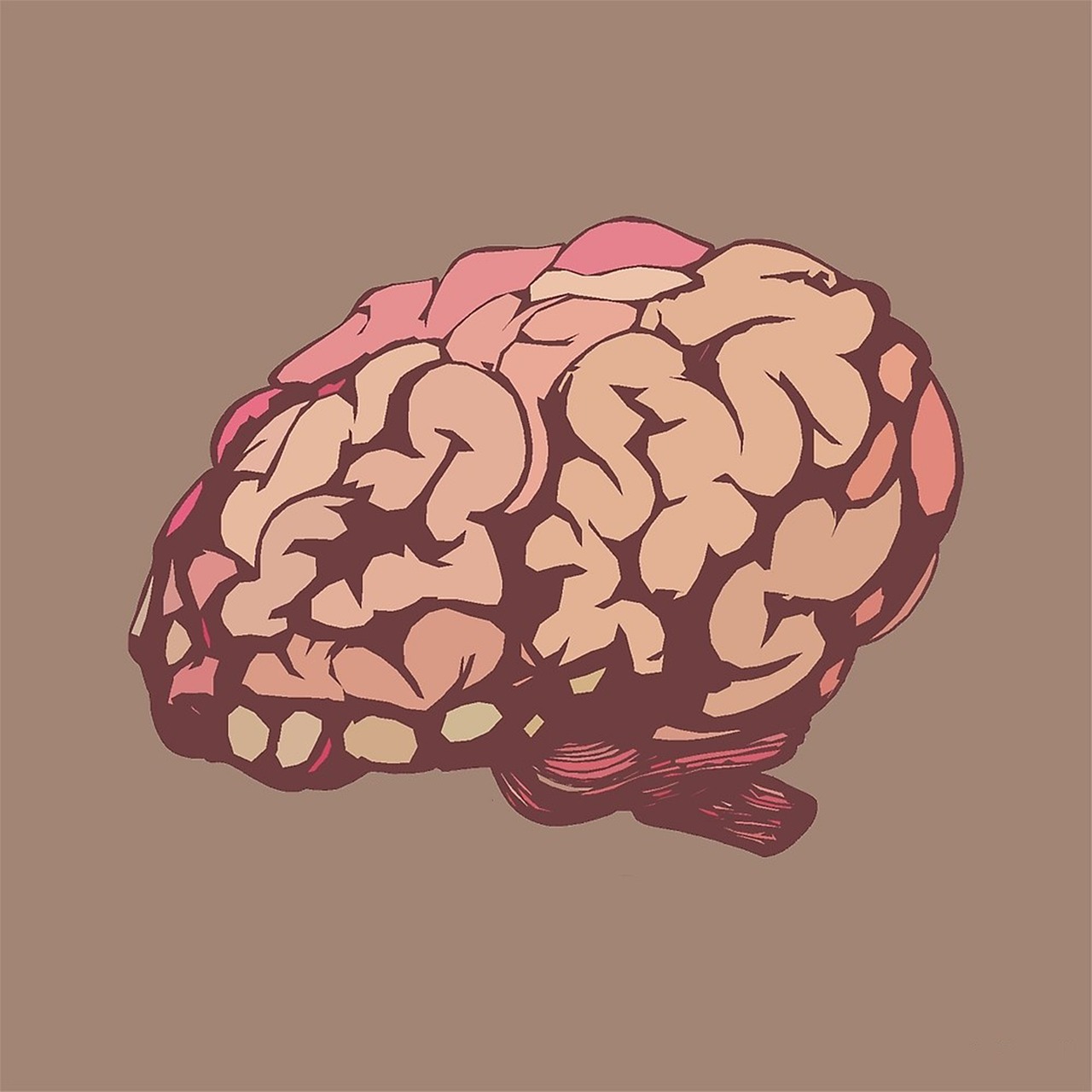
The human brain possesses an extraordinary capability that distinguishes us from most machines: the ability to rewire, reshape, and reconfigure itself throughout our entire lives. This remarkable feature, known as neuroplasticity or brain plasticity, represents one of neuroscience’s most revolutionary discoveries.

For decades, scientists believed that our brains were fixed structures, incapable of significant change after childhood. Today, we understand that our neural networks remain dynamic, responsive, and continuously evolving based on our experiences, thoughts, and behaviors. This transformative understanding opens unprecedented opportunities for personal growth, learning, and adaptation at any age.
🧠 Understanding the Foundation of Brain Plasticity
Brain plasticity refers to the nervous system’s capacity to modify its structure and function in response to experience, learning, or injury. Every thought you think, every skill you practice, and every habit you form literally reshapes the physical architecture of your brain. Neurons create new connections, strengthen existing pathways, and even eliminate underused circuits through a process scientists call “synaptic pruning.”
This neurobiological flexibility operates on multiple levels. Structural plasticity involves physical changes in neural connections, while functional plasticity enables brain regions to compensate for damaged areas by reorganizing their operations. Together, these mechanisms create a remarkably resilient organ capable of continuous transformation.
The discovery of neurogenesis—the birth of new neurons even in adult brains—further revolutionized our understanding. The hippocampus, a region critical for memory and learning, generates thousands of new cells daily. This ongoing cellular renewal provides fresh neural resources for encoding experiences and adapting to environmental demands.
The Molecular Mechanisms Behind Neural Transformation
At the cellular level, brain plasticity involves complex biochemical processes. Brain-derived neurotrophic factor (BDNF) serves as a crucial molecular player, promoting neuron survival, growth, and differentiation. This protein acts like fertilizer for your brain, encouraging the sprouting of new connections and the strengthening of existing ones.
Synaptic connections become stronger through repeated activation—a principle neuroscientists summarize as “neurons that fire together, wire together.” Conversely, connections that remain unused gradually weaken, following the complementary principle: “use it or lose it.” These mechanisms ensure your brain efficiently allocates resources to the neural circuits you actually utilize.
🚀 Harnessing Plasticity for Accelerated Learning
Understanding brain plasticity transforms how we approach education, skill acquisition, and personal development. Rather than accepting fixed limitations on our abilities, we can strategically leverage plasticity principles to enhance learning outcomes and expand our cognitive capacities.
The concept of deliberate practice exemplifies plasticity-informed learning. By engaging in focused, challenging exercises that push beyond your current comfort zone, you trigger adaptive neural changes. This approach explains why musicians who practice specific passages repeatedly develop specialized brain regions dedicated to those motor sequences.
Spacing and interleaving represent additional strategies aligned with plasticity mechanisms. Distributing learning sessions over time, rather than cramming, allows consolidation processes to strengthen memory traces. Mixing different types of practice forces your brain to discriminate between contexts, building more flexible and robust neural representations.
Creating Optimal Conditions for Neural Growth
Several factors significantly influence the rate and extent of plastic changes. Sleep plays an indispensable role, as memory consolidation and synaptic reorganization occur predominantly during specific sleep stages. During deep sleep, your brain replays experiences, strengthening important connections while pruning irrelevant ones.
Physical exercise emerges as one of the most potent enhancers of neuroplasticity. Aerobic activity increases BDNF production, promotes neurogenesis in the hippocampus, and enhances cognitive function across multiple domains. Movement literally grows your brain while improving its functional efficiency.
Nutrition provides the raw materials for neural construction and maintenance. Omega-3 fatty acids, antioxidants, and specific vitamins support synaptic function and protect neurons from oxidative stress. What you eat directly influences your brain’s capacity for plastic change.
💡 Breaking Free from Limiting Mental Patterns
Perhaps the most empowering implication of brain plasticity involves the potential to reshape ingrained thought patterns, behaviors, and emotional responses. The same mechanisms that allow skill learning also enable the transformation of maladaptive habits and negative mental states.
Cognitive behavioral therapy (CBT) effectively leverages plasticity by helping individuals identify and modify dysfunctional thought patterns. Through repeated practice of alternative thinking styles, neural pathways supporting healthier cognitions strengthen, while circuits maintaining negative patterns gradually weaken. This represents literal brain rewiring through psychological intervention.
Mindfulness meditation demonstrates particularly impressive effects on brain structure. Regular practitioners show increased gray matter density in regions associated with attention, emotional regulation, and self-awareness. These structural changes correspond with measurable improvements in psychological well-being and cognitive performance.
Overcoming the Challenge of Established Neural Habits
While plasticity offers hope for change, established neural patterns resist modification. Habits become deeply encoded through repetition, creating strong synaptic connections that activate automatically. Breaking free requires consistent effort to forge alternative pathways while allowing old circuits to weaken through disuse.
The basal ganglia, brain structures involved in habit formation, require approximately 60 to 90 days of consistent practice to establish new automatic behaviors. This neurobiological reality explains why habit change demands patience and persistence. Understanding this timeline helps maintain motivation during the challenging early phases of transformation.
🌟 Applying Plasticity Principles Across Life Domains
The versatility of brain plasticity means its principles apply across diverse contexts, from professional skill development to emotional intelligence enhancement. Recognizing opportunities to trigger adaptive neural changes in various life areas multiplies your growth potential.
Professional Development and Career Advancement
In rapidly evolving work environments, continuous learning becomes essential for career longevity. Brain plasticity ensures you can acquire new competencies regardless of age. Strategic skill development that pushes your current capabilities triggers the most robust neural adaptations.
Embracing challenging projects outside your comfort zone accelerates professional growth. The initial struggle signals your brain to allocate resources for building relevant neural circuits. Over time, tasks that once seemed impossibly difficult become routine as your enhanced neural architecture handles them effortlessly.
Cross-training in adjacent domains creates cognitive flexibility and promotes creative problem-solving. When you expose your brain to diverse challenges, you build versatile neural networks capable of making novel connections between seemingly unrelated concepts.
Enhancing Emotional Intelligence and Relationships
Social and emotional competencies also depend on plastic brain regions. The prefrontal cortex, which governs emotional regulation and social cognition, remains highly malleable throughout adulthood. Intentional practice in empathy, active listening, and emotional awareness reshapes these circuits.
Relationship patterns often reflect ingrained neural responses established early in life. However, plasticity allows you to develop new relational templates through corrective experiences and conscious practice. Therapy, mindful communication, and vulnerability exercises can literally rewire attachment patterns and interpersonal habits.
Physical Health and Athletic Performance
Motor learning exemplifies plasticity in action. Athletes develop extraordinary coordination through countless repetitions that refine neural circuits controlling movement. The cerebellum and motor cortex undergo structural changes that enable increasingly precise and efficient motor commands.
Rehabilitation after injury depends entirely on plasticity mechanisms. Physical therapy works by encouraging undamaged brain regions to assume functions previously performed by injured areas. Stroke survivors who regain lost abilities do so through intensive practice that triggers compensatory neural reorganization.
🔬 Evidence-Based Strategies for Maximizing Neural Adaptability
Scientific research has identified specific practices that reliably enhance brain plasticity. Incorporating these evidence-based strategies into your routine creates an environment conducive to continuous neural growth and cognitive enhancement.
- Novelty seeking: Exposing yourself to new experiences, environments, and challenges stimulates neural growth and prevents cognitive stagnation.
- Focused attention: Concentrated, undistracted practice triggers stronger plastic changes than divided or superficial engagement.
- Progressive challenge: Continuously adjusting difficulty to remain slightly beyond current ability maintains optimal learning conditions.
- Multi-sensory engagement: Involving multiple sensory modalities simultaneously creates richer neural representations and stronger memories.
- Social interaction: Meaningful social connections activate diverse brain networks and promote cognitive reserve.
- Stress management: Chronic stress impairs plasticity, while manageable challenges combined with adequate recovery promote growth.
The Critical Role of Recovery and Consolidation
Growth occurs not during the challenge itself but during subsequent recovery periods. Your brain consolidates new learning and implements structural changes when you rest. This principle applies equally to cognitive, emotional, and physical development.
Strategic recovery practices include quality sleep, meditation, light exercise, and activities that shift attention away from intense focus. These recovery modes allow background consolidation processes to strengthen newly formed neural connections and integrate them into existing networks.
🎯 Designing Your Personal Plasticity Protocol
Translating plasticity principles into practical action requires a personalized approach aligned with your specific goals, lifestyle, and starting point. A systematic protocol ensures consistent application of growth-promoting practices while maintaining sustainable momentum.
Begin by identifying specific domains where you seek transformation. Clear, measurable objectives focus your efforts and enable progress tracking. Whether you aim to learn a language, develop emotional regulation, or master a professional skill, specificity enhances motivation and guides practice design.
Structure your practice sessions for optimal plasticity activation. Sessions lasting 20 to 45 minutes with full attention typically prove more effective than longer periods with diminishing focus. Multiple shorter sessions distributed across the day or week often outperform single marathon practice blocks.
Tracking Progress and Maintaining Momentum
Monitoring improvements reinforces motivation and provides feedback for adjusting your approach. Keep simple records of practice sessions, noting duration, intensity, and subjective difficulty. Over weeks and months, you’ll observe tasks becoming progressively easier—tangible evidence of neural adaptation.
Expect plateaus and temporary setbacks as normal features of the learning curve. Plasticity doesn’t progress linearly; periods of consolidation sometimes manifest as apparent stagnation. Persistence through these phases allows underlying neural changes to solidify before the next leap forward.
⚡ Embracing Lifelong Neural Evolution
The discovery of brain plasticity fundamentally reframes human potential. Rather than accepting predetermined limitations, we can view our minds as perpetual works in progress, forever capable of refinement, expansion, and transformation. This perspective shift alone can liberate tremendous growth energy.
Age does not eliminate plasticity, though its pace and ease may change. Older adults retain substantial capacity for learning and adaptation, particularly when they maintain cognitively stimulating lifestyles. The key involves consistently challenging your brain with meaningful tasks that require genuine mental effort.
Cultivating a growth mindset—the belief that abilities develop through dedication and effort—aligns perfectly with plasticity science. This mindset encourages persistent engagement with challenges, viewing difficulties as opportunities to trigger adaptive neural changes rather than evidence of fixed limitations.
Building Cognitive Reserve for Future Resilience
Every challenging experience, new skill, and cognitive demand you embrace builds cognitive reserve—a buffer protecting against age-related decline and neurological injury. Diverse, complex experiences create redundant neural pathways, enabling your brain to maintain function even when specific circuits deteriorate.
Think of cognitive reserve as neural wealth accumulated through mental activity. The richer your cognitive portfolio, the more resources available to compensate for inevitable neural changes. Continuous learning represents the ultimate investment in long-term brain health and functional independence.

🌈 Your Brain’s Unlimited Potential Awaits Activation
Brain plasticity reveals an inspiring truth: you possess far more control over your mental capabilities than previously imagined. Your brain stands ready to reorganize itself in response to the experiences you choose, the practices you maintain, and the challenges you embrace. This biological reality places tremendous power in your hands.
The limitations you currently experience reflect your brain’s current configuration, not immutable constraints. Through strategic engagement with plasticity principles, you can systematically reshape your neural architecture to support the capabilities, habits, and mental states you desire. Growth remains possible at any age, in virtually any domain.
Begin today by identifying one area for development and implementing a simple practice routine. Whether you dedicate 15 minutes to learning a new skill, practicing mindfulness, or engaging in challenging cognitive exercise, you initiate neural changes that compound over time. Small consistent actions accumulate into profound transformations.
Your brain’s extraordinary plasticity represents nature’s gift of unlimited potential. By understanding and applying the principles of neural reconfiguration, you unlock possibilities for continuous growth, enhanced adaptability, and perpetual self-evolution. The question isn’t whether your brain can change—it’s what changes you’ll choose to cultivate.