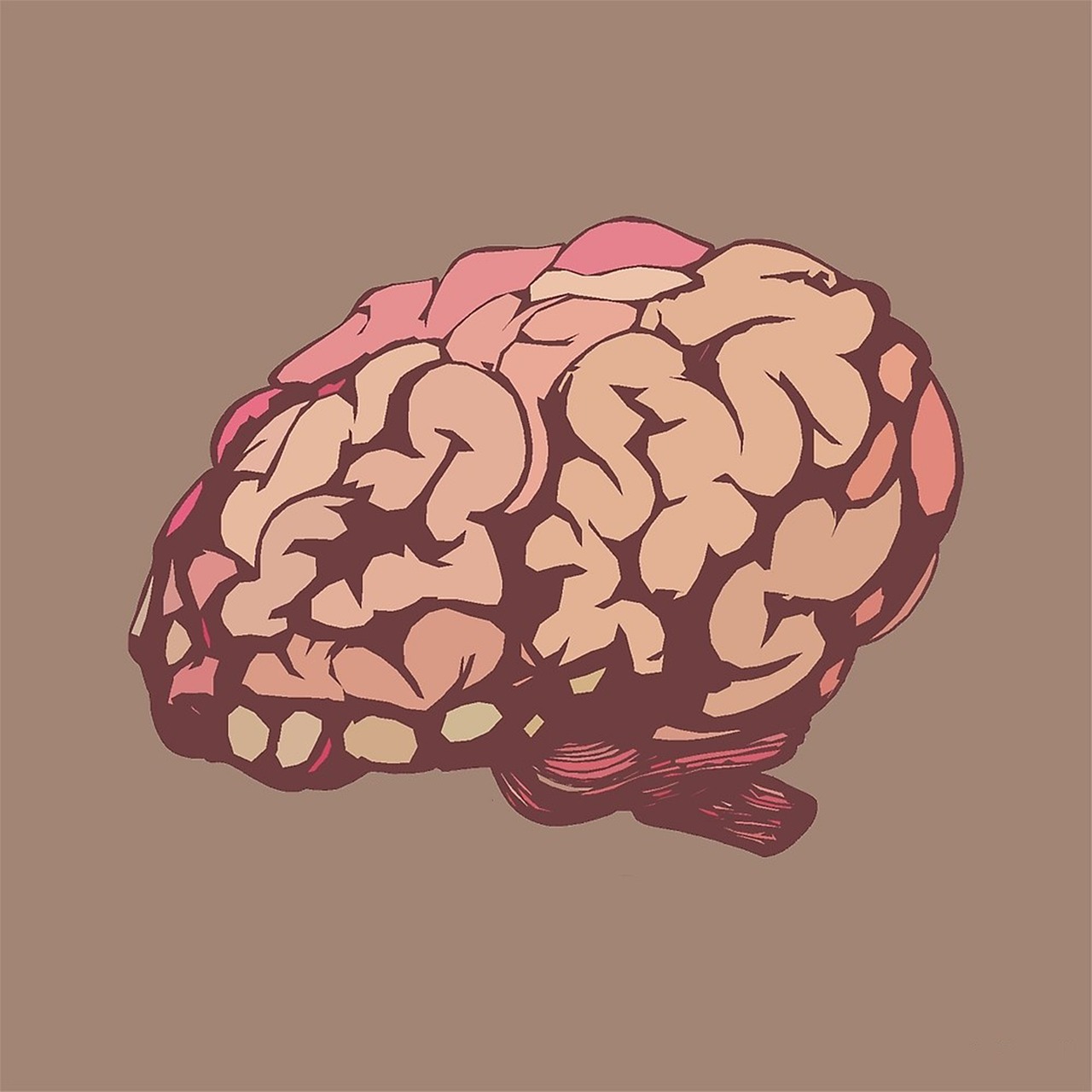
The human brain is one of nature’s most remarkable achievements, constantly rewiring itself as we learn, remember, and adapt to our environment. This incredible ability to change and form new connections is what separates us from static machines.

Every moment of learning, from mastering a new language to remembering a friend’s face, involves intricate transformations within our neural networks. Understanding how these changes occur opens doors to enhanced learning strategies, better memory retention, and potentially revolutionary treatments for cognitive disorders.
🧠 The Foundation: Understanding Neural Connectivity
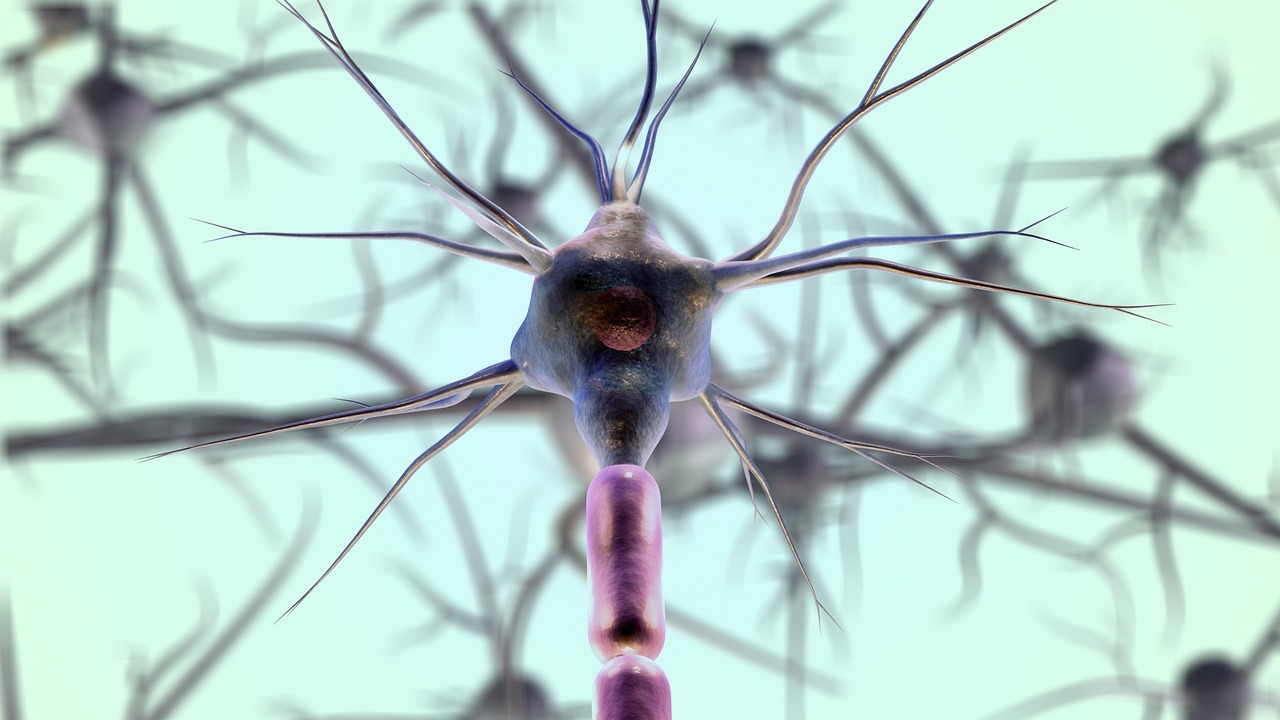
Neural connectivity refers to the complex network of connections between neurons in the brain. These connections, called synapses, form the biological basis for all cognitive functions, including learning and memory formation. The brain contains approximately 86 billion neurons, each capable of forming thousands of synaptic connections with other neurons, creating a network of staggering complexity.
The strength and pattern of these connections determine how efficiently information flows through the brain. When we learn something new, specific neural pathways become activated, and with repetition, these pathways strengthen—a process neuroscientists call synaptic plasticity. This fundamental mechanism underlies our ability to acquire new skills, form memories, and adapt to changing circumstances.
The Dynamic Nature of Brain Architecture
Unlike traditional computer circuits that remain fixed, neural connectivity is remarkably fluid. The brain continuously reorganizes itself based on experience, a phenomenon known as neuroplasticity. This dynamic quality means that the brain you have today is literally different from the brain you had yesterday, shaped by every experience, thought, and interaction you’ve encountered.
Research has revealed that this plasticity isn’t limited to childhood development. Adult brains retain significant capacity for reorganization, though the mechanisms and extent differ from younger brains. This discovery has profound implications for lifelong learning, recovery from brain injuries, and maintaining cognitive health throughout aging.
The Molecular Dance: What Happens During Learning
At the cellular level, learning triggers a cascade of molecular events that fundamentally alter neural connections. When a neuron fires repeatedly in response to a specific stimulus, it initiates changes that strengthen the connection between that neuron and its neighbors. This process involves multiple stages, from immediate electrical changes to long-lasting structural modifications.
Initially, learning causes rapid changes in the efficiency of existing synapses through a process called long-term potentiation (LTP). During LTP, repeated activation of a synapse increases the amount of neurotransmitter released and the sensitivity of receptors on the receiving neuron. These changes can occur within minutes and last for hours or days, providing a temporary storage mechanism for new information.
From Temporary to Permanent: Memory Consolidation
For information to transition from short-term memory to long-term storage, more permanent changes must occur. This consolidation process involves the synthesis of new proteins and the actual growth of new synaptic connections. Genes are activated, proteins are manufactured, and the physical structure of neurons changes to encode lasting memories.
Sleep plays a crucial role in this consolidation process. During deep sleep stages, the brain replays neural patterns activated during waking hours, strengthening important connections while pruning unnecessary ones. This explains why adequate sleep is essential for learning and why cramming before an exam without sleep is far less effective than distributed learning with proper rest.
🔗 The Network Effect: How Connections Create Intelligence
Intelligence doesn’t reside in individual neurons but emerges from the patterns of connectivity between them. Think of the brain as a vast social network where information value depends not just on individual nodes but on how they’re interconnected. Highly connected hub neurons act as information integration points, coordinating activity across distant brain regions.
Recent neuroimaging studies have revealed that efficient brain networks share certain architectural principles. They exhibit “small-world” properties, combining local clustering of connections with strategic long-range links. This organization allows information to travel quickly across the brain while maintaining specialized processing modules for different functions.
The Role of White Matter Highways
While neurons and synapses often receive the spotlight, white matter—the brain’s information superhighways—plays an equally critical role in learning. White matter consists of myelinated axons that rapidly transmit signals between brain regions. As we learn and practice skills, these pathways become increasingly myelinated, speeding up signal transmission and making performance more automatic and efficient.
Musicians, athletes, and experts in any field show enhanced white matter connectivity in regions relevant to their expertise. This suggests that deliberate practice doesn’t just strengthen synapses but actually builds better communication infrastructure throughout the brain, enabling faster and more coordinated neural processing.
Experience-Dependent Rewiring: Your Brain on Learning
Different types of learning engage distinct neural transformation mechanisms. Motor learning, for instance, involves strengthening connections in the motor cortex, cerebellum, and basal ganglia. As a skill becomes automatic, activation shifts from conscious control areas to more automatic processing regions—this is why you can eventually perform complex actions like driving without consciously thinking about each movement.
Cognitive learning, such as mastering mathematics or a new language, engages different networks. Language learning, particularly when undertaken in adulthood, requires extensive rewiring of left hemisphere language centers and often recruits additional right hemisphere resources. The brain literally expands the cortical territory devoted to new language representations, demonstrating its remarkable adaptability.
Emotional Learning and the Amygdala Connection
Emotionally charged experiences create particularly strong memories through enhanced connectivity between the amygdala and memory centers like the hippocampus. This is why you likely remember exactly where you were during significant personal or historical events but struggle to recall what you had for lunch last Tuesday. The emotional tagging of memories prioritizes their consolidation and retrieval.
This emotional enhancement can be harnessed for learning. When information is presented with emotional relevance or personal significance, it’s more likely to be retained. Effective educators intuitively understand this, crafting lessons that create emotional engagement and personal connections to material.
🎯 Optimizing Neural Transformation: Strategies for Enhanced Learning
Understanding how neural connectivity transforms during learning allows us to develop evidence-based strategies for more effective education and skill acquisition. These aren’t trendy learning hacks but approaches grounded in neuroscience research.
- Spaced Repetition: Distributing learning sessions over time produces stronger neural changes than massed practice. Each learning episode reactivates and strengthens neural circuits, and spacing allows for consolidation between sessions.
- Interleaving: Mixing different types of problems or skills during practice, rather than blocking similar items together, forces the brain to continually retrieve and apply appropriate strategies, strengthening neural flexibility.
- Active Retrieval: Testing yourself on material, even before you’ve fully learned it, creates stronger memory traces than passive review. The effort of retrieval itself strengthens neural pathways.
- Elaborative Encoding: Connecting new information to existing knowledge creates richer neural networks with multiple retrieval pathways. The more connections you forge, the more accessible the memory becomes.
- Physical Exercise: Aerobic exercise increases brain-derived neurotrophic factor (BDNF), a protein that promotes the growth of new neurons and synapses, particularly in the hippocampus.
The Power of Novelty and Challenge
Neural transformation is greatest when learning involves an optimal level of difficulty—challenging enough to require effort but not so difficult as to be overwhelming. This “desirable difficulty” principle suggests that making learning slightly harder actually makes it more effective in the long run. Struggling with material, within reason, prompts deeper processing and more robust neural changes.
Novelty also plays a crucial role in triggering neural plasticity. New experiences activate the release of neuromodulators like dopamine and norepinephrine that enhance synaptic plasticity. This is why varying your learning environment, approaching material from different angles, and seeking novel challenges all contribute to more effective learning.
Age and Neural Connectivity: A Lifelong Journey
While the developing brain shows remarkable plasticity during critical periods of childhood and adolescence, neural connectivity continues to evolve throughout life. The adolescent brain undergoes significant reorganization, particularly in prefrontal regions governing executive functions and impulse control. This protracted development explains many characteristic features of adolescent behavior and learning.
In adulthood, though the rate of neural change decreases, the capacity for learning and memory formation remains robust. Adult learning often leverages existing knowledge networks more effectively than child learning, compensating for reduced raw plasticity with strategic processing. The key is continued engagement with challenging, novel activities that stimulate neural transformation.
Cognitive Reserve and Aging
The concept of cognitive reserve suggests that lifelong learning and mental stimulation build a buffer against age-related cognitive decline. Individuals with higher education, cognitively demanding careers, and continued intellectual engagement show better cognitive performance in later life and greater resilience against neurodegenerative diseases.
This protection likely results from both structural factors (more synapses and neural pathways) and functional adaptations (more efficient processing strategies). The brain’s ability to compensate for damage by routing information through alternative pathways depends on having built robust, flexible connectivity throughout life.
⚡ Technology and Neural Transformation: Modern Tools for Brain Enhancement
Contemporary neuroscience has inspired numerous technological approaches to enhancing learning and memory. Brain training applications claim to improve cognitive function through targeted exercises, though scientific evidence for their effectiveness remains mixed. The most robust benefits appear when training is specific to the skill you want to improve rather than promising general cognitive enhancement.
More promising are applications that leverage neuroscience principles like spaced repetition, active recall, and adaptive difficulty. These tools don’t claim to rewire your brain directly but instead optimize learning conditions to promote natural neural transformation through evidence-based methods.
Neurofeedback and Brain-Computer Interfaces
Emerging technologies enable more direct interaction with neural activity. Neurofeedback training allows individuals to observe their brain activity in real-time and learn to modulate it, potentially enhancing attention, reducing anxiety, or optimizing learning states. While still primarily in research and clinical settings, these approaches may become more accessible as technology advances.
Brain-computer interfaces represent the frontier of neural connectivity research, creating direct communication pathways between brains and external devices. Beyond their obvious applications for individuals with disabilities, these technologies raise fascinating questions about the nature of learning, memory, and what constitutes the boundary of the self.
The Social Brain: How Connection Transforms Connectivity
Human brains evolved for social interaction, and our neural connectivity reflects this evolutionary heritage. Social learning—observing and imitating others—engages mirror neuron systems that activate both when performing an action and when observing someone else perform it. This neural resonance facilitates rapid learning of complex behaviors through observation.
Collaborative learning creates richer neural transformations than isolated study. Discussion forces articulation and reorganization of knowledge, exposing gaps in understanding and creating new conceptual connections. Teaching material to others represents one of the most powerful learning strategies precisely because it requires deep processing and flexible retrieval of information.
🌟 Harnessing Your Brain’s Potential: Practical Integration
Understanding neural connectivity transformation isn’t merely academic—it provides actionable insights for optimizing your learning journey. Begin by recognizing that effective learning requires time and appropriate conditions. Your brain needs adequate sleep, nutrition, and recovery to consolidate new connections.
Embrace challenge and novelty while avoiding overwhelming stress, which impairs neural plasticity. Structure learning sessions to promote active engagement rather than passive reception. Test yourself frequently, space your practice, and seek connections between new information and existing knowledge.
Most importantly, maintain a growth mindset grounded in neuroscience reality. Your brain’s connectivity isn’t fixed—it’s a dynamic network constantly shaped by experience. Every learning attempt, even when initially frustrating, triggers neural changes that accumulate over time. Persistence isn’t just virtuous; it’s neurologically necessary for building the connections that underlie expertise.
Looking Forward: The Future of Learning Science
Neuroscience continues to unveil increasingly detailed maps of how neural connectivity transforms during learning. Advanced imaging techniques reveal real-time changes in synaptic strength, while computational models simulate network dynamics to predict optimal learning strategies. The integration of neuroscience, psychology, and education promises to revolutionize how we approach teaching and learning.
Personalized learning approaches based on individual neural profiles may become feasible as assessment technologies advance. Understanding someone’s unique connectivity patterns could guide customized educational interventions that align with their brain’s particular strengths and challenges.
The journey to unlock your brain’s full potential begins with understanding that potential isn’t fixed—it’s constructed through every experience, every challenge embraced, and every connection forged. Your neural network is your most valuable asset, continuously remodeling itself in response to how you choose to engage with the world. By aligning your learning strategies with the brain’s natural mechanisms for transformation, you can harness its remarkable plasticity to achieve your cognitive goals and continue growing throughout life.