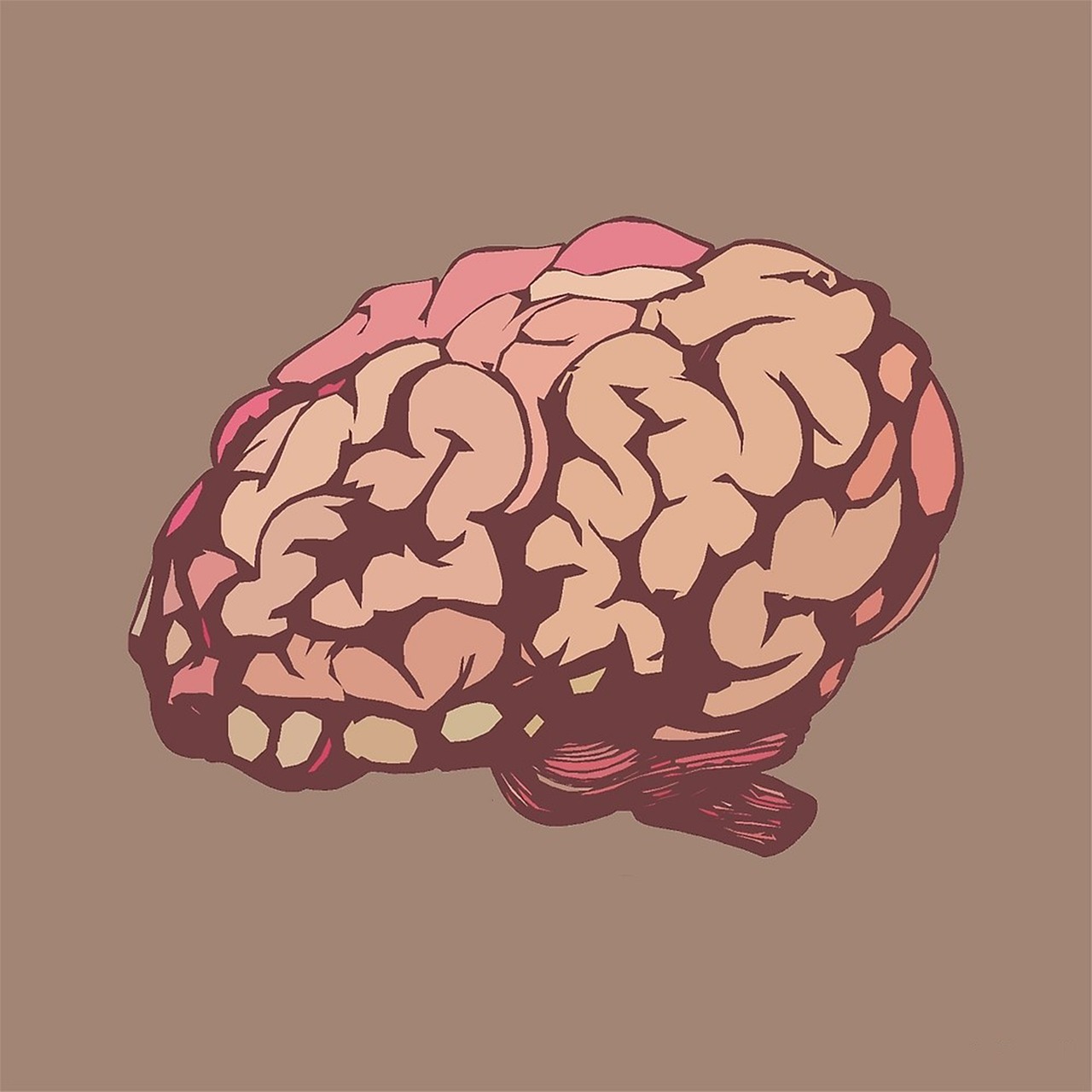
The human brain, with its billions of neurons and trillions of connections, represents one of nature’s most complex networks. Understanding how this intricate system organizes itself has become a central question in neuroscience.

Recent advances in network science have revealed that neural systems share fundamental organizational principles with other complex networks found in nature, from social networks to the internet. Two mathematical frameworks—small-world and scale-free network models—have emerged as powerful tools for decoding the brain’s architectural secrets, offering unprecedented insights into how neural circuits process information, adapt to change, and sometimes fail in neurological disorders.
🧠 The Architecture of Neural Networks: Beyond Random Connections
For decades, scientists assumed that brain connections followed either completely random patterns or highly ordered structures. However, reality proved far more fascinating. The brain’s wiring diagram exhibits a sophisticated balance between local clustering and global connectivity that optimizes both efficiency and robustness.
Neural networks demonstrate remarkable organizational principles that allow rapid information transfer while maintaining metabolic efficiency. Unlike purely random networks where connections form haphazardly, or lattice-like structures with rigid organization, the brain employs a hybrid architecture that captures the best of both worlds.
This discovery has revolutionized our understanding of cognitive functions, from memory formation to consciousness itself. By mapping these connections using advanced imaging techniques and computational modeling, researchers have unveiled patterns that repeat across different brain regions and even across species.
Small-World Networks: The Six Degrees of Neural Separation
The small-world network model, first popularized by the famous “six degrees of separation” concept in social networks, has proven remarkably applicable to brain structure. In neural terms, this means any neuron can communicate with any other neuron through surprisingly few intermediate connections.
Key Characteristics of Small-World Brain Networks
Small-world networks in the brain exhibit three defining features that distinguish them from random networks. First, they display high clustering coefficients, meaning neurons that connect to a common neighbor tend to connect with each other, forming tightly-knit local communities. Second, despite this local clustering, these networks maintain short path lengths between any two neurons, enabling rapid global communication.
Third, small-world networks achieve this efficiency through relatively few long-range connections that act as shortcuts across the network. These “hub” connections bridge distant brain regions, allowing information to traverse the entire neural landscape in milliseconds rather than seconds.
Functional Advantages of Small-World Organization
The small-world architecture provides several computational advantages that explain why evolution favored this design. Local clustering supports specialized processing modules where neurons collaborate on specific tasks—visual recognition, language processing, or motor control. These modules can develop expertise through repeated local interactions.
Simultaneously, the short global path lengths ensure that different brain regions can coordinate their activities efficiently. When you recognize a friend’s face and recall their name, multiple brain regions must communicate rapidly. Small-world connectivity makes this possible without requiring direct connections between every pair of regions.
This architecture also proves remarkably economical. Creating and maintaining neural connections requires significant biological resources—energy, space, and molecular machinery. Small-world networks achieve global connectivity with minimal wiring cost, a crucial consideration given the brain’s metabolic demands.
⚡ Scale-Free Networks: The Power Law Distribution in Neural Connectivity
While small-world properties describe the brain’s overall connectivity pattern, scale-free network models reveal another fundamental principle: not all neurons are created equal in terms of their connectivity. Some neurons act as highly connected hubs, while most maintain relatively few connections.
This distribution follows a power law, meaning the probability of finding a neuron with k connections decreases proportionally to k raised to some negative power. Unlike normal distributions with characteristic averages, scale-free networks lack a typical scale—hence their name.
Hub Neurons and Their Critical Roles
Hub neurons serve as critical integration points in neural circuits. These highly connected cells receive inputs from numerous sources and project to many targets, positioning them to coordinate activity across distributed networks. Research has identified specific hub regions in the brain, including areas in the prefrontal cortex, posterior cingulate, and thalamus.
The existence of hubs creates both opportunities and vulnerabilities. On the positive side, hubs enable efficient information integration and distribution. They allow the brain to synchronize activity patterns across regions during complex cognitive tasks. A single hub neuron can influence thousands of other cells, amplifying signals and coordinating responses.
However, this centralized importance also means hubs represent potential points of failure. Damage to hub regions often produces more severe deficits than equivalent damage to peripheral areas. Many neurological disorders, from Alzheimer’s disease to schizophrenia, show preferential vulnerability of hub regions, suggesting that understanding scale-free properties may help explain disease progression.
Mathematical Foundations: Quantifying Brain Network Properties
To rigorously analyze brain networks, neuroscientists employ graph theory—a branch of mathematics dealing with nodes (neurons or brain regions) and edges (connections between them). Several key metrics help quantify network properties and compare them across individuals, conditions, or species.
Essential Network Metrics
The clustering coefficient measures how interconnected a node’s neighbors are to each other, ranging from 0 (no interconnections) to 1 (fully connected). High clustering coefficients indicate strong local organization. Path length quantifies the average minimum number of steps needed to travel between any two nodes, with shorter paths enabling faster communication.
The small-world coefficient compares a network’s clustering and path length to random networks of equivalent size. Values significantly greater than 1 indicate small-world organization. Degree distribution describes how many connections each node maintains, revealing whether the network follows scale-free power law patterns or other distributions.
Betweenness centrality identifies nodes that frequently appear on shortest paths between other nodes, highlighting potential bottlenecks or integration points. Modularity quantifies how well a network decomposes into distinct communities, revealing the brain’s functional subdivisions.
🔬 Empirical Evidence: Mapping Real Brain Networks
Advances in neuroimaging and recording technologies have enabled researchers to construct detailed maps of brain connectivity at multiple scales. These empirical studies consistently reveal small-world and scale-free properties across different organisms, brain regions, and levels of analysis.
Structural Connectivity Studies
Diffusion tensor imaging (DTI) traces white matter fiber tracts in the living human brain, revealing anatomical connections between regions. Studies using DTI have demonstrated small-world properties in whole-brain structural networks, with highly connected hub regions in association cortices that integrate information from sensory and motor areas.
The human connectome project has mapped these structural connections in unprecedented detail, confirming power law degree distributions characteristic of scale-free networks. Remarkably, these organizational principles appear consistent across individuals despite variations in specific connection strengths.
Functional Connectivity Research
Functional MRI studies examine correlations in brain activity between regions, revealing functional networks that activate together during tasks or rest. These functional networks also exhibit small-world properties, with community structure corresponding to known functional systems—the default mode network, attention networks, and sensorimotor networks.
Interestingly, functional connectivity patterns show both stability and flexibility. Core hub regions maintain consistent connectivity profiles, while peripheral regions can flexibly reconfigure their connections depending on task demands. This balance between stability and flexibility may underlie the brain’s ability to maintain coherent function while adapting to changing circumstances.
Developmental Perspectives: How Networks Grow and Mature
Brain networks don’t emerge fully formed—they develop through complex interactions between genetic programs and experience. Understanding how small-world and scale-free properties emerge during development offers insights into both normal maturation and developmental disorders.
Early Network Formation
Even in newborn brains, basic small-world properties are detectable, suggesting that fundamental organizational principles are established early. However, these networks are less efficient than adult networks, with shorter connection distances and less pronounced hub structure. The brain appears to follow a developmental trajectory that progressively optimizes network properties.
During childhood and adolescence, networks undergo significant refinement through synaptic pruning and myelination. These processes strengthen important connections while eliminating redundant ones, gradually sharpening the power law degree distribution. Hub regions in prefrontal and parietal cortices continue developing into the mid-twenties, corresponding to the protracted maturation of executive functions.
🧬 Evolutionary Advantages: Why These Architectures Prevail
The ubiquity of small-world and scale-free properties across nervous systems—from simple invertebrates to complex mammalian brains—suggests powerful evolutionary advantages. These architectural principles solve fundamental challenges faced by any information-processing biological system.
Small-world connectivity provides an optimal trade-off between local specialization and global integration while minimizing wiring costs. In evolutionary terms, brains that achieved efficient connectivity with less biological investment could dedicate resources to other adaptive functions. Scale-free organization offers robustness against random damage while enabling rapid adaptation through preferential modification of hub connections.
Comparative studies across species reveal that while specific implementations vary, the underlying network principles remain conserved. Even the relatively simple nervous system of C. elegans worms displays small-world properties, suggesting these principles emerged early in neural evolution and persist because they solve universal computational challenges.
Clinical Applications: Networks in Disease and Dysfunction
Understanding brain networks through these mathematical frameworks has profound clinical implications. Many neurological and psychiatric disorders involve disruptions to network organization rather than localized damage, making network models essential for understanding pathology and developing treatments.
Neurodegenerative Diseases
Alzheimer’s disease preferentially affects hub regions, disrupting small-world organization and reducing network efficiency. Studies show that abnormal protein accumulation targets highly connected areas first, possibly because these neurons’ high metabolic demands make them vulnerable. Network analysis can detect these disruptions before significant cognitive decline, potentially enabling earlier intervention.
Parkinson’s disease involves alterations in the balance between segregated and integrated processing, with decreased clustering coefficients in motor networks. Understanding these network-level changes helps explain why symptoms extend beyond simple motor deficits to include cognitive and emotional disturbances.
Psychiatric Disorders and Network Dysfunction
Schizophrenia involves widespread alterations in small-world properties, with reduced global efficiency and altered hub connectivity. These network abnormalities may explain the disorder’s diverse symptoms, from perceptual disturbances to cognitive deficits. Network models provide a framework for understanding how distributed brain dysfunction produces the clinical syndrome.
Depression and anxiety disorders show altered connectivity in emotion-regulation networks, with excessive connectivity between limbic structures and reduced prefrontal control. Network-based analyses can identify vulnerable connectivity patterns, potentially predicting treatment response and relapse risk.
💡 Computational Models: Simulating Network Dynamics
Beyond descriptive analysis, researchers develop computational models that simulate how information flows through small-world and scale-free networks. These models test hypotheses about how network structure influences function and generate predictions for experimental testing.
Simulations reveal that small-world networks optimize several computational properties simultaneously. They support efficient synchronization, enabling coordinated activity across distant regions. They balance segregation and integration, allowing specialized processing while maintaining global coherence. They exhibit robustness to random perturbations while remaining adaptable through targeted plasticity.
Scale-free networks demonstrate interesting dynamics during information spreading. Hub nodes accelerate propagation, enabling rapid dissemination of signals. However, this also means perturbations at hubs can have cascading effects, potentially explaining how localized pathology spreads through neural systems.
Future Directions: Emerging Research Frontiers
As technology advances, our ability to map and understand brain networks grows exponentially. Several exciting research directions promise to deepen our understanding of neural network organization and its implications.
Multi-Scale Network Analysis
Current research increasingly recognizes that the brain operates simultaneously at multiple scales—from individual synapses to whole-brain systems. Future work will integrate these scales, understanding how microscopic connectivity patterns give rise to macroscopic network properties. Advanced imaging techniques and computational methods make such integration increasingly feasible.
Dynamic Network Reconfiguration
Rather than viewing brain networks as static structures, emerging research examines how connectivity patterns dynamically reconfigure across seconds to support changing cognitive demands. Understanding these temporal dynamics may reveal principles of neural flexibility and adaptation that static analyses miss.
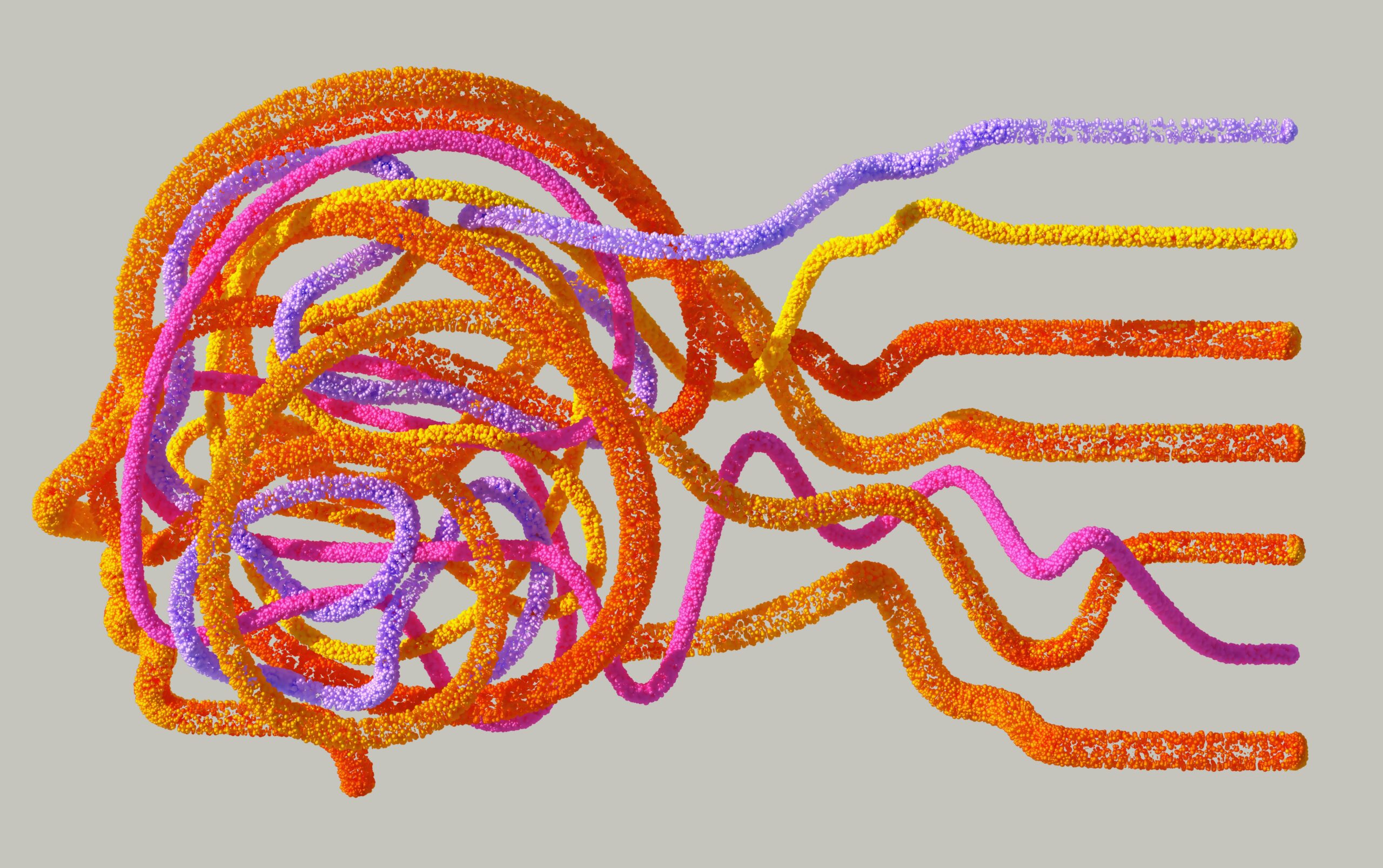
🌟 Translating Network Science into Practice
The ultimate value of understanding brain network organization lies in practical applications. Network-based biomarkers may enable earlier disease detection, personalized treatment selection, and objective monitoring of therapeutic responses. Non-invasive brain stimulation techniques increasingly target network hubs to maximize therapeutic effects while minimizing intervention intensity.
Educational and training programs might optimize learning by considering how new information integrates into existing network structures. Understanding individual differences in network organization could enable personalized educational approaches that align with each person’s neural architecture.
The convergence of network neuroscience, artificial intelligence, and clinical medicine promises transformative advances in brain health. By unlocking the brain’s organizational secrets through small-world and scale-free network models, we gain not just theoretical understanding but practical tools for enhancing human cognition and treating disorders that have long resisted conventional approaches.
As we continue mapping the brain’s complex connectivity patterns, these mathematical frameworks provide essential guidance, revealing universal principles that govern neural organization across scales, species, and states. The journey to fully understand the brain remains long, but network science has illuminated the path forward with unprecedented clarity.