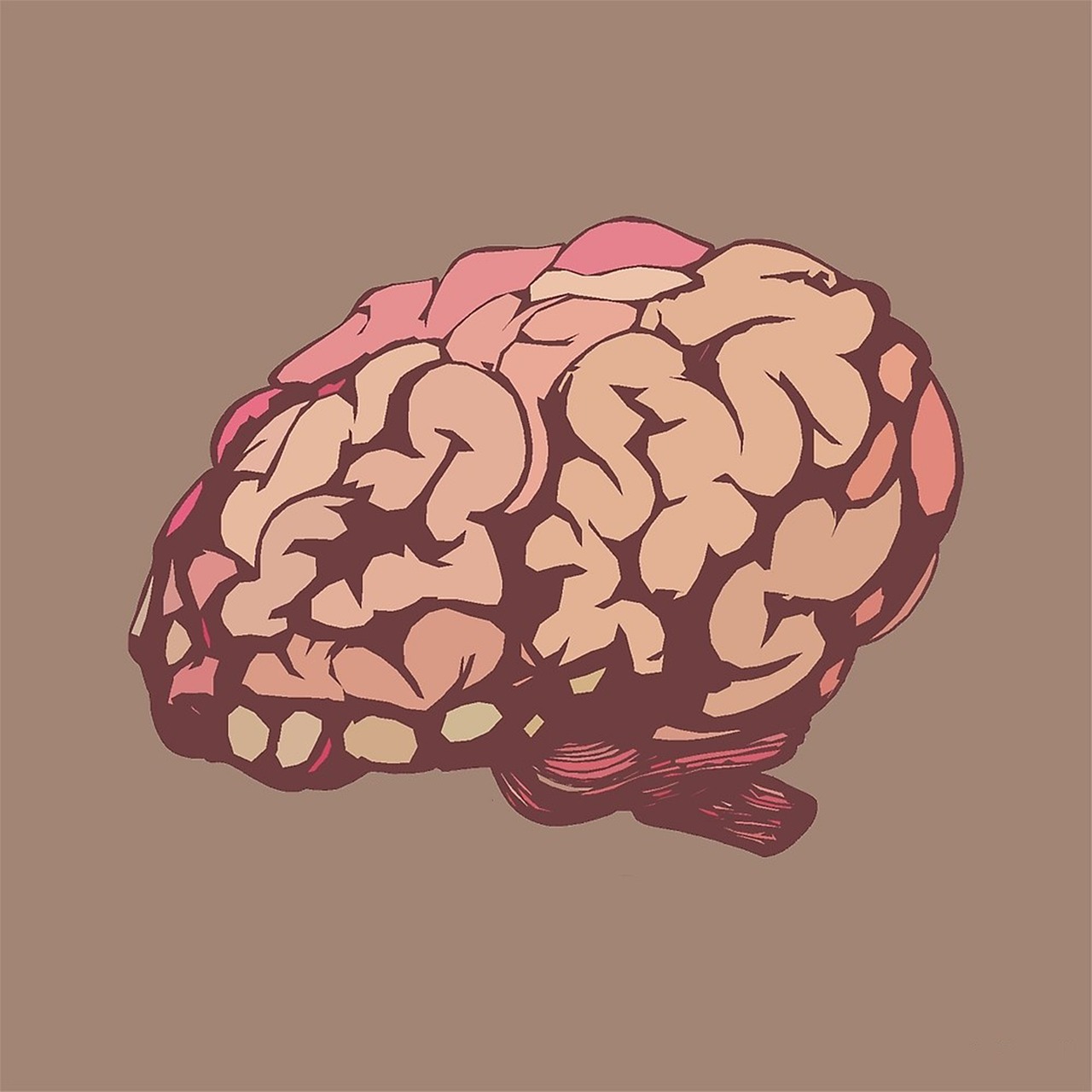
The human brain operates as nature’s most sophisticated communication network, processing billions of signals every second through an intricate web of connections that scientists call synaptic networks.

These microscopic junctions between neurons form the biological basis of everything we think, feel, remember, and do. Understanding how information flows through these neural highways reveals not only the mechanics of consciousness but also opens doors to treating neurological disorders and enhancing cognitive performance. The synaptic network represents one of the final frontiers in neuroscience, where chemistry meets electricity in a dance of molecular precision that enables human experience.
🧠 The Architecture of Synaptic Networks
Synaptic networks consist of approximately 100 billion neurons in the human brain, each forming thousands of connections with neighboring cells. These connections, or synapses, create a communication infrastructure far more complex than any computer network humanity has designed. At each synaptic junction, electrical signals transform into chemical messages and back again, allowing information to traverse the brain’s landscape with remarkable speed and accuracy.
The structural organization of these networks follows both hierarchical and parallel patterns. Primary sensory areas connect to association regions, which then link to executive control centers in the prefrontal cortex. Simultaneously, parallel pathways process different aspects of the same information, creating redundancy that protects against damage while enabling sophisticated integration of diverse data streams.
Neurons: The Building Blocks of Information Processing
Each neuron functions as a specialized information processing unit, receiving input through dendrites, integrating signals in the cell body, and transmitting output via axons. The axon terminal approaches but doesn’t touch the receiving dendrite of the next neuron, leaving a microscopic gap called the synaptic cleft. This 20-40 nanometer space becomes the stage where neurotransmitters perform their crucial role in information transfer.
The diversity of neuronal types contributes to network functionality. Pyramidal neurons in the cortex serve as primary output cells, while interneurons modulate local circuit activity. Specialized neurons in different brain regions exhibit unique properties tailored to their specific functions, from the precise timing neurons in auditory pathways to the place cells in the hippocampus that map spatial environments.
⚡ The Electrifying Journey of Neural Signals
Information flow begins with electrical impulses called action potentials that race along neuronal axons at speeds reaching 120 meters per second. These all-or-nothing events result from rapid changes in membrane voltage as ion channels open and close in coordinated sequences. When an action potential reaches the axon terminal, voltage-gated calcium channels open, triggering the next phase of synaptic transmission.
The precision of this electrical signaling proves remarkable. Neurons maintain a resting potential of approximately -70 millivolts, carefully regulated by ion pumps that consume significant cellular energy. When sufficiently stimulated, voltage-sensitive sodium channels snap open, causing a rapid depolarization that propagates down the axon without diminishing in strength, ensuring faithful signal transmission across long distances.
From Electricity to Chemistry: Synaptic Transmission
At the synapse, electrical signals convert into chemical messages through neurotransmitter release. Calcium influx causes vesicles filled with neurotransmitters to fuse with the presynaptic membrane, spilling their contents into the synaptic cleft. These chemical messengers diffuse across the gap in milliseconds, binding to receptors on the postsynaptic membrane and either exciting or inhibiting the receiving neuron.
Multiple neurotransmitter systems orchestrate brain function. Glutamate provides primary excitatory signaling, while GABA serves as the main inhibitor. Dopamine modulates motivation and reward, serotonin influences mood and arousal, and acetylcholine enables attention and memory formation. Each system operates through distinct receptors and second messenger pathways, creating layers of regulatory complexity.
🔄 Synaptic Plasticity: Networks That Learn and Adapt
Perhaps the most fascinating property of synaptic networks lies in their ability to modify connection strength based on activity patterns. This phenomenon, called synaptic plasticity, forms the biological foundation of learning and memory. The principle “neurons that fire together wire together” captures how repeated activation strengthens synaptic connections, while unused pathways gradually weaken.
Long-term potentiation (LTP) represents the cellular mechanism underlying memory formation. When presynaptic and postsynaptic neurons activate simultaneously and repeatedly, biochemical changes occur that enhance future transmission efficiency. Additional receptors insert into the postsynaptic membrane, existing receptors become more sensitive, and structural modifications can even create new synaptic connections entirely.
The Dynamic Rewiring of Neural Circuits
Neuroplasticity extends beyond individual synapses to encompass large-scale network reorganization. Learning new skills, recovering from brain injury, or adapting to sensory loss all involve substantial rewiring of neural circuits. Brain imaging studies reveal how musical training expands auditory cortex representations, how London taxi drivers develop enlarged hippocampal regions for spatial navigation, and how blind individuals repurpose visual cortex for enhanced tactile processing.
This adaptability continues throughout life, though plasticity mechanisms shift with age. Young brains exhibit exuberant synapse formation followed by selective pruning that refines circuits. Adult plasticity operates more subtly through synaptic weight adjustments and limited structural remodeling, though enriched environments and continued learning maintain robust network flexibility even in later decades.
🌐 Network Dynamics: Oscillations and Synchronization
Beyond individual synaptic events, large populations of neurons coordinate their activity through rhythmic oscillations at various frequencies. These brain waves reflect synchronized firing patterns that facilitate information processing across distributed networks. Different frequency bands associate with distinct cognitive states and functions, from slow delta waves during deep sleep to rapid gamma oscillations during focused attention.
Theta rhythms in the hippocampus coordinate memory encoding, while alpha waves in sensory cortices gate information flow based on attentional demands. Beta frequencies facilitate motor control and cognitive engagement, and gamma oscillations bind distributed features into unified percepts. The interplay between these frequency bands through cross-frequency coupling enables complex information routing and integration across brain regions.
Information Routing Through Neural Highways
The brain employs sophisticated mechanisms to direct information flow along appropriate pathways. Attention modulates synaptic gain, amplifying relevant signals while suppressing distractors. Top-down signals from prefrontal cortex bias sensory processing toward task-relevant features. Thalamic nuclei serve as relay stations that filter and route information between cortical regions, while the basal ganglia implement action selection through competitive inhibition.
These routing mechanisms enable flexible cognition where the same neurons participate in multiple functional networks depending on task demands. Graph theory analyses reveal that brain networks exhibit small-world properties, combining local clustering with efficient long-range connections that optimize both specialized processing and global integration.
🔬 Technologies Illuminating Synaptic Networks
Modern neuroscience employs increasingly sophisticated tools to map and manipulate synaptic networks. Electron microscopy provides nanoscale resolution of synaptic structures, revealing intricate molecular machinery. Two-photon calcium imaging allows researchers to watch hundreds of neurons communicate in living animals, tracking information flow through circuits during behavior.
Optogenetics revolutionized network investigation by enabling precise control over specific neuron populations using light. Researchers insert light-sensitive proteins into targeted cells, then activate or silence them with millisecond precision during behavioral tasks. This causal manipulation reveals how particular circuit elements contribute to perception, decision-making, memory, and other cognitive functions.
Connectomics: Mapping Every Connection
The ambitious goal of connectomics involves creating complete wiring diagrams of neural networks. While mapping every synapse in the human brain remains beyond current capabilities, researchers have fully traced the nervous system of simpler organisms like C. elegans and are making progress on fruit fly and mouse brain regions. These maps reveal organizational principles that likely apply across species.
Emerging technologies combine electron microscopy with machine learning to automate synapse identification in massive datasets. Meanwhile, diffusion MRI tracks white matter pathways in living human brains, revealing large-scale connectivity patterns that correlate with cognitive abilities and mental health. These complementary approaches build understanding across spatial scales from molecules to whole-brain networks.
💊 Clinical Implications: When Information Flow Fails
Disruptions to synaptic network function underlie numerous neurological and psychiatric conditions. In Alzheimer’s disease, toxic protein aggregates damage synapses before killing neurons, causing progressive memory loss. Parkinson’s disease results from dopamine neuron degeneration that disrupts motor control circuits. Epilepsy involves excessive synchronization where normal network inhibition fails, triggering seizures.
Psychiatric disorders increasingly appear as network-level dysfunctions rather than localized brain lesions. Depression associates with altered connectivity between limbic emotion centers and prefrontal regulatory regions. Schizophrenia involves disrupted synchronization and connectivity patterns across multiple networks. Autism spectrum disorders show atypical development of long-range connections while preserving or enhancing local connectivity.
Therapeutic Strategies Targeting Synaptic Networks
Understanding network dysfunction guides treatment development. Traditional medications modulate neurotransmitter systems, though with limited specificity. Newer approaches target specific receptor subtypes or intracellular signaling pathways to reduce side effects. Transcranial magnetic stimulation and deep brain stimulation directly modulate circuit activity in treatment-resistant cases.
Emerging therapies harness neuroplasticity to promote network reorganization. Cognitive training, physical exercise, and meditation demonstrably alter synaptic connectivity patterns. Brain-computer interfaces might eventually bypass damaged circuits, while optogenetic approaches could provide unprecedented precision in correcting pathological activity patterns, though human applications remain largely experimental.
🚀 Enhancing Cognitive Performance Through Network Optimization
Growing interest surrounds methods for optimizing synaptic network function in healthy individuals. Sleep proves critical, as slow-wave sleep strengthens important synapses while pruning unnecessary connections, consolidating memories and maintaining network efficiency. Even modest sleep restriction impairs synaptic plasticity and cognitive performance across multiple domains.
Aerobic exercise enhances synaptic function through multiple mechanisms, increasing neurotrophic factors that promote synapse formation, improving vascular health for better nutrient delivery, and stimulating neurogenesis in the hippocampus. Cognitive training shows domain-specific improvements though transfer to untrained abilities remains controversial. The most robust enhancements likely result from combining multiple interventions addressing different aspects of brain health.
Nutrition and the Synaptic Environment
Diet significantly impacts synaptic function through effects on neurotransmitter synthesis, membrane composition, and metabolic support. Omega-3 fatty acids incorporate into neuronal membranes, affecting ion channel function and signal propagation. B vitamins serve as cofactors for neurotransmitter production. Antioxidants protect against oxidative damage that accumulates in metabolically active synapses.
Emerging research investigates how gut microbiome composition influences brain function through immune signaling, metabolite production, and vagal nerve communication. The gut-brain axis represents an exciting frontier where dietary interventions might optimize network function through unexpected pathways, though much remains to be understood about these complex interactions.
🌟 Future Frontiers in Synaptic Network Research
The coming decades promise revolutionary advances in understanding and manipulating synaptic networks. Artificial intelligence already assists in analyzing complex datasets, identifying connectivity patterns humans might miss. Machine learning models trained on network activity predict behavior, decode intentions, and classify disease states with increasing accuracy. Eventually, AI might help design personalized interventions optimized for individual network configurations.
Nanotechnology could enable unprecedented monitoring and modulation of synaptic function. Molecular sensors might track neurotransmitter concentrations in real-time, while precisely targeted drug delivery systems could modulate specific synapses without systemic effects. Brain-computer interfaces continue improving, offering hope for paralysis patients while raising profound questions about cognitive enhancement and human-machine integration.
Bridging Understanding Across Scales
A complete understanding requires integrating knowledge from molecular mechanisms through network dynamics to emergent cognitive phenomena. How do billions of individual synaptic events give rise to unified conscious experience? What network configurations enable creativity, insight, or abstract reasoning? Addressing these questions demands collaboration across disciplines, combining neuroscience with psychology, computer science, physics, and philosophy.
The ultimate goal extends beyond mere description to true comprehension that enables prediction and purposeful modification. If we fully understand the principles governing information flow through synaptic networks, we might design better artificial intelligence, develop more effective therapies, and perhaps even enhance human cognitive capabilities in ways currently unimaginable.

🎯 The Road Ahead: Challenges and Opportunities
Despite remarkable progress, significant challenges remain. The sheer complexity of neural networks with trillions of synapses demands computational power and analytical methods still under development. Individual variation in network organization complicates efforts to establish universal principles. Ethical considerations surrounding cognitive enhancement and neural manipulation require careful deliberation as capabilities expand.
Nevertheless, the trajectory clearly points toward transformative insights and applications. Each discovery about synaptic networks illuminates fundamental aspects of human nature while suggesting practical interventions. The convergence of technologies from molecular biology to artificial intelligence creates unprecedented opportunities to decode the brain’s information processing strategies and apply these lessons to medicine, education, and technology.
As we continue unlocking the secrets of the brain’s highways, we gain not only scientific knowledge but also deeper appreciation for the remarkable biological machinery enabling every moment of human experience. The synaptic networks humming away beneath our awareness represent nature’s masterpiece of information processing, and understanding their operation may prove humanity’s greatest intellectual achievement.