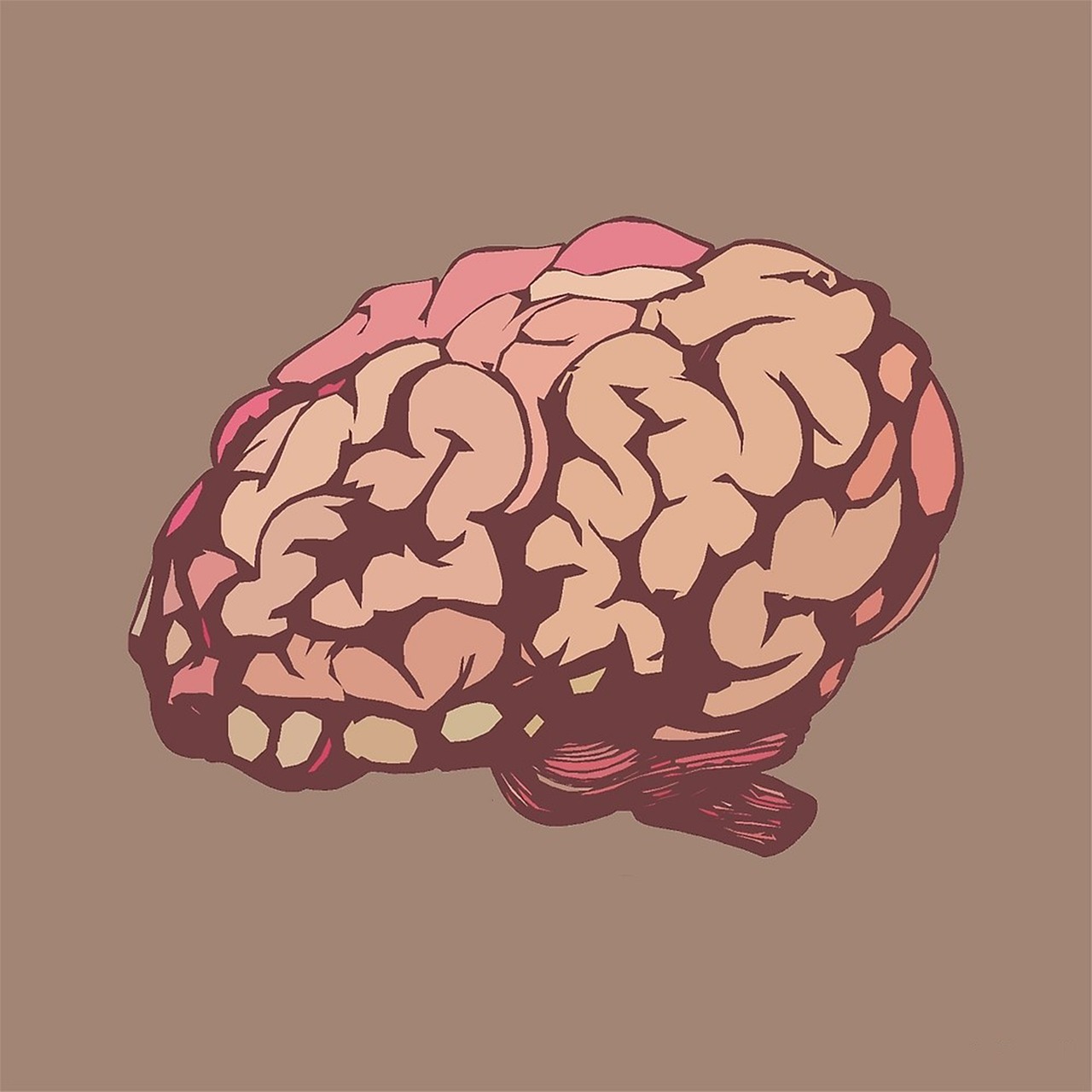
The human brain represents one of nature’s most sophisticated networks, capable of producing extraordinary feats of cognition when its billions of neurons work in harmony. Understanding how this synchronization unlocks peak performance offers transformative insights for anyone seeking cognitive excellence.

Recent neuroscience discoveries reveal that superior cognitive abilities aren’t simply about having more neurons or increased brain size. Instead, the key lies in how effectively different brain regions communicate and synchronize their electrical activity. This orchestration creates the foundation for enhanced memory, creativity, problem-solving, and decision-making capabilities that define peak mental performance.
🧠 The Science Behind Brain Network Synchronization
Brain network synchronization refers to the coordinated firing patterns of neural populations across different brain regions. When neurons fire in rhythmic patterns at similar frequencies, they create what neuroscientists call “neural oscillations” or brain waves. These oscillations enable efficient information transfer between distant brain areas, much like radio stations broadcasting on synchronized frequencies.
The brain operates through multiple frequency bands, each associated with distinct cognitive functions. Delta waves dominate deep sleep, theta waves emerge during meditation and memory consolidation, alpha waves characterize relaxed alertness, beta waves accompany active thinking, and gamma waves correlate with peak cognitive processing and consciousness itself.
What makes high performers exceptional isn’t just the presence of these brain waves, but rather their ability to flexibly shift between frequencies and maintain coherent synchronization across networks when needed. This neural flexibility allows the brain to dynamically adapt to different cognitive demands, switching seamlessly from focused attention to creative thinking or from analytical reasoning to intuitive insight.
The Default Mode and Executive Control Networks
Two critical networks dominate discussions of cognitive performance: the Default Mode Network (DMN) and the Executive Control Network (ECN). The DMN activates during rest, mind-wandering, and self-reflection, while the ECN engages during goal-directed tasks requiring focused attention and working memory.
Research demonstrates that elite performers exhibit superior ability to toggle between these networks. They can deeply engage the ECN when concentrating on complex problems, then efficiently switch to the DMN for creative incubation. This network flexibility correlates strongly with intelligence, creativity, and overall cognitive capacity.
⚡ Neural Coherence: The Backbone of Peak Performance
Neural coherence describes the degree to which brain regions oscillate in synchrony. High coherence indicates efficient communication and information integration across brain areas. Studies of experts across various domains—from chess grandmasters to elite athletes—consistently show enhanced neural coherence compared to novices.
This heightened coherence manifests most dramatically during flow states, those optimal performance moments when individuals report effortless concentration and peak achievement. Brain imaging reveals that flow states feature unique synchronization patterns, particularly increased alpha-theta coupling in frontal regions and enhanced gamma oscillations across widespread cortical areas.
The prefrontal cortex plays a central orchestrating role in this synchronization. Acting as the brain’s conductor, it coordinates activity across sensory, motor, and memory regions to produce unified cognitive output. When prefrontal networks synchronize effectively with posterior brain areas, individuals demonstrate superior working memory capacity, faster processing speed, and enhanced ability to filter distracting information.
Cross-Frequency Coupling: The Hidden Mechanism
Beyond simple synchronization at single frequencies, the brain employs sophisticated cross-frequency coupling mechanisms. This phenomenon occurs when oscillations at different frequencies interact, with faster rhythms riding on slower wave cycles. Research indicates that cross-frequency coupling facilitates long-range communication in the brain and plays crucial roles in memory formation and cognitive control.
Theta-gamma coupling, for instance, appears essential for working memory. The slower theta rhythm provides temporal windows during which faster gamma oscillations encode specific memory items. Individuals with stronger theta-gamma coupling demonstrate superior working memory performance, a cornerstone of general intelligence and problem-solving ability.
🎯 Practical Applications: Training Your Brain for Synchronization
Understanding brain synchronization mechanisms provides actionable pathways for enhancing cognitive performance. Multiple evidence-based techniques can strengthen neural coherence and improve network communication efficiency.
Neurofeedback Training
Neurofeedback allows individuals to observe their brain activity in real-time and learn to modulate specific frequency bands. Through repeated training sessions, people can strengthen desired brain wave patterns and improve network synchronization. Studies document significant improvements in attention, memory, and emotional regulation following neurofeedback protocols.
Athletes, musicians, and business executives increasingly employ neurofeedback to optimize performance. The technique shows particular promise for enhancing alpha-theta synchronization associated with creative problem-solving and reducing excessive beta activity linked to performance anxiety.
Meditation and Mindfulness Practices
Meditation represents perhaps the most accessible method for enhancing brain synchronization. Long-term meditation practitioners exhibit remarkable increases in gamma wave synchronization, particularly in circuits connecting prefrontal and parietal regions. These changes correlate with improved attention control, emotional stability, and self-awareness.
Even brief mindfulness training produces measurable neuroplastic changes. Eight weeks of mindfulness-based stress reduction increases functional connectivity between attention networks and enhances the brain’s ability to maintain synchronized activity during challenging cognitive tasks. The practice essentially trains the brain’s synchronization capacity like a muscle.
Cognitive Training and Brain Games
Targeted cognitive training can strengthen specific brain networks and their synchronization patterns. Working memory training, for example, increases connectivity within frontoparietal networks and enhances theta oscillations associated with memory encoding. These neural changes often transfer to improved performance on untrained cognitive tasks.
The key lies in selecting training protocols that challenge the brain’s synchronization capacity rather than simply rehearsing specific skills. Dual-task training, where individuals perform multiple cognitive operations simultaneously, appears particularly effective for enhancing network coordination and cognitive flexibility.
🔬 Lifestyle Factors Influencing Brain Synchronization
Beyond direct training interventions, various lifestyle factors significantly impact neural synchronization and cognitive performance. Optimizing these foundational elements creates the biological conditions for peak brain function.
Sleep Architecture and Neural Reset
Sleep serves critical functions in maintaining healthy brain synchronization. During deep sleep, slow delta oscillations sweep across the cortex, coordinating the replay of daily experiences for memory consolidation. Disrupted sleep architecture degrades this process, impairing both memory and cognitive performance.
The sleep-wake cycle also resets neural networks, clearing metabolic waste products that accumulate during waking hours. Chronic sleep deprivation reduces neural coherence, particularly in prefrontal networks, leading to impaired attention, decision-making, and emotional regulation. Prioritizing consistent, adequate sleep represents a foundational strategy for maintaining optimal brain synchronization.
Physical Exercise and Neuroplasticity
Aerobic exercise produces profound effects on brain network organization and synchronization. Regular cardiovascular activity increases brain-derived neurotrophic factor (BDNF), a protein that supports neural growth and connectivity. Exercise also enhances functional connectivity between brain regions and improves the efficiency of neural communication.
Studies reveal that physically fit individuals demonstrate superior network flexibility, switching more efficiently between brain states according to task demands. Exercise-induced improvements in brain synchronization translate to better executive function, memory, and processing speed. The cognitive benefits appear most pronounced with moderate-intensity activities performed consistently over time.
Nutrition and Neural Function
The brain’s synchronization capacity depends on adequate nutritional support. Omega-3 fatty acids, particularly DHA, maintain neuronal membrane integrity and facilitate efficient signal transmission between neurons. Deficiency in these essential fats correlates with reduced neural coherence and cognitive impairment.
Other nutrients play supporting roles in neural synchronization. B vitamins support myelin production, enhancing signal conduction speed. Antioxidants protect neurons from oxidative stress that can disrupt network function. Maintaining stable blood glucose levels prevents the metabolic fluctuations that impair prefrontal synchronization and executive control.
💡 The Role of Environment and Cognitive Ecology
The external environment significantly influences brain synchronization patterns. Environmental complexity, novelty, and challenge drive neuroplastic changes that enhance network connectivity and coordination. Conversely, monotonous, understimulating environments allow neural networks to atrophy.
Creating enriched cognitive environments—through diverse learning experiences, social interaction, and novel challenges—maintains the brain’s synchronization capacity across the lifespan. This principle underlies cognitive reserve theory, which explains why individuals with intellectually stimulating lifestyles show greater resilience against age-related cognitive decline.
Social Connection and Neural Mirroring
Social interaction engages sophisticated brain synchronization mechanisms. When people communicate effectively, their brain activity literally synchronizes, a phenomenon called neural coupling or brain-to-brain synchronization. This interpersonal neural resonance facilitates understanding, empathy, and coordinated action.
Research using dual-brain imaging reveals that successful communication produces correlated activity patterns between speakers and listeners. The strength of this neural coupling predicts comprehension quality. High-quality social relationships thus provide regular opportunities for practicing and strengthening the brain’s synchronization capacity.
🚀 Emerging Technologies and Future Directions
Technological advances are opening new frontiers in brain synchronization enhancement. Non-invasive brain stimulation techniques like transcranial magnetic stimulation (TMS) and transcranial direct current stimulation (tDCS) can modulate neural oscillations and strengthen network connectivity. Early evidence suggests these approaches may accelerate learning, enhance memory consolidation, and improve cognitive performance.
Brain-computer interfaces represent another promising direction. These systems decode neural activity patterns in real-time, potentially allowing individuals to optimize their brain states for specific tasks. As the technology matures, we may see personalized cognitive enhancement systems that provide feedback and guidance for maintaining optimal neural synchronization throughout the day.
Personalized Brain Training Approaches
Individual brains differ substantially in their baseline synchronization patterns and response to interventions. Future cognitive enhancement will likely emphasize personalized approaches based on individual neuroimaging data. By mapping each person’s unique brain network architecture, interventions can target specific synchronization deficits or leverage existing strengths for maximum performance gains.
Artificial intelligence and machine learning algorithms are beginning to identify subtle brain synchronization patterns associated with peak performance states. These computational approaches may eventually enable precise prediction of cognitive capacity in real-time and provide individualized recommendations for optimization strategies.
🎨 Creativity and Neural Synchronization Dynamics
Creative insight depends on unique brain synchronization patterns distinct from those supporting analytical thinking. Creative breakthroughs often emerge from transient hypersynchronization between brain regions not typically connected, allowing novel associations to form. This explains why creative ideas frequently arrive during relaxed states when default mode networks activate and executive control loosens.
The most creative individuals demonstrate exceptional ability to flexibly modulate their brain’s synchronization patterns. They can engage focused analytical processing when refining ideas, then release into diffuse attention states that permit unexpected neural connections to emerge. Training this synchronization flexibility may represent a key strategy for enhancing creative capacity.
⚖️ Finding Balance: The Goldilocks Principle of Brain Synchronization
While synchronization generally supports cognitive performance, excessive synchronization can impair function. Epileptic seizures represent pathological hypersynchronization, where normal brain activity becomes overwhelmed by excessive coordinated firing. Similarly, rigid synchronization patterns reduce the brain’s flexibility and adaptability.
Optimal cognitive performance requires balanced synchronization—coherent enough for efficient information integration, yet flexible enough for dynamic adaptation. This “Goldilocks zone” varies across individuals and contexts. Understanding your personal synchronization profile and learning to modulate it appropriately represents an advanced cognitive skill worth developing.

🌟 Integrating Knowledge Into Practice
Translating neuroscience insights about brain synchronization into practical performance enhancement requires systematic application. Begin by establishing foundational practices: prioritize sleep quality, engage in regular aerobic exercise, and maintain proper nutrition. These basics create the biological conditions necessary for healthy neural synchronization.
Next, incorporate specific synchronization training. Even 10-15 minutes of daily meditation can produce measurable improvements in neural coherence over weeks. Consider cognitive training programs targeting working memory and attention control. Track your subjective performance and gradually refine your approach based on what produces noticeable cognitive benefits.
Finally, optimize your cognitive ecology. Seek intellectually stimulating activities, maintain rich social connections, and regularly expose yourself to novel challenges. These environmental factors continuously shape your brain’s network architecture and synchronization capacity, creating cumulative benefits over time.
The journey toward peak cognitive performance through enhanced brain synchronization is both scientifically grounded and personally rewarding. By understanding the neural mechanisms underlying superior cognition and systematically applying evidence-based optimization strategies, anyone can unlock greater mental potential. The brain’s remarkable plasticity means that improvement remains possible throughout life—synchronization capacity can be trained, refined, and enhanced regardless of starting point. Commit to the practices that strengthen your neural networks, and you’ll discover cognitive capabilities you never knew you possessed.