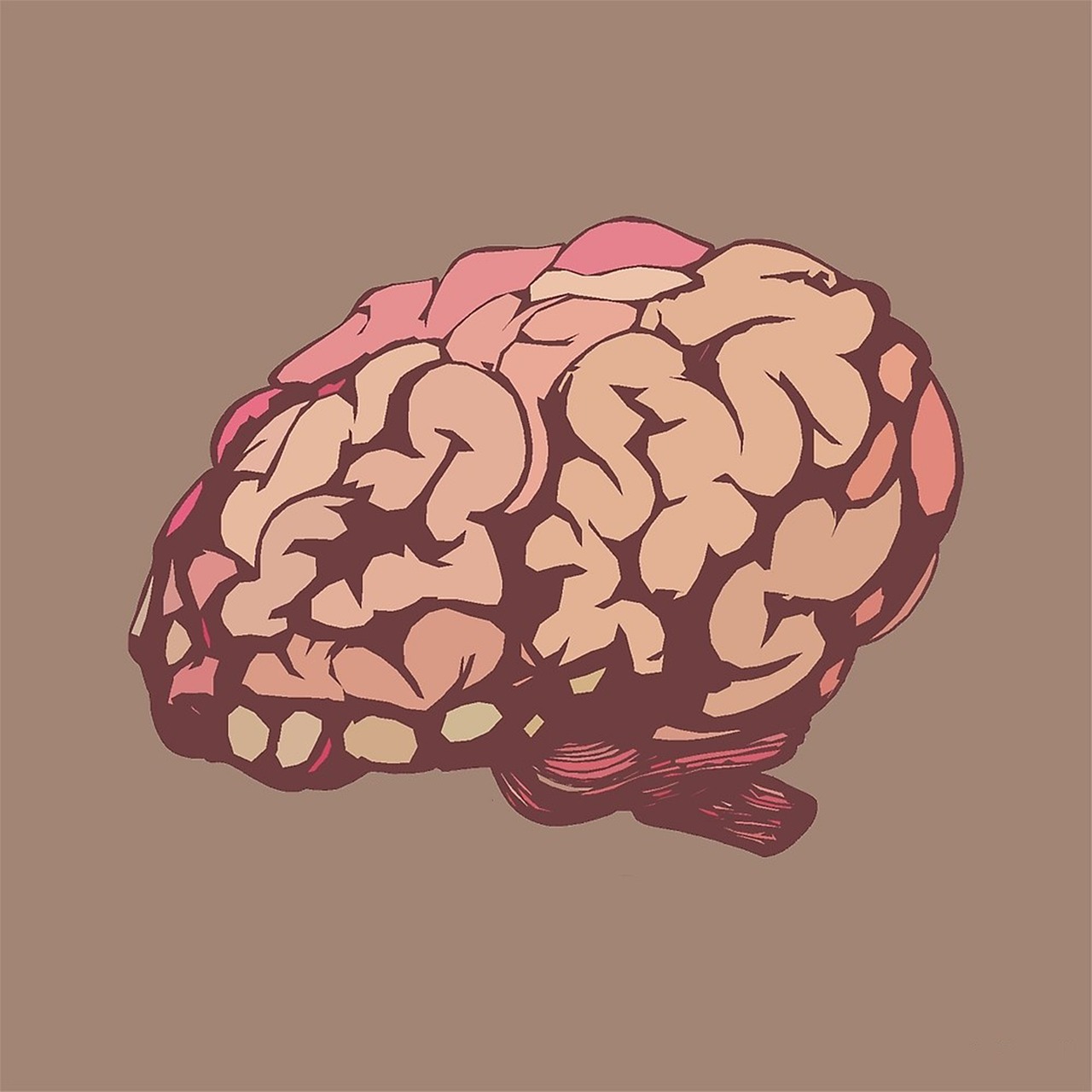
The human brain operates as an intricate network where billions of neurons communicate through trillions of connections, creating the biological foundation of thought, emotion, and behavior.

Recent advances in neuroscience have revealed that many neurological and psychiatric disorders don’t stem from isolated brain regions malfunctioning, but rather from disruptions in how different brain areas communicate with each other. This paradigm shift has fundamentally changed our understanding of conditions ranging from autism spectrum disorder to schizophrenia, from Alzheimer’s disease to depression. The concept of “connectivity” has emerged as a central framework for understanding brain function and dysfunction, offering new pathways for diagnosis, treatment, and ultimately, hope for millions affected by these conditions. 🧠
The Brain’s Communication Highway: Understanding Neural Connectivity
Neural connectivity refers to the complex patterns of communication between different brain regions. Scientists distinguish between structural connectivity—the physical wiring of neurons through white matter tracts—and functional connectivity, which describes how brain regions synchronize their activity over time. Both types of connectivity are essential for normal brain function, enabling everything from basic sensory processing to complex cognitive operations like decision-making and self-awareness.
Modern neuroimaging techniques, particularly functional magnetic resonance imaging (fMRI) and diffusion tensor imaging (DTI), have allowed researchers to map these connection patterns in unprecedented detail. What they’ve discovered is that the healthy brain exhibits remarkably consistent patterns of connectivity, organized into distinct networks that support specific functions. These include the default mode network involved in self-referential thinking, the salience network that directs attention to important stimuli, and the executive control network responsible for goal-directed behavior.
When Connections Go Awry: The Disconnection Hypothesis
The disconnection hypothesis posits that psychiatric and neurological disorders arise when these carefully orchestrated communication patterns break down. Rather than viewing conditions as problems localized to specific brain structures, this framework understands them as network-level disturbances. A region might function normally in isolation but cause significant impairment when it fails to properly communicate with its network partners.
This perspective has proven remarkably powerful in explaining the complex symptomatology of many brain disorders. Why do individuals with schizophrenia experience such diverse symptoms affecting perception, cognition, and emotion? The answer may lie in widespread connectivity disruptions affecting multiple brain networks simultaneously, rather than damage to a single brain area.
Autism Spectrum Disorder: A Tale of Altered Wiring
Autism spectrum disorder (ASD) represents one of the most studied examples of connectivity-based neurological differences. Research consistently shows that individuals with autism exhibit atypical patterns of both short-range and long-range brain connectivity. Many studies have found evidence of increased local connectivity within specific brain regions, potentially explaining the enhanced perceptual abilities and attention to detail characteristic of many autistic individuals. 🔍
Simultaneously, reduced long-range connectivity between distant brain regions may contribute to challenges with social communication and cognitive flexibility. The brain’s social processing networks, which typically show strong coordinated activity during social interactions, often display reduced synchronization in autism. These connectivity differences emerge early in development and persist throughout life, suggesting they represent fundamental variations in how the autistic brain is organized.
Individual Differences and the Connectivity Fingerprint
One fascinating discovery is that connectivity patterns in autism are highly individual. While group-level differences exist, each person with autism shows a unique “connectivity fingerprint.” This heterogeneity helps explain why autism manifests so differently across individuals and why treatments that work for one person may be ineffective for another. Understanding individual connectivity profiles may eventually enable truly personalized interventions tailored to each person’s specific neural architecture.
Schizophrenia: The Fractured Network
Schizophrenia has long puzzled researchers with its diverse symptoms spanning hallucinations, delusions, disorganized thinking, and emotional flatness. The connectivity framework offers compelling explanations for this clinical complexity. Multiple studies have documented widespread disruptions in both structural and functional connectivity in schizophrenia, affecting networks involved in sensory processing, attention, memory, and self-awareness.
One particularly intriguing finding involves the default mode network, which typically deactivates during externally focused tasks and activates during rest and self-reflection. In schizophrenia, this network often fails to properly deactivate, potentially explaining symptoms like intrusive thoughts and difficulties distinguishing internal mental states from external reality. Meanwhile, disconnections in auditory networks may contribute to auditory hallucinations, as the brain loses its ability to correctly identify internally generated speech.
The Dopamine Connection and Network Dynamics
Traditional theories of schizophrenia emphasized dopamine dysregulation, and antipsychotic medications primarily target dopamine receptors. The connectivity perspective doesn’t replace this understanding but enriches it, suggesting that dopamine abnormalities may actually drive connectivity disruptions. Dopamine plays crucial roles in modulating neural communication, so its dysregulation could cascade into the widespread network disturbances observed in schizophrenia, linking molecular, circuit, and symptom levels of understanding.
Depression and Anxiety: Networks of Negative Emotion
Mood and anxiety disorders have also been reconceptualized through the lens of disrupted connectivity. Depression, in particular, shows characteristic alterations in several key networks. The default mode network often becomes hyperactive and hyperconnected in depression, correlating with the rumination and negative self-focused thinking that characterize the condition. Meanwhile, connections between prefrontal cognitive control regions and limbic emotional centers are often weakened, reducing the ability to regulate negative emotions. 😔
Anxiety disorders show their own distinctive connectivity signatures. Hyperconnectivity between the amygdala—the brain’s threat detection center—and sensory processing regions may amplify the perception of potential dangers. Simultaneously, reduced connectivity with prefrontal regulatory regions impairs the ability to rationally assess and downregulate threat responses, creating the perfect storm for persistent anxiety.
Treatment Implications: Rewiring Through Intervention
Understanding depression and anxiety as connectivity disorders has opened new therapeutic avenues. Traditional treatments like cognitive behavioral therapy and antidepressant medications appear to work partly by normalizing disrupted connectivity patterns. Neuroimaging studies have shown that successful treatment correlates with restoration of more typical network organization. Newer interventions specifically target connectivity, including transcranial magnetic stimulation (TMS) and neurofeedback, which aim to directly modulate network activity patterns.
Alzheimer’s Disease: The Unraveling of Memory Networks
Alzheimer’s disease provides a tragic example of progressive connectivity breakdown. While the disease is characterized by accumulation of amyloid plaques and tau tangles, these pathological proteins don’t randomly affect the brain. Instead, they preferentially target highly connected hub regions that serve as critical communication junctions in brain networks. The default mode network is particularly vulnerable in early Alzheimer’s, explaining why memory and self-awareness decline early in the disease course.
As connectivity progressively deteriorates, the brain loses its ability to integrate information across regions. Memories become inaccessible not necessarily because they’re erased, but because the networks needed to retrieve them are disrupted. This understanding has shifted therapeutic focus toward preserving connectivity through cognitive engagement, physical exercise, and potentially, interventions that protect neural communication pathways from degeneration.
ADHD: When the Brain’s Attention Networks Misfire
Attention-deficit/hyperactivity disorder (ADHD) exemplifies how subtle connectivity alterations can profoundly impact daily functioning. Research indicates that ADHD involves reduced connectivity within attention networks and altered communication between attention and default mode networks. The brain struggles to appropriately switch between externally focused attention and internally focused thought, creating the characteristic difficulties with sustained focus and impulse control. ⚡
Interestingly, ADHD connectivity patterns show developmental trajectories that differ from typical development. Rather than representing permanent abnormalities, they may reflect delays or alternative developmental pathways. This insight has implications for treatment timing and approaches, suggesting that interventions supporting healthy connectivity development might be particularly effective during critical developmental windows.
Epilepsy: When Synchrony Becomes Dangerous
While many disorders involve too little connectivity or coordination, epilepsy demonstrates the dangers of excessive synchronization. Seizures occur when large populations of neurons fire together in abnormal hypersynchronous patterns. Modern epilepsy research increasingly views the condition as a network disorder, where seizures don’t simply originate from one “epileptic focus” but involve broader network dynamics.
This network perspective has revolutionized epilepsy surgery. Rather than simply removing the seizure focus, surgeons now consider how removing tissue will impact broader network organization. Some seizures involve multiple interconnected regions, and successful treatment requires disrupting the pathological network while preserving essential connectivity for normal function.
Stroke and Traumatic Brain Injury: Disrupted Connectivity and Recovery
When stroke or traumatic brain injury damages brain tissue, the immediate damage is obvious. Less visible but equally important are the connectivity disruptions extending beyond the injury site. Damaged regions can no longer properly communicate with their network partners, causing functional impairments that seem disproportionate to the visible lesion size.
Recovery from brain injury increasingly appears to involve connectivity reorganization. The brain compensates for lost regions by strengthening alternative pathways and recruiting different areas to perform lost functions. Understanding these reorganization processes has led to more effective rehabilitation strategies that encourage beneficial plasticity while preventing maladaptive compensations. The degree and pattern of connectivity preservation or restoration after injury strongly predicts functional outcomes.
Emerging Technologies: Mapping and Modulating Brain Networks
Technological advances continue expanding our ability to understand and intervene in brain connectivity. High-density EEG and magnetoencephalography (MEG) provide millisecond-level temporal resolution of network dynamics. Advanced MRI techniques reveal structural connectivity with increasing precision. Machine learning algorithms can now predict diagnosis and treatment response based on individual connectivity patterns, moving toward truly personalized psychiatry and neurology. 🔬
Interventional technologies are also evolving. Deep brain stimulation, long used for Parkinson’s disease, is being refined to target specific network abnormalities in depression and obsessive-compulsive disorder. Non-invasive brain stimulation techniques like TMS can modulate network activity. Closed-loop neurofeedback allows individuals to learn to directly alter their own brain connectivity patterns, though this technology remains largely experimental.
The Path Forward: From Understanding to Healing
The connectivity revolution in neuroscience has fundamentally transformed how we understand brain disorders. Rather than discrete diseases of specific brain structures, we now recognize them as complex network phenomena with unique signatures and dynamics. This shift brings both challenges and opportunities.
The challenge lies in the sheer complexity of brain networks. The human brain contains approximately 86 billion neurons with trillions of connections, creating a system of staggering intricacy. Mapping all these connections—the complete “connectome”—remains an ambitious long-term goal. Even when mapped, understanding how network properties give rise to symptoms and identifying optimal intervention points requires sophisticated analytical approaches still under development.
Personalized Medicine Through Connectivity Profiles
The opportunity lies in unprecedented potential for personalized medicine. If we can characterize each individual’s unique connectivity profile, we can tailor treatments to their specific network abnormalities. Someone with depression showing primarily default mode network hyperconnectivity might benefit most from meditation-based interventions, while someone with primarily reduced prefrontal-limbic connectivity might respond better to cognitive training or specific medication approaches.
Predictive modeling based on connectivity patterns could identify individuals at risk for disorders before symptoms emerge, enabling early intervention. Connectivity measures might serve as objective biomarkers for treatment response, ending the current trial-and-error approach to psychiatric medication selection. These possibilities, once science fiction, are becoming increasingly realistic as imaging technology improves and becomes more accessible.

Rethinking Mental Health Through Connected Minds
Beyond clinical applications, the connectivity framework has profound implications for how we conceptualize mental health and illness. It reinforces that psychiatric and neurological conditions are not character flaws or failures of willpower, but differences in brain organization with biological bases. This understanding can reduce stigma and promote compassion.
Simultaneously, recognizing the brain’s fundamental interconnectedness highlights the artificial nature of traditional diagnostic boundaries. Depression, anxiety, and other conditions often co-occur not coincidentally, but because they share disrupted connectivity patterns. Future diagnostic systems may classify disorders by their underlying network dysfunctions rather than by symptom checklists, leading to more effective, mechanism-based treatments.
The connectivity perspective also emphasizes that brain networks remain plastic throughout life, capable of reorganization in response to experience and intervention. This neuroplasticity provides grounds for hope—even longstanding connectivity disruptions can potentially be addressed through targeted interventions, whether psychological, pharmacological, or technological. Every social interaction, learning experience, and therapeutic session has the potential to reshape neural networks, literally rewiring the patterns that underlie thought, emotion, and behavior. 🌟
As research continues unraveling how disrupted connectivity shapes neurological and psychiatric disorders, we move closer to truly understanding the brain not as a collection of isolated parts, but as the magnificently integrated network it truly is. This understanding promises not just better treatments, but a fundamental transformation in how we approach brain health, mental illness, and the remarkable organ that makes us who we are.