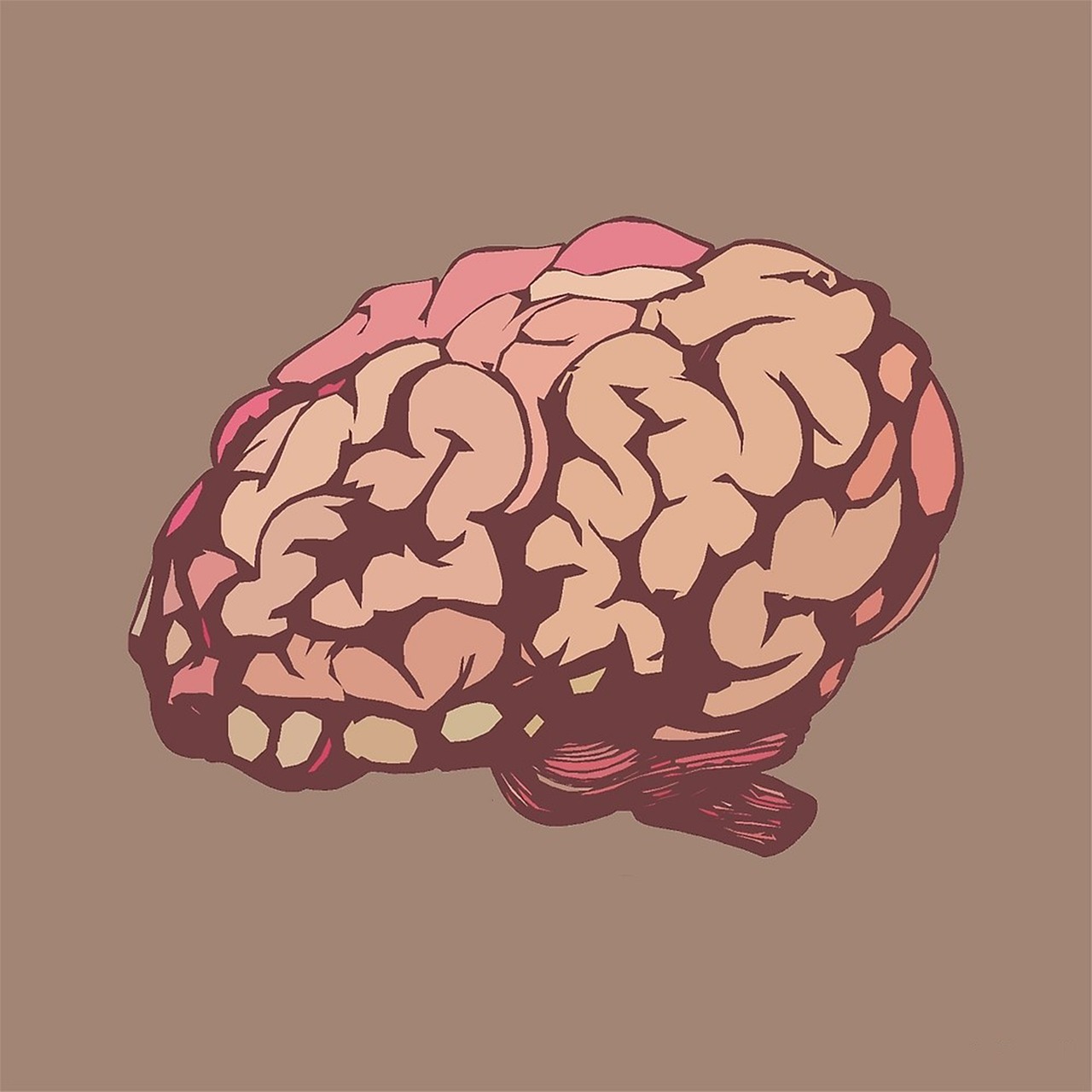
Every moment of our lives is colored by emotion. Whether we realize it or not, our current mood acts as an invisible lens, filtering and shaping how we perceive reality around us.

The profound connection between emotions and perception has fascinated psychologists, neuroscientists, and philosophers for centuries. Our emotional state doesn’t merely accompany our experiences—it fundamentally transforms them. When we’re happy, the world seems brighter, opportunities appear more abundant, and challenges feel more manageable. Conversely, when we’re sad or anxious, the same environment can feel threatening, overwhelming, or devoid of possibilities. Understanding this dynamic relationship between mood and perception opens doors to greater self-awareness, improved decision-making, and a more intentional approach to living.
🧠 The Science Behind Emotional Perception
Our brains are not passive recording devices that objectively document reality. Instead, they actively construct our experience of the world, with emotions playing a central role in this construction process. Neuroscientific research has revealed that emotional states activate specific neural pathways that influence attention, memory, and interpretation of sensory information.
The amygdala, often called the brain’s emotional center, works in tandem with the prefrontal cortex to evaluate incoming information and assign emotional significance. When we’re in a positive emotional state, our brain releases neurotransmitters like dopamine and serotonin, which enhance cognitive flexibility, broaden our attention span, and make us more receptive to new information.
Conversely, negative emotional states trigger the release of stress hormones like cortisol, which narrow our focus and prime us to detect threats. This evolutionary adaptation once helped our ancestors survive dangerous situations, but in modern life, it can distort our perception of relatively benign circumstances, making us interpret neutral events as threatening or problematic.
The Mood-Congruent Memory Effect 📚
One of the most striking ways mood shapes perception is through what psychologists call “mood-congruent memory.” This phenomenon describes our tendency to recall memories that match our current emotional state. When we’re happy, we’re more likely to remember positive experiences from our past. When we’re sad, negative memories become more accessible.
This effect creates a powerful feedback loop. A bad mood makes us remember past failures and disappointments, which then reinforces and deepens the bad mood. Similarly, a good mood helps us access positive memories, which further elevates our spirits. Understanding this mechanism is crucial because it reveals how our present emotional state can literally rewrite our autobiographical narrative.
Breaking the Cycle of Negative Rumination
Recognizing mood-congruent memory allows us to interrupt negative spiral patterns. When you find yourself dwelling on past mistakes or disappointments, it’s worth asking: “Am I remembering these things because they’re objectively the most important events in my life, or because my current mood is directing my attention toward them?”
This awareness creates psychological distance and opens possibilities for intentionally shifting focus. Practices like gratitude journaling, which deliberately directs attention toward positive experiences, can help counterbalance the natural tendency toward mood-congruent recall during difficult times.
Color, Light, and Emotional Interpretation 🌈
Our emotional state literally changes how we perceive colors and brightness. Research has demonstrated that people in positive moods perceive colors as more saturated and vibrant, while those experiencing depression or sadness tend to see the world in more muted, desaturated tones. This isn’t merely metaphorical—actual perceptual processing changes based on emotional state.
One fascinating study found that participants induced into sad moods had difficulty discriminating between colors on the blue-yellow spectrum, suggesting that emotional state affects the fundamental neurological processing of visual information. The common expression “seeing the world through rose-colored glasses” when happy, or everything appearing “gray” when depressed, turns out to have a literal neurological basis.
Social Perception Through Emotional Lenses 👥
Perhaps nowhere is the influence of mood on perception more consequential than in our social interactions. Our emotional state profoundly affects how we interpret facial expressions, vocal tones, and social cues from others.
When we’re anxious, we’re more likely to interpret ambiguous facial expressions as hostile or rejecting. When we’re in a positive mood, we tend to give others the benefit of the doubt and interpret the same ambiguous expressions as friendly or neutral. This has enormous implications for relationships, workplace dynamics, and conflict resolution.
The Projection Problem
We often unconsciously project our emotional state onto others. If you wake up irritable, you might perceive your partner as being annoying, when in reality they’re behaving no differently than usual. Your colleagues might seem incompetent on a day when you’re frustrated, yet appear perfectly capable when you’re in a better mood.
This projection can create real problems in relationships because we often act on these distorted perceptions as if they were objective truth. Developing the habit of checking in with your own emotional state before making judgments about others’ intentions or character is a crucial skill for maintaining healthy relationships.
Decision-Making and Risk Assessment 🎲
Our emotional state dramatically influences how we evaluate options, assess risks, and make decisions. Research in behavioral economics has revealed that positive moods tend to make people more optimistic about potential outcomes and more willing to take calculated risks. Negative moods, particularly anxiety, lead to more conservative, risk-averse decision-making.
Neither approach is inherently superior—the key is awareness. Major life decisions made during emotional extremes, whether euphoric or depressed, often seem questionable in retrospect. The person who quits their job in a burst of confidence during a manic phase may regret it later, just as the person who turns down an opportunity during a depressive episode might later wish they’d taken the chance.
Practical Decision-Making Strategies
Understanding the mood-decision connection suggests several practical strategies:
- Delay major decisions when experiencing extreme emotional states, whether positive or negative
- Seek input from trusted others who can provide a more neutral perspective
- Use structured decision-making frameworks that reduce reliance on gut feelings
- Notice your emotional state and explicitly factor it into your evaluation process
- Test important decisions across multiple days and different mood states before committing
Time Perception and Emotional Experience ⏰
Emotions don’t just change what we perceive—they transform our experience of time itself. When we’re enjoying ourselves, time seems to fly by. When we’re bored, anxious, or in pain, minutes can feel like hours. This isn’t merely subjective impression; emotional states actually alter our neurological processing of temporal information.
Positive emotional states, particularly those involving engagement and flow, compress our subjective experience of time. We look up from an absorbing activity and are shocked to discover how much time has passed. Negative states, especially those involving anticipation or waiting, expand subjective time, making us acutely aware of every passing moment.
This has profound implications for how we experience our lives. Two people living objectively similar lives can have vastly different subjective experiences based on their predominant emotional patterns. The person who frequently experiences positive engagement will feel their days pass quickly, while the person experiencing chronic anxiety or boredom will feel time dragging, making their life feel subjectively longer—though not in a pleasant way.
Physical Sensation and Pain Perception 💪
The relationship between mood and perception extends even to physical sensations. Research consistently shows that emotional state influences pain perception. People experiencing depression report greater pain sensitivity, while positive moods have an analgesic effect, reducing perceived pain intensity.
This isn’t “all in your head” in the dismissive sense—the pain is real, but emotional state genuinely modulates how pain signals are processed by the nervous system. Anxiety amplifies pain perception, while relaxation and positive mood activate the body’s natural pain-suppression systems.
Understanding this connection has practical implications for managing chronic pain, recovering from injuries, and coping with illness. Addressing emotional well-being isn’t separate from treating physical symptoms—it’s an integral part of the healing process.
Cultivating Emotional Awareness 🌱
Given the profound influence of mood on perception, developing emotional awareness becomes essential for navigating life effectively. This doesn’t mean trying to always be positive or denying negative emotions—that approach is both impossible and counterproductive. Instead, it means recognizing your current emotional state and understanding how it might be shaping your perceptions.
Practical Techniques for Emotional Awareness
Several evidence-based practices can help develop this crucial skill:
- Mood tracking: Regularly noting your emotional state helps identify patterns and triggers
- Body scanning: Emotional states manifest physically; tuning into bodily sensations enhances awareness
- Mindfulness meditation: Observing thoughts and feelings without judgment develops meta-awareness
- Emotion labeling: Putting precise names to feelings reduces their overwhelming intensity
- Context checking: Before reacting, pause to consider whether your perception might be mood-influenced
The Weather-Mood-Perception Connection 🌤️
Environmental factors like weather significantly impact mood, which then cascades into perceptual changes. Research has found correlations between sunny weather and positive mood, stock market performance, and even tipping behavior. Conversely, prolonged cloudy or rainy periods can contribute to depressed mood and altered perception.
The seasonal variation in mood reaches clinical significance in Seasonal Affective Disorder, where reduced sunlight exposure during winter months leads to depression. But even subclinical variations affect most people’s moods and perceptions throughout the year.
Awareness of these environmental influences allows us to contextualize our experiences more accurately. Feeling pessimistic about your life circumstances on a gray, rainy day? Your mood might be responding to environmental factors rather than reflecting genuine problems in your life. Conversely, feeling unrealistically optimistic during a beautiful spring day? Your perception might be sunnier than the actual situation warrants.
Transforming Experience Through Intentional Mood Regulation 🔄
Understanding how mood shapes perception isn’t merely academic—it empowers us to take active steps to influence our experience of reality. While we can’t control our emotions directly through willpower alone, we can engage in activities and practices that shift emotional states, which then transform perception.
Exercise, for instance, reliably improves mood through neurochemical changes, which then brightens perception and enhances cognitive function. Social connection activates reward circuits in the brain, creating positive emotional states that expand our attention and make us more receptive to opportunities. Adequate sleep regulates emotional processing centers, preventing the perceptual distortions that come with sleep deprivation.
Creating Supportive Environments
We can also structure our environments to support positive emotional states. Exposure to nature, even brief walks in green spaces, reliably improves mood and consequently alters perception. Listening to music activates emotional circuits and can rapidly shift mood. Social rituals and regular positive activities create predictable mood-boosting experiences.
These aren’t superficial “quick fixes” but rather strategic interventions based on understanding the mood-perception connection. When you improve your emotional baseline, you literally change how you experience reality.

Living With Intentional Emotional Intelligence 🎯
The power of emotions to shape perception represents both a challenge and an opportunity. The challenge is that we can never perceive reality with perfect objectivity—our emotional state always colors our experience. But the opportunity is that by developing emotional awareness and implementing mood-regulating practices, we can profoundly influence the quality of our lived experience.
This doesn’t mean pursuing constant happiness or denying difficult emotions. Instead, it means recognizing that your current mood is a lens through which you’re viewing the world, not an objective reflection of reality. It means understanding that the overwhelming problem that consumes your thoughts during an anxious period might look entirely manageable when you’re in a different emotional state.
By unlocking this understanding of how mood shapes perception, we gain agency over our experience of life. We become less reactive to emotional fluctuations and more capable of intentional living. We develop the wisdom to distinguish between genuine problems requiring action and perceptual distortions driven by temporary emotional states.
The world you experience tomorrow will be shaped not just by external circumstances, but by the emotional lens through which you view those circumstances. Understanding this fundamental truth—that emotion transforms perception—empowers you to live more consciously, respond more skillfully, and ultimately experience a richer, more authentic engagement with the world around you. The power has always been within you; awareness simply unlocks it. 🔓