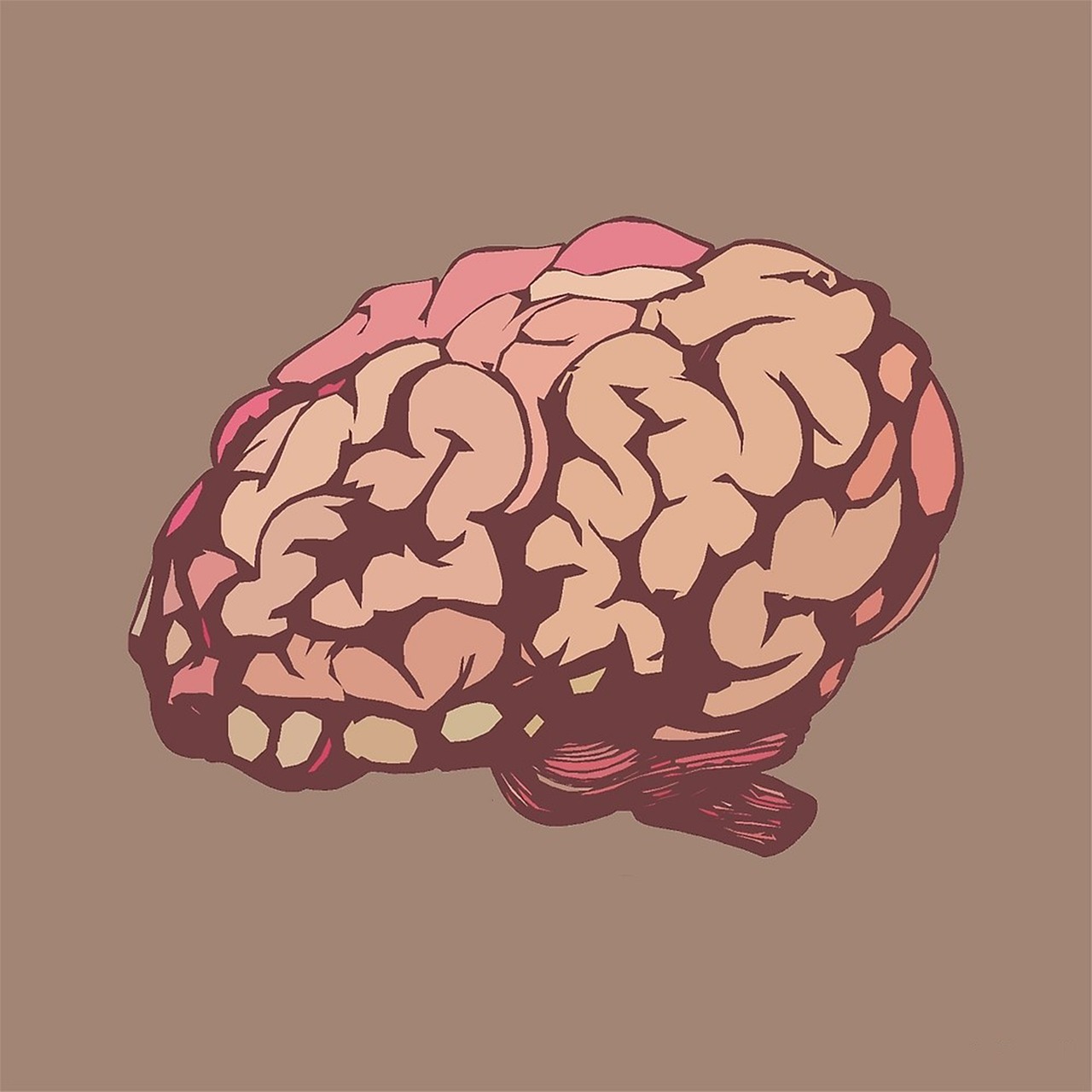
The human brain remains one of the most fascinating and complex structures in the known universe, orchestrating every thought, emotion, and action we experience.

Understanding how neural activity translates into observable behavior has captivated scientists, psychologists, and philosophers for centuries. This intricate relationship between brain function and human conduct reveals profound insights into what makes us uniquely human, how we make decisions, and why we behave the way we do in different situations.
🧠 The Biological Foundation of Human Behavior
At its core, human behavior emerges from the coordinated activity of approximately 86 billion neurons in the brain. These specialized cells communicate through electrical impulses and chemical signals, creating networks that process information, store memories, and generate responses to environmental stimuli. The complexity of these neural networks exceeds that of any supercomputer, with each neuron potentially connecting to thousands of others.
The brain’s structure provides important clues about the behavior-biology connection. Different regions specialize in specific functions: the prefrontal cortex handles executive functions like planning and decision-making, the amygdala processes emotions and threat responses, while the hippocampus consolidates memories. This anatomical organization demonstrates how physical brain architecture directly influences our behavioral capabilities.
Neurotransmitters serve as chemical messengers that profoundly impact behavior. Dopamine influences motivation and reward-seeking behavior, serotonin regulates mood and social conduct, while norepinephrine affects alertness and stress responses. Imbalances in these neurotransmitter systems can dramatically alter behavior, explaining conditions ranging from depression to attention disorders.
Neural Plasticity: The Brain’s Remarkable Adaptability
One of the most revolutionary discoveries in neuroscience is neuroplasticity—the brain’s ability to reorganize itself by forming new neural connections throughout life. This dynamic quality fundamentally challenges older views of the brain as a static organ and explains how experiences continuously shape behavior.
Every time we learn something new, practice a skill, or adapt to changed circumstances, our brain physically changes. Neurons strengthen connections through repeated use, following the principle that “neurons that fire together, wire together.” This mechanism underlies habit formation, skill acquisition, and behavioral change.
Research on taxi drivers in London provides a compelling example of experience-driven brain changes. Studies revealed that their hippocampi—brain regions crucial for spatial navigation—were significantly larger than average, demonstrating how professional demands literally reshape brain structure and enhance specific behavioral capabilities.
Experience-Dependent Development 🌱
Early childhood represents a period of extraordinary brain plasticity, when experiences exert maximal influence on neural development. The quality of social interactions, exposure to language, nutritional status, and stress levels during these formative years establish behavioral patterns that persist into adulthood.
However, plasticity doesn’t end with childhood. Adult brains retain significant capacity for change, though the process becomes more gradual. This ongoing plasticity enables adults to learn new languages, develop expertise in complex domains, and modify ingrained behavioral patterns through conscious effort and environmental changes.
The Neuroscience of Decision-Making and Choice
Decision-making represents one of the most complex behavioral processes, involving coordinated activity across multiple brain regions. When facing choices, the brain evaluates options, predicts outcomes, assesses risks, and considers emotional factors—all within fractions of a second.
The prefrontal cortex plays a central role in deliberate decision-making, weighing pros and cons rationally. Meanwhile, the limbic system contributes emotional coloring to choices, explaining why decisions aren’t purely logical. The ventromedial prefrontal cortex integrates these rational and emotional inputs to guide behavior.
Interestingly, brain activity often predicts choices before people become consciously aware of their decisions. Famous experiments by neuroscientist Benjamin Libet revealed neural activity preceding conscious decision awareness by several hundred milliseconds, raising profound questions about free will and the relationship between brain processes and subjective experience.
Heuristics and Mental Shortcuts ⚡
To navigate complex environments efficiently, the brain relies on heuristics—mental shortcuts that enable rapid decision-making without exhaustive analysis. These automatic processes conserve cognitive resources but can sometimes lead to systematic biases in behavior.
Common heuristics include availability bias (overestimating probabilities of easily recalled events), anchoring (over-relying on initial information), and confirmation bias (seeking information that confirms existing beliefs). Understanding these neural shortcuts helps explain seemingly irrational behaviors and decision patterns.
Emotional Regulation and Behavioral Control
Emotions powerfully influence behavior, and the brain’s emotional regulation systems determine how effectively we manage feelings and impulses. The interplay between the amygdala (emotion generation) and prefrontal cortex (emotion regulation) shapes our ability to control behavioral responses.
When the amygdala detects potential threats, it triggers rapid defensive responses—the famous fight-or-flight reaction. The prefrontal cortex can modulate these automatic responses, enabling more measured behavioral reactions. Individual differences in this regulatory capacity explain variations in emotional control and impulsivity.
Stress significantly impacts this neural balance. Chronic stress elevates cortisol levels, which can impair prefrontal function while sensitizing the amygdala, making emotional regulation more difficult and increasing reactive behaviors. This neurobiological mechanism explains why stressed individuals often display less controlled behavior.
Social Brain Networks and Interpersonal Behavior 🤝
Humans are fundamentally social creatures, and our brains contain specialized networks for navigating social interactions. Mirror neurons, discovered in the 1990s, fire both when performing actions and when observing others perform those same actions, providing a neural basis for imitation and empathy.
The social brain network includes regions like the temporal parietal junction (understanding others’ perspectives), medial prefrontal cortex (thinking about mental states), and superior temporal sulcus (processing social cues). Activity in these areas correlates with social competence and the quality of interpersonal relationships.
Social isolation and connection profoundly affect brain function. Loneliness activates threat-related brain regions, while positive social interactions release oxytocin and opioids that promote bonding behaviors. This neural circuitry explains why social relationships so powerfully influence well-being and behavior.
Cultural Influences on Neural Processing
Culture shapes not just what we think, but how our brains process information. Research comparing individuals from different cultural backgrounds reveals distinct patterns of neural activity during identical tasks, demonstrating that cultural experiences literally wire the brain differently.
For example, studies show that people from individualistic cultures (like the United States) and collectivistic cultures (like Japan) exhibit different patterns of brain activity when thinking about themselves versus others, reflecting cultural values at the neural level.
Memory Systems and Behavioral Patterns
Memory profoundly shapes behavior by allowing past experiences to guide present actions. The brain employs multiple memory systems, each influencing behavior differently. Declarative memory handles facts and events we can consciously recall, while procedural memory stores skills and habits that operate automatically.
The distinction between these systems explains why you can ride a bicycle (procedural memory) even if you can’t articulate exactly how you maintain balance. These automatic behavioral patterns free cognitive resources for more demanding tasks, enabling complex multitasking.
Emotional memories, processed through the amygdala, exert particularly strong behavioral influences. Experiences associated with strong emotions—whether positive or negative—become deeply encoded and powerfully shape future behavior, explaining phenomena like phobias and comfort-seeking behaviors.
The Reward System and Motivation 🎯
The brain’s reward circuitry, centered on the nucleus accumbens and ventral tegmental area, drives motivated behavior by releasing dopamine in anticipation of and response to rewarding outcomes. This system evolved to promote survival-related behaviors but now responds to diverse modern rewards.
Understanding this neural reward system clarifies addiction mechanisms. Substances like drugs and behaviors like gambling hijack these circuits, producing dopamine surges that reinforce compulsive behavior despite negative consequences. The brain essentially learns to prioritize these artificial rewards over natural ones.
Motivation isn’t just about pursuing pleasure—the brain also responds strongly to novelty, achievement, and social recognition. Different types of rewards activate overlapping but distinct neural pathways, explaining the diverse range of human motivations and goal-directed behaviors.
Goal-Setting and Achievement Behaviors
When we set goals, specific brain regions become activated to maintain focus and coordinate behaviors toward achievement. The prefrontal cortex represents goal states, while the basal ganglia help translate intentions into actions. The cerebellum refines behavioral execution through practice.
Visualization techniques leverage these neural systems by activating similar brain regions as actual performance, explaining why mental practice can improve behavioral outcomes. Athletes and performers routinely use this brain-based strategy to enhance performance.
Sleep, Circadian Rhythms, and Behavioral Patterns 😴
Brain activity fluctuates dramatically across the 24-hour cycle, influencing behavior in powerful ways. The circadian system, regulated by the suprachiasmatic nucleus, orchestrates daily rhythms in alertness, mood, cognitive performance, and behavioral tendencies.
Sleep represents an active brain state essential for behavioral functioning. During sleep, the brain consolidates memories, clears metabolic waste, and resets emotional regulation systems. Sleep deprivation impairs prefrontal function, reducing impulse control, decision-making quality, and emotional regulation—all directly affecting behavior.
Individual differences in chronotype (whether you’re a “morning person” or “night owl”) reflect variations in circadian systems and influence optimal timing for different behaviors. Aligning important activities with personal circadian peaks can significantly enhance behavioral performance.
Technology and the Modern Brain 📱
Contemporary digital environments present unprecedented challenges and opportunities for brain-behavior relationships. Constant connectivity, information overload, and multitasking demands influence neural processing in ways we’re only beginning to understand.
Research suggests that heavy digital media use may affect attention span, memory formation, and social behavior. The brain’s reward system responds to notifications and social media feedback, potentially creating habit patterns around technology use. However, technology also offers tools for cognitive enhancement and behavioral modification.
Mindfulness and meditation apps leverage neuroscience principles to help users develop better emotional regulation and attention control. These applications provide guided practices that, with consistent use, can produce measurable changes in brain structure and function, ultimately modifying behavior patterns.
Harnessing Neuroscience for Behavioral Change 🔄
Understanding brain-behavior connections offers practical strategies for intentional behavioral modification. Successful change leverages neuroplasticity principles: consistent practice, environmental design, and strategic timing all enhance the brain’s capacity to establish new behavioral patterns.
Habit formation follows predictable neural pathways. Initially, behaviors require conscious prefrontal control and significant mental effort. With repetition, control gradually shifts to more automatic brain regions, reducing cognitive load. This transition typically requires consistent practice over weeks or months.
Environmental design powerfully influences behavior by reducing demands on prefrontal self-control. Structuring environments to make desired behaviors easier and undesired behaviors more difficult works with rather than against neural tendencies, increasing success rates for behavioral change.
The Role of Self-Monitoring
Tracking behaviors activates goal-related brain networks and enhances awareness of automatic patterns. Whether through journaling, apps, or other methods, self-monitoring provides the feedback necessary for the brain to adjust behavioral strategies.
Modern technology offers sophisticated tools for behavioral tracking, from fitness monitors to mood apps. These devices provide data that helps users recognize patterns and make brain-informed decisions about behavioral adjustments.
Future Frontiers in Brain-Behavior Research 🚀
Emerging technologies are revolutionizing our ability to observe and influence brain-behavior relationships. Advanced neuroimaging techniques now enable researchers to observe neural activity with unprecedented spatial and temporal resolution, revealing ever-finer details of how brain processes translate into behavior.
Brain-computer interfaces represent a frontier technology that could dramatically alter brain-behavior relationships. These systems enable direct communication between neural activity and external devices, offering potential applications from prosthetics control to treatment of neurological conditions affecting behavior.
Optogenetics, a technique that uses light to control specific neurons, provides researchers with precise tools to establish causal relationships between neural activity and behavior. While currently limited to animal research, these methods are clarifying fundamental principles of brain-behavior connections.
Integrating Understanding Into Daily Life
Knowledge of brain-behavior connections isn’t merely academic—it offers practical insights for enhancing daily functioning. Recognizing that willpower depends on finite prefrontal resources suggests strategic scheduling of demanding tasks during peak cognitive hours.
Understanding the brain’s negativity bias—the tendency to weight negative information more heavily than positive—helps explain and counteract pessimistic thinking patterns. Consciously cultivating positive experiences and gratitude practices can gradually shift neural processing toward more balanced perspectives.
The social brain’s need for connection emphasizes the importance of maintaining relationships for mental health and behavioral well-being. Prioritizing meaningful social interactions isn’t just pleasant—it’s neurologically necessary for optimal brain function.
Physical exercise profoundly benefits brain function by promoting neurogenesis, enhancing neuroplasticity, and optimizing neurotransmitter systems. Regular physical activity represents one of the most effective interventions for supporting the neural foundations of healthy behavior.
Nutrition similarly affects brain-behavior relationships. The brain consumes disproportionate energy relative to its size, and optimal functioning depends on adequate nutrients. Omega-3 fatty acids, antioxidants, and stable blood glucose support neural processes underlying behavioral control and cognitive performance.

Embracing the Brain-Behavior Perspective 💡
Adopting a neuroscience-informed perspective on behavior offers both empowerment and compassion. Recognizing that behaviors emerge from brain processes helps reduce stigma around mental health challenges and behavioral difficulties, framing them as neurobiological rather than moral failures.
This understanding also highlights human capacity for change. Neuroplasticity means that behavioral patterns, however entrenched, remain potentially modifiable through appropriate interventions and sustained effort. The brain’s adaptive nature provides hope for meaningful behavioral transformation at any age.
Simultaneously, neuroscience reveals the limits of conscious control. Many behavioral influences operate below awareness, shaped by factors from genetics to early experiences. This recognition encourages humility about behavioral prediction and control while emphasizing the importance of environmental and systemic factors.
The dynamic connection between brain activity and human behavior represents one of science’s most compelling frontiers. As research methods advance and understanding deepens, insights from neuroscience increasingly inform approaches to education, mental health treatment, organizational management, and public policy.
Every behavior, from the simplest reflex to the most complex creative act, reflects intricate neural processes honed by evolution and shaped by experience. Appreciating this biological basis for behavior enriches our understanding of what it means to be human and guides more effective strategies for positive change.
By bridging the gap between neural mechanisms and observable actions, neuroscience illuminates the physical processes underlying consciousness, choice, and conduct. This knowledge empowers individuals to make brain-informed decisions that align neural capabilities with personal goals, ultimately enabling more intentional and fulfilling lives.