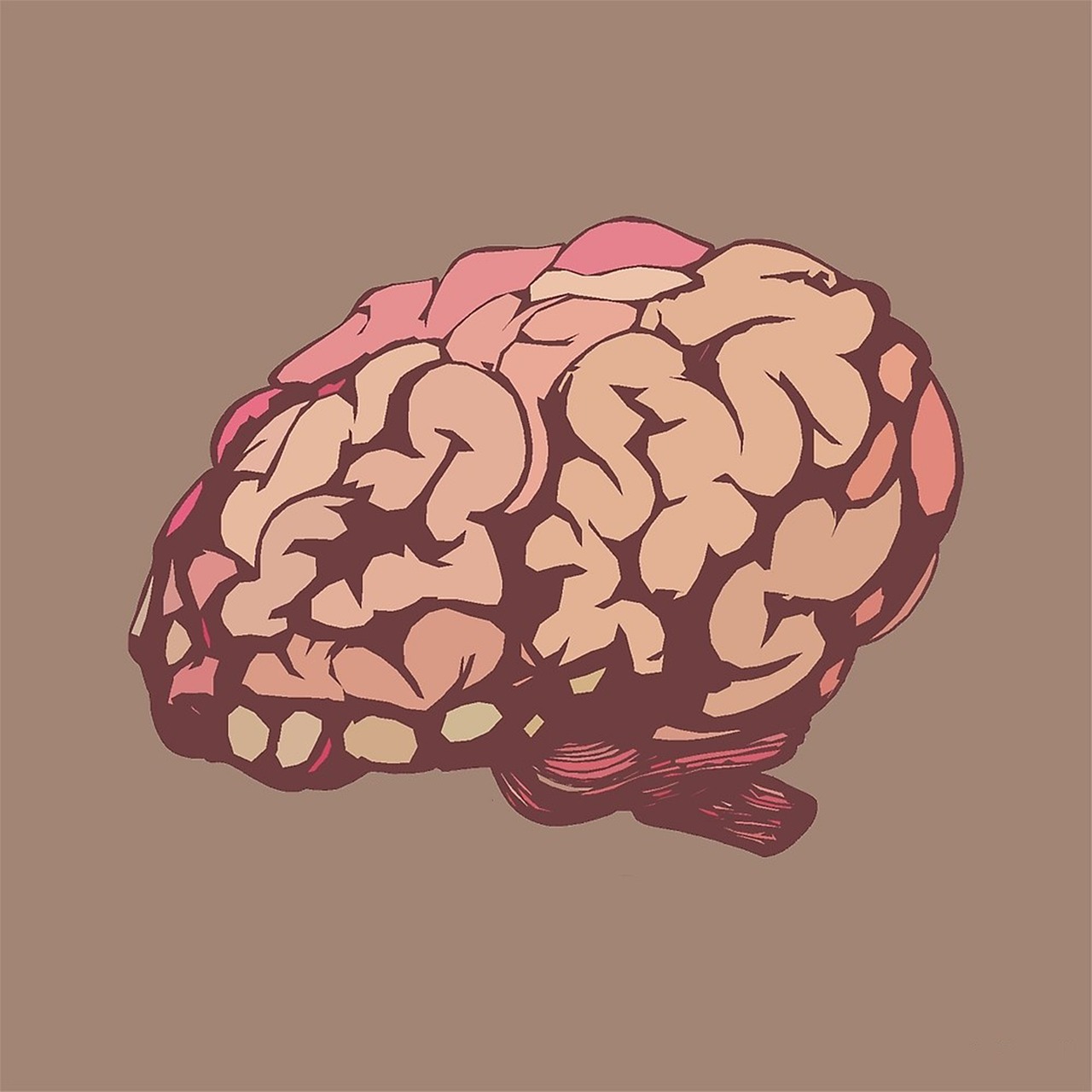
The human brain generates electrical patterns that reveal our mental states, emotions, and cognitive processes. Modern technology now allows us to capture, analyze, and interpret these brainwave signatures with unprecedented precision.

Brainwave pattern analytics represents a frontier where neuroscience meets artificial intelligence, opening pathways to enhanced mental performance, therapeutic interventions, and revolutionary discoveries. This convergence is transforming how we understand consciousness, optimize cognitive function, and unlock human potential in ways previously confined to science fiction.
🧠 Understanding the Language of Neural Oscillations
Our brains communicate through electrical impulses that create measurable wave patterns. These neural oscillations occur at different frequencies, each associated with distinct mental states and cognitive functions. Scientists classify brainwaves into five primary categories: Delta (0.5-4 Hz), Theta (4-8 Hz), Alpha (8-13 Hz), Beta (13-30 Hz), and Gamma (30-100 Hz).
Delta waves dominate during deep sleep and restorative unconscious states. Theta waves emerge during meditation, creativity, and the twilight zone between wakefulness and sleep. Alpha waves characterize relaxed alertness and calm focus. Beta waves accompany active thinking, problem-solving, and focused attention. Gamma waves appear during peak cognitive performance and moments of insight.
Advanced electroencephalography (EEG) devices can now detect these patterns with remarkable accuracy. Modern sensors have become smaller, more affordable, and increasingly accessible to researchers, healthcare providers, and even individual consumers seeking to optimize their mental performance.
The Technology Behind Brainwave Analytics
Contemporary brainwave measurement technology has evolved dramatically from the bulky, clinical equipment of decades past. Today’s devices range from medical-grade EEG systems with dozens of electrodes to consumer-friendly headbands with just a few sensors. Machine learning algorithms process the raw electrical signals, filtering noise and identifying meaningful patterns within the complex data.
Signal processing techniques transform brainwave data into actionable insights. Fast Fourier Transform (FFT) algorithms decompose complex signals into component frequencies. Advanced neural networks recognize patterns associated with specific mental states, cognitive load, emotional responses, and attention levels. These analytical capabilities enable real-time feedback and personalized interventions.
Cloud computing and edge processing work in tandem to handle the massive data streams generated by continuous brain monitoring. Real-time analytics provide immediate feedback, while longitudinal data analysis reveals trends, patterns, and personalized baselines that enhance the accuracy of interpretations over time.
💡 Innovation Through Neural Insights
Organizations are discovering that brainwave analytics can enhance creative processes and innovation cycles. By monitoring the neural signatures associated with creative thinking, teams can identify optimal conditions for brainstorming sessions. Research shows that specific brainwave patterns correlate with moments of insight and creative breakthrough.
Technology companies are integrating brainwave monitoring into product development workflows. Designers test user interfaces while measuring cognitive load through EEG, identifying interfaces that minimize mental effort. This neuroscientific approach to user experience design creates more intuitive products that align with natural cognitive processes.
Innovation labs use brainwave analytics to structure work environments and schedules. By understanding when team members achieve peak cognitive states, organizations can optimize meeting times, creative sessions, and focused work periods. This data-driven approach to productivity maximizes human cognitive capital.
Accelerating Learning and Skill Acquisition
Educational institutions and training programs leverage brainwave analytics to personalize learning experiences. By monitoring student engagement and comprehension through neural signatures, adaptive learning systems adjust content delivery in real-time. When brainwave patterns indicate confusion or cognitive overload, the system can slow down, provide additional examples, or present information through different modalities.
Professional athletes and performers use brainwave training to achieve flow states consistently. Neurofeedback helps individuals recognize and reproduce the mental conditions associated with peak performance. This technique has applications across domains, from surgical training to musical performance and public speaking.
Wellness Applications Transforming Healthcare
Mental health treatment is being revolutionized through brainwave pattern analytics. Clinicians can now identify biomarkers for conditions like depression, anxiety, ADHD, and PTSD through characteristic brainwave signatures. This objective measurement complements traditional diagnostic methods, enabling earlier detection and more targeted interventions.
Neurofeedback therapy trains individuals to regulate their own brainwave patterns. Patients learn to shift from anxiety-associated beta dominance to calmer alpha states. This non-pharmaceutical intervention shows promising results for various conditions, offering an alternative or complement to medication.
Sleep optimization represents another significant wellness application. Brainwave monitoring tracks sleep architecture throughout the night, identifying disruptions in sleep cycles and quantifying sleep quality. Personalized recommendations based on individual brainwave patterns help users improve sleep hygiene and recovery.
🌟 Meditation and Mindfulness Enhancement
Ancient contemplative practices meet modern neuroscience through brainwave analytics. Meditation apps now incorporate EEG feedback, providing objective measures of meditative depth. Practitioners can track their progress, identify effective techniques, and maintain motivation through quantified insights into their practice.
Research demonstrates that consistent meditation alters baseline brainwave patterns, increasing alpha and theta activity associated with relaxation and emotional regulation. Long-term meditators show distinct neural signatures that correlate with reported well-being and stress resilience.
Corporate wellness programs integrate brainwave-guided meditation sessions. Employees learn to manage stress, improve focus, and enhance emotional intelligence through neurofeedback-enhanced mindfulness training. These programs demonstrate measurable improvements in workplace satisfaction and productivity.
Breakthrough Discoveries in Neuroscience Research
Large-scale brainwave databases are enabling discoveries about consciousness, cognition, and neurological conditions. Researchers analyze patterns across thousands of individuals, identifying subtle variations that distinguish healthy brains from those affected by neurological disorders. Machine learning models trained on these datasets can predict disease progression and treatment outcomes.
The phenomenon of neural synchronization—when brainwaves across different regions harmonize—reveals mechanisms of information integration and consciousness. Scientists studying these synchronization patterns are uncovering how disparate brain regions coordinate to create unified conscious experiences.
Brain-computer interfaces (BCIs) rely fundamentally on brainwave pattern recognition. These systems decode intention from neural signals, enabling direct mental control of external devices. Applications range from assistive technologies for paralyzed individuals to next-generation gaming and virtual reality interfaces.
Unlocking Cognitive Enhancement Protocols
Research into cognitive enhancement explores how external stimulation can optimize brainwave patterns. Transcranial alternating current stimulation (tACS) applies gentle electrical currents to encourage specific frequency patterns. Studies show potential for enhancing memory consolidation, accelerating learning, and improving cognitive flexibility.
Photobiomodulation uses specific light frequencies to influence neural activity. Combined with brainwave monitoring, researchers develop protocols that target specific cognitive functions. This non-invasive approach shows promise for conditions ranging from cognitive decline to traumatic brain injury recovery.
Practical Applications for Daily Life
Consumer applications of brainwave analytics are becoming increasingly sophisticated and accessible. Wearable devices monitor mental states throughout the day, providing insights into stress patterns, focus duration, and recovery periods. Users gain awareness of how activities, environments, and behaviors affect their cognitive states.
Smart environments adapt to occupant brainwave patterns. Lighting, temperature, and acoustic conditions adjust automatically to support desired mental states—whether deep focus, creative thinking, or relaxation. This ambient intelligence creates spaces that enhance rather than hinder cognitive performance.
Digital wellness tools use brainwave data to recommend optimal times for specific activities. By understanding individual circadian patterns and cognitive rhythms, these systems suggest when to tackle challenging tasks, when to take breaks, and when to engage in creative work.
⚡ Ethical Considerations and Privacy Concerns
As brainwave analytics becomes more powerful and pervasive, ethical questions demand attention. Neural data represents perhaps the most intimate information about an individual—their thoughts, emotions, and mental states. Protecting this information requires robust privacy frameworks and clear consent protocols.
Concerns about cognitive liberty arise when considering applications that might influence or manipulate brainwave patterns. Clear distinctions must exist between therapeutic interventions, performance enhancement, and potential coercion. Regulatory frameworks are evolving to address these unprecedented scenarios.
Data security becomes paramount when neural information enters digital ecosystems. Breaches involving brainwave data could reveal mental health conditions, cognitive abilities, or even decode private thoughts. Encryption standards and access controls specific to neural data are essential safeguards.
Ensuring Equitable Access and Preventing Discrimination
As brainwave analytics proves valuable for education, employment, and healthcare, ensuring equitable access prevents creating cognitive divides. Technologies that enhance mental performance should not become privileges available only to advantaged populations. Public policy must address accessibility and prevent discrimination based on neural characteristics.
Employment contexts raise particular concerns. While brainwave analytics could optimize workplace performance, they could also enable invasive monitoring or discriminatory practices. Clear boundaries must define appropriate and inappropriate uses of neural monitoring in professional settings.
The Future Landscape of Neural Analytics
Emerging technologies promise even more sophisticated brainwave analysis capabilities. Artificial intelligence advances enable real-time interpretation of complex neural patterns, predicting mental states and cognitive needs with increasing accuracy. These systems will become more personalized, learning individual baseline patterns and detecting meaningful deviations.
Integration with other biometric data streams creates comprehensive models of human physiology and psychology. Combining brainwave patterns with heart rate variability, hormonal markers, and behavioral data provides holistic insights into health, performance, and well-being.
Quantum computing may unlock analysis of brain complexity currently beyond computational reach. The intricate interactions between billions of neurons generate patterns too complex for classical computers to fully model. Quantum algorithms could reveal organizational principles of consciousness itself.
🚀 Practical Steps for Exploring Brainwave Analytics
Individuals interested in exploring brainwave analytics can begin with consumer-grade devices that provide basic feedback. Starting with simple applications like meditation guidance or sleep tracking builds familiarity with the technology and personal baseline patterns.
Pairing brainwave data with journaling creates rich datasets for self-discovery. Recording activities, emotional states, and environmental factors alongside neural measurements reveals personal patterns and triggers. This self-quantification approach empowers individuals to make informed lifestyle adjustments.
Working with qualified practitioners maximizes the benefits of neurofeedback and brainwave training. Clinicians trained in quantitative EEG can develop personalized protocols targeting specific goals, whether therapeutic outcomes or performance optimization.

Transforming Human Potential Through Neural Understanding
Brainwave pattern analytics represents more than technological advancement—it offers a mirror reflecting our inner mental landscapes. By making the invisible visible, these technologies democratize insights previously accessible only through years of contemplative practice or intensive clinical assessment.
The convergence of neuroscience, artificial intelligence, and accessible sensing technology creates unprecedented opportunities for human flourishing. From healing mental health conditions to optimizing cognitive performance and accelerating scientific discovery, brainwave analytics addresses fundamental aspects of human experience.
As this field matures, collaborative efforts between researchers, technologists, clinicians, and policymakers will shape how these capabilities integrate into society. Thoughtful development prioritizing human welfare, privacy protection, and equitable access will determine whether brainwave analytics fulfills its potential to genuinely unlock minds and expand human possibilities.
The journey into understanding our neural patterns is ultimately a journey into understanding ourselves. Each brainwave signature tells a story of mental processes, emotional states, and cognitive capabilities. By learning to read and influence these patterns, we gain agency over our mental lives in ways our ancestors could scarcely imagine. The revolution in brainwave analytics is not just technological—it is fundamentally human, offering tools to become architects of our own consciousness and cultivators of our cognitive potential.