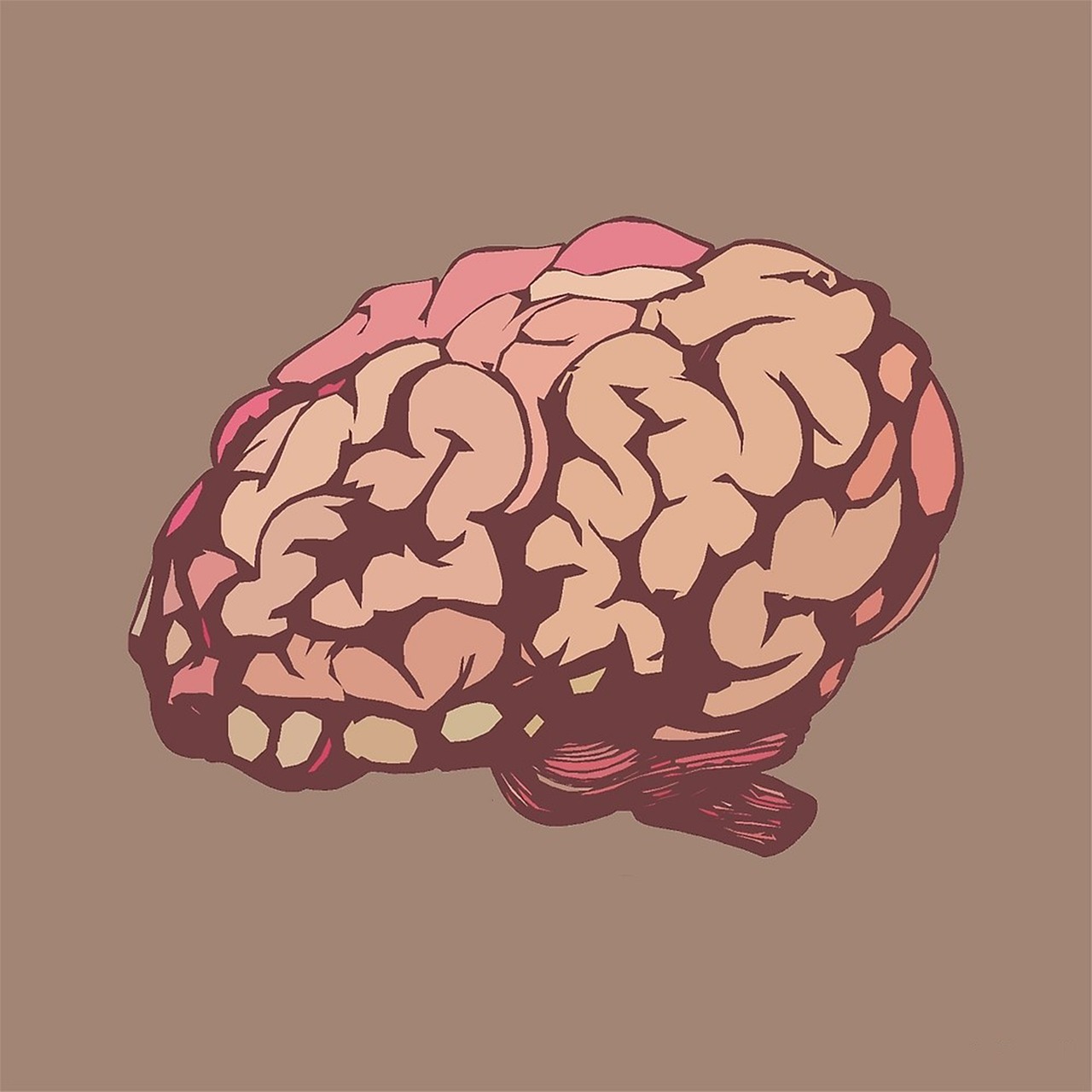
The human brain remains one of the most fascinating frontiers of scientific exploration. As technology advances, our ability to decode and understand neural activity is opening unprecedented pathways to cognitive enhancement, medical breakthroughs, and revolutionary human-computer interfaces.

Neural activity indexing represents a groundbreaking approach to mapping, measuring, and interpreting the electrical and chemical signals that govern our thoughts, emotions, and behaviors. This emerging field combines neuroscience, artificial intelligence, and data analytics to create comprehensive databases of brain activity patterns, promising to transform how we interact with technology and understand ourselves.
🧠 Understanding Neural Activity Indexing: The Foundation of Mind Mapping
Neural activity indexing is the systematic process of recording, cataloging, and analyzing brain signals to create meaningful patterns and correlations. Unlike traditional brain imaging techniques that provide static snapshots, indexing creates dynamic, searchable databases of neural responses to various stimuli, tasks, and conditions.
The process involves several sophisticated technologies working in concert. Electroencephalography (EEG) captures electrical activity across the scalp, functional magnetic resonance imaging (fMRI) tracks blood flow changes indicating neural activation, and magnetoencephalography (MEG) measures magnetic fields produced by electrical currents in the brain.
Modern indexing systems go beyond simple recording. They employ machine learning algorithms to identify patterns, classify mental states, and predict cognitive responses. This creates a “neural fingerprint” unique to each individual while also revealing universal patterns shared across human consciousness.
The Technology Behind Brain Signal Detection
Advanced sensors and computational power have made real-time neural monitoring more accessible than ever. Wearable EEG devices, once confined to research laboratories, now fit comfortably in consumer-grade headbands and caps. These devices can detect various brainwave frequencies associated with different mental states:
- Delta waves (0.5-4 Hz): Deep sleep and unconscious states
- Theta waves (4-8 Hz): Meditation, creativity, and light sleep
- Alpha waves (8-13 Hz): Relaxation and calm focus
- Beta waves (13-30 Hz): Active thinking and concentration
- Gamma waves (30-100 Hz): High-level cognitive processing
By indexing these patterns alongside contextual information about what a person is doing, thinking, or experiencing, researchers can build comprehensive models of neural activity that serve multiple purposes across various applications.
🔬 Medical Applications: Revolutionizing Diagnosis and Treatment
The healthcare implications of neural activity indexing are profound and far-reaching. Neurologists and psychiatrists are leveraging indexed brain data to detect conditions earlier, customize treatments more precisely, and monitor therapeutic progress with unprecedented accuracy.
Epilepsy management has been transformed by continuous neural monitoring. Advanced indexing systems can now predict seizures minutes to hours before they occur by detecting subtle changes in brain activity patterns. This early warning system allows patients to take preventive medication or move to safe locations, dramatically improving quality of life.
Mental Health Monitoring and Intervention
Depression, anxiety, and other mental health conditions produce measurable changes in neural activity that can be indexed and tracked over time. Rather than relying solely on subjective patient reporting, clinicians can now access objective data about brain function to guide diagnosis and treatment decisions.
Personalized psychiatry is emerging from these capabilities. By comparing an individual’s neural index against large databases of successfully treated patients with similar patterns, artificial intelligence can recommend optimal medication combinations, therapy approaches, and lifestyle interventions tailored to that person’s unique brain chemistry.
Neurofeedback therapy, enhanced by sophisticated indexing, teaches patients to consciously modify their brain activity. Real-time displays show individuals their current neural state, allowing them to practice techniques that shift patterns toward healthier configurations. This approach has shown remarkable success in treating ADHD, PTSD, and chronic pain.
💡 Cognitive Enhancement: Optimizing Human Performance
Beyond treating disorders, neural activity indexing opens possibilities for enhancing normal cognitive function. Athletes, students, professionals, and creatives are beginning to use brain monitoring technology to optimize their mental performance.
Flow state detection represents one of the most exciting applications. Flow—that state of effortless concentration where performance peaks—produces distinctive neural signatures. By indexing these patterns, individuals can learn what environmental conditions, mental strategies, and physiological states most reliably trigger their personal flow response.
Learning Acceleration Through Neural Feedback
Educational technology is being revolutionized by real-time neural activity monitoring. Adaptive learning systems can detect when a student’s brain shows signs of confusion, boredom, or optimal engagement, automatically adjusting content difficulty and presentation style accordingly.
Memory consolidation during sleep can be enhanced through targeted interventions guided by neural indexing. Systems monitor sleep stages and deliver subtle sensory cues during optimal windows for memory processing, strengthening retention without disturbing rest.
Language acquisition becomes more efficient when training is synchronized with brain readiness. Neural indexes reveal when the language-processing regions are most receptive to new information, allowing learners to concentrate intensive study during peak windows and rest during lower-responsiveness periods.
🤖 Brain-Computer Interfaces: The Next Frontier of Human-Machine Interaction
Perhaps the most transformative application of neural activity indexing lies in brain-computer interfaces (BCIs). These systems translate neural signals directly into digital commands, bypassing traditional input methods like keyboards, touchscreens, and voice.
Assistive BCIs are already restoring communication abilities to individuals with severe paralysis. By indexing the neural patterns associated with intended movements or words, these systems enable people to control cursors, type messages, and operate robotic limbs using only their thoughts.
Consumer Applications and Everyday Integration
The technology is rapidly moving beyond medical applications into consumer markets. Smart home systems that respond to mental commands, vehicles that adjust to driver cognitive state, and entertainment systems that adapt to viewer emotional responses are all becoming feasible through neural indexing.
Virtual and augmented reality experiences are becoming more immersive through brain-responsive environments. Games and simulations that read player neural states can adjust difficulty, pacing, and narrative elements to maintain optimal engagement, creating experiences uniquely tailored to each individual’s cognitive profile.
Workplace productivity tools that monitor mental fatigue and suggest optimal break timing could revolutionize how we structure work. Rather than arbitrary schedules, activities would align with each person’s natural cognitive rhythms, maximizing efficiency while reducing burnout.
🌐 Building Neural Networks: The Social Dimension of Connected Consciousness
As neural indexing becomes more sophisticated, fascinating possibilities emerge for shared cognitive experiences. Multi-brain synchronization research reveals that when people collaborate effectively, their neural activity begins to align in measurable ways.
Team performance optimization might eventually involve real-time neural monitoring of all members, with artificial intelligence identifying when group cognitive states align optimally for creative brainstorming versus analytical problem-solving versus decision-making. Leaders could receive insights about collective mental states, allowing more effective meeting management.
Empathy Technologies and Emotional Connection
Neural indexing could deepen human connection by making internal experiences more transparent. Imagine communication systems that transmit not just words but emotional neural signatures, allowing recipients to more fully understand the sender’s internal state. Such technology could revolutionize long-distance relationships, therapy, and conflict resolution.
Social VR environments might incorporate neural synchrony as a measure of connection quality, subtly adjusting shared experiences to promote deeper bonding. Educational settings could use group neural indexing to ensure all students are maintaining engagement during instruction.
⚖️ Ethical Considerations and Privacy Concerns
The power to read and index neural activity raises profound ethical questions that society must address as the technology advances. Brain data is uniquely personal—it represents our thoughts, emotions, and innermost experiences in their rawest form.
Privacy protection frameworks specifically addressing neural data are urgently needed. Traditional data privacy laws weren’t designed for information this intimate and revealing. Questions about who owns brain data, who can access it, and how it can be used require careful consideration and robust legal protections.
Consent and Cognitive Liberty
The concept of cognitive liberty—the right to mental self-determination—becomes paramount as neural indexing capabilities expand. Should employers be allowed to monitor worker brain states? Can educational institutions require neural monitoring? What protections prevent governments from accessing neural databases without warrant?
Discrimination based on neural profiles presents another concern. If brain activity indexes reveal predispositions toward certain conditions or cognitive characteristics, how do we prevent their misuse in employment, insurance, or legal contexts? Neural privacy must be recognized as a fundamental human right.
🔮 Future Horizons: Where Neural Indexing Is Heading
The trajectory of neural activity indexing suggests remarkable developments on the horizon. Artificial intelligence is becoming increasingly sophisticated at interpreting brain signals, moving toward genuine “mind reading” capabilities—at least for certain types of mental content.
Visual imagery reconstruction from neural activity has already achieved surprising success. Researchers can now decode basic images people are viewing or imagining based solely on brain activity patterns. As indexing becomes more detailed and algorithms more advanced, this capability will improve dramatically.
Consciousness Uploading and Digital Immortality
The ultimate frontier of neural indexing might involve creating complete digital models of individual consciousness. While full consciousness uploading remains speculative and philosophically complex, comprehensive neural indexing is a necessary prerequisite for even attempting such endeavors.
More immediately achievable are “cognitive assistants” that learn individual thinking patterns so thoroughly they can predict needs, suggest solutions, and even continue certain cognitive tasks autonomously. These AI extensions of self, trained on personal neural indexes, could represent a new form of human-machine symbiosis.
🚀 Preparing for a Neural-Indexed Future
As neural activity indexing moves from laboratory research to practical application, individuals, organizations, and societies must prepare for the profound changes this technology will bring. Education systems should begin incorporating basic neuroscience literacy, helping people understand how their brains work and how neural data might be used.
Regulatory frameworks must evolve ahead of the technology curve rather than playing catch-up. International cooperation on neural data standards, privacy protections, and ethical guidelines will help ensure the technology develops in ways that benefit humanity while protecting individual rights.
Research priorities should balance technological advancement with careful study of long-term effects. How does constant neural monitoring affect self-perception and mental health? Do brain-computer interfaces alter cognitive development? Does optimizing for specific neural states have unintended consequences?
Democratizing Access and Preventing Divides
Ensuring equitable access to beneficial neural indexing applications while preventing the technology from exacerbating existing inequalities represents a critical challenge. Cognitive enhancement technologies must not become privileges of the wealthy, creating new forms of social stratification based on neural optimization.
Public investment in neural indexing research, open-source BCI development, and accessible neurotechnology could help democratize these powerful tools. Community education programs explaining how neural indexing works and what rights individuals have regarding their brain data will empower informed participation in this technological revolution.

🌟 Embracing the Neural Revolution Responsibly
Neural activity indexing stands at the intersection of neuroscience, technology, and philosophy, promising to fundamentally transform human experience. The ability to decode the mind’s code offers unprecedented opportunities for healing, enhancement, and connection, while simultaneously demanding careful ethical consideration and robust protective frameworks.
The coming decades will reveal whether humanity can harness this powerful technology wisely—using it to reduce suffering, enhance capabilities, and deepen understanding while protecting the sanctity of inner mental life. Success requires ongoing dialogue among scientists, ethicists, policymakers, and the public to navigate this complex terrain thoughtfully.
As we stand on the threshold of this neural revolution, the choices we make today will shape not just how we use these technologies, but fundamentally who we become as individuals and as a species. By approaching neural activity indexing with both enthusiasm for its possibilities and respect for its implications, we can work toward a future where the mind’s code, once unlocked, serves to elevate human flourishing in all its dimensions.
The journey into understanding and indexing neural activity is ultimately a journey into understanding ourselves more completely. With wisdom, foresight, and commitment to ethical principles, this remarkable technology can help build a smarter, more connected, and more compassionate world—one where the mysteries of consciousness illuminate pathways to human potential we’re only beginning to imagine.