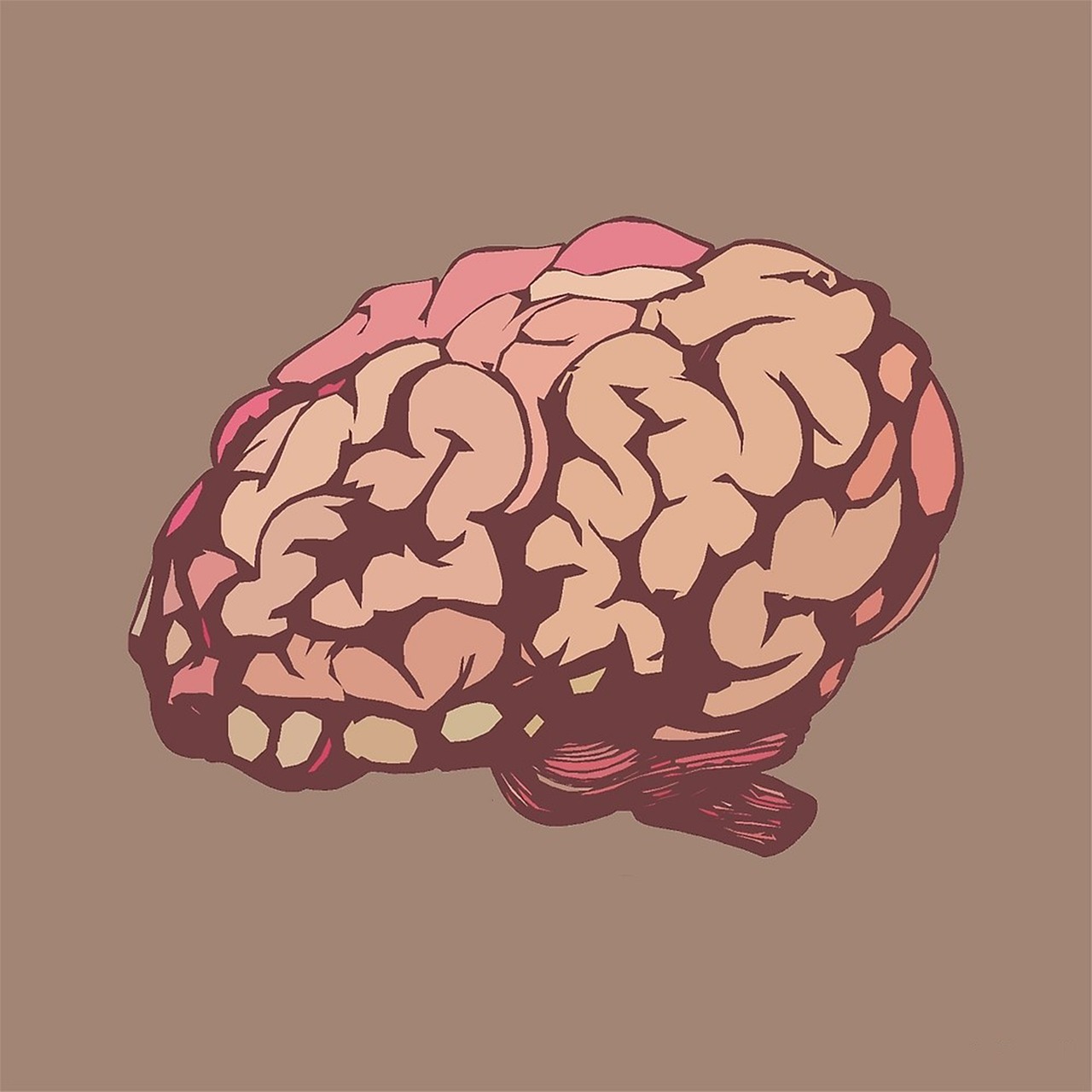
The human brain, a three-pound universe of neurons and synapses, orchestrates every thought, emotion, and movement we experience throughout our lives.

Understanding how different brain regions collaborate to create our conscious experience represents one of neuroscience’s most fascinating frontiers. From the executive decisions made in our frontal lobes to the emotional responses generated deep within our limbic system, each functional area contributes uniquely to who we are and how we interact with the world around us.
🧠 The Architecture of Consciousness: Mapping Brain Territories
The brain’s functional organization resembles a sophisticated corporation, where specialized departments work both independently and collaboratively. Neuroscientists have identified distinct regions responsible for specific cognitive functions, though modern research increasingly reveals how interconnected these areas truly are.
The cerebral cortex, our brain’s wrinkled outer layer, handles higher-order processing. Meanwhile, subcortical structures buried deeper within manage more primitive yet essential functions. This hierarchical yet integrated architecture enables the remarkable complexity of human behavior, from abstract reasoning to instantaneous fight-or-flight responses.
The Frontal Lobe: Command Center of Executive Function
Located directly behind your forehead, the frontal lobe serves as your brain’s executive suite. This region coordinates planning, decision-making, personality expression, and social behavior regulation. Damage to this area famously changed railroad worker Phineas Gage’s personality in 1848, providing early evidence of the frontal lobe’s role in temperament and social conduct.
The prefrontal cortex, the frontal lobe’s most anterior section, distinguishes humans from other species. This area enables abstract thinking, goal-setting, impulse control, and working memory. When you resist checking your phone during an important conversation or plan next year’s vacation, your prefrontal cortex is actively engaged.
The Parietal Lobe: Spatial Awareness and Sensory Integration
Positioned behind the frontal lobe, the parietal lobe processes sensory information from throughout your body. Touch, temperature, pain, and proprioception (awareness of body position) all funnel through this region. The primary somatosensory cortex maps your entire body surface, with disproportionately large areas dedicated to sensitive regions like hands and lips.
Beyond basic sensation, the parietal lobe constructs our spatial understanding. It helps you navigate through doorways, catch a ball, and understand where your body exists in three-dimensional space. Damage here can produce fascinating conditions like hemispatial neglect, where patients lose awareness of one side of their visual field.
⚡ The Temporal Lobe: Gateway to Memory and Meaning
Nestled beneath the temples on both sides of your head, the temporal lobes serve as crucial hubs for auditory processing, language comprehension, and memory formation. The primary auditory cortex receives and interprets sounds, from whispered conversations to symphonic music.
The temporal lobe’s medial structures, particularly the hippocampus, play irreplaceable roles in memory consolidation. When you recall yesterday’s lunch or learn new information, your hippocampus actively encodes these experiences for long-term storage. Famous patient H.M., who had his hippocampi removed to treat epilepsy, could form no new conscious memories afterward, demonstrating this structure’s critical importance.
Language Processing: Wernicke’s Area and Beyond
The left temporal lobe contains Wernicke’s area, essential for language comprehension. While Broca’s area in the frontal lobe produces speech, Wernicke’s area ensures we understand what words mean. Damage creates fluent but meaningless speech—patients speak grammatically but without coherent content.
Modern neuroscience recognizes that language processing extends beyond these classical areas, involving networks throughout the brain. This distributed processing explains language’s remarkable flexibility and the brain’s ability to compensate after certain injuries.
👁️ The Occipital Lobe: Visual Processing Headquarters
At the back of your skull sits the occipital lobe, dedicated almost entirely to vision. The primary visual cortex receives raw information from your eyes, then parcels out processing to specialized regions. Some areas detect motion, others recognize colors, shapes, or faces—all working in parallel to construct your visual experience.
What seems like effortless seeing actually requires extraordinary computational power. Your brain processes visual information through multiple pathways: the “what” pathway identifies objects, while the “where” pathway tracks location and motion. These streams integrate seamlessly, allowing you to recognize a friend’s face while they walk toward you.
Visual Illusions: Windows into Brain Function
Optical illusions reveal how constructively your brain creates visual reality. Rather than passively receiving images, your occipital lobe actively interprets, predicts, and sometimes misinterprets visual data. These errors illuminate the sophisticated algorithms your visual system employs to make sense of light patterns hitting your retinas.
💓 The Limbic System: Emotional Command Center
Deep within the brain lies the limbic system, a collection of structures governing emotion, motivation, and memory. This ancient network evolved long before our rational cortex, explaining why emotions can override logical thinking.
The Amygdala: Guardian of Emotional Response
Almond-shaped structures called amygdalae serve as your brain’s threat detection system. When you experience fear, anger, or anxiety, your amygdala activates rapidly—often before conscious awareness. This evolutionary adaptation enabled our ancestors to react to dangers instantly, a mechanism still active today.
The amygdala doesn’t just process negative emotions. It also contributes to positive emotional memories and social behavior. Research shows the amygdala activates when viewing emotionally significant stimuli, whether threatening or rewarding, helping assign emotional weight to experiences.
The Hippocampus: Memory’s Architect
We’ve touched on the hippocampus regarding memory, but its role deserves deeper exploration. This seahorse-shaped structure doesn’t store memories permanently but rather consolidates them from short-term to long-term storage. During sleep, the hippocampus replays daily experiences, strengthening important neural connections.
Remarkably, the hippocampus remains one of few brain regions where neurogenesis—new neuron formation—continues throughout life. Exercise, learning, and enriched environments promote hippocampal neurogenesis, potentially enhancing memory and mood.
🎯 The Basal Ganglia: Coordinating Movement and Habit
These subcortical nuclei coordinate voluntary movement, procedural learning, and habit formation. When you first learned to drive, conscious attention was required for every action. As your basal ganglia encoded these movement sequences, driving became automatic, freeing conscious resources for other tasks.
Parkinson’s disease results from dopamine-producing neuron loss in the substantia nigra, part of the basal ganglia circuit. This highlights how crucial these structures are for smooth, coordinated movement. The basal ganglia also contribute to reward processing and motivation, integrating motor control with emotional and cognitive systems.
🔄 The Cerebellum: Precision in Motion and Thought
Tucked beneath the occipital lobe, the cerebellum contains more neurons than the rest of the brain combined, despite occupying just 10% of total volume. Traditionally associated with motor coordination and balance, modern research reveals its involvement in cognitive processes, including attention, language, and emotional regulation.
The cerebellum refines movements, comparing intended actions with actual execution and making micro-adjustments. This allows musicians to play instruments with stunning precision and athletes to execute complex maneuvers. Evidence suggests the cerebellum similarly fine-tunes cognitive processes, optimizing mental performance.
🌐 The Default Mode Network: The Brain at Rest
When you daydream, reminisce, or imagine the future, a specific network activates: the default mode network (DMN). This discovery revolutionized neuroscience, revealing that “resting” brains remain highly active. The DMN includes regions across the frontal and temporal lobes, along with posterior cortical areas.
This network supports self-referential thinking, autobiographical memory, and social cognition. Interestingly, the DMN deactivates during focused external tasks, suggesting a balance between internal and external attention. Disrupted DMN function appears in various psychiatric and neurological conditions, from depression to Alzheimer’s disease.
Mind-Wandering: Feature, Not Bug
Rather than representing wasted mental resources, mind-wandering may serve important functions. DMN activity during rest consolidates memories, promotes creativity, and helps plan future actions. The brain uses “downtime” productively, organizing information and generating insights that surface during subsequent focused thinking.
🔗 Neural Networks: Beyond Individual Regions
Modern neuroscience increasingly emphasizes networks over isolated regions. Complex functions emerge from coordinated activity across distributed brain areas. The connectome—the complete map of neural connections—represents neuroscience’s next frontier, potentially revealing how network dynamics generate consciousness itself.
Advanced imaging techniques like functional MRI and diffusion tensor imaging map both activity patterns and white matter connections. These methods reveal that individual differences in network organization correlate with personality traits, cognitive abilities, and mental health status.
Neuroplasticity: The Brain’s Remarkable Adaptability
Perhaps the brain’s most remarkable feature is neuroplasticity—its ability to reorganize structurally and functionally throughout life. Learning new skills, recovering from injuries, and adapting to environmental changes all involve plastic changes in neural circuits.
Taxi drivers develop enlarged hippocampi from spatial navigation demands. Musicians show enhanced auditory cortex development. These examples demonstrate how experience literally shapes brain structure. Understanding neuroplasticity has revolutionized rehabilitation approaches for stroke and traumatic brain injuries.
🧬 Neurochemistry: Chemical Messengers Shaping Experience
Neurotransmitters—chemical messengers between neurons—profoundly influence cognition, emotion, and behavior. Dopamine modulates motivation and reward, serotonin affects mood and impulse control, while norepinephrine regulates arousal and attention. Imbalances in these systems contribute to psychiatric disorders, explaining why medications targeting specific neurotransmitters can be therapeutically effective.
The relationship between neurochemistry and psychology isn’t simple. The same neurotransmitter can produce different effects depending on receptor type, brain region, and interaction with other chemical systems. This complexity explains why psychiatric medications affect individuals differently and why mental health treatment often requires personalized approaches.
🔬 Emerging Technologies: Illuminating Brain Function
Technological advances continue revealing brain mysteries. Optogenetics allows researchers to activate specific neurons using light, mapping precise circuit functions. Brain-computer interfaces enable paralyzed patients to control prosthetic limbs through thought alone. These innovations promise both deeper understanding and revolutionary treatments for neurological conditions.
Artificial intelligence and machine learning analyze massive neuroscience datasets, identifying patterns invisible to human researchers. These computational approaches complement traditional methods, accelerating discovery and generating testable hypotheses about brain function.
🌟 Harnessing Your Brain’s Potential
Understanding brain function isn’t merely academic—it offers practical applications for enhancing cognitive performance and wellbeing. Evidence-based strategies can optimize brain health across the lifespan.
- Regular aerobic exercise promotes neurogenesis and enhances cognitive function
- Adequate sleep consolidates memories and clears metabolic waste from the brain
- Cognitive challenges like learning languages or musical instruments strengthen neural networks
- Social engagement activates multiple brain systems, supporting emotional and cognitive health
- Stress management protects against hippocampal damage and prefrontal cortex impairment
- Nutritious diets rich in omega-3 fatty acids and antioxidants support neural health
These lifestyle factors work synergistically, with combined effects exceeding individual contributions. The brain responds positively to enriched, challenging, and varied environments throughout life.
🎭 Individual Differences: No Two Brains Alike
While general principles apply across individuals, significant variation exists in brain structure and function. These differences contribute to personality, cognitive strengths, and vulnerability to specific conditions. Understanding your particular cognitive profile enables personalized strategies for learning, working, and living optimally.
Neurodiversity perspectives recognize that neurological differences represent natural variation rather than deficits. Conditions like autism, ADHD, and dyslexia involve distinct neural organizations that create both challenges and unique strengths. This framework promotes acceptance while supporting individuals in navigating a world designed for neurotypical brains.

🚀 The Future of Brain Understanding
Neuroscience stands at an exciting juncture. Large-scale initiatives like the BRAIN Initiative and Human Connectome Project coordinate international efforts to map brain structure and function comprehensively. As technologies advance and datasets grow, we approach unprecedented understanding of how neural activity generates mental life.
This knowledge promises transformative applications: more effective mental health treatments, enhanced educational methods, and interventions for neurodegenerative diseases. Ethical considerations accompany these advances—questions about cognitive enhancement, privacy of neural data, and the nature of consciousness itself demand thoughtful societal dialogue.
The human brain represents the most complex structure we’ve discovered in the universe. Each functional region contributes uniquely to the symphony of human experience, while integrated networks generate emergent properties exceeding any component’s capabilities. As we continue exploring this remarkable organ, we simultaneously discover what makes us fundamentally human—our capacity for thought, emotion, creativity, and connection. Understanding the brain isn’t just scientific pursuit; it’s understanding ourselves.