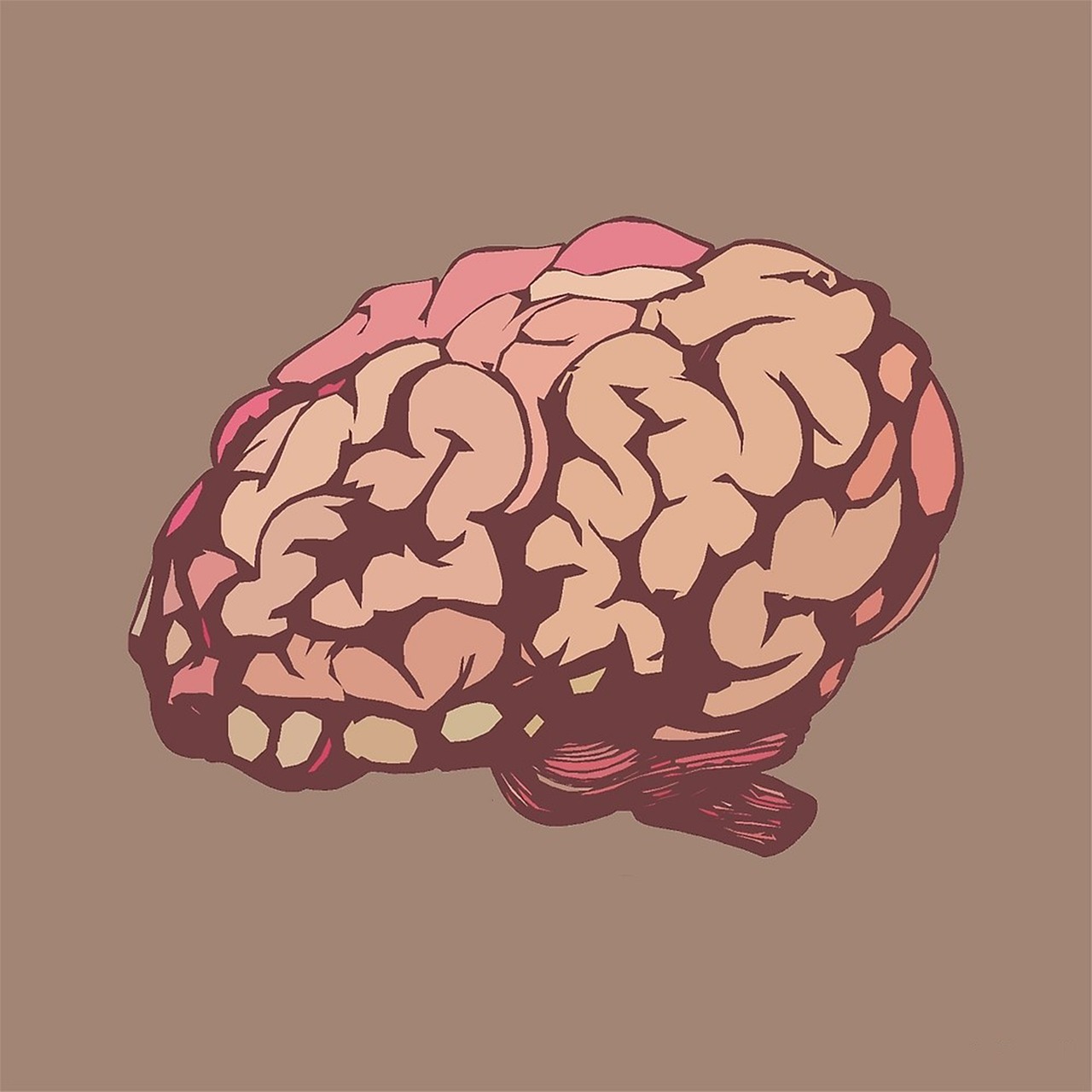
The human brain, with its intricate network of billions of neurons, has long been one of science’s greatest mysteries. Today, we stand at the precipice of a revolutionary era where neuro-signal interpretation is transforming our understanding of cognition, consciousness, and human potential.

Advances in neuroscience, artificial intelligence, and bioengineering are converging to create unprecedented opportunities for decoding the brain’s electrical language. These breakthroughs promise not only to enhance medical treatments but also to forge deeper connections between humans and technology, ushering in a smarter, more interconnected future where thoughts might control devices, neurological disorders could be predicted before symptoms appear, and cognitive enhancement becomes accessible to all.
🧠 The Dawn of Neural Decoding Technologies
Neuro-signal interpretation represents a fundamental shift in how we interface with the human brain. At its core, this field focuses on translating the electrical patterns generated by neurons into meaningful data that computers can process and act upon. The journey from rudimentary electroencephalography (EEG) readings to today’s sophisticated brain-computer interfaces demonstrates remarkable progress in just a few decades.
Modern neural decoding leverages advanced signal processing algorithms, machine learning models, and high-resolution imaging techniques to extract meaningful information from the brain’s constant electrical chatter. Unlike earlier approaches that could only detect broad patterns of activity, contemporary systems can distinguish individual thoughts, motor intentions, and even emotional states with increasing precision.
The implications extend far beyond academic curiosity. Researchers are now developing systems that allow paralyzed individuals to control prosthetic limbs with thought alone, enabling locked-in patients to communicate through brain signals, and creating entirely new paradigms for human-computer interaction that bypass traditional input devices altogether.
Breakthrough Technologies Reshaping Neural Interpretation
Several technological innovations have accelerated progress in neuro-signal interpretation, each contributing unique capabilities to our expanding toolkit for understanding brain activity.
High-Density Electrode Arrays
Traditional brain monitoring systems used relatively few electrodes, limiting their resolution and ability to pinpoint specific neural activities. Today’s high-density electrode arrays feature thousands of contact points, providing unprecedented spatial resolution. These systems can monitor individual neurons or small clusters, revealing patterns that were previously invisible in the neural noise.
Companies and research institutions have developed flexible electrode arrays that conform to the brain’s surface, minimizing tissue damage while maximizing signal quality. Some cutting-edge designs incorporate wireless transmission capabilities, eliminating the need for physical connections that could pose infection risks or limit patient mobility.
Machine Learning and Neural Networks
Artificial intelligence has become indispensable in interpreting the vast amounts of data generated by brain monitoring systems. Deep learning algorithms can identify patterns in neural activity that human researchers might overlook, learning to associate specific signal signatures with particular thoughts, movements, or mental states.
These AI systems improve continuously as they process more data, becoming increasingly accurate at predicting intentions and translating neural codes. Recent models have demonstrated the ability to reconstruct visual images that people are viewing, decode silent speech directly from brain activity, and even predict decision-making processes seconds before individuals become consciously aware of their choices.
Non-Invasive Imaging Advances
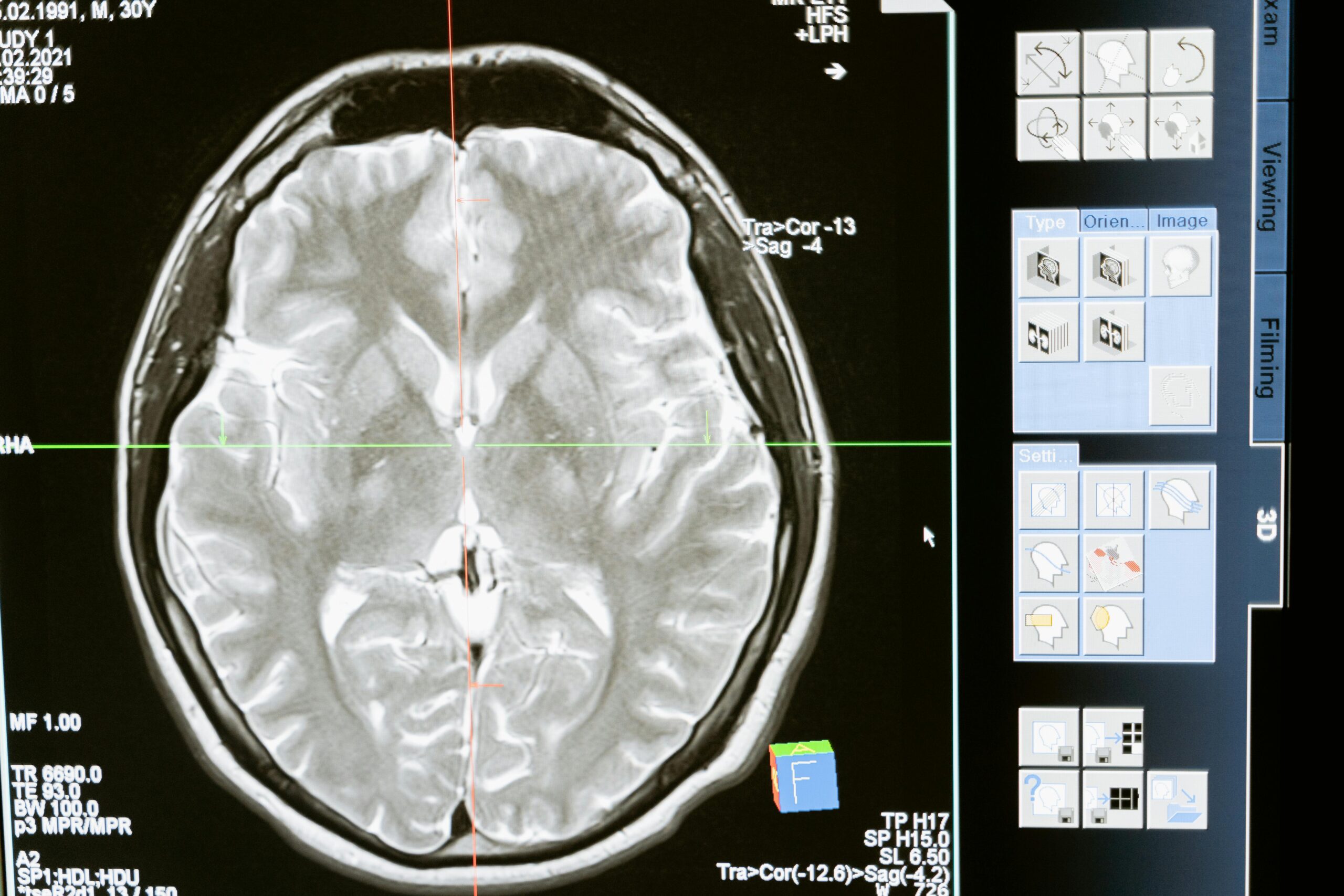
While invasive electrodes provide the highest resolution data, non-invasive techniques have seen remarkable improvements. Functional magnetic resonance imaging (fMRI) now operates at higher speeds and resolutions, while magnetoencephalography (MEG) captures magnetic fields generated by neural activity with millisecond precision.
Emerging technologies like functional near-infrared spectroscopy (fNIRS) offer portable, affordable alternatives that can be used outside laboratory settings. These advances democratize access to brain monitoring technologies, opening possibilities for applications in education, workplace productivity, and personal wellness.
🔬 Medical Applications Transforming Patient Care
The medical field stands to benefit enormously from advances in neuro-signal interpretation, with applications spanning diagnosis, treatment, and rehabilitation.
Revolutionizing Neurological Disorder Treatment
Conditions like epilepsy, Parkinson’s disease, and depression have traditionally been challenging to treat due to their complex neurological foundations. Modern neuro-signal interpretation enables physicians to monitor brain activity in real-time, identifying abnormal patterns before they manifest as symptoms.
Closed-loop neurostimulation systems exemplify this approach. These devices continuously monitor brain signals, detecting the precursors to seizures or tremors and delivering precisely timed electrical stimulation to prevent symptoms before they begin. Early clinical trials show remarkable success rates, with some patients experiencing complete symptom elimination.
Enhancing Stroke and Injury Recovery
Rehabilitation following brain injuries or strokes becomes significantly more effective when therapists can observe neural activity during recovery exercises. Brain-computer interfaces help patients relearn motor skills by providing immediate feedback about whether they’re activating the correct neural pathways.
Some rehabilitation programs now incorporate virtual reality environments controlled by brain signals, creating engaging therapy sessions that accelerate neural plasticity and functional recovery. Patients who might have faced permanent disability are regaining abilities previously thought lost forever.
Mental Health Monitoring and Intervention
Mental health conditions often involve subtle changes in brain activity patterns that precede observable behavioral symptoms. Advanced neuro-signal interpretation tools can detect these early warning signs, enabling preventive interventions before conditions worsen.
Researchers have identified distinct neural signatures associated with depression, anxiety, and post-traumatic stress disorder. Therapeutic approaches guided by these biomarkers show improved outcomes compared to traditional symptom-based treatments, offering hope for the millions affected by mental health challenges.
💡 Brain-Computer Interfaces: The New Frontier
Perhaps no application of neuro-signal interpretation captures the imagination quite like brain-computer interfaces (BCIs). These systems create direct communication pathways between brains and external devices, fundamentally redefining the boundaries of human capability.
Restoring Communication and Mobility
For individuals with severe paralysis or conditions like amyotrophic lateral sclerosis (ALS), BCIs represent nothing less than restored connection with the world. Recent demonstrations have shown paralyzed individuals typing messages, browsing the internet, and even playing video games using only their thoughts.
Advanced prosthetic limbs controlled by neural signals now provide sensory feedback, allowing users to feel texture and pressure. This bidirectional communication creates a sense of embodiment, where artificial limbs feel like natural extensions of the body rather than external tools.
Cognitive Enhancement and Augmentation
Beyond medical applications, BCIs open possibilities for cognitive enhancement in healthy individuals. Experimental systems have demonstrated improved memory formation, accelerated learning, and enhanced focus through targeted neural stimulation.
While ethical considerations remain paramount, the potential for BCIs to expand human cognitive capabilities sparks both excitement and debate. Could students learn languages overnight? Might professionals download expertise directly into their brains? These scenarios, once confined to science fiction, edge closer to reality with each technological breakthrough.
🌐 Building the Connected Brain: Neural Networks Beyond Biology
The ultimate vision of neuro-signal interpretation extends beyond individual brain-computer interfaces to networks of connected minds, creating collective intelligence systems that transcend individual limitations.
Brain-to-Brain Communication
Researchers have already demonstrated rudimentary brain-to-brain interfaces, where one person’s thoughts trigger actions in another person’s brain. While current implementations are simple—transmitting basic commands or sensory information—they establish proof of concept for more sophisticated neural communication networks.
Such technologies could revolutionize collaboration, enabling teams to share thoughts, emotions, and expertise with unprecedented fidelity. Imagine architects visualizing designs directly in colleagues’ minds, or educators transmitting complex concepts through direct neural transfer rather than struggling with inadequate verbal descriptions.
The Internet of Thoughts
Extrapolating current trajectories, some futurists envision an “Internet of Thoughts”—a global network where human minds connect seamlessly with each other and with artificial intelligence systems. This neural internet would facilitate instantaneous knowledge sharing, collaborative problem-solving on scales previously impossible, and potentially even shared consciousness experiences.
While such scenarios remain speculative, the foundational technologies are rapidly maturing. Cloud-based neural processing, standardized brain-computer interface protocols, and advances in wireless neural communication are building blocks toward this interconnected future.
⚖️ Ethical Considerations and Societal Impact
Revolutionary technologies inevitably raise profound ethical questions, and neuro-signal interpretation is no exception. As we gain unprecedented access to the brain’s innermost workings, society must grapple with implications for privacy, autonomy, and human identity.
Neural Privacy and Mental Autonomy
If devices can read thoughts, how do we protect mental privacy? Current legal frameworks provide no clear guidance on neural data ownership or cognitive liberty. Without robust protections, brain-reading technologies could enable unprecedented surveillance, manipulation, or coercion.
Establishing “neurorights”—fundamental rights governing mental privacy and cognitive self-determination—has become urgent as technologies advance. Several countries have begun incorporating neural privacy protections into their constitutions, recognizing that mental freedom represents perhaps the most fundamental human right.
Access and Inequality
Advanced brain technologies risk exacerbating existing inequalities if access remains limited to wealthy individuals or privileged communities. Cognitive enhancement technologies could create a neurologically stratified society where enhanced individuals possess insurmountable advantages over those without access.
Ensuring equitable distribution of neuro-technologies presents complex challenges but remains essential for preventing dystopian outcomes. Public investment in research, progressive regulatory frameworks, and commitment to universal access will determine whether these technologies liberate or divide humanity.
Identity and Authenticity
As brain-computer interfaces become more sophisticated, fundamental questions about human identity emerge. If memories can be edited, emotions modulated, and thoughts augmented by artificial systems, what remains of authentic selfhood? These philosophical questions demand thoughtful consideration as technologies evolve.
🚀 The Road Ahead: Emerging Trends and Future Possibilities
The pace of innovation in neuro-signal interpretation shows no signs of slowing. Several emerging trends promise to accelerate progress and expand applications in coming years.
Miniaturization and Accessibility
Brain-computer interfaces are becoming smaller, cheaper, and more user-friendly. Consumer-grade neural devices for meditation, focus enhancement, and sleep optimization are already available, representing the vanguard of mainstream neural technology adoption.
As manufacturing scales up and technologies mature, neural interfaces may become as ubiquitous as smartphones, integrated into everyday devices and wearable technology. This democratization will unlock applications currently unimaginable, from neural-controlled smart homes to thought-based authentication systems.
Integration with Artificial Intelligence
The synergy between human neural signals and artificial intelligence systems creates possibilities exceeding either technology alone. AI can augment human cognition by processing information at superhuman speeds, while human intuition and creativity guide AI systems toward meaningful goals.
Hybrid intelligence systems combining biological and artificial neural networks may emerge as the dominant problem-solving paradigm for complex challenges in science, engineering, and governance. These partnerships could accelerate solutions to climate change, disease, and resource scarcity.
Understanding Consciousness Itself
Perhaps the most profound promise of advanced neuro-signal interpretation lies in finally understanding consciousness—the subjective experience of being aware. By mapping neural correlates of consciousness with unprecedented precision, researchers edge closer to answering humanity’s deepest questions about the nature of mind and self-awareness.
Insights gained from this research extend beyond philosophy, potentially enabling artificial consciousness, treating disorders of consciousness, and even preserving consciousness through technological means—possibilities that challenge our most fundamental assumptions about existence and identity.
🎯 Practical Applications Transforming Daily Life
Beyond medical treatments and philosophical implications, neuro-signal interpretation is beginning to transform everyday experiences in tangible ways.
Education and Learning
Neural monitoring during education provides unprecedented insights into learning processes. Teachers can identify when students lose focus, struggle with concepts, or achieve deep understanding by observing their brain activity patterns. Adaptive learning systems adjust content presentation in real-time based on neural feedback, optimizing educational outcomes.
Neurofeedback training helps students develop better concentration, emotional regulation, and memory formation skills. Early interventions based on neural signatures can identify learning disabilities before they impact academic performance, enabling timely support.
Workplace Productivity and Safety
Industries are exploring neural monitoring to enhance worker safety and performance. Fatigue detection systems prevent accidents by alerting operators when cognitive function declines. Focus-tracking tools help professionals optimize work schedules around their natural attention rhythms.
Creative professionals use neural feedback to identify mental states conducive to innovation, learning to intentionally cultivate productive cognitive patterns. These applications promise significant productivity gains while promoting worker wellbeing.
Entertainment and Gaming
The entertainment industry is beginning to incorporate neural interfaces, creating immersive experiences that respond to players’ thoughts and emotions. Brain-controlled games provide engaging experiences while also serving as cognitive training tools.
Future entertainment might adapt narratives in real-time based on audience emotional responses, creating personalized storytelling experiences. Virtual reality combined with neural feedback could generate experiences indistinguishable from reality, raising fascinating questions about the nature of experience itself.
🌟 Embracing the Neural Revolution Responsibly
Revolutionary advances in neuro-signal interpretation stand poised to transform virtually every aspect of human existence. From treating devastating neurological conditions to enhancing cognitive capabilities and creating unprecedented forms of connection, these technologies offer immense promise.
Realizing this potential while avoiding pitfalls requires thoughtful development guided by ethical principles, inclusive access policies, and robust regulatory frameworks. Society must engage in ongoing dialogue about appropriate uses, necessary safeguards, and fundamental values we wish to preserve as we enter this new frontier.
The revolution in understanding and interfacing with the human brain represents not an endpoint but a beginning—the first chapter in humanity’s journey toward unlocking the mind’s full potential. As we develop these powerful tools, our choices will determine whether they serve to liberate, enhance, and connect us, or whether they fragment and diminish our humanity.
The future emerging from neuro-signal interpretation research will be shaped by decisions made today. By proceeding with wisdom, compassion, and commitment to universal human dignity, we can ensure that these revolutionary advances create a smarter, more connected future that benefits all humanity. The mind’s mysteries are gradually yielding to scientific inquiry, and in understanding ourselves more deeply, we gain unprecedented power to shape our collective destiny.