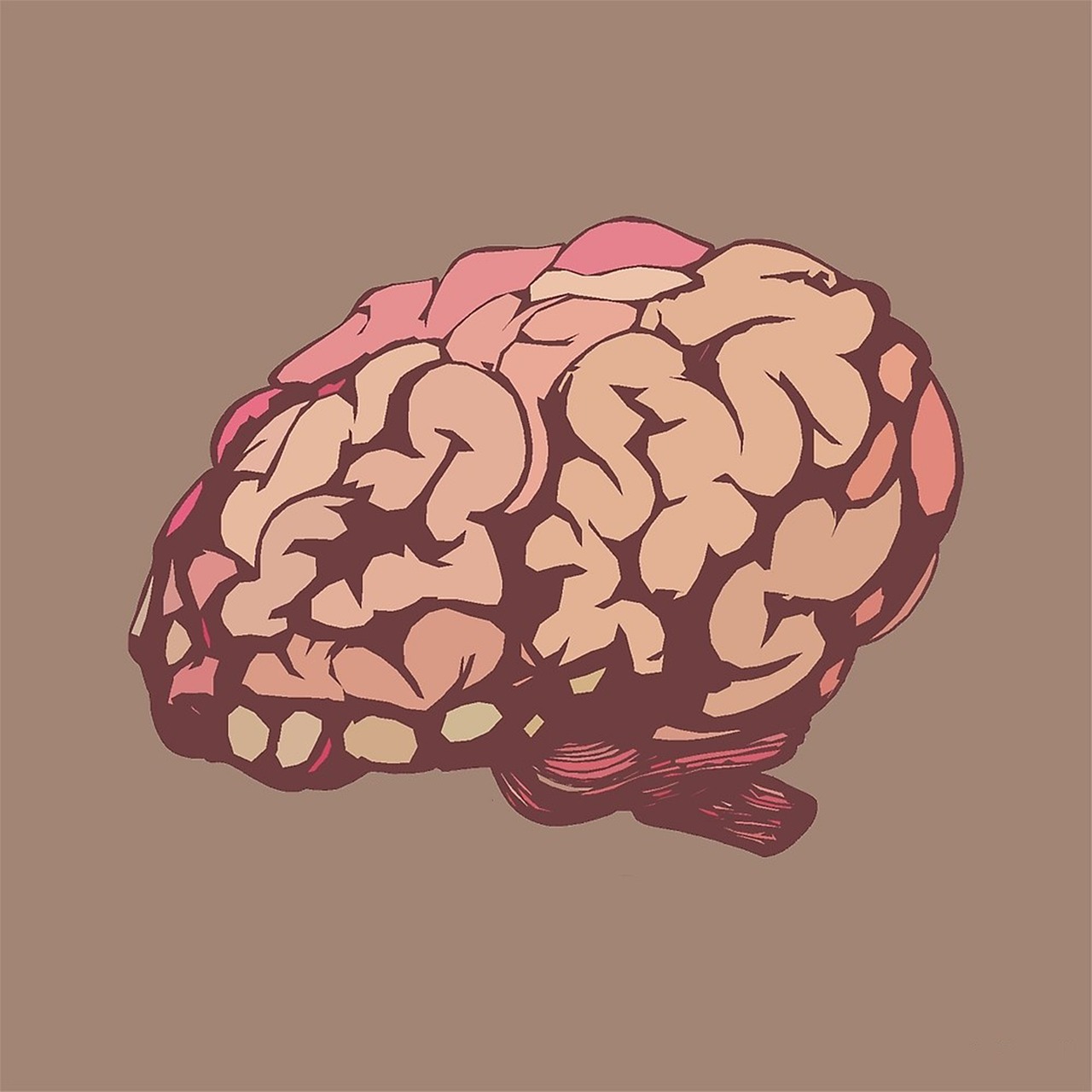
The human brain represents one of nature’s most extraordinary achievements, containing approximately 86 billion neurons interconnected through trillions of synapses. This intricate network, known as the connectome, holds the key to understanding consciousness, intelligence, and the very essence of what makes us human.

As we stand at the threshold of unprecedented technological advancement, scientists and researchers are pioneering revolutionary approaches to map, understand, and potentially expand the brain’s neural networks. The implications of this research extend far beyond academic curiosity, promising to reshape our understanding of human potential and open doors to cognitive enhancement previously relegated to science fiction. This exploration into connectome expansion represents not just a scientific endeavor but a fundamental question about the future trajectory of human evolution and intelligence.
🧠 Understanding the Connectome: The Brain’s Neural Blueprint
The connectome represents the comprehensive map of neural connections within the brain, functioning as a detailed wiring diagram of our most complex organ. Unlike static anatomical structures, the connectome is dynamic, constantly reorganizing itself through a process called neuroplasticity. This remarkable feature allows our brains to adapt, learn, and evolve throughout our lifetime.
Modern neuroscience has revealed that intelligence and cognitive capacity aren’t solely determined by brain size or neuron count. Instead, the sophistication lies in the connections between neurons—the synaptic pathways that form, strengthen, weaken, and dissolve based on our experiences, learning, and environmental interactions. Each thought, memory, and skill we develop creates unique patterns within this vast neural network.
Recent advances in neuroimaging technologies, including functional magnetic resonance imaging (fMRI) and diffusion tensor imaging (DTI), have enabled researchers to visualize these connections with unprecedented clarity. These tools reveal the brain’s structural connectivity and functional networks, providing insights into how different regions communicate and coordinate to produce complex cognitive functions.
The Science Behind Connectome Expansion 🔬
Connectome expansion refers to the deliberate enhancement of neural connections through various interventions, ranging from behavioral practices to technological innovations. This concept builds upon our understanding of neuroplasticity—the brain’s inherent ability to form new neural pathways and strengthen existing ones throughout life.
Research demonstrates that specific activities and interventions can promote connectome expansion. Learning new skills, particularly those requiring complex coordination like playing musical instruments or mastering new languages, creates new synaptic connections and strengthens neural pathways. Physical exercise increases blood flow to the brain, promoting the growth of new neurons in the hippocampus and supporting overall brain health.
Natural Mechanisms of Neural Growth
The brain naturally expands its connectome through several biological processes. Synaptogenesis, the formation of new synapses, occurs continuously in response to learning and environmental stimulation. Neurogenesis, the birth of new neurons, happens in specific brain regions even during adulthood, challenging earlier beliefs that brain cell production ceased after early development.
Long-term potentiation (LTP) strengthens synaptic connections when neurons fire repeatedly in coordinated patterns, essentially “wiring together” cells that “fire together.” This mechanism underlies memory formation and skill acquisition, making it fundamental to learning and cognitive development.
Emerging Technologies Reshaping Neural Architecture ⚡
The frontier of connectome expansion increasingly involves technological interventions designed to enhance natural neural processes. These innovations range from non-invasive techniques to sophisticated brain-computer interfaces, each offering unique possibilities for cognitive enhancement.
Neurofeedback and Brain Training
Neurofeedback technology allows individuals to observe their brain activity in real-time and learn to modulate specific neural patterns. This biofeedback approach has shown promise in treating various conditions and potentially enhancing cognitive performance. By providing immediate feedback about brain states, individuals can develop greater control over their neural activity, potentially strengthening beneficial connectivity patterns.
Digital brain training platforms have proliferated, offering exercises designed to enhance memory, attention, processing speed, and executive functions. While debates continue about the transferability of these gains to real-world performance, research suggests that appropriately designed interventions can produce measurable improvements in specific cognitive domains.
Transcranial Stimulation Techniques
Non-invasive brain stimulation methods, including transcranial magnetic stimulation (TMS) and transcranial direct current stimulation (tDCS), can modulate neural activity and potentially promote beneficial plasticity. These techniques deliver targeted stimulation to specific brain regions, influencing neuronal excitability and potentially facilitating the formation of new connections.
Research indicates that these interventions, when combined with cognitive training or rehabilitation, may accelerate learning and recovery from brain injuries. The ability to precisely target specific neural networks opens possibilities for customized cognitive enhancement protocols tailored to individual connectome profiles.
🌟 Brain-Computer Interfaces: The Next Evolutionary Step
Perhaps the most revolutionary approach to connectome expansion involves direct brain-computer interfaces (BCIs). These systems establish communication pathways between the brain and external devices, potentially creating entirely new dimensions of neural connectivity that extend beyond biological boundaries.
Companies and research institutions are developing BCIs with varying levels of invasiveness and capability. Non-invasive systems use external sensors to detect brain signals, while invasive approaches involve implanted electrodes that can both record and stimulate neural activity with greater precision.
Therapeutic Applications and Beyond
Initial BCI applications focus on medical interventions, helping paralyzed individuals control prosthetic limbs or communication devices through thought alone. These systems effectively create new pathways for information flow, compensating for damaged neural circuits and restoring lost functions.
Beyond therapeutic applications, researchers envision BCIs enabling direct brain-to-brain communication, augmented memory systems, and seamless interaction with artificial intelligence. These possibilities suggest a future where the connectome extends beyond individual brains, creating networked intelligence that transcends traditional biological limitations.
Chemical and Pharmaceutical Approaches to Neural Enhancement 💊
The pharmacological frontier of connectome expansion explores substances that may enhance neuroplasticity, promote neural growth, or optimize brain function. This field encompasses both established compounds and experimental interventions under rigorous scientific investigation.
Nootropics and Cognitive Enhancement
Nootropics, substances claimed to improve cognitive function, have gained significant attention. While some compounds show promise in research settings, the field requires careful scientific scrutiny. Established medications like methylphenidate and modafinil demonstrate cognitive effects in specific populations, though their use for enhancement in healthy individuals raises ethical and safety considerations.
Emerging research explores compounds that may directly promote neuroplasticity. Brain-derived neurotrophic factor (BDNF) enhancers, for example, could theoretically support the formation of new neural connections. However, the complexity of brain chemistry demands cautious, evidence-based approaches to any intervention.
Psychedelic Research Renaissance
Recent years have witnessed renewed scientific interest in psychedelic compounds and their potential to promote neural plasticity. Studies suggest that substances like psilocybin may temporarily increase brain connectivity and promote lasting changes in neural networks when used in controlled therapeutic contexts.
This research remains in early stages, with significant questions about mechanisms, optimal protocols, and long-term effects. Nevertheless, preliminary findings hint at possibilities for therapeutic interventions that could reorganize maladaptive connectivity patterns associated with conditions like depression and anxiety.
Lifestyle Factors: The Foundation of Connectome Health 🌱
While advanced technologies capture attention, fundamental lifestyle factors remain crucial for maintaining and expanding the connectome. These accessible interventions provide the foundation upon which other enhancement strategies build.
Exercise and Physical Activity
Physical exercise represents one of the most powerful interventions for brain health and connectome expansion. Aerobic exercise increases production of neurotrophic factors, promotes neurogenesis in the hippocampus, and enhances overall brain connectivity. Studies consistently demonstrate that regular physical activity improves cognitive performance across various domains.
Different exercise modalities may offer unique benefits. Cardiovascular exercise supports brain blood flow and metabolic health, while activities requiring coordination and skill learning, such as dance or martial arts, provide additional cognitive stimulation that may enhance specific neural networks.
Nutrition and Brain Health
Dietary factors significantly influence brain structure and function. Omega-3 fatty acids, particularly DHA, support neural membrane integrity and promote synaptic plasticity. Antioxidants protect neurons from oxidative stress, while adequate protein intake provides amino acids necessary for neurotransmitter synthesis.
Emerging research suggests that dietary patterns, rather than individual nutrients, most strongly influence brain health. Mediterranean-style diets rich in vegetables, fruits, whole grains, and healthy fats correlate with better cognitive function and reduced risk of neurodegenerative diseases.
Sleep: The Brain’s Maintenance Window
Sleep plays an indispensable role in connectome health and expansion. During sleep, the brain consolidates memories, clears metabolic waste products, and reorganizes neural connections based on daily experiences. Sleep deprivation impairs these processes, hindering learning and potentially damaging existing neural architecture.
Quality sleep supports synaptic homeostasis—the process by which the brain strengthens important connections while pruning unnecessary ones. This selective reinforcement creates more efficient neural networks, improving cognitive performance and learning capacity.
🎓 Education and Learning: Traditional Pathways to Neural Expansion
Formal education and lifelong learning represent time-tested methods for expanding the connectome. Acquiring new knowledge and skills creates new synaptic connections while strengthening existing pathways, literally reshaping brain architecture through experience.
Different types of learning engage distinct neural networks. Language acquisition, mathematical reasoning, musical training, and motor skill development each create unique connectivity patterns. Pursuing diverse learning experiences may therefore promote more comprehensive connectome expansion than focusing narrowly on a single domain.
The Power of Novelty and Challenge
Research indicates that novelty and appropriate challenge levels optimize learning-induced plasticity. Activities that are neither too easy nor impossibly difficult engage attention systems and motivational circuits that support the formation of robust neural connections. This principle explains why varied, progressively challenging experiences promote greater cognitive development than repetitive, easily mastered tasks.
Ethical Considerations and Societal Implications ⚖️
The pursuit of connectome expansion and cognitive enhancement raises profound ethical questions that society must address as these technologies mature. Issues of access, equity, safety, and human nature itself demand thoughtful consideration.
Access and Inequality
Advanced cognitive enhancement technologies risk exacerbating existing inequalities if access remains limited to privileged populations. The prospect of enhanced individuals gaining competitive advantages in education and employment could create new forms of social stratification based on neural capabilities.
Ensuring equitable access to beneficial interventions while preventing coercive enhancement pressures represents a significant challenge. Society must develop frameworks that maximize benefits while protecting individual autonomy and preventing the emergence of a cognitive underclass.
Safety and Long-term Effects
Many proposed enhancement interventions lack comprehensive long-term safety data. The brain’s complexity means that modifications designed to improve one function might produce unforeseen consequences elsewhere in the neural network. Conservative, evidence-based approaches that prioritize safety over rapid enhancement are essential.
The Road Ahead: Future Possibilities and Predictions 🚀
The future of connectome expansion and cognitive enhancement promises developments that currently seem extraordinary. As our understanding deepens and technologies mature, possibilities that once belonged to science fiction may become reality.
Personalized Neural Enhancement
Advances in connectome mapping may enable personalized enhancement strategies tailored to individual neural architectures. Rather than one-size-fits-all approaches, future interventions could target specific connectivity patterns to address individual weaknesses or amplify existing strengths.
Artificial intelligence systems analyzing individual connectome data might recommend customized combinations of behavioral, technological, and potentially pharmacological interventions optimized for each person’s unique neural profile and goals.
Collective Intelligence and Networked Minds
Perhaps the most speculative yet intriguing possibility involves creating connections between individual brains, forming collective intelligence networks. Brain-to-brain interfaces could enable direct sharing of thoughts, experiences, or skills, fundamentally transforming human collaboration and communication.
Such developments would raise unprecedented questions about consciousness, identity, and the boundaries of the self. The philosophical implications of merged or shared mental states challenge fundamental assumptions about human nature and individuality.
🎯 Practical Steps for Optimizing Your Connectome Today
While advanced technologies develop, evidence-based strategies for connectome health and expansion are available now. Implementing these practices can support brain health and cognitive function regardless of future technological advances.
- Engage in regular aerobic exercise, aiming for at least 150 minutes of moderate-intensity activity weekly
- Prioritize quality sleep, maintaining consistent schedules and creating environments conducive to restorative rest
- Pursue lifelong learning through formal education, skill acquisition, or intellectual hobbies
- Maintain social connections, as social interaction stimulates diverse neural networks
- Practice mindfulness or meditation, which research suggests can modify brain connectivity patterns
- Consume a brain-healthy diet rich in omega-3 fatty acids, antioxidants, and diverse nutrients
- Challenge yourself with novel experiences that require learning and adaptation
- Manage stress through healthy coping strategies, as chronic stress can damage neural connections

Bridging Present Reality and Future Potential 🌉
The exploration of connectome expansion sits at the intersection of current neuroscience, emerging technology, and speculative possibility. While extraordinary advances may lie ahead, the foundation of brain health rests on principles accessible today: physical activity, quality sleep, continuous learning, and social engagement.
As research progresses, distinguishing between evidence-based interventions and speculative claims becomes increasingly important. The brain’s complexity demands respect and caution, even as we pursue enhancement possibilities. Future breakthroughs will likely emerge from integrating multiple approaches—behavioral, technological, and potentially pharmacological—tailored to individual needs and grounded in rigorous science.
The quest to unlock the mind’s potential through connectome expansion represents humanity’s ongoing effort to understand and transcend our limitations. Whether through traditional learning, lifestyle optimization, or emerging technologies, the goal remains consistent: enhancing human intelligence and cognitive capability to solve complex problems and improve quality of life.
This journey requires balancing enthusiasm for possibility with realistic assessment of current knowledge. It demands ethical frameworks that protect individual autonomy while promoting collective benefit. Most importantly, it requires recognizing that expanding the connectome ultimately serves human flourishing—not as an end itself, but as a means to realize our deepest potentials and aspirations.
The frontier of human intelligence expansion beckons with both promise and responsibility. As we develop capabilities to reshape the neural networks that define our consciousness and cognition, we must proceed thoughtfully, ensuring that advances serve humanity’s highest values while respecting the profound mystery and beauty of the human mind.