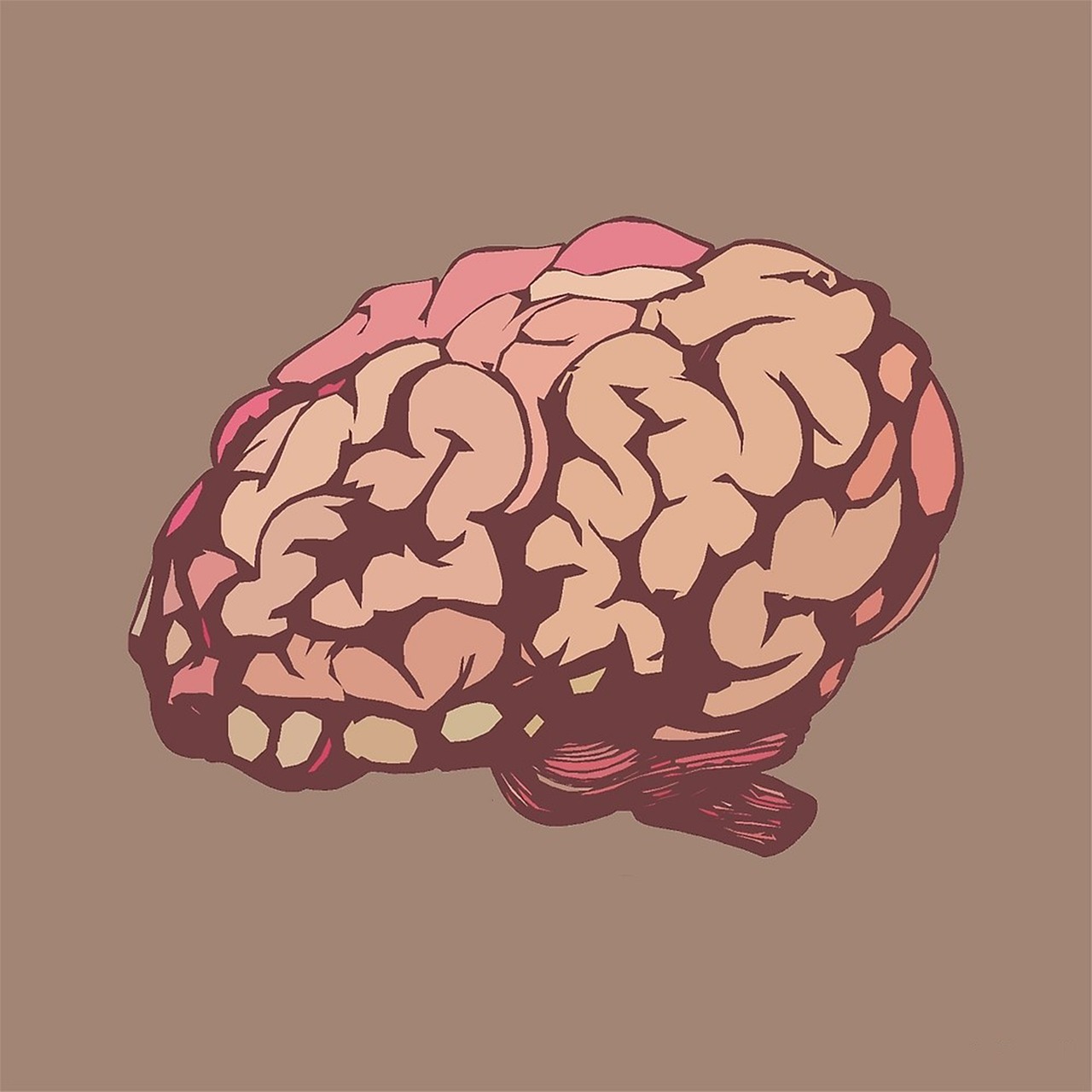
The human brain orchestrates a magnificent electrical performance every moment of our existence. This intricate biological symphony involves billions of neurons communicating through sophisticated pathways that define who we are, how we think, and everything we experience.

Understanding neural signal transmission reveals not just the mechanics of thought, but unveils the fundamental architecture of consciousness itself. From the simplest reflex to the most complex creative insight, electrical signals racing through neural pathways make everything possible in ways scientists continue to discover and marvel at.
⚡ The Electrical Nature of Neural Communication
At its core, neural signal transmission represents one of nature’s most elegant solutions to biological communication. Unlike the static electricity we encounter in daily life, the brain’s electrical activity is precisely controlled, dynamically regulated, and incredibly sophisticated in its execution.
Neurons generate electrical signals through carefully orchestrated movements of charged particles called ions. These ions, primarily sodium, potassium, calcium, and chloride, flow across neural membranes through specialized protein channels. The resulting electrical potentials create the foundation for all neural communication, forming what neuroscientists call action potentials.
The resting potential of a neuron sits at approximately -70 millivolts, maintained by energy-dependent pumps that continuously work to keep the internal environment of neurons negatively charged relative to the outside. This electrical gradient represents stored energy, ready to be unleashed when the neuron receives appropriate stimulation.
The Action Potential: Neural Lightning ⚡
When a neuron fires, it produces an action potential – a rapid electrical spike that travels along the axon like lightning through a wire. This process follows an all-or-nothing principle: once the threshold is reached, the action potential fires completely and consistently, regardless of stimulus strength beyond that threshold.
The action potential unfolds in distinct phases. Depolarization occurs first, as sodium channels open and positive sodium ions rush into the cell, causing the membrane potential to swing from -70 millivolts to approximately +30 millivolts in mere milliseconds. This dramatic electrical reversal represents the peak of the action potential.
Repolarization follows immediately as potassium channels open, allowing positively charged potassium ions to exit the cell, restoring the negative internal charge. A brief hyperpolarization period ensures the neuron cannot fire again immediately, creating a refractory period that regulates firing frequency and ensures signals travel in one direction.
🧠 Synaptic Transmission: Where Electricity Meets Chemistry
The journey of neural signals becomes even more fascinating at synapses, the tiny gaps between neurons where electrical signals transform into chemical messages. This electrical-to-chemical-to-electrical conversion represents one of the brain’s most remarkable features, allowing for signal modulation, amplification, and integration.
When an action potential reaches the axon terminal, it triggers voltage-gated calcium channels to open. The influx of calcium ions initiates a cascade of events that causes synaptic vesicles containing neurotransmitters to fuse with the cell membrane and release their chemical contents into the synaptic cleft.
These neurotransmitter molecules diffuse across the narrow synaptic gap, typically only 20-40 nanometers wide, and bind to receptor proteins on the postsynaptic neuron. This binding can either excite or inhibit the receiving neuron, depending on the neurotransmitter and receptor type involved.
Neurotransmitters: The Chemical Messengers 💊
The brain employs dozens of different neurotransmitters, each with specialized roles in neural communication. Glutamate serves as the primary excitatory neurotransmitter, promoting neural firing and facilitating learning and memory formation. GABA (gamma-aminobutyric acid) functions as the main inhibitory neurotransmitter, helping to regulate neural activity and prevent excessive firing.
Dopamine influences motivation, reward processing, and movement control. Serotonin modulates mood, sleep, and appetite. Norepinephrine affects alertness and arousal. Acetylcholine plays crucial roles in muscle activation, attention, and memory. Each neurotransmitter contributes its unique voice to the brain’s electrical symphony.
🛣️ Neural Pathways: The Brain’s Information Highways
Neural signals don’t travel randomly through the brain. Instead, they follow established pathways – networks of connected neurons that have formed through development, learning, and experience. These pathways represent the brain’s wiring diagram, determining how information flows and how different brain regions communicate.
Some neural pathways are hardwired from birth, controlling essential functions like breathing, heart rate, and basic reflexes. Others develop through experience, shaped by the principle of neuroplasticity – the brain’s remarkable ability to reorganize itself by forming new neural connections throughout life.
Major neural pathways include sensory pathways that transmit information from sensory organs to processing centers, motor pathways that carry commands from the brain to muscles, and association pathways that connect different brain regions for higher-order processing like language, reasoning, and emotional regulation.
The Speed of Thought 🏃
Neural signal transmission occurs at speeds that vary dramatically depending on axon characteristics. Unmyelinated nerve fibers conduct signals at relatively modest speeds of 0.5 to 2 meters per second. However, myelinated axons – those wrapped in insulating myelin sheaths – can transmit signals at speeds exceeding 120 meters per second.
Myelin acts like insulation on electrical wires, allowing action potentials to jump between gaps in the myelin sheath called nodes of Ranvier. This saltatory conduction dramatically increases transmission speed while reducing energy requirements, demonstrating evolution’s elegant solution to rapid long-distance neural communication.
🔄 Signal Integration and Neural Computing
Individual neurons typically receive thousands of synaptic inputs simultaneously, some excitatory and others inhibitory. The neuron must integrate all these competing signals to determine whether to fire an action potential. This computational process occurs constantly across billions of neurons, creating the brain’s remarkable processing power.
Temporal summation occurs when multiple signals arrive at a synapse in rapid succession, their effects adding together. Spatial summation happens when signals from multiple synapses arrive simultaneously at different locations on the neuron. Through these integration mechanisms, neurons perform sophisticated calculations that underlie all brain functions.
The threshold for firing represents a critical decision point. If the combined excitatory inputs sufficiently outweigh inhibitory inputs to reach threshold at the axon hillock – the neuron’s trigger zone – an action potential fires. Otherwise, the signals dissipate without generating output, effectively filtering noise and irrelevant information.
🌟 Neuroplasticity: Rewiring the Symphony
The brain’s electrical pathways are not fixed but constantly evolving through neuroplasticity. This fundamental property allows neural networks to strengthen, weaken, reorganize, and even create new connections based on experience and activity patterns.
Hebbian plasticity, often summarized as “neurons that fire together wire together,” describes how simultaneous activation of connected neurons strengthens their synaptic connections. Repeated activation patterns become more efficient, requiring less stimulation to trigger the same response – the cellular basis of learning and memory.
Long-term potentiation (LTP) represents the cellular mechanism underlying memory formation, where repeated stimulation of synapses leads to lasting increases in signal transmission efficiency. Conversely, long-term depression (LTD) weakens underused connections, helping to prune unnecessary pathways and optimize neural networks.
Experience Shapes Neural Architecture 🏗️
Every experience leaves traces in neural pathways. Learning a new skill creates and strengthens specific neural connections. Practicing a musical instrument, mastering a language, or developing expertise in any domain physically changes the brain’s structure and function through activity-dependent plasticity.
Environmental enrichment, cognitive challenges, physical exercise, and social interaction all promote neuroplasticity and neural health. Conversely, disuse, chronic stress, and lack of stimulation can lead to pathway weakening and cognitive decline, emphasizing the “use it or lose it” principle in brain function.
🔬 Modern Technologies Illuminating Neural Transmission
Contemporary neuroscience employs sophisticated technologies to observe and measure neural signal transmission in unprecedented detail. Electroencephalography (EEG) records electrical activity from the scalp, revealing brainwave patterns associated with different mental states and disorders.
Functional magnetic resonance imaging (fMRI) tracks blood flow changes that indicate neural activity, mapping which brain regions activate during specific tasks. Magnetoencephalography (MEG) measures magnetic fields produced by electrical currents in neurons, offering excellent temporal resolution for tracking signal dynamics.
Advanced techniques like optogenetics allow researchers to control specific neurons with light, enabling precise manipulation of neural pathways to understand their functions. Patch-clamp electrophysiology records electrical activity from individual neurons, revealing intricate details of ion channel function and synaptic transmission.
⚕️ When the Symphony Goes Silent: Neural Transmission Disorders
Understanding neural signal transmission illuminates numerous neurological and psychiatric conditions. Multiple sclerosis involves myelin degradation, disrupting signal transmission and causing various neurological symptoms. Epilepsy results from excessive synchronized neural firing, creating seizures that overwhelm normal brain function.
Parkinson’s disease involves dopamine pathway degeneration, impairing motor control and movement coordination. Alzheimer’s disease progressively damages neural pathways, disrupting memory formation and cognitive function. Depression and anxiety disorders involve imbalances in neurotransmitter systems, particularly serotonin, dopamine, and norepinephrine pathways.
Many therapeutic interventions target neural transmission mechanisms. Medications modulate neurotransmitter systems to restore balance. Deep brain stimulation delivers electrical pulses to specific neural pathways, alleviating symptoms in movement disorders and treatment-resistant depression. Cognitive behavioral therapy leverages neuroplasticity to create healthier thought patterns through repeated practice.
🚀 The Future of Neural Signal Research
Emerging technologies promise revolutionary advances in understanding and interfacing with neural signal transmission. Brain-computer interfaces are translating neural signals into digital commands, enabling paralyzed individuals to control prosthetic limbs or communicate through thought alone.
Artificial intelligence models inspired by neural networks demonstrate how understanding biological signal transmission can inform technological innovation. Conversely, AI tools are accelerating neuroscience research by analyzing massive datasets of neural recordings to identify patterns invisible to human researchers.
Nanotechnology may eventually enable direct observation and modulation of individual synapses and ion channels. Gene therapies could correct inherited disorders affecting neural transmission. Personalized medicine approaches might tailor treatments based on individual variations in neural pathway organization and neurotransmitter systems.

🎼 The Symphony Continues
The brain’s electrical symphony represents one of nature’s most magnificent achievements – billions of neurons coordinating their electrical activity to generate consciousness, creativity, emotion, and every aspect of human experience. Understanding neural signal transmission reveals not just biological mechanisms but fundamental truths about what makes us human.
From the simple beauty of an action potential to the staggering complexity of integrated neural networks, each level of organization contributes to the whole. The electrical signals racing through neural pathways right now as you read these words exemplify this process in action, converting visual information into meaning, triggering memories, and generating thoughts.
As neuroscience continues advancing, our appreciation for the brain’s electrical symphony only deepens. Each discovery reveals new layers of complexity and elegance, new questions to explore, and new possibilities for treating disorders and enhancing human potential. The pathways of neural signal transmission remain among science’s most captivating frontiers, promising insights that will shape medicine, technology, and our understanding of consciousness itself for generations to come.
The next time you think a thought, recall a memory, or experience an emotion, remember the extraordinary electrical performance occurring within your skull – billions of neurons firing in precise coordination, neurotransmitters flowing across synaptic gaps, and signals racing along myelinated pathways at incredible speeds. You carry within you an electrical symphony of unparalleled sophistication, conducting the magnificent performance that is your conscious experience. 🧠✨