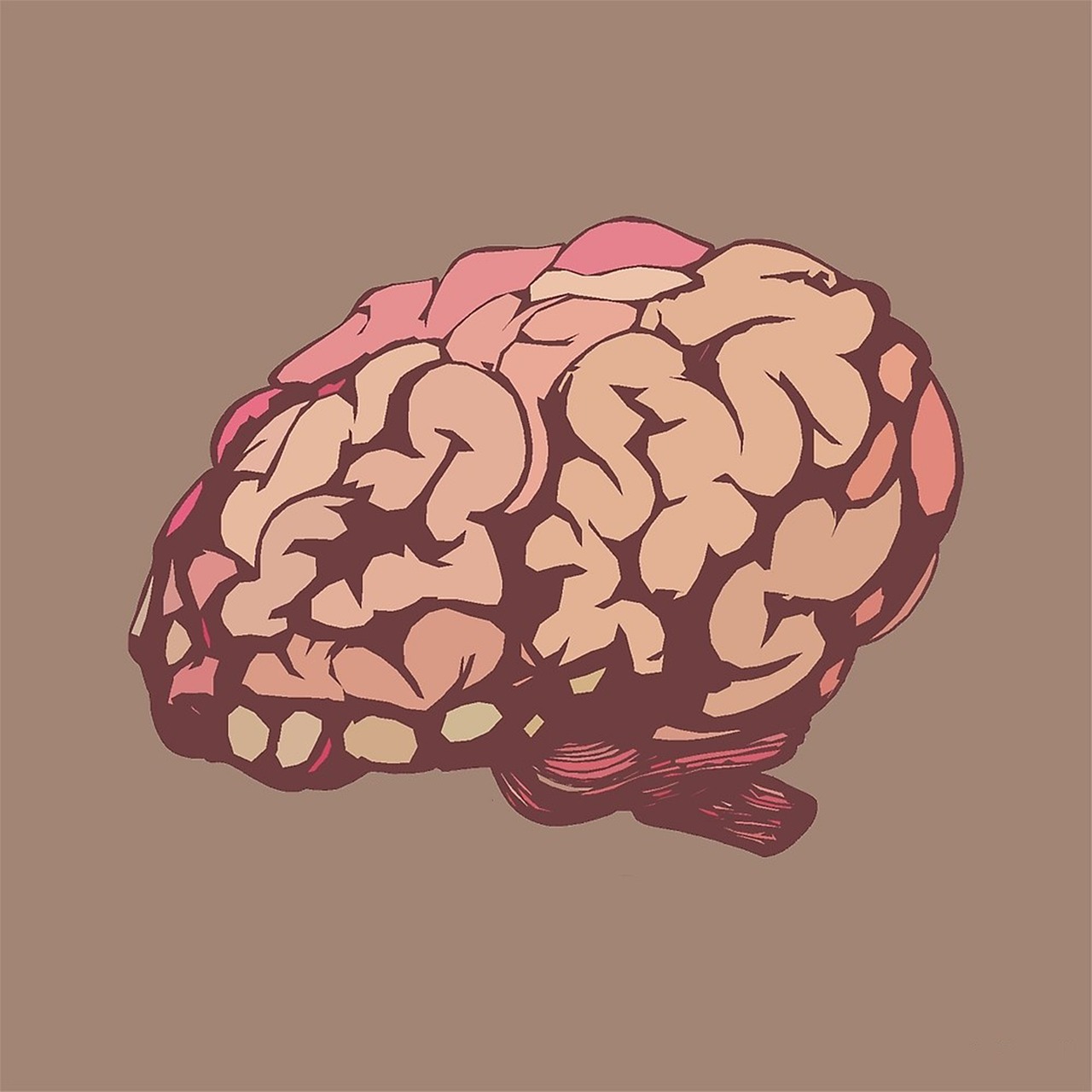
The human brain is a marvel of interconnected networks, constantly communicating and synchronizing to create our thoughts, emotions, and experiences. Understanding how to harness this neural symphony can transform our mental capabilities in remarkable ways.

Brain network synchronization represents one of the most exciting frontiers in neuroscience and personal development. When different regions of our brain work in coordinated harmony, we unlock extraordinary potential for creativity, sustained attention, and overall mental well-being. This synchronization isn’t just a scientific concept—it’s a practical pathway to enhancing how we think, create, and live.
🧠 Understanding Brain Network Synchronization: The Foundation of Mental Performance
Brain network synchronization occurs when neural networks across different brain regions oscillate at similar frequencies, creating coherent patterns of activity. This phenomenon enables efficient information transfer and processing throughout the brain, much like musicians playing in perfect harmony create beautiful music.
Our brains contain approximately 86 billion neurons, forming trillions of connections. These neurons communicate through electrical impulses and chemical signals, creating oscillatory patterns called brain waves. When these waves synchronize across networks, the brain operates at peak efficiency, enabling complex cognitive functions that define our human experience.
Research shows that synchronized brain networks are associated with enhanced cognitive performance, emotional regulation, and even consciousness itself. The Default Mode Network (DMN), the Salience Network, and the Executive Control Network are three primary systems that, when properly synchronized, contribute to optimal mental functioning.
The Science Behind Neural Oscillations
Neural oscillations occur at different frequency bands, each associated with specific mental states and functions. Delta waves (0.5-4 Hz) dominate during deep sleep, theta waves (4-8 Hz) appear during meditation and creativity, alpha waves (8-12 Hz) emerge during relaxation, beta waves (12-30 Hz) characterize active thinking, and gamma waves (30-100 Hz) facilitate information processing and integration.
When these oscillations synchronize across brain regions, they create coherent networks capable of processing information more efficiently. This synchronization isn’t static—it dynamically shifts based on our activities, environment, and mental state, creating the flexible yet organized brain function necessary for adaptive behavior.
🎨 Unleashing Creative Potential Through Neural Harmony
Creativity flourishes when the brain achieves specific synchronization patterns, particularly involving the interplay between the default mode network and executive control regions. This synchronized state allows for both divergent thinking (generating multiple ideas) and convergent thinking (focusing on solutions).
Studies using functional MRI and EEG technology reveal that during creative insights, there’s increased alpha and theta wave synchronization, particularly in the prefrontal cortex and temporal lobes. This pattern facilitates the connection of seemingly unrelated concepts, the hallmark of creative thinking.
The Creative Flow State
The flow state—that magical experience when creativity effortlessly emerges—represents optimal brain network synchronization. During flow, there’s reduced activity in the prefrontal cortex (transient hypofrontality) coupled with enhanced synchronization between sensory, motor, and reward processing regions. This creates the sensation of timelessness and effortless performance that artists, writers, and innovators seek.
To cultivate creative synchronization, research suggests engaging in activities that promote theta and alpha wave states. Meditation, nature walks, mindful breathing, and even taking warm showers have been shown to facilitate these brain wave patterns, explaining why great ideas often emerge during relaxed states rather than forced brainstorming sessions.
🎯 Sharpening Focus and Attention Through Synchronized Networks
Focus and sustained attention require precise synchronization between multiple brain networks, particularly the dorsolateral prefrontal cortex, parietal cortex, and thalamus. This synchronized activity filters out distractions while maintaining goal-directed behavior.
Modern life presents unprecedented challenges to attention, with digital distractions fragmenting our focus and disrupting natural synchronization patterns. Understanding how to restore and strengthen these networks becomes essential for productivity and mental performance.
Training Your Attention Networks
Attention network synchronization can be enhanced through specific practices. Mindfulness meditation has been extensively studied, showing improvements in both sustained attention and attentional control. Regular practitioners demonstrate increased gamma wave synchronization during focused attention tasks, indicating stronger network coordination.
Cognitive training exercises targeting working memory and attention also promote network synchronization. These activities challenge the brain to maintain and manipulate information, strengthening connections between frontal and parietal regions essential for focused attention.
🧘 Practical Strategies to Enhance Brain Network Synchronization
Optimizing brain network synchronization doesn’t require expensive equipment or complicated procedures. Several evidence-based strategies can be incorporated into daily life to enhance neural coordination and reap the cognitive benefits.
Meditation and Mindfulness Practices
Meditation stands as one of the most powerful tools for promoting brain network synchronization. Different meditation styles produce distinct synchronization patterns. Focused attention meditation enhances synchronization in attention networks, while open monitoring meditation strengthens default mode network regulation. Even brief daily sessions of 10-15 minutes can produce measurable changes in brain synchronization patterns over weeks.
Optimizing Sleep Architecture
Sleep represents a critical period for brain network reorganization and synchronization. During sleep, particularly slow-wave and REM stages, the brain consolidates memories, clears metabolic waste, and resets neural networks for optimal daytime functioning. Prioritizing 7-9 hours of quality sleep, maintaining consistent sleep schedules, and creating optimal sleep environments directly supports synchronization processes.
Physical Exercise and Movement
Aerobic exercise increases blood flow to the brain, promotes neuroplasticity, and enhances network synchronization. Research demonstrates that regular exercise strengthens connections between the hippocampus and prefrontal cortex, improving both memory and executive function. Activities combining physical movement with cognitive demands, such as dancing or martial arts, may offer additional synchronization benefits.
Nutritional Support for Neural Function
Brain network synchronization depends on proper neurochemical balance, influenced significantly by nutrition. Omega-3 fatty acids, particularly DHA, support neural membrane fluidity essential for efficient signaling. B vitamins facilitate neurotransmitter synthesis, while antioxidants protect against oxidative stress that can disrupt network function. A Mediterranean-style diet rich in fish, nuts, fruits, vegetables, and whole grains provides comprehensive nutritional support for neural synchronization.
💡 Technology-Assisted Approaches to Neural Optimization
Emerging technologies offer new possibilities for monitoring and enhancing brain network synchronization. While still developing, these tools provide insights and interventions previously unavailable outside research laboratories.
Neurofeedback Training
Neurofeedback allows individuals to observe their brain wave patterns in real-time and learn to modulate them intentionally. By providing immediate feedback about neural activity, this technique helps train specific synchronization patterns associated with desired mental states. Clinical applications include treating ADHD, anxiety, and enhancing peak performance in athletes and professionals.
Binaural Beats and Auditory Entrainment
Binaural beats present slightly different frequencies to each ear, creating a perceived third frequency that may influence brain wave patterns through entrainment. While research remains mixed, some studies suggest that appropriately designed auditory stimulation can facilitate specific brain states associated with relaxation, focus, or creativity. Many apps and programs offer binaural beat protocols designed to promote various synchronization patterns.
Brain Training Applications
Numerous applications claim to enhance cognitive function through gamified training exercises. While debate continues about transfer effects to real-world performance, research suggests that well-designed cognitive training targeting specific networks can produce measurable improvements. The key lies in choosing programs based on solid neuroscience principles rather than marketing claims.
🌟 Mental Harmony: The Integration of Synchronized Brain Functions
Mental harmony emerges when different brain networks maintain both functional specialization and flexible integration. This balanced state allows us to shift smoothly between focused work, creative exploration, social engagement, and restful recovery—adapting to life’s demands while maintaining psychological well-being.
Emotional Regulation and Network Balance
Emotional harmony depends on synchronized communication between limbic structures (amygdala, hippocampus) and prefrontal regulatory regions. When these networks communicate effectively, we experience emotional responses appropriate to situations while maintaining the ability to modulate intense feelings. Disrupted synchronization between emotional and regulatory networks contributes to mood disorders and emotional dysregulation.
Social Connection and Interpersonal Synchronization
Remarkably, brain network synchronization extends beyond individual brains to interpersonal contexts. Studies show that during meaningful conversations or shared experiences, participants’ brain activity patterns begin to synchronize. This neural coupling may underlie empathy, effective communication, and the sense of connection we feel with others. Cultivating genuine social connections thus serves dual purposes—enhancing both psychological well-being and individual neural synchronization patterns.
⚡ Overcoming Obstacles to Optimal Synchronization
Various factors can disrupt brain network synchronization, creating obstacles to optimal mental performance and well-being. Recognizing and addressing these barriers is essential for maintaining neural harmony.
Managing Chronic Stress
Chronic stress represents one of the most significant threats to brain network synchronization. Prolonged cortisol elevation alters neural signaling, reduces neuroplasticity, and disrupts the balance between different brain networks. Stress management through relaxation techniques, social support, time management, and professional help when needed protects synchronization processes essential for mental health.
Reducing Digital Overload
Constant digital stimulation fragments attention and prevents the sustained focus necessary for deep network synchronization. The rapid task-switching demanded by modern technology trains the brain for distraction rather than coordination. Implementing digital boundaries—designated tech-free times, notification management, and intentional device use—allows brain networks to restore natural synchronization patterns.
Addressing Sleep Disorders
Sleep disorders ranging from insomnia to sleep apnea fundamentally compromise brain network synchronization by disrupting the restorative processes occurring during sleep. These conditions deserve professional evaluation and treatment, as improving sleep quality often produces cascading benefits for cognitive function, emotional regulation, and overall mental harmony.
🔮 The Future of Brain Network Optimization
Neuroscience research continues revealing new insights about brain network synchronization, opening exciting possibilities for future applications. Advanced neuroimaging techniques provide increasingly detailed understanding of how networks coordinate, while novel interventions offer potential for targeted enhancement.
Personalized approaches based on individual brain patterns may become possible as technology advances. Rather than one-size-fits-all recommendations, interventions could be tailored to specific synchronization profiles, optimizing outcomes for different individuals and purposes.
The intersection of artificial intelligence and neuroscience may yield sophisticated tools for monitoring, predicting, and enhancing brain network states. While these technologies raise important ethical considerations, they also promise unprecedented capacity to support human cognitive potential and mental well-being.
🌈 Integrating Synchronization Principles Into Daily Life
Understanding brain network synchronization transforms from academic knowledge to practical wisdom when integrated into daily routines. Small, consistent practices accumulate to produce significant changes in neural organization and mental performance.
Begin mornings with brief meditation or mindful breathing to establish baseline synchronization for the day. Structure work periods around natural attention rhythms, taking breaks to prevent network fatigue. Engage in creative activities without immediate performance pressure, allowing synchronization patterns supporting insight and innovation to emerge. Prioritize genuine social connections that promote interpersonal neural coupling. End days with technology-free wind-down periods supporting transition to restorative sleep.
The power of brain network synchronization lies not in complex interventions but in consistent application of principles supporting natural neural harmony. Our brains evolved to synchronize—we simply need to create conditions allowing this innate capacity to flourish.
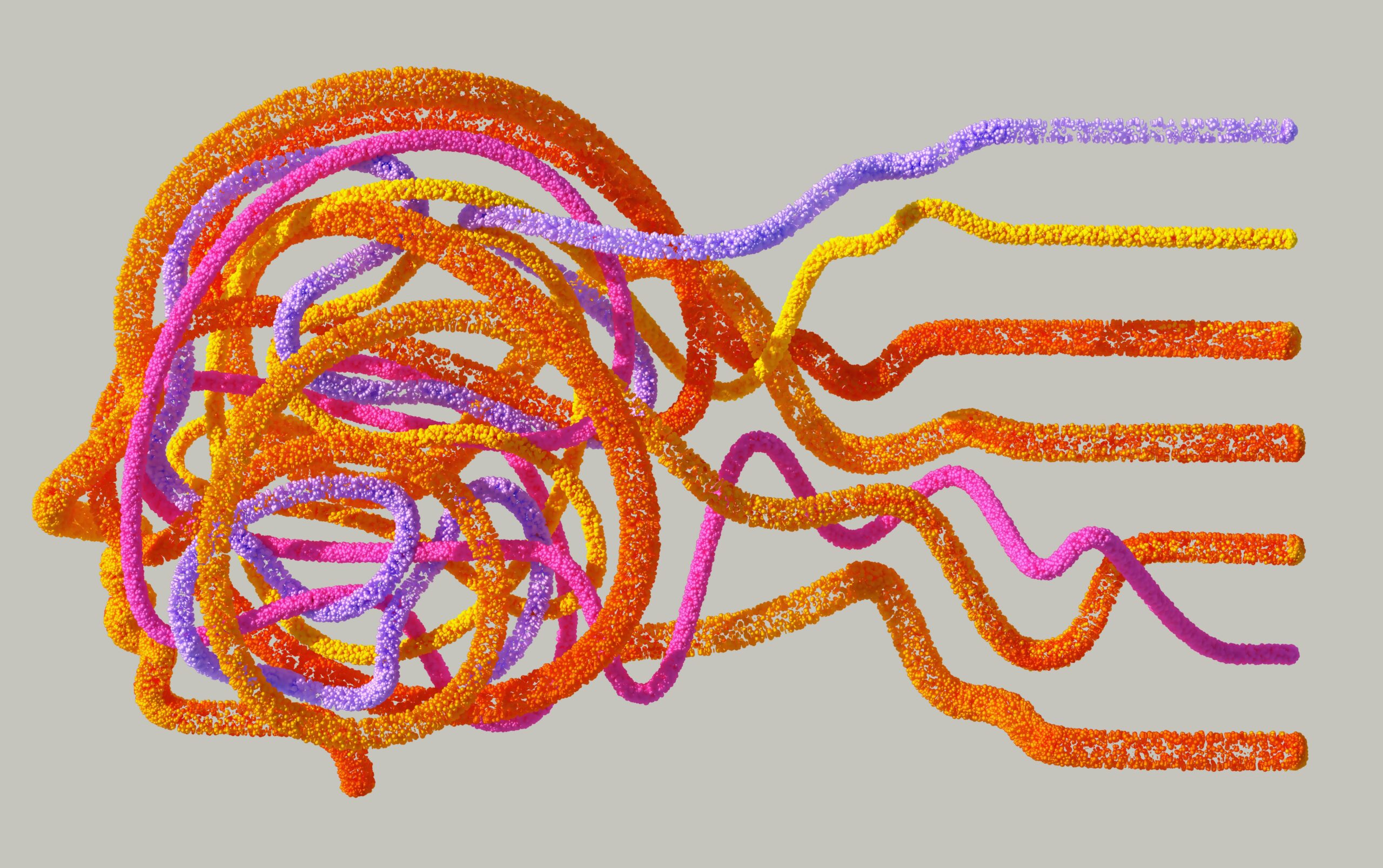
🎼 Composing Your Neural Symphony
Brain network synchronization represents the difference between neural noise and neural symphony. When brain regions communicate in coordinated patterns, we experience the full potential of human consciousness—rich creativity, sustained focus, emotional balance, and the sense of harmony that characterizes well-being.
This synchronization isn’t a fixed trait but a dynamic state we can influence through choices and practices. Every meditation session, every good night’s sleep, every moment of focused attention, every creative exploration strengthens the neural connections and coordination patterns supporting optimal mental function.
The journey toward enhanced brain network synchronization is ultimately a journey toward becoming more fully ourselves—accessing the creativity, focus, and mental harmony that emerge when our brains operate as the magnificent integrated systems they evolved to be. By understanding and nurturing these synchronization processes, we unlock human potential that has always resided within our neural networks, waiting for the right conditions to fully express itself.