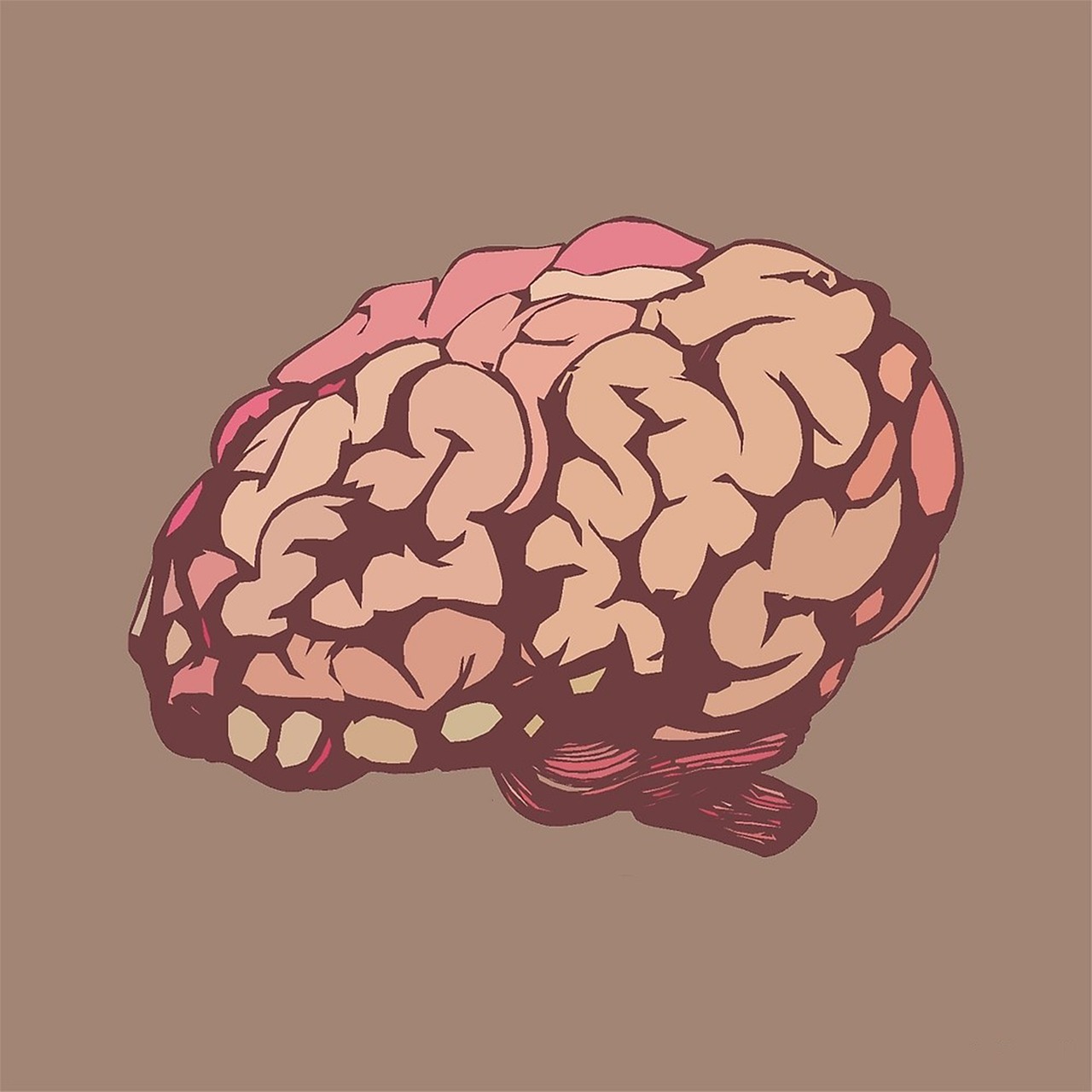
The human brain contains approximately 86 billion neurons, each forming thousands of connections that enable thought, memory, and consciousness. This intricate network relies fundamentally on axonal communication—the remarkable process by which neurons transmit information across vast distances within our bodies.

Understanding how neurons connect and communicate through their axons opens a window into the very essence of what makes us human. From the simplest reflex to the most complex creative thought, every mental process depends on the precise orchestration of electrical and chemical signals traveling through axonal pathways. This biological marvel represents one of nature’s most sophisticated communication systems, far surpassing any technology humans have yet created.
🧠 The Anatomical Foundation: What Makes Axons Special
Axons are elongated cellular projections that extend from the neuron’s cell body, or soma, serving as the primary transmission cables of the nervous system. Unlike dendrites, which receive incoming signals, axons specialize in sending information to other neurons, muscles, or glands. Some axons span mere millimeters, while others stretch over a meter long, such as those connecting the spinal cord to the toes.
The axon’s unique structure reflects its specialized function. Wrapped in an insulating myelin sheath produced by glial cells, axons can conduct electrical signals at speeds up to 120 meters per second. This myelin coating isn’t continuous but features regular gaps called nodes of Ranvier, which play a crucial role in signal propagation through a process known as saltatory conduction.
At the axon terminal, the structure branches into multiple synaptic boutons—bulb-like endings that house neurotransmitter-filled vesicles. These terminals position themselves mere nanometers away from target cells, creating the synaptic cleft where chemical communication occurs. This architectural precision ensures reliable information transfer across the neural network.
⚡ The Electrical Language: Action Potentials Explained
Neuronal communication begins with electrical signals called action potentials—rapid, temporary changes in the electrical charge across the axonal membrane. At rest, neurons maintain a negative internal charge of approximately -70 millivolts relative to the outside environment. This resting potential results from the careful balance of ions, particularly sodium, potassium, chloride, and proteins, maintained by energy-dependent ion pumps.
When a neuron receives sufficient stimulation, voltage-gated sodium channels along the axon open, allowing positively charged sodium ions to rush inside. This influx reverses the membrane potential to approximately +40 millivolts—a phenomenon called depolarization. Almost immediately, sodium channels close and potassium channels open, allowing potassium to exit and restore the negative charge through repolarization.
The action potential follows an all-or-nothing principle: once triggered, it propagates down the entire length of the axon without diminishing in strength. This reliability ensures that messages traveling from brain to body maintain their integrity regardless of distance. The refractory period following each action potential prevents signals from traveling backward and sets a maximum firing frequency for each neuron.
The Myelin Advantage: Speed Through Insulation
Myelin dramatically accelerates signal transmission through saltatory conduction, where action potentials literally jump between nodes of Ranvier rather than traveling continuously along the membrane. This evolutionary innovation increases conduction velocity up to 100-fold compared to unmyelinated axons while reducing the metabolic energy required for signal propagation.
The importance of myelin becomes tragically apparent in demyelinating diseases like multiple sclerosis, where immune system attacks on myelin result in slowed or blocked neural communication. Patients experience symptoms ranging from muscle weakness and coordination problems to cognitive difficulties, illustrating how critically dependent our mental and physical capabilities are on intact axonal insulation.
🔬 Chemical Messengers: The Synaptic Symphony
When electrical signals reach axon terminals, they trigger a sophisticated chemical cascade that transmits information across the synaptic gap. The arriving action potential opens voltage-gated calcium channels, allowing calcium ions to flood into the terminal. This calcium influx causes neurotransmitter-containing vesicles to fuse with the presynaptic membrane and release their contents into the synaptic cleft.
Neurotransmitters diffuse across the narrow synaptic space—typically 20-40 nanometers wide—and bind to specific receptors on the postsynaptic cell. This binding either excites or inhibits the receiving neuron, depending on the neurotransmitter type and receptor characteristics. The cumulative effect of thousands of such inputs determines whether the postsynaptic neuron will fire its own action potential.
The brain employs dozens of different neurotransmitters, each with distinct functions and effects:
- Glutamate: The primary excitatory neurotransmitter, crucial for learning and memory formation
- GABA (gamma-aminobutyric acid): The main inhibitory neurotransmitter, essential for preventing overstimulation
- Dopamine: Involved in reward, motivation, and movement control
- Serotonin: Regulates mood, sleep, appetite, and many other functions
- Acetylcholine: Critical for muscle activation and cognitive processes
- Norepinephrine: Governs alertness, arousal, and stress responses
Termination and Recycling: Keeping Communication Clean
Effective neural communication requires not just signal transmission but also rapid signal termination. Neurotransmitters remain active only briefly before being cleared from the synaptic cleft through three main mechanisms: enzymatic degradation, diffusion away from the synapse, and reuptake by the presynaptic neuron through specialized transporter proteins.
Reuptake represents an elegant recycling system, allowing neurons to recapture and repackage neurotransmitters for future use. Many psychiatric medications, including selective serotonin reuptake inhibitors (SSRIs), work by blocking these transporters, increasing neurotransmitter availability in the synapse. This pharmacological intervention demonstrates how understanding axonal communication mechanisms enables therapeutic interventions for mental health conditions.
🌐 Neural Networks: Connection Patterns That Create Mind
Individual neurons and their axonal connections form larger organizational structures that give rise to cognition, perception, and behavior. The brain’s approximately 100 trillion synapses create an incomprehensibly complex network where information flows through parallel, interconnected pathways rather than simple linear sequences.
This network architecture provides remarkable computational power and redundancy. Multiple pathways can encode similar information, providing backup routes when damage occurs and enabling the brain’s impressive capacity for learning and adaptation. The pattern of connections—the connectome—varies among individuals and changes throughout life based on experience, a phenomenon known as neuroplasticity.
Hierarchical Processing and Integration
Sensory information flows through increasingly complex processing stages, with each level extracting more abstract features. Visual processing, for example, begins with simple edge detection in primary visual cortex, progresses through form and motion analysis in higher visual areas, and culminates in object recognition and semantic understanding in temporal and parietal regions.
This hierarchical organization depends on precisely orchestrated axonal projections that connect appropriate brain regions. Long-range axonal tracts like the corpus callosum integrate information between hemispheres, while shorter association fibers connect nearby cortical areas. Disruption of these white matter pathways, which consist primarily of myelinated axons, produces characteristic cognitive and behavioral syndromes.
⚙️ Plasticity: How Experience Reshapes Neural Connections
Perhaps the most remarkable feature of axonal communication systems is their ability to modify themselves based on activity patterns. Synaptic plasticity—the strengthening or weakening of connections based on use—provides the cellular foundation for learning and memory. The famous principle “neurons that fire together, wire together” captures this activity-dependent modification succinctly.
Long-term potentiation (LTP) represents one well-studied form of synaptic strengthening. When presynaptic and postsynaptic neurons activate simultaneously and repeatedly, biochemical changes occur that enhance future signal transmission. These modifications include increased neurotransmitter release, insertion of additional receptors, and even structural changes like enlargement of dendritic spines and axon terminals.
Conversely, long-term depression (LTD) weakens underutilized connections, preventing the brain from becoming saturated with maximum-strength synapses. This selective pruning helps refine neural circuits, eliminating unnecessary connections while preserving important ones. The balance between LTP and LTD allows the nervous system to encode new information while maintaining stability.
Critical Periods and Lifelong Learning
Plasticity varies throughout the lifespan, with certain critical periods during development when particular neural systems show heightened malleability. Visual system development, language acquisition, and social bonding all feature sensitive windows when experience exerts maximal influence on circuit formation. Missing these opportunities can result in permanent deficits, though recent research reveals greater adult plasticity than previously believed.
The adult brain retains substantial capacity for reorganization in response to learning, injury, or environmental demands. London taxi drivers develop enlarged hippocampal regions related to spatial navigation. Musicians show expanded representations of fingers in motor cortex. Even after stroke, rehabilitation can promote partial functional recovery through rewiring of spared tissue. Understanding plasticity mechanisms offers hope for enhanced learning strategies and improved neurorehabilitation approaches.
🔋 Energy Demands: Powering the Neural Network
Maintaining and operating axonal communication systems requires tremendous energy. The brain, comprising only 2% of body weight, consumes approximately 20% of the body’s glucose and oxygen at rest. Much of this energy supports the ion pumps that restore gradients after action potentials and the synthesis, transport, and recycling of neurotransmitters.
Axonal transport systems continuously move materials between the cell body and distant terminals. Slow axonal transport delivers structural proteins and cytoskeletal elements at rates of 0.2-8 millimeters per day. Fast axonal transport, powered by molecular motor proteins walking along microtubule tracks, carries vesicles, mitochondria, and other organelles at speeds up to 400 millimeters per day. Disruption of these transport systems contributes to neurodegenerative diseases like Alzheimer’s and amyotrophic lateral sclerosis.
| Process | Energy Requirement | Percentage of Neural Energy Budget |
|---|---|---|
| Action potential propagation | High | ~47% |
| Synaptic transmission | High | ~34% |
| Resting potential maintenance | Moderate | ~13% |
| Cellular housekeeping | Moderate | ~6% |
🧬 When Communication Fails: Neurological and Psychiatric Disorders
Understanding axonal communication illuminates numerous brain disorders. Epilepsy results from excessive, synchronized neuronal firing—a failure of inhibitory control mechanisms. Parkinson’s disease involves degeneration of dopaminergic axons projecting from the substantia nigra, disrupting movement control. Schizophrenia may involve aberrant connectivity and neurotransmitter signaling, particularly affecting dopamine systems.
Many neurological conditions specifically affect axons and their support cells. Multiple sclerosis attacks myelin, slowing or blocking signal transmission. Guillain-Barré syndrome involves peripheral nerve demyelination. Charcot-Marie-Tooth disease affects axonal structure or myelin in peripheral nerves, causing progressive weakness and sensory loss. These conditions underscore how dependent normal function is on intact axonal communication infrastructure.
Therapeutic Frontiers: Targeting Axonal Systems
Modern neuropharmacology largely targets synaptic transmission, with medications modulating neurotransmitter synthesis, release, receptor binding, or reuptake. Antidepressants, antipsychotics, anxiolytics, and many other drug classes work by altering chemical signaling between neurons. Understanding these mechanisms has revolutionized treatment of mental illness, though significant challenges and side effects remain.
Emerging therapies aim to promote axonal regeneration after injury, enhance remyelination in demyelinating diseases, and protect axons from degeneration in conditions like Alzheimer’s disease. Deep brain stimulation directly modulates neural activity in specific brain regions, providing relief for treatment-resistant Parkinson’s disease, depression, and obsessive-compulsive disorder. Optogenetics and chemogenetics offer unprecedented precision in controlling specific neural populations in research settings, with potential future clinical applications.
🚀 The Future: Decoding and Augmenting Neural Communication
Technological advances continue revealing axonal communication’s intricacies while opening possibilities for neural augmentation. Brain-computer interfaces read neural activity patterns and translate them into commands for external devices, enabling paralyzed individuals to control robotic limbs or computer cursors through thought alone. As our understanding deepens and technology improves, increasingly sophisticated bidirectional communication between brains and machines becomes feasible.
Connectomics projects aim to map every neuronal connection in entire brains, starting with simple organisms and progressing toward mammals. These comprehensive wiring diagrams will reveal organizational principles and computational strategies that evolution has discovered. Combined with functional imaging that monitors neural activity in real-time, complete structural and functional brain maps may eventually emerge.
Artificial intelligence researchers draw inspiration from biological neural networks, implementing learning algorithms based on synaptic plasticity principles. While current artificial neural networks represent crude simplifications of biological reality, ongoing neuroscience discoveries continually inform more sophisticated and brain-like computing architectures. The relationship between neuroscience and AI is increasingly bidirectional, with each field informing the other’s progress.
🎯 Practical Implications: Applying Neural Communication Knowledge
Understanding axonal communication offers practical insights for optimizing brain function in everyday life. Sleep, for instance, plays crucial roles in synaptic homeostasis, clearing metabolic waste products that accumulate during waking hours and consolidating memories through selective strengthening of important synapses. Chronic sleep deprivation impairs these processes, degrading cognitive performance and potentially accelerating neurodegeneration.
Physical exercise promotes neuroplasticity by increasing production of brain-derived neurotrophic factor (BDNF), which supports neuronal survival and synaptic modification. Aerobic exercise particularly benefits hippocampal function, enhancing memory and potentially reducing dementia risk. Mental stimulation through learning new skills, social interaction, and cognitive challenges maintains and strengthens neural networks throughout life.
Nutrition influences neurotransmitter synthesis and neural membrane composition. Omega-3 fatty acids, abundant in fish oil, incorporate into cell membranes and support synaptic function. Amino acids from dietary protein provide neurotransmitter precursors. Micronutrients like B vitamins serve as cofactors in neurotransmitter synthesis. While no diet guarantees optimal brain function, nutritional factors certainly influence neural communication efficiency.

💡 Embracing the Complexity: What Neural Communication Reveals About Mind
Axonal communication systems reveal the mind as an emergent property of vast numbers of relatively simple elements following local rules. No single neuron possesses consciousness, memory, or thought, yet their collective interactions generate these phenomena. This emergence from complexity represents one of nature’s most profound achievements and a continuing scientific mystery.
The discovery that experience physically reshapes brain connections challenges rigid distinctions between hardware and software, structure and function. Our neural architecture constantly rewrites itself based on what we do, think, and experience. This biological plasticity means learning literally changes who we are at the most fundamental neural level, offering both opportunity and responsibility in how we engage with the world.
As research continues unveiling axonal communication’s secrets, we gain not just technical knowledge but deeper appreciation for the biological foundations of human experience. Every thought, emotion, and action reflects the coordinated activity of billions of neurons communicating through precisely timed electrical and chemical signals. This realization connects abstract neuroscience to the immediate reality of conscious experience, bridging the explanatory gap between brain and mind.
The journey toward fully understanding neural communication continues, with each discovery raising new questions while answering old ones. From the molecular machinery of ion channels to the emergent properties of neural networks, from developmental circuit formation to experience-dependent plasticity, the study of how neurons connect and communicate illuminates what makes us thinking, feeling, conscious beings. This knowledge promises not only to treat brain disorders more effectively but to reveal the deepest nature of human consciousness itself.