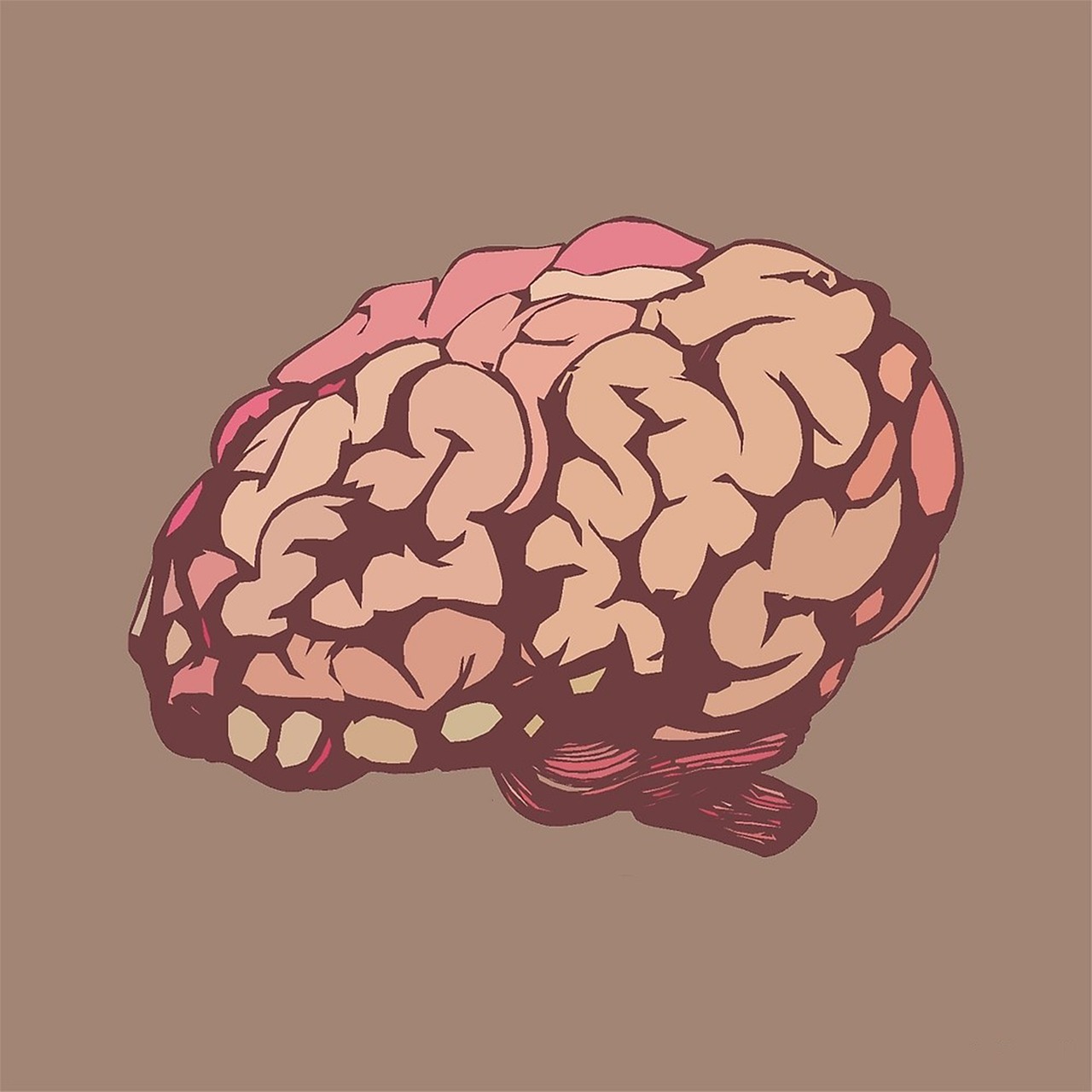
The human brain remains one of the most fascinating and complex structures in existence. Recent advances in neural pathway analysis are providing unprecedented insights into how our minds work, think, and behave.

For centuries, scientists have struggled to understand the intricate connections within our brains. Today, cutting-edge technology and innovative research methods are finally revealing the hidden patterns that govern our thoughts, emotions, and actions. This revolution in neuroscience is transforming everything from mental health treatment to educational strategies, offering hope and practical solutions for millions of people worldwide.
🧠 The Foundation: Understanding Neural Pathways
Neural pathways are essentially the communication highways of the brain. These complex networks consist of neurons connected through synapses, transmitting electrical and chemical signals that control every aspect of human experience. When we learn something new, form a memory, or develop a habit, we’re actually creating and strengthening specific neural pathways.
The brain contains approximately 86 billion neurons, each capable of forming thousands of connections with other neurons. This creates a network of staggering complexity, with more possible connections than there are stars in the observable universe. Understanding how these pathways form, strengthen, and sometimes deteriorate has become a central focus of modern neuroscience.
The Plasticity Principle
One of the most groundbreaking discoveries in neural pathway research is neuroplasticity—the brain’s ability to reorganize itself by forming new neural connections throughout life. This concept has fundamentally changed our understanding of learning, recovery from brain injury, and the potential for behavioral change at any age.
Neuroplasticity means that our brains are not fixed structures but dynamic organs constantly adapting to our experiences, thoughts, and behaviors. Every time we practice a skill, engage in a new activity, or even think specific thoughts repeatedly, we’re physically reshaping our neural architecture.
Revolutionary Technologies Mapping the Mind
The explosion in neural pathway analysis has been driven largely by technological innovations that allow researchers to observe the living brain in action. These tools have transformed neuroscience from a field based largely on indirect inference to one grounded in direct observation and measurement.
Functional Magnetic Resonance Imaging (fMRI)
fMRI technology has become one of the most powerful tools for understanding neural pathways. By measuring changes in blood flow, researchers can identify which brain regions activate during specific tasks or experiences. This has revealed unexpected connections between seemingly unrelated brain areas and shown how different regions collaborate to produce complex behaviors.
Modern fMRI studies can now track neural activity with remarkable precision, creating detailed maps of brain connectivity. These connectivity maps, or “connectomes,” reveal the intricate web of relationships between different brain regions, showing how information flows through neural networks during various mental processes.
Diffusion Tensor Imaging (DTI)
DTI takes neural pathway analysis even further by visualizing the actual physical structure of white matter tracts—the bundles of nerve fibers connecting different brain regions. This technology has revealed the brain’s “wiring diagram,” showing how different areas are physically connected and how efficiently they communicate.
Researchers using DTI have discovered that many mental health conditions and neurological disorders are associated with disruptions in specific neural pathways. This insight is leading to more targeted and effective treatments that address the root causes of these conditions rather than just managing symptoms.
Transforming Mental Health Treatment 🏥
Perhaps nowhere has neural pathway analysis had a more profound impact than in the field of mental health. By understanding which neural circuits are involved in conditions like depression, anxiety, and PTSD, researchers are developing more effective interventions that target specific pathways.
Depression and the Default Mode Network
Studies of neural pathways have revealed that depression is often associated with hyperactivity in the default mode network—a group of brain regions active during rest and self-referential thinking. People with depression tend to show excessive connectivity in this network, leading to rumination and negative thought patterns.
This discovery has led to new treatment approaches, including targeted neurofeedback training and mindfulness-based interventions that help patients regulate activity in these circuits. The results have been promising, with many individuals experiencing significant symptom reduction by learning to modulate their own neural pathway activity.
Anxiety and the Fear Circuit
Neural pathway research has also illuminated the mechanisms underlying anxiety disorders. The fear circuit, involving the amygdala, hippocampus, and prefrontal cortex, shows altered connectivity patterns in people with anxiety conditions. Understanding these specific pathway disruptions has enabled more precise therapeutic interventions.
Cognitive behavioral therapy (CBT), for instance, has been shown to literally rewire these fear circuits, strengthening connections between the prefrontal cortex and the amygdala. This allows individuals to better regulate their emotional responses and break free from anxiety patterns that once seemed uncontrollable.
Educational Applications and Learning Enhancement 📚
Neural pathway analysis is revolutionizing education by revealing how learning actually occurs in the brain. This knowledge is helping educators design more effective teaching methods aligned with how our brains naturally acquire and retain information.
The Science of Skill Acquisition
Research into motor learning pathways has shown that skill acquisition involves a transition from conscious, effortful processing to automatic, efficient execution. This occurs as neural pathways in the basal ganglia and cerebellum become strengthened through repetition and practice.
Understanding this process has practical implications for teaching everything from musical instruments to athletic skills. Educators can now design practice schedules that optimize neural pathway formation, incorporating elements like spaced repetition, varied practice, and appropriate challenge levels.
Memory Formation and Retrieval
Studies of memory pathways have revealed the critical role of the hippocampus and its connections to cortical regions in forming and consolidating memories. This research explains why certain learning strategies work better than others and why sleep is so crucial for memory consolidation.
The discovery that memory retrieval itself strengthens neural pathways has led to the development of more effective study techniques. Repeated testing, for example, doesn’t just assess knowledge—it actively strengthens the neural connections that make information more accessible in the future.
Performance Optimization and Peak States 🎯
Athletes, performers, and professionals are increasingly turning to neural pathway insights to enhance their performance. By understanding how expert brains differ from novice brains, researchers have identified specific training approaches that accelerate skill development.
The Flow State Neural Signature
Neuroscientists have identified characteristic neural patterns associated with “flow states”—those peak performance experiences where individuals feel completely absorbed in their activity. These states involve a temporary reduction in prefrontal cortex activity, quieting the inner critic and allowing for fluid, automatic execution of skills.
This research has led to practical techniques for inducing flow states more reliably, including specific attention training exercises and environmental modifications that promote the neural conditions conducive to peak performance.
Decision-Making Neural Networks
Analysis of decision-making pathways has revealed how the brain weighs options, assesses risks, and commits to actions. Understanding these circuits has helped develop training programs that improve decision quality, particularly under pressure or uncertainty.
Business leaders and military personnel are using these insights to enhance strategic thinking and rapid decision-making capabilities. By strengthening specific neural pathways through targeted practice, individuals can literally rewire their brains for better judgment.
Breaking Bad Habits and Addiction Recovery 🔄
One of the most promising applications of neural pathway analysis involves understanding and treating addiction and compulsive behaviors. Research has shown that addictive substances and behaviors create powerful neural pathways that hijack the brain’s reward system.
The Reward Pathway Problem
Addictive substances trigger massive dopamine releases in the nucleus accumbens and other reward-related brain regions, creating neural pathways that associate specific cues with intense pleasure. Over time, these pathways become so strong that they can override conscious decision-making processes.
Understanding this mechanism has led to more compassionate and effective addiction treatment approaches. Rather than viewing addiction as a moral failing, we now recognize it as a neural pathway disorder that requires specific interventions to rewire these circuits.
Creating Alternative Pathways
Recovery involves not just weakening addictive pathways but also strengthening alternative neural circuits. This might include pathways associated with healthy coping strategies, social connection, or meaningful activities that activate reward systems naturally.
Modern treatment programs increasingly incorporate neuroscience-informed practices like mindfulness meditation, exercise, and social support—all interventions shown to promote healthy neural pathway development while allowing addictive circuits to gradually weaken through disuse.
The Future: Personalized Brain Health 🚀
As neural pathway analysis becomes more sophisticated and accessible, we’re moving toward an era of personalized brain health interventions. Advanced imaging and analysis techniques are making it possible to create individual “brain maps” that reveal a person’s unique neural architecture.
Predictive Analytics and Prevention
Researchers are developing algorithms that can analyze neural pathway patterns to predict susceptibility to various conditions before symptoms appear. This opens the door to preventive interventions that could stop disorders from developing in the first place.
Imagine being able to identify neural patterns associated with depression risk in adolescence and implementing targeted interventions to strengthen protective pathways. This vision is rapidly becoming reality as analytical tools become more powerful and accessible.
Precision Medicine for the Brain
Just as genetic analysis has enabled personalized cancer treatments, neural pathway analysis is paving the way for precision psychiatry and neurology. Different individuals with the same diagnosis often have different underlying pathway disruptions, requiring different treatment approaches.
By mapping a patient’s specific neural connectivity patterns, clinicians can select interventions most likely to be effective for that individual’s unique brain architecture. This approach promises to dramatically improve treatment outcomes while reducing the trial-and-error process that currently characterizes mental health care.
Ethical Considerations and Responsible Innovation ⚖️
As our ability to analyze and potentially manipulate neural pathways grows, important ethical questions emerge. The same technologies that promise to alleviate suffering could also be misused to manipulate behavior or invade mental privacy.
The neuroscience community is actively grappling with these concerns, developing ethical frameworks to guide research and application. Key principles include informed consent, equitable access to neurotechnologies, and protection against coercive uses of neural interventions.
There’s also the question of cognitive enhancement—should neural pathway optimization be available only for treating disorders, or should healthy individuals have access to technologies that enhance normal brain function? These debates will shape how neural pathway innovations are integrated into society.
Practical Steps: Optimizing Your Own Neural Pathways 💡
While advanced neurotechnology remains largely in research settings, anyone can apply neural pathway principles to improve their own brain health and performance. Here are evidence-based strategies supported by neural pathway research:
- Engage in regular physical exercise – Aerobic activity promotes neuroplasticity and strengthens connections throughout the brain, particularly in areas involved in memory and executive function.
- Practice mindfulness meditation – Consistent meditation strengthens attention networks and improves connectivity between emotional and regulatory brain regions.
- Prioritize quality sleep – Sleep is when the brain consolidates new neural pathways and clears metabolic waste, making it essential for learning and mental health.
- Challenge yourself with novel experiences – Learning new skills and exposing yourself to new environments promotes neural pathway formation and maintains brain plasticity.
- Cultivate meaningful social connections – Social interaction activates multiple brain networks and has been shown to protect against cognitive decline.
- Manage chronic stress – Prolonged stress damages neural pathways, particularly in memory and emotional regulation areas, making stress management crucial for brain health.

Bridging Science and Daily Life 🌟
The revolution in neural pathway analysis represents more than just scientific progress—it’s fundamentally changing how we understand ourselves. Every thought, emotion, and behavior reflects the activity of neural pathways that we can, to some extent, influence and reshape.
This knowledge is empowering. It means we’re not prisoners of our genetics or past experiences. Through intentional practice and lifestyle choices, we can actively participate in shaping our own neural architecture and, by extension, our mental health, capabilities, and quality of life.
The insights from neural pathway research are democratizing brain health, moving it from the exclusive domain of medical professionals to something each person can actively cultivate. Whether you’re recovering from trauma, optimizing performance, or simply seeking greater well-being, understanding your brain’s plasticity opens new possibilities.
As research continues to advance, we can expect even more precise tools and interventions. The combination of artificial intelligence, advanced imaging, and growing neuroscience knowledge promises to unlock secrets of consciousness, creativity, and human potential that have puzzled philosophers and scientists for millennia.
The journey to fully understanding the brain’s neural pathways has only just begun, but already the insights gained are transforming lives. From mental health treatment to education, from addiction recovery to performance enhancement, neural pathway analysis is providing the keys to unlock the brain’s deepest secrets and harness its remarkable capacity for change.
The future of neuroscience isn’t just about understanding the brain—it’s about empowering individuals with knowledge and tools to optimize their own neural pathways, creating healthier, more capable, and more fulfilled versions of themselves. This revolution is happening now, and its implications will resonate for generations to come.