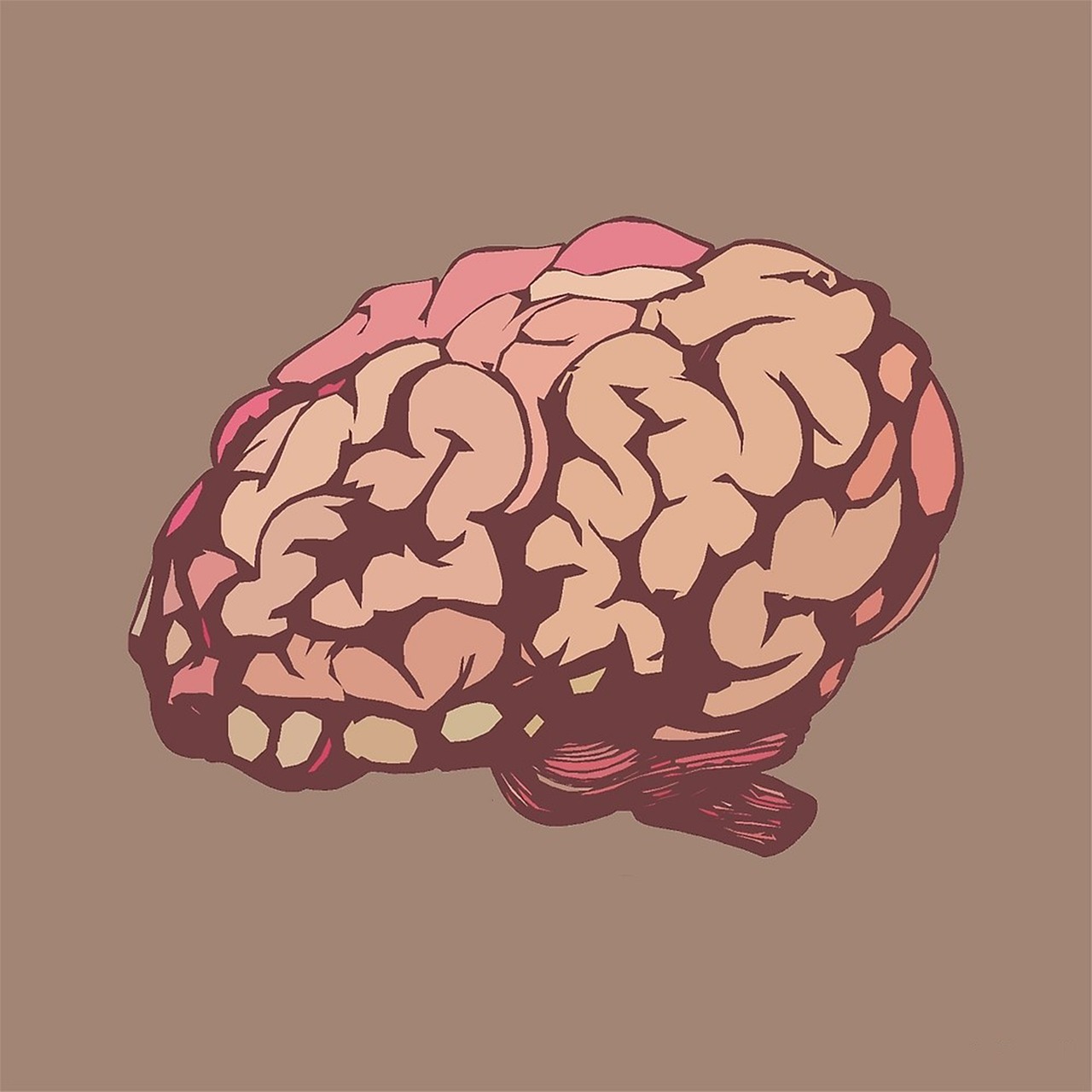
The exploration of consciousness through psychedelics is experiencing a renaissance in modern science. Researchers worldwide are uncovering profound insights into how these substances can reshape our minds, behaviors, and sense of self in ways previously unimaginable.

For thousands of years, indigenous cultures have utilized psychedelic substances in sacred ceremonies, recognizing their power to heal, transform, and expand human consciousness. Today, cutting-edge neuroscience is validating these ancient practices, revealing mechanisms through which psychedelics facilitate lasting behavioral changes and accelerate personal development. This convergence of traditional wisdom and contemporary research is opening unprecedented pathways for treating mental health conditions and enhancing human potential.
🧠 The Neuroscience Behind Psychedelic Transformation
Psychedelic substances like psilocybin, LSD, and ayahuasca work primarily by interacting with serotonin receptors in the brain, particularly the 5-HT2A receptor. This interaction triggers a cascade of neural events that temporarily alter normal brain connectivity patterns, allowing regions that typically don’t communicate to form novel connections.
Brain imaging studies reveal that psychedelics reduce activity in the default mode network (DMN), a collection of brain regions responsible for self-referential thinking, ego maintenance, and rumination. This decreased DMN activity correlates with the dissolution of ego boundaries that users frequently report, creating what researchers call “ego death” or “ego dissolution.”
When the rigid patterns of the DMN are disrupted, the brain enters a state of increased entropy and flexibility. Neural pathways become more malleable, similar to the brain’s plasticity during childhood. This neuroplasticity window creates opportunities for forming new connections, breaking destructive thought patterns, and establishing healthier behavioral frameworks.
The Critical Period of Enhanced Plasticity
Research conducted at institutions like Johns Hopkins University and Imperial College London demonstrates that psychedelics don’t just produce temporary altered states—they open critical periods of enhanced neuroplasticity that can extend days or weeks beyond the acute experience. During these windows, the brain exhibits heightened sensitivity to environmental inputs and therapeutic interventions.
This plasticity explains why a single psychedelic session, when properly supported, can produce lasting changes in personality traits, values, and behavioral patterns. The experience essentially “unlocks” the mind, making it receptive to positive transformation and growth.
Breaking Free from Rigid Behavioral Patterns
One of the most remarkable aspects of psychedelic experiences is their ability to interrupt automatic behavioral loops and deeply ingrained habits. Many psychological challenges—from addiction to depression to anxiety—involve repetitive, maladaptive thought and behavior patterns that feel impossible to escape.
Psychedelics appear to work by temporarily suspending these habitual patterns, allowing individuals to observe their behaviors from a fresh perspective. Users often describe experiencing their lives from a “third-person” viewpoint, gaining clarity about destructive patterns they’ve been unconsciously perpetuating.
Overcoming Addiction and Compulsive Behaviors
Clinical trials examining psychedelics for addiction treatment have produced remarkable results. Studies on psilocybin-assisted therapy for alcohol use disorder show abstinence rates significantly higher than conventional treatments. Research on smoking cessation using psilocybin has achieved success rates of approximately 80% at six-month follow-up—far exceeding traditional interventions.
The mechanisms underlying these outcomes involve several factors. Psychedelics reduce cravings by resetting reward circuitry in the brain. They also facilitate profound insights about the roots of addictive behavior, helping individuals understand the emotional wounds or thought patterns driving their substance use. Perhaps most importantly, psychedelic experiences often reconnect people with a sense of meaning and purpose that makes continued substance abuse feel incompatible with their authentic selves.
💫 Catalyzing Personal Growth and Self-Actualization
Beyond treating pathology, psychedelics demonstrate significant potential for enhancing well-being and facilitating personal growth in psychologically healthy individuals. Research on “psychedelics for human flourishing” examines how these substances can help people live more authentically, creatively, and purposefully.
Studies tracking personality changes following psychedelic experiences consistently document increases in the trait of openness—one of the “Big Five” personality dimensions. Openness encompasses creativity, aesthetic appreciation, emotional sensitivity, and willingness to explore new ideas. Remarkably, these increases often persist for months or years, contradicting the assumption that adult personality is fixed.
Enhanced Emotional Intelligence and Empathy
Psychedelic experiences frequently enhance emotional awareness and empathy. Users report improved ability to recognize and process their own emotions, as well as increased sensitivity to others’ feelings. These changes translate into improved relationship quality, better communication skills, and more compassionate behavior.
Brain imaging reveals that psychedelics increase activity in regions associated with emotional processing and social cognition. They also reduce activity in areas linked to ego-defensive responses, making individuals less reactive and more receptive during interpersonal interactions.
The Integration Challenge: Translating Insights into Lasting Change
While psychedelic experiences can be profoundly revelatory, transformation requires more than just the acute experience. The critical phase of “integration”—the process of incorporating insights and realizations into everyday life—determines whether temporary revelations become lasting changes.
Integration involves several key practices:
- Reflective journaling to capture and process insights before they fade
- Therapeutic support to contextualize experiences and develop action plans
- Behavioral experiments to test new perspectives in real-world situations
- Community support from others navigating similar growth processes
- Mindfulness practices to maintain expanded awareness cultivated during experiences
- Lifestyle modifications that align with newly clarified values and priorities
Research suggests that structured integration support significantly enhances outcomes from psychedelic therapy. Without proper integration, even powerful insights may fail to translate into behavioral change, leaving individuals frustrated by the gap between their visions and their reality.
Creating Supportive Environments for Growth
The external environment plays a crucial role in whether psychedelic insights manifest as sustained growth. Returning to the same situations, relationships, and routines that contributed to previous patterns makes maintaining new behaviors challenging. Successful transformation often requires environmental modifications—changing social circles, establishing new routines, or even relocating to spaces that better support one’s authentic self.
🌱 Spiritual Growth and Existential Well-Being
Perhaps the most profound and least understood aspect of psychedelic transformation involves spiritual and existential dimensions. Many users describe their experiences as among the most meaningful of their lives, comparable to the birth of children or death of loved ones in significance.
These mystical-type experiences typically include characteristics such as unity consciousness, transcendence of time and space, sacredness, ineffability, and positive mood. Research demonstrates strong correlations between the intensity of mystical experiences during psychedelic sessions and positive long-term outcomes in mental health and life satisfaction.
Confronting Mortality and Finding Meaning
Psychedelic-assisted therapy for end-of-life anxiety in cancer patients has produced particularly striking results. Single sessions of psilocybin therapy have substantially reduced death anxiety and depression in terminally ill individuals, with benefits persisting until death in many cases.
These experiences don’t eliminate awareness of mortality but transform individuals’ relationship with death. Participants often report reduced fear, greater acceptance, and paradoxically increased appreciation for life. The perspective shift enables them to focus on what matters most during their remaining time.
For those not facing terminal illness, psychedelic confrontations with mortality can similarly catalyze value clarification and behavioral prioritization, helping people align their daily actions with what they genuinely consider important.
Healing Trauma Through Expanded States
Trauma creates rigid defensive structures in both brain and behavior. Traumatized individuals often develop hypervigilance, emotional numbing, and avoidance patterns that, while initially protective, ultimately limit healing and growth. Traditional trauma therapy works gradually to build safety and process traumatic memories.
Psychedelics offer a complementary approach by temporarily reducing activity in the amygdala—the brain’s fear center—while increasing connectivity between regions involved in memory and emotion regulation. This neurological state allows traumatic memories to be accessed and processed with reduced emotional overwhelm.
MDMA-Assisted Therapy for PTSD
MDMA, while chemically distinct from classical psychedelics, has shown extraordinary promise for post-traumatic stress disorder. Phase 3 clinical trials have achieved remarkable results, with approximately 67% of participants no longer meeting PTSD diagnostic criteria after three MDMA-assisted therapy sessions—compared to 32% in the placebo group.
MDMA’s unique pharmacology reduces fear responses while enhancing feelings of trust, connection, and self-compassion. This combination creates an optimal state for confronting traumatic memories without retraumatization. The therapeutic alliance is strengthened, allowing deeper vulnerability and processing than typically possible.
🔬 Current Research Frontiers and Future Possibilities
The psychedelic renaissance is expanding rapidly, with hundreds of clinical trials investigating applications for depression, anxiety, eating disorders, obsessive-compulsive disorder, and other conditions. Researchers are also exploring optimal dosing protocols, combination therapies, and predictors of positive outcomes.
Emerging areas of investigation include:
- Microdosing protocols for cognitive enhancement and mood regulation
- Psychedelic therapy for couple’s counseling and relationship enhancement
- Applications in organizational development and leadership training
- Treatment of chronic pain and inflammatory conditions
- Enhancement of creativity and problem-solving in non-clinical populations
The Importance of Set and Setting
Research consistently demonstrates that context profoundly influences psychedelic outcomes. “Set” refers to mindset—expectations, intentions, and psychological state. “Setting” encompasses the physical and social environment. Optimizing both factors significantly impacts whether experiences are therapeutic or distressing, transformative or trivial.
Clinical protocols emphasize preparation sessions to establish intention and build therapeutic rapport, carefully designed session environments that feel safe and aesthetically supportive, and follow-up integration sessions. This structured approach maximizes benefits while minimizing risks.
Navigating Risks and Contraindications Responsibly
While psychedelics show tremendous promise, they’re not appropriate for everyone or every situation. Individuals with personal or family histories of psychotic disorders face elevated risks. Those with certain cardiovascular conditions should avoid some psychedelics due to blood pressure effects. Proper medical screening is essential.
Psychological risks include difficult experiences during sessions (sometimes called “bad trips”) and potential destabilization of fragile psychological structures. These risks are substantially mitigated through proper preparation, supportive settings, and experienced facilitation—factors consistently present in clinical research but often absent in unsupervised use.
The Path Forward: Responsible Integration into Society
As research continues validating psychedelics’ therapeutic potential, society faces important questions about access, training standards, and regulatory frameworks. Several jurisdictions have begun decriminalizing or creating legal pathways for therapeutic use, recognizing both the promise and the need for appropriate safeguards.
The challenge lies in making these powerful tools available to those who might benefit while preventing commercialization that prioritizes profit over safety, maintaining quality standards for facilitators and therapists, and preserving respect for the indigenous traditions that have long recognized these substances’ sacred potential.

✨ Embracing the Journey of Transformation
The transformative power of psychedelics lies not in the substances themselves but in their ability to catalyze processes of self-examination, behavioral change, and growth that ultimately depend on human courage, commitment, and community. These molecules offer opportunities—windows of plasticity and perspective—but lasting transformation requires integration work that extends far beyond any single experience.
As scientific understanding deepens and societal attitudes evolve, psychedelics are increasingly recognized as valuable tools in humanity’s ongoing quest for healing, meaning, and self-understanding. They remind us that consciousness itself is malleable, that behavioral patterns need not be permanent, and that personal growth remains possible throughout life. For those who approach them with respect, preparation, and intention, psychedelics offer genuine pathways to unlocking minds and transforming lives.
The revolution in psychedelic science represents more than new treatments for psychiatric conditions—it reflects a fundamental reconceptualization of human potential and the possibility of change. As research progresses and understanding grows, these remarkable substances may help countless individuals break free from limiting patterns, heal psychological wounds, and move toward more authentic, compassionate, and purposeful ways of being in the world.