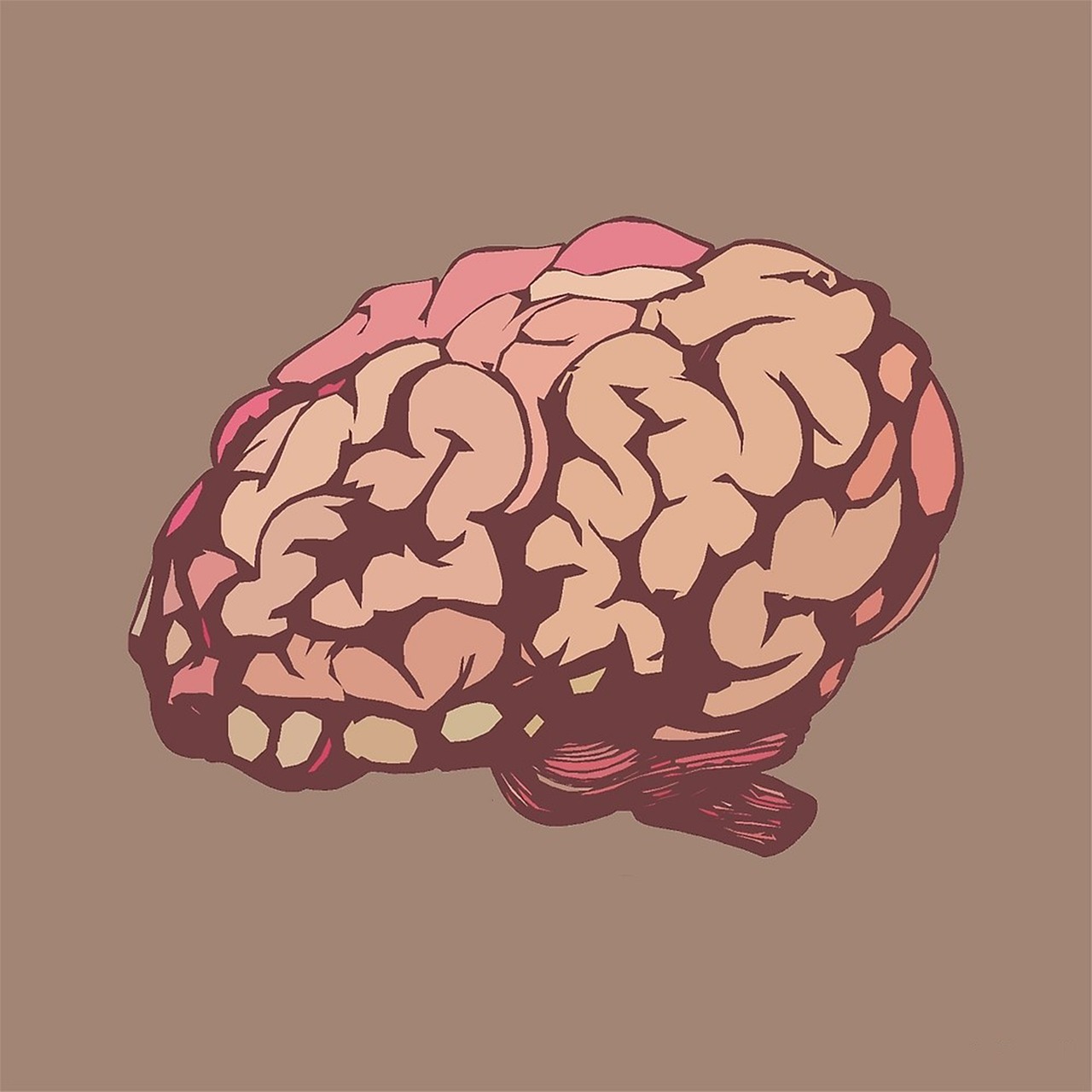
The human mind remains one of the most fascinating frontiers of scientific exploration, holding untapped potential that could revolutionize our understanding of consciousness, intelligence, and human capability.

As we stand at the intersection of neuroscience, technology, and psychology, cognitive expansion studies are emerging as a transformative field that promises to unlock mental capacities we’ve only begun to comprehend. This exciting domain explores how we can enhance memory, accelerate learning, boost creativity, and push the boundaries of what the human brain can achieve. The implications stretch across education, healthcare, professional development, and personal growth, offering pathways to a future where mental limitations become increasingly negotiable.
🧠 The Science Behind Cognitive Enhancement
Cognitive expansion refers to the systematic improvement of mental functions through various scientifically-backed methods. Unlike the simplistic “brain training” fads of the past, modern cognitive enhancement is grounded in rigorous neuroscientific research that examines neuroplasticity, synaptic connections, and the brain’s remarkable ability to adapt and grow throughout life.
Neuroplasticity stands as the cornerstone of cognitive expansion possibilities. This biological phenomenon demonstrates that our brains continuously reorganize neural pathways based on new experiences, learning, and environmental stimuli. Research from leading neuroscience institutions has shown that targeted mental exercises can literally reshape brain structure, increasing gray matter density in specific regions associated with memory, attention, and executive function.
The field has evolved significantly from early cognitive studies. Today’s researchers utilize advanced neuroimaging technologies like functional MRI and PET scans to observe real-time brain activity during cognitive tasks. These tools have revealed that cognitive enhancement isn’t about working harder but rather about optimizing neural efficiency and creating more robust connections between different brain regions.
Understanding Brain Waves and Mental States
Different cognitive states correlate with distinct brainwave patterns, each serving unique functions. Alpha waves promote relaxation and creative thinking, beta waves facilitate active concentration and problem-solving, theta waves enable deep meditation and memory consolidation, while gamma waves associate with heightened perception and peak cognitive performance.
Modern cognitive expansion studies leverage this knowledge to develop interventions that can intentionally shift brainwave patterns toward desired states. Neurofeedback training, for instance, teaches individuals to consciously modulate their brain activity, enhancing focus when needed or promoting relaxation during stressful periods.
⚡ Emerging Technologies Reshaping Cognitive Potential
The convergence of biotechnology, artificial intelligence, and neuroscience has introduced revolutionary tools for cognitive enhancement. These technologies are transforming theoretical possibilities into practical applications that are becoming increasingly accessible to the general population.
Non-Invasive Brain Stimulation Techniques
Transcranial magnetic stimulation (TMS) and transcranial direct current stimulation (tDCS) represent breakthrough approaches to cognitive enhancement. These non-invasive methods apply targeted electrical or magnetic fields to specific brain regions, temporarily boosting neural activity and improving cognitive performance in those areas.
Clinical trials have demonstrated that tDCS can enhance working memory, accelerate learning of complex tasks, and even improve linguistic abilities. Athletes, students, and professionals are beginning to explore these technologies to gain competitive cognitive advantages, though regulatory frameworks and ethical guidelines continue to evolve alongside the technology.
Artificial Intelligence as Cognitive Partners
AI-powered cognitive training platforms are revolutionizing personalized mental development. These systems analyze individual performance patterns, identify cognitive weaknesses, and dynamically adjust training protocols to maximize improvement. Unlike one-size-fits-all approaches, AI-driven programs create bespoke cognitive enhancement journeys tailored to each person’s unique neural profile.
Machine learning algorithms can now predict which cognitive exercises will yield the greatest benefits for specific individuals based on their baseline cognitive assessment, learning history, and genetic factors. This precision approach significantly increases the effectiveness of cognitive training interventions.
Virtual and Augmented Reality for Mental Expansion
Immersive technologies are opening unprecedented possibilities for cognitive training. VR environments can simulate complex real-world scenarios that challenge spatial reasoning, decision-making under pressure, and multitasking abilities in ways traditional methods cannot replicate. These immersive experiences engage multiple cognitive systems simultaneously, promoting more comprehensive neural development.
Research indicates that VR-based cognitive training produces stronger retention and transfer effects compared to screen-based alternatives, likely because the immersive nature creates more memorable experiences that encode more deeply into long-term memory systems.
🔬 Biochemical Approaches to Cognitive Enhancement
The pharmacological dimension of cognitive expansion has attracted considerable scientific attention and public interest. Nootropics, often called “smart drugs” or cognitive enhancers, represent a diverse category of substances that claim to improve mental function.
From Coffee to Cutting-Edge Compounds
While caffeine remains the world’s most widely used cognitive enhancer, the nootropic landscape has expanded dramatically. Compounds like modafinil, originally developed to treat narcolepsy, have shown promise in enhancing executive function and maintaining alertness during extended periods of cognitive demand.
Natural nootropics including bacopa monnieri, lion’s mane mushroom, and ginkgo biloba have gained popularity among those seeking gentler cognitive enhancement without pharmaceutical interventions. Though effects tend to be more subtle than synthetic alternatives, accumulating research suggests these natural compounds can support cognitive health over time.
The Microbiome-Brain Connection
Emerging research reveals fascinating links between gut health and cognitive function. The gut-brain axis represents a bidirectional communication system where intestinal microbiota influence neurotransmitter production, inflammation levels, and ultimately brain performance. This discovery has opened new avenues for cognitive enhancement through dietary interventions and probiotic supplementation.
Studies demonstrate that specific bacterial strains can reduce anxiety, improve mood, and enhance memory formation. This psychobiotic approach represents a paradigm shift in thinking about cognitive enhancement—recognizing that optimizing mental performance requires attention to whole-body health systems.
📚 Educational Revolution Through Cognitive Science
Cognitive expansion research is fundamentally transforming educational methodologies. By understanding how the brain learns most effectively, educators can design curricula and teaching approaches that align with natural cognitive processes rather than working against them.
Personalized Learning Pathways
The recognition that individuals possess different cognitive strengths and learning styles has sparked a movement toward personalized education. Adaptive learning technologies assess student performance in real-time and adjust content difficulty, presentation format, and pacing to match each learner’s optimal zone of proximal development.
This approach dramatically improves learning outcomes by preventing both boredom from material that’s too simple and frustration from content that’s overwhelmingly difficult. Students remain in the sweet spot where challenge meets capability, maximizing engagement and knowledge retention.
Spaced Repetition and Memory Consolidation
Cognitive science has validated spaced repetition as one of the most effective learning strategies. This technique involves reviewing information at increasing intervals, exploiting the psychological spacing effect to transfer knowledge from short-term to long-term memory more efficiently.
Digital flashcard applications implementing spaced repetition algorithms have enabled millions of learners to acquire languages, master professional certifications, and retain vast bodies of information with unprecedented efficiency. The method works because it aligns practice schedules with the brain’s natural memory consolidation processes.
🌟 Meditation and Mindfulness as Cognitive Tools
Ancient contemplative practices are receiving scientific validation as powerful cognitive enhancement techniques. Neuroimaging studies of experienced meditators reveal structural brain changes including increased cortical thickness in regions associated with attention, interoception, and sensory processing.
Regular meditation practice enhances attentional control, emotional regulation, and metacognitive awareness—the ability to observe and understand one’s own thought processes. These improvements translate into better decision-making, reduced stress reactivity, and enhanced cognitive flexibility across various domains of life.
Breathwork and Oxygenation
Controlled breathing techniques influence cognitive performance by modulating oxygen delivery to the brain and affecting autonomic nervous system balance. Practices like box breathing, alternate nostril breathing, and the Wim Hof method have demonstrated measurable impacts on focus, stress resilience, and mental clarity.
The mechanism involves both physiological effects—improved oxygenation and carbon dioxide regulation—and psychological components, as focused breathing serves as an anchor for attention training. This dual action makes breathwork an accessible yet powerful cognitive enhancement tool.
🎯 Optimizing Lifestyle Factors for Mental Performance
While advanced technologies capture headlines, fundamental lifestyle factors remain critically important for cognitive optimization. Sleep, exercise, nutrition, and social connection form the foundation upon which all other cognitive enhancement strategies build.
Sleep Architecture and Memory Consolidation
Quality sleep represents perhaps the most undervalued cognitive enhancer. During sleep, the brain consolidates memories, clears metabolic waste products, and strengthens neural connections formed during waking hours. Chronic sleep deprivation undermines virtually every cognitive function from attention and working memory to creative problem-solving.
Research identifies specific sleep stages as crucial for different cognitive processes. Deep slow-wave sleep facilitates declarative memory consolidation, while REM sleep supports procedural learning and emotional processing. Optimizing sleep architecture through consistent schedules, appropriate environmental conditions, and sleep hygiene practices provides foundational cognitive benefits.
Physical Exercise as Brain Fertilizer
Aerobic exercise stimulates the production of brain-derived neurotrophic factor (BDNF), a protein that promotes neurogenesis and synaptic plasticity. Regular physical activity has been shown to increase hippocampal volume, enhance executive function, and reduce cognitive decline risk.
The cognitive benefits extend beyond general fitness. Coordination-intensive activities like dance or martial arts provide particularly robust cognitive stimulation by simultaneously challenging motor control, spatial awareness, and sequential memory systems.
⚖️ Ethical Considerations in Cognitive Enhancement
As cognitive expansion technologies become more powerful and accessible, society faces important ethical questions. Issues of fairness, access, authenticity, and safety require thoughtful consideration to ensure these developments benefit humanity broadly rather than exacerbating existing inequalities.
The Enhancement Divide
If cognitive enhancement technologies remain expensive or available only to privileged populations, they could worsen educational and economic disparities. Children from wealthy families might access superior cognitive training, creating compound advantages that perpetuate across generations. Addressing this requires proactive policy frameworks ensuring equitable access to cognitive enhancement resources.
Authenticity and Human Identity
Some philosophers question whether pharmacologically or technologically enhanced cognitive abilities represent authentic human achievement. This debate touches on fundamental questions about personal identity, merit, and what constitutes genuine human flourishing. While some view enhancement as cheating or inauthentic, others argue that humans have always used tools to transcend biological limitations.
Safety and Long-Term Effects
Many cognitive enhancement interventions lack long-term safety data. The brain’s complexity means that interventions designed to improve one function might inadvertently impair others or produce delayed consequences. Rigorous longitudinal research and conservative regulatory approaches are essential to protect public health while allowing beneficial innovations to emerge.
🚀 The Future Landscape of Cognitive Expansion
Looking ahead, cognitive expansion studies promise developments that currently seem like science fiction. Brain-computer interfaces, genetic optimization of cognitive traits, and collective intelligence networks represent just a few emerging frontiers.
Direct Brain-Computer Communication
Companies are developing neural interfaces that allow direct information transfer between brains and computers. While current applications focus on medical needs like restoring communication for paralyzed individuals, future iterations might enable instant access to information, thought-to-text communication, and even direct brain-to-brain data sharing.
These technologies could revolutionize education by allowing direct knowledge transfer, enhance professional capabilities through real-time information access, and create new forms of human connection through shared cognitive experiences. However, they also raise profound questions about privacy, autonomy, and the nature of individual consciousness.
Genetic Approaches to Cognitive Optimization
As understanding of the genetic basis of intelligence and cognitive traits advances, targeted genetic interventions may become possible. CRISPR and other gene-editing technologies could theoretically modify genes associated with memory, processing speed, or neuroplasticity.
While such applications remain largely hypothetical and face substantial ethical obstacles, the underlying science progresses rapidly. Society will need robust ethical frameworks before these possibilities become practical realities.
Collective Intelligence Platforms
Technology-mediated collective intelligence represents another frontier where individual cognitive limitations might be transcended through group collaboration. Platforms that effectively aggregate diverse perspectives, filter misinformation, and facilitate productive dialogue could create problem-solving capabilities exceeding any individual mind.
These systems leverage the diversity bonus—the principle that groups of cognitively diverse individuals often outperform groups of high-ability individuals working in isolation. By structuring human collaboration optimally, collective intelligence platforms might tackle complex challenges beyond individual cognitive reach.
💡 Practical Steps for Personal Cognitive Expansion
While futuristic technologies capture imagination, substantial cognitive enhancement is achievable today through evidence-based practices. Implementing even basic cognitive optimization strategies can yield meaningful improvements in mental performance and overall well-being.
Begin with lifestyle fundamentals: prioritize seven to nine hours of quality sleep, engage in regular aerobic exercise, maintain social connections, and adopt a nutrient-dense diet rich in omega-3 fatty acids, antioxidants, and B vitamins. These foundational practices create optimal conditions for brain function.
Incorporate deliberate learning practices such as spaced repetition, interleaved practice, and elaborative interrogation. Challenge yourself with novel cognitive tasks that push beyond comfortable skill levels, as this promotes neuroplastic adaptation. Learn a musical instrument, study a foreign language, or take up chess—activities that engage multiple cognitive systems simultaneously.
Explore meditation and mindfulness practices, starting with just ten minutes daily. Numerous apps provide guided sessions for beginners, making these powerful cognitive tools accessible regardless of prior experience. Consistency matters more than duration in establishing beneficial neurological changes.
Consider cognitive assessment to identify specific strengths and weaknesses. Understanding your cognitive profile enables targeted improvement efforts, focusing energy where it will yield greatest returns. Various online platforms offer scientifically-validated cognitive assessments that provide detailed performance breakdowns across memory, attention, processing speed, and executive function domains.

🌈 Embracing the Journey of Mental Growth
The field of cognitive expansion studies reveals that mental potential is far more malleable than previously believed. We are not prisoners of fixed intelligence or predetermined cognitive capacities. Through strategic interventions spanning technology, lifestyle, learning practices, and contemplative disciplines, meaningful cognitive enhancement is achievable.
The future promises even more powerful tools for unlocking mental potential, from neural interfaces to personalized nootropic protocols based on genetic profiles. Yet the most important insight from cognitive expansion research might be simpler: the brain responds to how we use it, growing stronger with appropriate challenge and optimal support.
As we navigate this exciting frontier, balancing enthusiasm with caution, embracing evidence while questioning hype, we move toward a future where cognitive limitations become increasingly optional. The possibilities are truly limitless when we commit to understanding and nurturing the extraordinary organ between our ears. The journey of cognitive expansion isn’t just about becoming smarter—it’s about becoming more fully, vibrantly human, capable of experiencing, creating, and contributing in ways we’re only beginning to imagine.