Dreams have captivated humanity for millennia, serving as mysterious portals into our deepest thoughts, fears, and desires. By understanding the language of our subconscious mind, we unlock powerful tools for personal growth and self-awareness.

Every night, as we drift into sleep, our minds embark on extraordinary journeys through landscapes both familiar and bizarre. These nocturnal adventures aren’t merely random neural firings—they’re meaningful narratives crafted by our subconscious, revealing truths about ourselves that our waking consciousness often conceals or ignores. Dream-state analysis has emerged as a profound method for self-discovery, offering insights that can transform how we understand ourselves and navigate our daily lives.
🌙 The Science Behind Your Nighttime Narratives
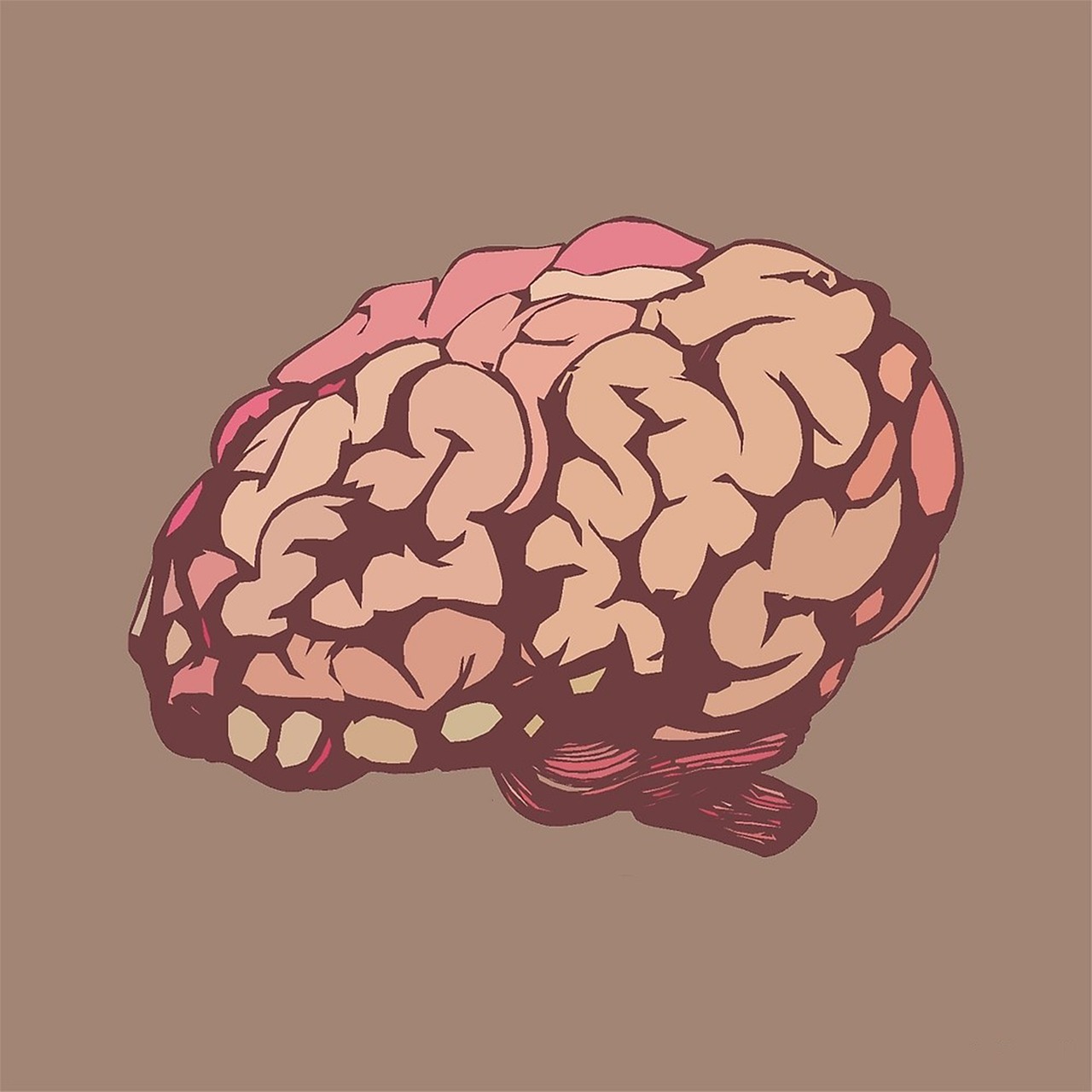
Modern neuroscience has revealed fascinating details about what happens in our brains during different sleep stages. During REM (Rapid Eye Movement) sleep, when most vivid dreaming occurs, our brains demonstrate activity patterns remarkably similar to waking consciousness. However, the prefrontal cortex—responsible for logical thinking and self-awareness—shows reduced activity, allowing for the surreal, illogical narratives characteristic of dreams.
This neurological state creates a unique environment where memories, emotions, and sensory information blend freely without the constraints of rational thought. The limbic system, particularly the amygdala, becomes highly active, explaining why dreams often carry intense emotional content. Meanwhile, the hippocampus works to consolidate memories, incorporating recent experiences into the dream narrative alongside older memories and archetypal imagery.
Research from sleep laboratories worldwide has demonstrated that everyone dreams multiple times per night, experiencing between four to six dream cycles. Even those who claim they don’t dream simply don’t remember their nocturnal experiences upon waking. This universal phenomenon suggests that dreaming serves essential psychological and physiological functions that evolution has preserved across species.
Decoding the Symbolic Language of Dreams
Dreams communicate through symbols rather than literal representations. A dream about falling doesn’t necessarily predict a physical tumble; instead, it might symbolize feelings of losing control in your waking life. Understanding this symbolic language is fundamental to effective dream analysis and requires developing a personalized dream dictionary that reflects your unique experiences and associations.
Common Dream Symbols and Their Potential Meanings
While dream interpretation should always consider personal context, certain symbols appear frequently across cultures and often carry similar thematic meanings. Water frequently represents emotions and the unconscious mind—calm waters suggest emotional peace, while turbulent seas might indicate emotional turmoil. Houses typically symbolize the self, with different rooms representing various aspects of personality or life domains.
Flying dreams often relate to feelings of freedom, ambition, or the desire to escape limitations. Being chased usually reflects avoidance of something in waking life—an uncomfortable emotion, a difficult conversation, or an unresolved problem. Teeth falling out, one of the most commonly reported dream themes, frequently connects to anxiety about appearance, communication challenges, or feelings of powerlessness.
However, the most crucial principle in dream interpretation is this: you are the ultimate authority on your dreams’ meanings. A snake might represent danger to one person, wisdom to another, and healing to someone from a medical profession. Context, personal associations, and emotional responses provide the interpretive keys.
🔍 Practical Techniques for Dream Analysis
Developing a consistent dream analysis practice requires dedication and the right tools. The foundation of any serious dream work is maintaining a detailed dream journal. Keep this journal beside your bed, and upon waking—before moving or opening your eyes fully—mentally review your dreams and immediately record everything you remember.
The Dream Journaling Method That Works
Effective dream journaling goes beyond simply recording the narrative. Include the date, time you went to sleep, and approximate time you woke. Document not just the plot but the emotions you experienced, the colors you noticed, recurring elements, and any people who appeared. Note what was happening in your waking life the previous day, as dreams often process recent experiences.
Use present tense when writing dream entries—”I am walking through a forest” rather than “I walked through a forest.” This technique helps preserve the dream’s immediacy and emotional impact. Draw sketches if visual elements were particularly striking, even if you’re not artistically inclined. These visual records can trigger additional memories and associations.
The Question-Based Approach to Interpretation
After recording a dream, engage with it through targeted questions. Start with: “What feeling did this dream leave me with?” Emotions are often more revealing than plot details. Then ask: “What in my current life does this remind me of?” Look for parallels between dream scenarios and waking situations.
Continue with questions like: “If this dream were a movie, what would its title be?” This exercise helps distill the dream’s essential theme. “What part of myself does each character represent?” Remember that dream characters often symbolize different aspects of your own psyche rather than the actual people they resemble.
Lucid Dreaming: Taking Control of Your Subconscious Exploration 💭
Lucid dreaming—the experience of becoming aware you’re dreaming while still asleep—represents the pinnacle of dream-state consciousness. This phenomenon allows you to actively participate in and sometimes control your dream narratives, offering unprecedented opportunities for self-exploration, problem-solving, and even skill development.
Studies have shown that lucid dreamers can communicate with researchers using pre-arranged eye movements while remaining asleep, proving that conscious awareness during dreams is a genuine, measurable phenomenon. Athletes use lucid dreaming to practice complex movements, artists explore creative possibilities, and therapists help patients confront fears in the safe environment of controlled dreams.
Cultivating Lucid Dream Awareness
Developing lucid dreaming skills requires patience and consistent practice. Reality testing forms the foundation—throughout your day, regularly question whether you’re dreaming. Try reading text twice (it often changes in dreams), checking digital clocks (they display impossible numbers in dreams), or attempting to push your finger through your palm. These habits transfer to your dreams, triggering lucidity.
The MILD (Mnemonic Induction of Lucid Dreams) technique involves setting an intention before sleep. As you fall asleep, repeat: “The next time I’m dreaming, I will remember that I’m dreaming.” Combine this with the WBTB (Wake Back to Bed) method—set an alarm for five hours after sleep onset, stay awake briefly while focusing on lucid dreaming intention, then return to sleep.
When you achieve lucidity, resist the excitement that often causes premature awakening. Stabilize the dream by rubbing your hands together within the dream, spinning around, or examining details in your environment. These techniques engage your dream senses and prolong the lucid state.
Recurring Dreams: Messages Demanding Attention
Recurring dreams represent your subconscious mind’s persistent attempts to deliver important messages. These repeated narratives indicate unresolved issues, unprocessed emotions, or aspects of yourself requiring acknowledgment. Rather than being sources of frustration, recurring dreams offer valuable opportunities for deep self-understanding.
The key to resolving recurring dreams lies in addressing their underlying themes in waking life. If you repeatedly dream about being unprepared for an exam, consider where in your life you feel unprepared or inadequate. If you’re pursued by threatening figures, examine what you’re avoiding confronting. Taking action on these themes in waking life often causes the recurring dreams to cease or transform.
🌟 Integrating Dream Insights Into Daily Life
Dream analysis achieves its full potential only when insights translate into waking-life changes. This integration process transforms dreams from mere curiosities into practical tools for personal development and decision-making.
The Dream-to-Action Framework
Begin by identifying the core message or feeling from significant dreams. Ask yourself: “What is this dream encouraging me to recognize, release, or develop?” If a dream highlights fear you’ve been avoiding, consider small steps to address that fear. If it reveals hidden talents or desires, explore ways to express them in daily life.
Create a monthly dream review practice. Read through your journal entries and identify patterns—recurring symbols, themes, or emotional tones. These patterns often reveal subconscious preoccupations and growth areas. Track how dream themes correlate with life events and emotional states, developing awareness of your unique dream language.
Using Dreams for Problem-Solving and Creativity
Historical figures from Mendeleev to Paul McCartney have credited dreams with breakthrough insights. You can deliberately harness this creative potential through dream incubation—the practice of requesting specific dream content. Before sleep, clearly formulate a question or problem you’re facing. Review it mentally, then release attachment to finding an answer, trusting your subconscious to process the issue overnight.
Keep your journal ready, as solutions often arrive in symbolic rather than literal form. A dream about building a bridge might represent the need to connect disparate ideas in your waking project. A dream of discovering a hidden room might suggest unexplored approaches to your challenge.
The Psychological Perspectives on Dream Analysis
Different psychological frameworks offer various lenses for understanding dreams, each providing valuable insights. Freudian analysis views dreams as wish fulfillment and windows into repressed desires, focusing heavily on sexual and aggressive impulses transformed through symbolism. While modern psychology has moved beyond some of Freud’s specific interpretations, the concept that dreams reveal hidden wishes remains influential.
Jungian analysis takes a broader approach, viewing dreams as communications from the collective unconscious populated by archetypal figures and symbols shared across humanity. Jung believed dreams serve a compensatory function, balancing one-sided conscious attitudes. A person who projects excessive confidence might dream of vulnerability, while someone self-critical might dream of strength and competence.
Contemporary cognitive approaches view dreams as the brain’s method of processing information, consolidating memories, and problem-solving. This perspective sees dream content as reflecting current concerns and incorporating recent experiences in ways that help us understand and adapt to our environment.
Nightmares: Confronting the Shadow Self 🌑
Nightmares, despite their unpleasant nature, offer particularly valuable opportunities for self-discovery. These intense dreams often bring attention to aspects of ourselves or our lives that desperately need acknowledgment. Rather than dismissing nightmares as meaningless scary stories, approach them with curiosity about what your psyche is trying to communicate through such urgent, dramatic means.
Jung’s concept of the shadow—the rejected, repressed, or undeveloped parts of ourselves—frequently manifests in nightmares as threatening figures or terrifying situations. By courageously examining these shadow elements, we integrate disowned aspects of ourselves, leading to greater wholeness and psychological health.
If you experience recurring nightmares, consider imagery rehearsal therapy—a technique where you consciously rewrite the nightmare’s ending while awake, rehearsing a resolution that feels empowering. This practice can reduce nightmare frequency and sometimes resolves the underlying issue the nightmares were highlighting.
Building Your Personal Dream Dictionary
While generic dream dictionaries provide starting points, creating your personal symbol lexicon yields far more accurate interpretations. Begin by noting symbols that appear repeatedly in your dreams alongside the emotions and life circumstances associated with those dreams. Over time, patterns emerge revealing your unique symbolic language.
For example, you might discover that dreams featuring your childhood home consistently occur when you’re seeking comfort or processing family-related issues. Dogs might appear when loyalty is a theme, or perhaps when you’re connecting with your instinctual nature. These personal associations matter far more than standardized interpretations.
🎯 Maximizing Dream Recall and Clarity
Several lifestyle factors significantly impact dream recall and vividness. Consistent sleep schedules strengthen your natural sleep rhythms, improving dream memory. Avoiding alcohol and certain medications before bed helps, as these substances can suppress REM sleep or interfere with memory consolidation.
Vitamin B6 supplementation has shown promise in research studies for enhancing dream vividness and recall, though you should consult healthcare providers before supplementing. Certain foods like bananas, chickpeas, and salmon contain compounds that may support dream recall when consumed a few hours before sleep.
Most importantly, set the intention to remember your dreams. This simple mental practice—telling yourself as you fall asleep, “I will remember my dreams”—significantly improves recall. Your subconscious mind responds to your interests and attention, producing more memorable dreams when you demonstrate genuine curiosity about them.

The Transformative Journey Ahead
Committing to regular dream analysis initiates a profound journey of self-discovery that deepens over time. As you develop fluency in your subconscious language, you’ll notice increased self-awareness, better emotional regulation, and enhanced creativity. Problems that seemed insurmountable may reveal solutions through dream insights. Relationships improve as you recognize projections and unconscious patterns.
The path of dream work requires patience—your ability to interpret dreams accurately will develop gradually. Some dreams offer immediate clarity, while others reveal their meanings only after weeks or months of reflection. Trust the process, maintain your practice, and remain open to the wisdom your subconscious mind offers each night.
Your dreams are calling you toward greater self-understanding and psychological integration. By learning to listen to these nightly messages, you access an incredible resource for personal growth that has been with you all along, waiting to be discovered. The fascinating world of dream-state analysis isn’t just about understanding what happens while you sleep—it’s about awakening to the fullest expression of who you truly are. 🌠