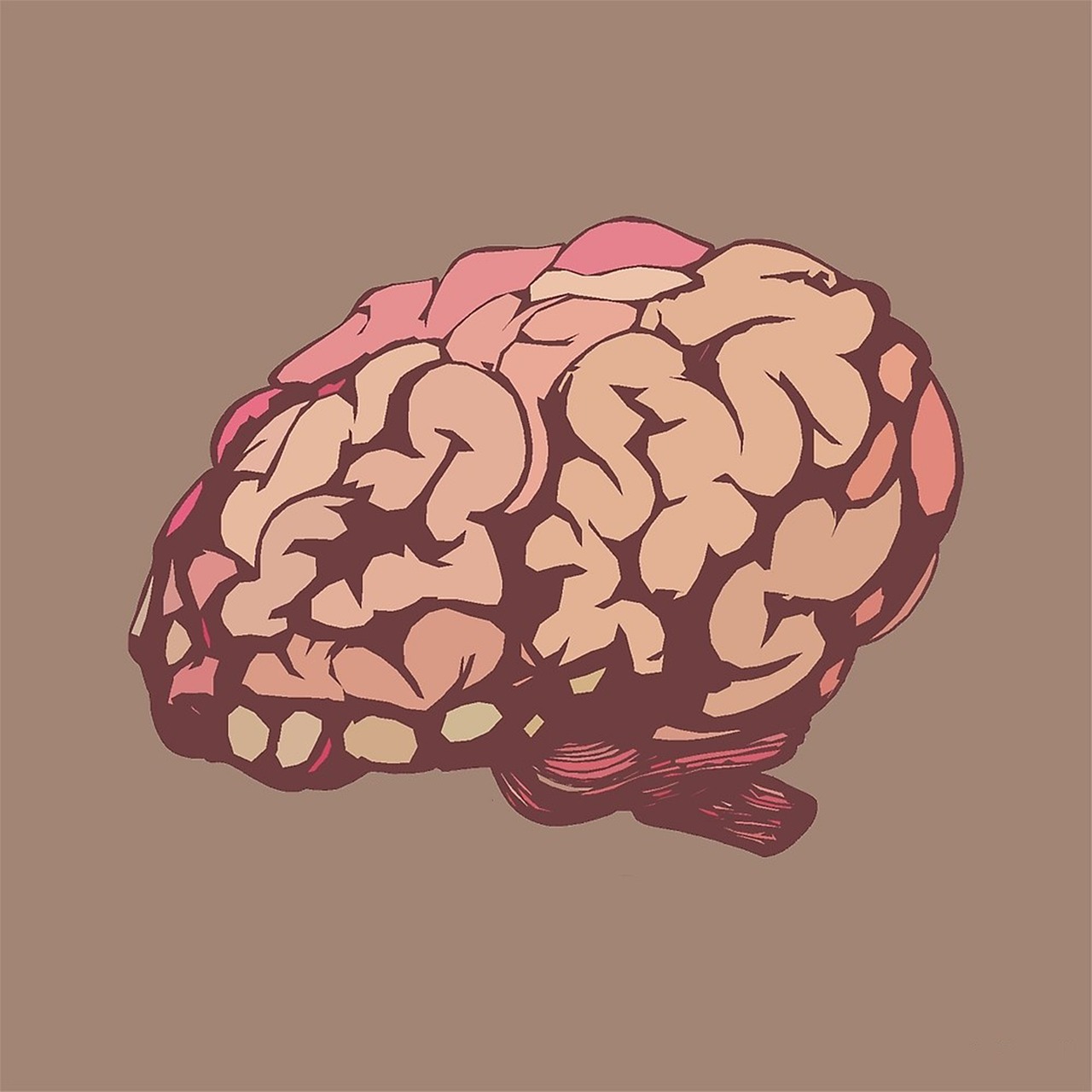
Throughout human history, individuals have sought experiences beyond ordinary consciousness—moments when the boundaries of self dissolve and reality reveals deeper dimensions. These transcendent states offer profound opportunities for transformation that touch every aspect of our being.

From ancient meditation practices to modern neuroscience research, evidence continues mounting that altered states of consciousness can fundamentally reshape our mental patterns, physical health, and spiritual awareness. The journey into these infinite realms is no longer reserved for mystics alone but has become accessible to anyone willing to explore.
🌟 Understanding Transcendent States: Beyond Ordinary Consciousness
Transcendent states represent experiences where our normal sense of self and reality temporarily shifts into expanded awareness. These moments—whether achieved through meditation, breathwork, prayer, or other practices—share common characteristics: a sense of timelessness, unity with something greater, profound peace, and often life-changing insights.
Research from institutions like Johns Hopkins University and Imperial College London has demonstrated that these states correlate with measurable changes in brain activity, particularly in regions associated with self-referential thinking and emotional processing. The default mode network, responsible for our ego-driven thoughts and rumination, shows decreased activity during peak transcendent experiences.
What makes these states particularly valuable is their transformative potential. Unlike temporary mood changes or fleeting emotions, transcendent experiences often catalyze lasting shifts in perspective, behavior, and well-being. People report improved relationships, reduced anxiety, increased compassion, and a renewed sense of purpose following profound transcendent encounters.
The Mind’s Liberation: Cognitive and Psychological Transformation
When we access transcendent states, the mind experiences a temporary suspension of its usual limiting patterns. The constant mental chatter quiets, creating space for clarity and insight that ordinary thinking cannot access. This mental reset can break cycles of negative thought patterns, anxiety, and depression that have persisted for years.
Neuroplasticity and Rewiring Mental Patterns
Transcendent experiences activate the brain’s neuroplastic capabilities—its ability to form new neural connections and pathways. During these states, the rigid mental frameworks that normally constrain our thinking become temporarily flexible, allowing for genuine cognitive restructuring.
Studies on meditation practitioners show increased gray matter density in brain regions associated with learning, memory, and emotional regulation. Long-term meditators exhibit enhanced connectivity between brain regions, suggesting that regular access to transcendent states literally reshapes the brain’s architecture toward greater integration and resilience.
Breaking Free from Limiting Beliefs
Perhaps the most profound psychological benefit of transcendent states is their ability to dissolve limiting beliefs and mental constructs. When we experience ourselves as something beyond our thoughts, past experiences, and self-narratives, those stories lose their grip on our identity.
People often emerge from peak transcendent experiences with a radically different relationship to their problems. Issues that seemed insurmountable appear manageable. Fears that dominated their lives seem less substantial. This shift isn’t merely positive thinking—it represents a fundamental change in perspective that naturally produces different emotional and behavioral responses.
🧘 Physical Body Benefits: The Soma-Spiritual Connection
The mind-body connection becomes undeniably apparent when exploring transcendent states. These experiences don’t just occur in consciousness—they produce measurable physiological changes that promote healing, vitality, and longevity.
Research consistently demonstrates that practices inducing transcendent states activate the parasympathetic nervous system, shifting the body from stress-response mode into rest-and-repair mode. This activation triggers a cascade of beneficial effects throughout the body’s systems.
Stress Reduction and Immune Function
Chronic stress is recognized as a contributor to numerous health conditions, from cardiovascular disease to weakened immunity. Transcendent states provide powerful antidotes to stress by interrupting the body’s stress response at neurological and hormonal levels.
Studies measuring cortisol levels, heart rate variability, and inflammatory markers show significant improvements in practitioners who regularly access transcendent states through meditation or contemplative practices. Some research suggests that these benefits may even extend to genetic expression, with changes in genes related to inflammation and immune response.
Pain Management and Physical Healing
Transcendent experiences alter pain perception in remarkable ways. Brain imaging studies show that meditation and similar practices reduce activity in pain-processing regions while simultaneously increasing activity in areas associated with cognitive control and emotional regulation.
Beyond pain management, some evidence suggests transcendent states may support physical healing processes. While the mechanisms remain under investigation, theories point to reduced inflammation, improved immune function, and enhanced cellular repair during deep meditative or transcendent states.
Soul Awakening: Spiritual Dimensions of Transformation ✨
The spiritual dimension of transcendent states represents perhaps their most profound and mysterious aspect. Here, “spiritual” doesn’t necessarily refer to religious dogma but to the deep questions of meaning, purpose, connection, and the nature of existence itself.
Transcendent experiences often provide direct encounters with what various traditions call the sacred, the divine, pure consciousness, or ultimate reality. These encounters tend to share common features across cultures and belief systems, suggesting they may represent fundamental aspects of human consciousness rather than culturally conditioned phenomena.
The Experience of Unity and Interconnection
One of the most frequently reported features of transcendent states is a profound sense of unity—the temporary dissolution of boundaries between self and other, individual and universe. This isn’t merely a philosophical concept but a lived experience that many describe as more real than ordinary reality.
This unity consciousness often produces lasting changes in how people relate to others and the world. Compassion naturally increases when we directly experience our fundamental interconnection. Environmental concerns become personal when we’ve felt ourselves as part of nature rather than separate from it. Conflicts seem less intractable when we’ve experienced the underlying unity beneath surface differences.
Discovering Life Purpose and Meaning
Transcendent states frequently catalyze profound insights about personal purpose and life direction. When the noise of everyday concerns quiets, deeper wisdom about what truly matters can emerge. Many people report receiving clear guidance about career changes, relationship decisions, or life paths during or following transcendent experiences.
This sense of meaning and purpose extends beyond personal concerns. Transcendent experiences often reveal a sense of participating in something larger—a cosmic story, evolutionary process, or divine plan. This broader perspective provides resilience during difficulties and inspiration during ordinary moments.
Practical Pathways: Accessing Transcendent States 🚪
While spontaneous transcendent experiences occur, most people benefit from intentional practices designed to facilitate these states. Fortunately, humanity has developed numerous effective approaches across cultures and centuries.
Meditation and Contemplative Practices
Meditation remains one of the most accessible and scientifically validated pathways to transcendent states. Various meditation styles—from mindfulness to transcendental meditation to loving-kindness practice—can facilitate altered states of consciousness, though approaches differ in technique and emphasis.
Consistency matters more than duration when beginning meditation practice. Even ten minutes daily creates cumulative benefits over time. As practice deepens, moments of transcendence naturally emerge—gaps in thought, expanded awareness, profound peace, or luminous clarity.
Breathwork and Somatic Approaches
Conscious breathing practices represent another powerful portal to altered states. Techniques like holotropic breathwork, Wim Hof method, or pranayama use specific breathing patterns to shift consciousness, often producing profound experiences within relatively short sessions.
The breath serves as a bridge between conscious and unconscious processes, voluntary and autonomic systems. By consciously altering breathing patterns, we directly influence nervous system states, brain chemistry, and consciousness itself.
Movement and Dance
Throughout history, humans have used movement and dance to access transcendent states. From Sufi whirling to ecstatic dance to tai chi, movement practices can quiet mental chatter while simultaneously activating embodied awareness that opens doors to altered consciousness.
The key is moving beyond self-consciousness into states where movement happens through us rather than being consciously controlled. This surrender often catalyzes shifts into transcendent awareness where boundaries between mover, movement, and music dissolve.
Nature Immersion and Wilderness Experiences
Natural environments facilitate transcendent states in ways that urban settings rarely match. Something about wilderness—its vastness, beauty, and otherness—naturally shifts consciousness toward expanded awareness and spiritual connection.
Research confirms what outdoor enthusiasts intuitively know: time in nature reduces stress, improves mood, and enhances well-being. Extended wilderness experiences, particularly when combined with solitude and contemplation, can catalyze profound transcendent experiences and lasting transformation.
🛡️ Integration and Grounding: Making Transformation Last
Accessing transcendent states represents only the beginning. The real work involves integrating insights and changes into daily life. Without proper integration, even profound experiences may fade into memory without producing lasting transformation.
Journaling and Reflection Practices
Recording experiences immediately following transcendent states helps preserve insights that might otherwise slip away. Beyond simple documentation, reflective writing helps process experiences, identify patterns, and extract actionable wisdom.
Questions for integration include: What did I learn? How do I want to live differently based on this experience? What specific changes will I make? What patterns or beliefs am I ready to release? These inquiries transform ephemeral experiences into concrete life changes.
Community and Shared Practice
Integrating transcendent experiences benefits enormously from supportive community. Sharing experiences with others who understand these states normalizes what might otherwise seem strange or isolating. Communities also provide accountability for maintaining practices and living aligned with insights.
Whether through meditation groups, spiritual communities, or therapeutic contexts, having witnesses to our transformation and companions on the journey strengthens our commitment and deepens our understanding.
Gradual Lifestyle Alignment
Authentic transformation shows up in how we live daily—how we eat, work, relate, and spend our time. Rather than forcing dramatic changes, gentle realignment based on transcendent insights creates sustainable transformation.
This might mean simplifying commitments to create space for practice, choosing relationships that support growth, or gradually shifting career direction toward greater alignment with purpose. Small consistent changes compound into profound life transformation over time.
Common Challenges and How to Navigate Them ⚠️
The path of working with transcendent states isn’t without challenges. Understanding common obstacles helps practitioners navigate difficulties without becoming discouraged or derailed.
Spiritual Bypassing
Sometimes people use transcendent experiences to avoid dealing with practical life challenges or psychological issues. This “spiritual bypassing” creates a false sense of progress while underlying problems remain unaddressed.
Genuine transformation integrates transcendent insights with grounded psychological work. Therapy, shadow work, and honest self-examination complement rather than conflict with transcendent practices. The goal is integration, not escape.
The Dark Night Experience
Some practitioners encounter difficult periods where old meaning structures dissolve before new understanding emerges. These “dark night” experiences, though challenging, often precede significant breakthroughs and deeper transformation.
During such periods, maintaining practice, seeking support, and trusting the process becomes essential. These challenging phases typically resolve into expanded consciousness and renewed clarity, though they require patience and perseverance.
Balancing Transcendence and Ordinary Life
Finding balance between transcendent experiences and practical responsibilities challenges many practitioners. The key lies in recognizing that transcendence and daily life aren’t separate—the goal is bringing transcendent awareness into ordinary moments.
This integration means practicing presence while washing dishes, accessing compassion during difficult conversations, and maintaining equanimity amid life’s inevitable ups and downs. Transcendent states inform how we live, not where we escape to.
The Science Behind the Sacred: Research Frontiers 🔬
Contemporary science increasingly validates what contemplative traditions have long claimed about transcendent states. Neuroscience, psychology, and medicine continue revealing mechanisms underlying these experiences and their transformative effects.
Brain imaging studies show that different practices produce distinct neural signatures, yet peak transcendent experiences share common patterns: decreased default mode network activity, increased connectivity between brain regions, and altered activity in areas processing self-reference and spatial boundaries.
Research into psychedelics has rekindled scientific interest in transcendent states, with studies showing that mystical-type experiences correlate strongly with therapeutic benefits for depression, anxiety, and addiction. This research suggests that transcendent experiences themselves—regardless of how they’re accessed—may be key therapeutic mechanisms.
Future research promises to deepen our understanding of these states, their mechanisms, and their applications for mental health, physical wellness, and human potential. As science and spirituality converge, we’re developing more sophisticated models for understanding and facilitating beneficial transcendent experiences.
🌈 Your Personal Journey: Taking the First Steps
Beginning to work with transcendent states doesn’t require special abilities or extensive preparation. The capacity for these experiences lives within everyone, waiting to be activated through intention and practice.
Start simply: choose one practice that resonates—perhaps meditation, breathwork, or nature walking—and commit to regular engagement. Set realistic expectations; transcendent experiences emerge naturally from consistent practice rather than forced striving.
Create supportive conditions by establishing a regular practice schedule, finding a dedicated space, and minimizing distractions. Consider apps or guided resources for structure and support, especially when beginning.
Remember that transcendent states exist on a spectrum, from subtle shifts in awareness to overwhelming mystical experiences. Value small openings—moments of peace, expanded perspective, or felt connection—as valid transcendent experiences worthy of attention and integration.
Most importantly, approach this journey with curiosity rather than rigid expectations. Each person’s path unfolds uniquely, revealing exactly what they need when they’re ready. Trust your process, maintain your practice, and remain open to the infinite possibilities that transcendent states unlock.

The Infinite Awaits: Embracing Ongoing Transformation
Working with transcendent states isn’t a destination but a continuous journey of deepening, discovering, and becoming. Each experience opens new vistas while revealing further depths to explore. This inexhaustible quality reflects the infinite nature of consciousness itself.
As you engage with these practices and experiences, you’re participating in humanity’s oldest and newest frontier—the exploration of consciousness. You’re joining countless seekers across history who’ve recognized that our greatest potential lies not in external achievements but in internal transformation.
The power and possibilities of transcendent states extend far beyond personal benefit, though personal transformation certainly occurs. As individuals awaken to expanded consciousness, they naturally contribute to collective evolution. Compassion, wisdom, and connection ripple outward, touching everyone they encounter.
Your journey into transcendent states represents both a homecoming to your deepest nature and an adventure into uncharted territory. The infinite awaits your exploration—not somewhere distant but within the depths of your own being. Each moment offers an invitation to transcend limitation, awaken to possibility, and participate fully in the magnificent mystery of existence.
Begin where you are, use what you have, do what you can. The doorway to transcendence stands always open, requiring only your willingness to step through. What transformations await on the other side? Only your direct experience can reveal the answer—and that revelation will change everything. 🌟