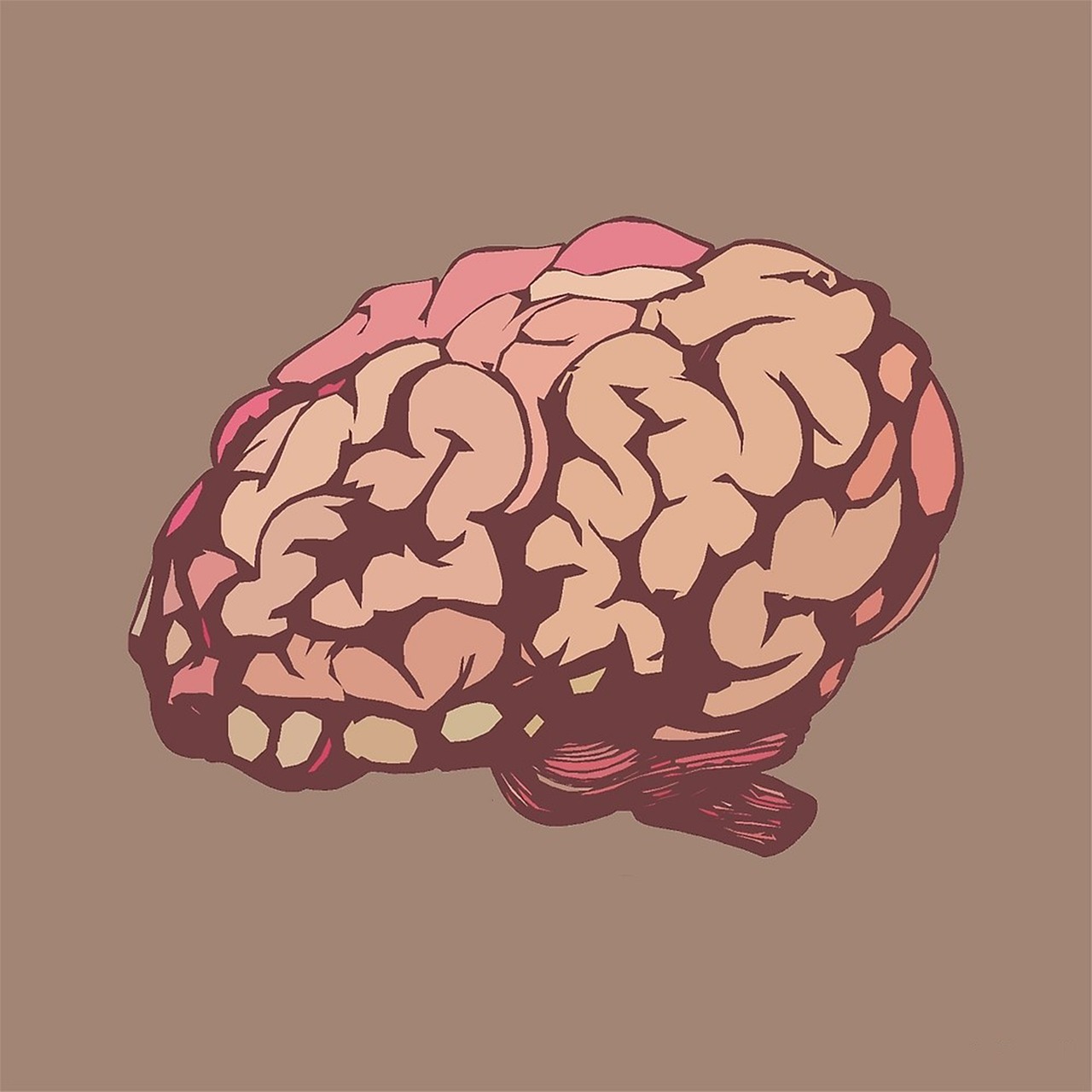
The human mind holds extraordinary potential waiting to be discovered. Within each of us lies a profound capacity to access deeper states of consciousness that can revolutionize how we think, create, and experience life itself.

Throughout history, mystics, artists, and visionaries have spoken of accessing inner realms of consciousness that transcend ordinary thinking. These inner vision states represent more than mere imagination—they are gateways to enhanced creativity, problem-solving abilities, and personal transformation. By learning to deliberately enter and navigate these states, you can unlock dormant capabilities and fundamentally shift your relationship with reality.
🧠 Understanding Inner Vision States: Beyond Ordinary Consciousness
Inner vision states refer to specific modes of consciousness characterized by heightened awareness, vivid mental imagery, and access to intuitive knowledge. Unlike the busy, analytical mind that dominates our waking hours, these states allow for a different quality of mental processing—one that is holistic, symbolic, and deeply connected to subconscious resources.
Neuroscience research has identified distinct brainwave patterns associated with these experiences. When we enter meditative, creative, or visionary states, our brainwaves shift from the beta waves of active thinking toward alpha and theta frequencies. These slower brainwave states correlate with reduced activity in the default mode network—the brain’s “self-referential” system—and increased connectivity between regions associated with imagination, memory, and emotional processing.
What makes inner vision states particularly powerful is their ability to bypass the critical, limiting beliefs that often constrain our thinking. In these states, we access a more fluid, expansive mode of consciousness where novel connections emerge spontaneously and creative solutions appear seemingly from nowhere.
The Science Behind Mental Transformation 🔬
Modern neuroscience has validated what contemplative traditions have known for millennia: the brain possesses remarkable plasticity and can be systematically trained to access enhanced states of consciousness. Research using functional MRI and EEG technology reveals that practices targeting inner vision states produce measurable changes in brain structure and function.
Studies on experienced meditators show increased gray matter density in regions associated with attention, emotional regulation, and perspective-taking. These structural changes correspond to improvements in cognitive flexibility, creative thinking, and emotional resilience—precisely the qualities needed for personal transformation.
The neurochemistry of inner vision states also plays a crucial role. These experiences often involve shifts in neurotransmitter activity, including increased dopamine (associated with motivation and reward), serotonin (linked to mood and well-being), and potentially endogenous DMT production, which some researchers theorize may facilitate mystical or visionary experiences.
Brainwave States and Consciousness
Understanding the relationship between brainwave frequencies and consciousness provides a roadmap for accessing inner vision states:
- Beta waves (13-30 Hz): Normal waking consciousness, analytical thinking, active problem-solving
- Alpha waves (8-13 Hz): Relaxed awareness, light meditation, the bridge between conscious and subconscious
- Theta waves (4-8 Hz): Deep meditation, vivid imagery, access to subconscious material, creative insights
- Delta waves (0.5-4 Hz): Deep sleep, healing, profound meditation states
The sweet spot for inner vision work typically involves cultivating theta and alpha states while maintaining enough conscious awareness to remember and integrate the experience.
✨ Practical Pathways to Inner Vision: Techniques That Work
Accessing inner vision states doesn’t require years of monastic training or exotic substances. With consistent practice and the right techniques, anyone can begin exploring these consciousness territories. The key lies in finding approaches that resonate with your individual temperament and lifestyle.
Meditation as a Foundation
Meditation remains the most reliable and well-researched method for developing access to inner vision states. However, not all meditation practices are equally suited to this purpose. Visualization-based meditations, in particular, create ideal conditions for developing inner sight.
Begin with basic breath awareness to quiet mental chatter, then gradually introduce visual elements. Imagine a simple object—a candle flame, a geometric shape, or a natural scene. Hold this image steadily in your mind’s eye, allowing it to become increasingly vivid and detailed. This practice strengthens your capacity for sustained inner visualization, the foundation of more advanced vision work.
As your practice deepens, you can explore more open-ended visualization where you set an intention or ask a question, then allow images and symbols to arise spontaneously. This receptive mode enables communication with deeper layers of consciousness.
Hypnagogic and Hypnopompic States
The twilight zones between waking and sleeping—hypnagogic (falling asleep) and hypnopompic (waking up) states—offer natural windows into inner vision. During these transitions, the boundary between conscious and unconscious becomes permeable, allowing vivid imagery and insights to surface.
To work with these states, maintain awareness as you drift toward sleep or emerge from it. Keep a journal nearby to capture the images, symbols, and ideas that appear. Many creative breakthroughs have occurred in these liminal states, from scientific discoveries to artistic visions.
Active Imagination and Journaling
Developed by psychologist Carl Jung, active imagination involves engaging with spontaneous mental imagery in a dialogue-like fashion. Unlike passive daydreaming, this technique requires conscious participation while allowing unconscious material to express itself.
Sit quietly and invite an image to appear. This might be a person, animal, landscape, or abstract form. Engage with whatever arises—ask it questions, observe how it responds, follow where it leads. Document your experiences in a journal, noting patterns and recurring symbols that emerge over time.
🎨 Awakening Creativity Through Inner Vision
The relationship between inner vision states and creativity is profound and bidirectional. Not only do these states enhance creative capacity, but creative activities themselves serve as portals into expanded consciousness.
When we engage deeply with creative work—whether writing, painting, music, or any form of artistic expression—we naturally enter flow states characterized by timelessness, effortless concentration, and access to inspiration that seems to come from beyond our ordinary self. These are inner vision states by another name.
Artists throughout history have recognized this connection. Salvador Dalí famously used a technique he called “slumber with a key,” where he would hold a key over a metal plate while dozing. As he drifted into sleep and relaxed his grip, the key would fall and wake him, allowing him to capture the surreal imagery of the hypnagogic state.
Cultivating Creative Vision
To harness inner vision for creative purposes, establish a regular practice of entering receptive states before creative work. Spend 10-15 minutes in meditation or gentle visualization, then transition directly into your creative activity while maintaining that quality of relaxed, open awareness.
Keep a “vision journal” specifically for capturing images, symbols, and ideas that arise during inner vision practices. Review this journal periodically as creative fuel for projects. Many artists and writers find that solutions to creative challenges appear spontaneously during these practices.
Transforming Limiting Beliefs and Emotional Patterns 🦋
Perhaps the most powerful application of inner vision work lies in psychological and emotional transformation. The symbolic, imagistic language of inner vision states allows direct communication with unconscious processes that drive our behaviors, emotions, and self-concepts.
Traditional talk therapy operates primarily at the level of conscious, verbal processing. While valuable, this approach often struggles to shift deeply rooted patterns that exist below the level of words. Inner vision work, by contrast, engages the psyche in its native symbolic language, enabling profound shifts that can feel almost miraculous in their speed and completeness.
Working with Inner Archetypes
Within the landscape of inner vision, you’ll encounter various figures and symbols representing different aspects of your psyche. Jung called these archetypes—universal patterns of human experience that manifest in personalized forms.
You might encounter a wise elder offering guidance, a wounded child needing care, a warrior representing your capacity for action, or shadow figures embodying rejected aspects of yourself. By engaging these figures with curiosity and compassion during inner vision work, you initiate a process of integration that heals fragmentation and reveals hidden resources.
Reimaging Past Experiences
Inner vision states provide unique opportunities for emotional healing through a process sometimes called “memory reconsolidation.” When we revisit difficult memories in a resourced, expanded state of consciousness, we can actually change the emotional charge and meaning associated with those experiences.
This isn’t about denying or escaping difficult realities, but rather about accessing perspectives and resources that weren’t available during the original experience. In inner vision, you might visualize yourself as a compassionate adult meeting your younger self, offering the understanding and support that was missing at the time.
🌟 Building a Sustainable Practice
The transformative potential of inner vision work unfolds through consistent practice over time rather than isolated peak experiences. Establishing a sustainable routine ensures you’ll receive cumulative benefits that compound and deepen.
Creating Your Practice Container
Designate a specific time and place for inner vision work. Morning practices catch consciousness when it’s naturally more fluid and receptive. Evening practices can process the day’s experiences and seed the unconscious mind before sleep.
Your practice space should feel sacred and protected—a place where you can turn inward without interruption. This might be a corner of a room with a cushion or chair, perhaps with objects that hold meaning for you: crystals, images, candles, or other symbolic items.
Tracking Progress and Integration
Maintain a dedicated journal for your inner vision work. Record not only the content of your experiences but also shifts in your daily life—changes in mood, perspective, creativity, relationships, and circumstances. Over weeks and months, patterns will emerge that reveal the subtle but profound ways this work reshapes your reality.
Integration is equally important as the experiences themselves. After inner vision sessions, ask yourself: “What does this mean for how I live?” “What action does this inspire?” “How can I honor this insight in concrete ways?” Bridge the visionary and the practical to create real transformation.
Technology and Consciousness Exploration 📱
Modern technology offers innovative tools for supporting inner vision development. Brain entrainment applications use specific sound frequencies to guide brainwaves toward states conducive to meditation and visualization. Binaural beats, isochronic tones, and ambient soundscapes can help stabilize attention and deepen practice.
Guided meditation apps provide structured pathways into inner vision states, particularly valuable for beginners. These digital guides offer various approaches—from simple breath awareness to elaborate visualization journeys—allowing you to explore different techniques and find what resonates.
While technology can support practice, remember that the essential work occurs within your own consciousness. Use these tools as training wheels rather than permanent dependencies, gradually developing your ability to enter inner vision states at will.
🌈 Common Challenges and How to Navigate Them
The path of inner vision work, while rewarding, isn’t without obstacles. Understanding common challenges and how to address them helps maintain momentum when difficulties arise.
The Busy Mind Syndrome
Many people struggle with incessant mental chatter that makes sustained inner focus difficult. Rather than fighting thoughts, try the “noting” technique: gently label thoughts as they arise (“thinking,” “planning,” “worrying”) and return attention to your chosen focus. With practice, the mind naturally settles.
Doubt and Skepticism
Western culture’s emphasis on external, material reality can create internal skepticism about subjective experiences. Remember that inner vision states operate by different rules than ordinary consciousness. Suspend judgment temporarily and adopt an attitude of curiosity. Evaluate results by their fruits—the changes in your life—rather than by whether experiences fit preconceived notions.
Integration Challenges
Sometimes inner vision experiences feel so different from ordinary consciousness that integrating them seems impossible. Move slowly, sharing experiences selectively with trusted friends or guides who understand this work. Allow time for meanings to unfold gradually rather than forcing immediate interpretation.
The Journey of Continuous Unfolding 🚀
Inner vision work isn’t a destination but an ongoing journey of discovery. Each layer of awakening reveals new depths to explore. What begins as a practice for stress relief or enhanced creativity often evolves into a profound spiritual journey, a lifelong exploration of consciousness itself.
As you develop facility with these states, you’ll notice their influence extending beyond formal practice sessions. Intuitive insights arise more frequently. Creative solutions appear spontaneously. Emotional resilience strengthens. Life itself becomes more vivid, meaningful, and interconnected.
The power within you—this capacity for inner vision and transformation—has always been present, waiting for your attention and intention. By committing to regular practice, approaching the work with curiosity and respect, and remaining patient with the unfolding process, you activate potentials that can genuinely transform every aspect of your existence.
Your inner landscape is vast, containing resources, wisdom, and creative power beyond what you’ve yet imagined. The practices and principles outlined here provide a map, but only your own exploration will reveal the specific treasures waiting in your unique depths. Begin today, gently and consistently, and trust the intelligence of your own consciousness to guide you toward ever-greater clarity, creativity, and wholeness.
The invitation stands before you: will you unlock the power within and discover what becomes possible when you elevate your mind, awaken your creativity, and transform your life through the profound practice of inner vision? The journey begins with a single moment of turning inward, with intention and openness to what you might discover there.