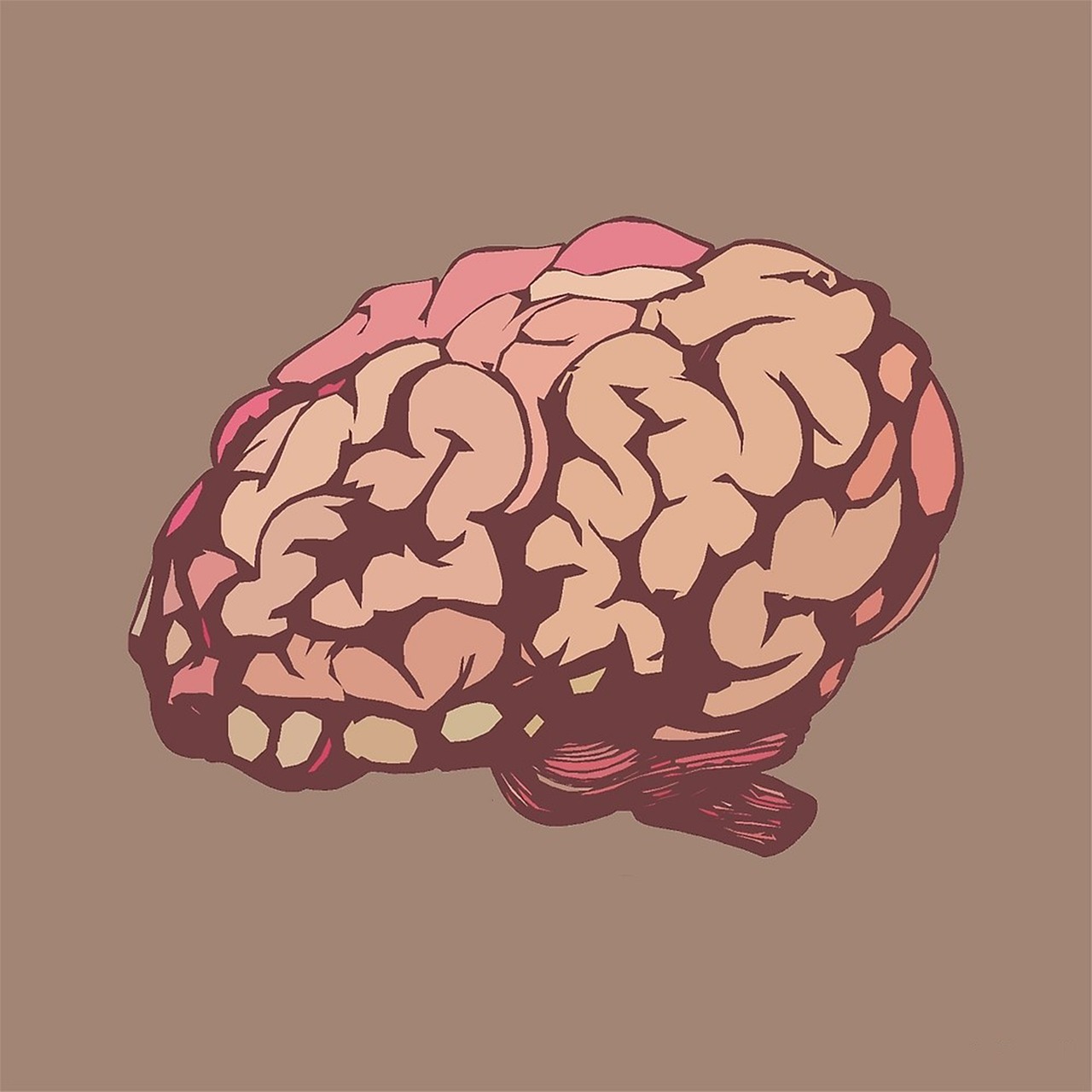
The human brain remains one of the most fascinating and complex structures in existence, with its intricate networks holding the keys to understanding consciousness, behavior, and cognitive function. Modern neuroscience has made remarkable strides in decoding how different brain regions work together to create our mental experiences.

At the heart of this exploration lies the distinction between cortical and subcortical processing—two complementary systems that shape everything from our emotions to our decision-making abilities. Understanding these neural architectures opens doors to treating mental health conditions, enhancing cognitive performance, and unlocking the mysteries of human consciousness itself.
🧠 The Architecture of Mental Processing: Cortical vs. Subcortical Systems
The brain’s processing capabilities can be broadly divided into cortical and subcortical regions, each serving distinct yet interconnected functions. The cerebral cortex, the brain’s outermost layer, represents the pinnacle of evolutionary development in humans. This wrinkled surface contains approximately 16 billion neurons and is responsible for higher-order cognitive functions including abstract thinking, language, and conscious awareness.
Subcortical structures, positioned beneath the cortex, include the basal ganglia, thalamus, hippocampus, amygdala, and brainstem. These ancient brain regions evolved earlier in our evolutionary history and govern fundamental processes such as emotional responses, memory consolidation, motor control, and survival instincts. Together, these systems create a sophisticated processing network that defines human experience.
The Cortical Command Center
The cerebral cortex divides into four primary lobes, each specializing in different aspects of mental processing. The frontal lobe handles executive functions, planning, and personality expression. The parietal lobe processes sensory information and spatial awareness. The temporal lobe manages auditory processing and memory formation, while the occipital lobe specializes in visual processing.
What makes cortical processing unique is its capacity for conscious deliberation and complex reasoning. When you solve a mathematical problem, compose a sentence, or plan your future, cortical networks spring into action, creating the sophisticated thought patterns that distinguish human cognition from other species.
Subcortical Foundations: The Brain’s Ancient Wisdom
While cortical regions often receive more attention in popular neuroscience discussions, subcortical structures form the essential foundation upon which higher cognition builds. These regions operate largely outside conscious awareness, yet they profoundly influence behavior, emotion, and motivation.
The amygdala, for instance, serves as the brain’s alarm system, rapidly detecting threats and triggering emotional responses before conscious awareness occurs. This subcortical processing explains why you might feel fear before consciously recognizing danger—your amygdala has already assessed the situation and initiated protective responses.
The Thalamus: Gateway to Consciousness
The thalamus functions as a critical relay station, filtering and directing sensory information to appropriate cortical regions. Nearly all sensory input passes through the thalamus before reaching conscious awareness, making it essential for perception and attention. Damage to the thalamus can result in profound alterations in consciousness and sensory processing.
Recent research has revealed that the thalamus doesn’t merely relay information passively—it actively shapes what information reaches cortical networks, effectively determining what enters our conscious experience. This gatekeeper function highlights the sophisticated interaction between subcortical and cortical processing.
🔄 Dynamic Interactions: How Cortical and Subcortical Systems Communicate
The true power of the brain emerges not from cortical or subcortical regions alone, but from their constant communication and interaction. Neural pathways connect these systems in complex feedback loops, creating integrated processing networks that transcend simple hierarchical models.
Consider emotional regulation as an example. When you experience stress, your amygdala (subcortical) triggers immediate physiological responses. Simultaneously, your prefrontal cortex (cortical) evaluates the situation, applies learned coping strategies, and potentially modulates the amygdala’s response. This cortical-subcortical dialogue enables sophisticated emotional management that develops throughout life.
The Basal Ganglia Circuit
The basal ganglia exemplify cortical-subcortical integration in motor control and habit formation. These subcortical nuclei receive input from throughout the cortex, process it through complex circuits, and send output back to cortical motor areas via the thalamus. This loop enables smooth, coordinated movements and the automation of learned behaviors.
Disorders affecting the basal ganglia, such as Parkinson’s disease and Huntington’s disease, demonstrate how disrupted cortical-subcortical communication produces profound effects on movement, cognition, and emotion. Understanding these circuits has led to therapeutic interventions including deep brain stimulation, which modulates subcortical activity to restore function.
Memory Systems: Distributed Processing Across Brain Regions
Memory formation and retrieval beautifully illustrate the cooperation between cortical and subcortical systems. The hippocampus, a subcortical structure, plays a crucial role in converting short-term memories into long-term storage. However, memories themselves distribute across cortical networks, with different aspects stored in regions related to their sensory or semantic content.
When you recall a vacation memory, your hippocampus coordinates the retrieval of visual details from occipital cortex, emotional components from limbic structures, and narrative elements from temporal and frontal regions. This distributed processing model explains why brain damage can affect specific memory aspects while leaving others intact.
Emotional Memory and the Amygdala
The amygdala’s involvement in emotional memory demonstrates how subcortical processing influences long-term storage. Emotionally charged experiences receive preferential encoding, explaining why you remember significant life events more vividly than mundane daily activities. The amygdala modulates hippocampal activity during emotional experiences, effectively “tagging” certain memories as important.
This system evolved to help organisms remember threats and opportunities crucial for survival. In modern life, the same mechanisms explain both adaptive learning and problematic patterns like traumatic memory formation in PTSD.
⚡ Neural Oscillations: The Language of Brain Communication
Recent advances in neuroimaging have revealed that cortical and subcortical regions communicate through synchronized neural oscillations—rhythmic patterns of electrical activity at various frequencies. These brain waves coordinate activity across distant regions, enabling integrated information processing.
Different frequency bands associate with distinct mental states and cognitive functions. Theta oscillations (4-8 Hz) link to memory encoding and spatial navigation. Alpha waves (8-12 Hz) appear during relaxed wakefulness. Beta oscillations (12-30 Hz) associate with active thinking and focus. Gamma waves (30-100 Hz) correlate with conscious perception and information binding.
Thalamocortical Rhythms in Sleep and Consciousness
The interaction between thalamus and cortex generates characteristic oscillatory patterns that define different states of consciousness. During sleep, slow oscillations coordinate the consolidation of memories and clearing of metabolic waste. Upon waking, faster frequencies emerge as the thalamus shifts into a mode that relays sensory information to cortex.
Disorders of consciousness, from coma to vegetative states, involve disrupted thalamocortical rhythms. Measuring these oscillatory patterns provides insights into patients’ level of awareness and potential for recovery, demonstrating the clinical relevance of understanding cortical-subcortical dynamics.
🎯 Attention and Executive Control: Top-Down Meets Bottom-Up
Attention represents a prime example of cortical-subcortical integration. Bottom-up attention occurs when salient stimuli—sudden movements, loud noises—automatically capture awareness through subcortical pathways that rapidly alert cortical regions. Top-down attention involves cortical networks deliberately focusing on chosen targets while suppressing distractions.
The superior colliculus, a subcortical structure in the midbrain, coordinates rapid orienting responses to unexpected stimuli. Meanwhile, cortical regions in the frontal and parietal lobes implement sustained, goal-directed attention. These systems work together constantly, balancing automatic responses with deliberate focus.
The Default Mode Network and Internal Processing
The default mode network (DMN), comprising cortical regions most active during rest, reveals another dimension of mental processing. This network activates during mind-wandering, self-reflection, and imagining future scenarios. Interestingly, the DMN shows strong connectivity with subcortical structures including the hippocampus and medial temporal regions.
This cortical-subcortical network enables internally-directed cognition—the mental simulations, autobiographical reflections, and spontaneous thoughts that occupy much of our waking life. Dysregulation of the DMN associates with various psychiatric conditions, from depression to schizophrenia.
Clinical Applications: Understanding to Intervention
Insights into cortical and subcortical processing have revolutionized approaches to mental health treatment and neurological rehabilitation. By understanding which systems malfunction in specific disorders, clinicians can target interventions more precisely.
Depression, for instance, involves altered connectivity between subcortical regions like the amygdala and cortical areas including the prefrontal cortex. Modern treatments ranging from cognitive-behavioral therapy to transcranial magnetic stimulation aim to restore healthy cortical-subcortical balance. Neuroimaging can even predict treatment response by assessing baseline connectivity patterns.
Neuroplasticity: Reshaping Cortical-Subcortical Circuits
The brain’s capacity for neuroplasticity—reorganizing neural connections in response to experience—offers hope for recovery from injury and illness. Both cortical and subcortical regions demonstrate plasticity, though the mechanisms and timescales differ. Rehabilitation strategies leverage this plasticity to restore function after stroke, trauma, or neurodegenerative disease.
Targeted interventions can strengthen specific cortical-subcortical pathways. Physical therapy following stroke helps rebuild motor circuits connecting cortex, basal ganglia, and cerebellum. Cognitive training enhances connectivity between frontal cortex and hippocampus, potentially improving memory in aging adults.
🔬 Advanced Neuroimaging: Visualizing the Invisible
Modern neuroimaging technologies have transformed our ability to study cortical and subcortical processing in living humans. Functional MRI reveals patterns of brain activation during cognitive tasks. Diffusion tensor imaging maps white matter pathways connecting distant regions. PET scans visualize neurotransmitter systems and metabolic activity.
These tools enable researchers to test models of mental processing with unprecedented precision. Studies can now track information flow from subcortical sensory relays through cortical processing hierarchies, revealing the temporal dynamics of perception and cognition.
Connectomics: Mapping the Brain’s Wiring Diagram
The emerging field of connectomics aims to comprehensively map all neural connections in the brain—creating a complete wiring diagram of cortical and subcortical circuits. This ambitious project promises to reveal organizational principles that govern brain function and potentially identify biomarkers for neurological and psychiatric disorders.
Early connectomic studies have already identified characteristic patterns of connectivity that predict cognitive abilities, personality traits, and disease risk. As mapping techniques improve, we approach a future where individual brain connectivity profiles could guide personalized medical and educational interventions.
Consciousness and Self-Awareness: The Ultimate Frontier
Perhaps the most profound question in neuroscience concerns how cortical and subcortical processing gives rise to consciousness—the subjective experience of being. Current theories propose that consciousness emerges from integrated information processing across widespread brain networks, requiring specific patterns of cortical-subcortical interaction.
The thalamocortical system appears particularly crucial for conscious awareness. Patients with thalamic damage may lose consciousness despite intact cortex, suggesting that subcortical structures don’t merely support but actively enable conscious experience. Understanding these mechanisms could revolutionize treatment of consciousness disorders and even inform debates about machine consciousness.
💡 Future Directions: Brain-Computer Interfaces and Beyond
Advances in understanding cortical and subcortical processing are enabling revolutionary technologies. Brain-computer interfaces that decode neural activity patterns can restore communication for paralyzed individuals. Closed-loop neurostimulation systems monitor brain activity and deliver targeted stimulation to normalize dysfunctional circuits in epilepsy and movement disorders.
Future applications may include cognitive enhancement devices that optimize cortical-subcortical coordination, neurofeedback systems that help individuals regulate their own brain activity, and even artificial systems that replicate aspects of human neural processing. These developments raise both exciting possibilities and important ethical questions.
Integrating Multiple Levels of Analysis
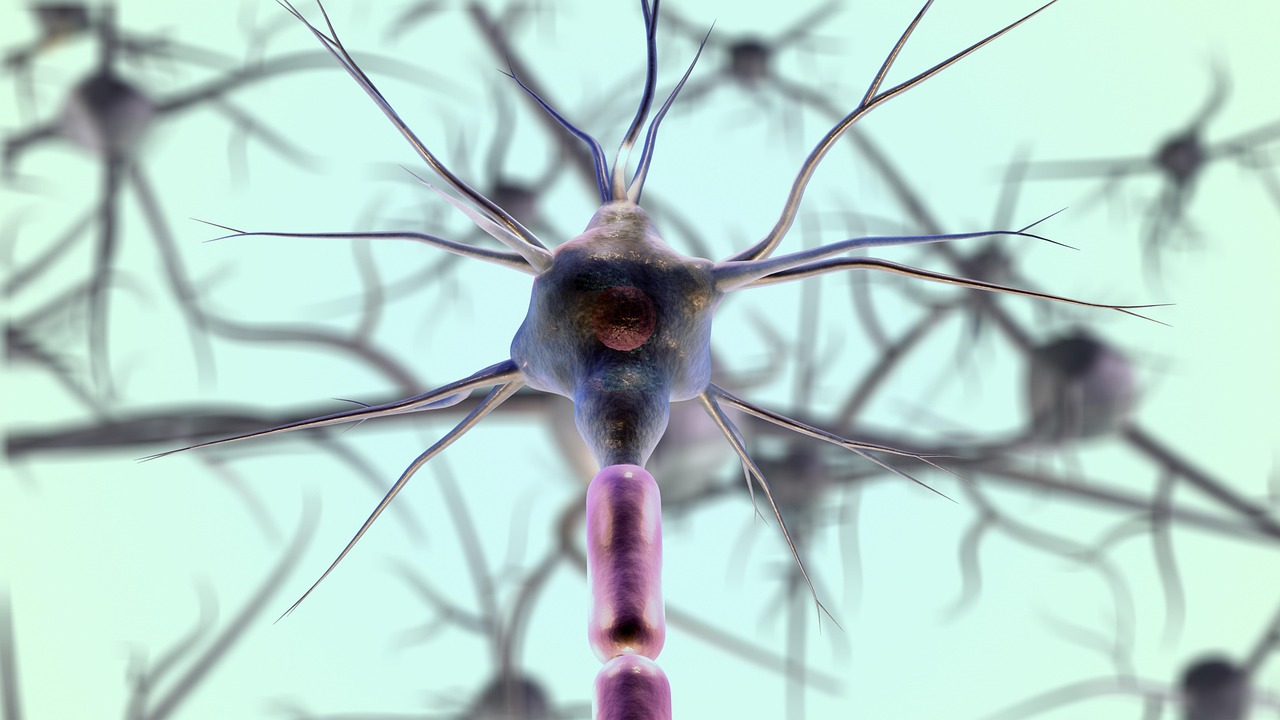
Truly understanding the brain’s secrets requires integrating knowledge across multiple scales—from molecular mechanisms within individual neurons to systems-level interactions between cortical and subcortical networks to behavioral and experiential outcomes. No single level of analysis suffices to explain mental processing.
Computational neuroscience builds mathematical models that bridge these levels, simulating how molecular processes give rise to neural oscillations, how network dynamics produce cognitive functions, and how brain activity relates to behavior. These models make testable predictions and guide experimental research, accelerating scientific progress.
🌟 The Path Forward: Synthesis and Discovery
The distinction between cortical and subcortical processing provides a useful framework, but increasingly, neuroscience recognizes that these systems form an integrated whole. Mental processes emerge from dynamic interactions across the entire brain, with cortical and subcortical regions continuously influencing each other.
Future research will likely move beyond simple dichotomies toward more nuanced models that capture the brain’s true complexity. Machine learning algorithms applied to massive neuroimaging datasets are already revealing organizational principles that transcend traditional anatomical categories, suggesting new ways to conceptualize brain function.
As we continue unlocking the brain’s secrets, we gain not only scientific knowledge but also practical tools for enhancing human wellbeing. From treating mental illness to optimizing education to augmenting human capabilities, understanding cortical and subcortical models of mental processing promises transformative applications. The journey into the brain’s depths continues, with each discovery raising new questions and opening unexpected possibilities for humanity’s future.