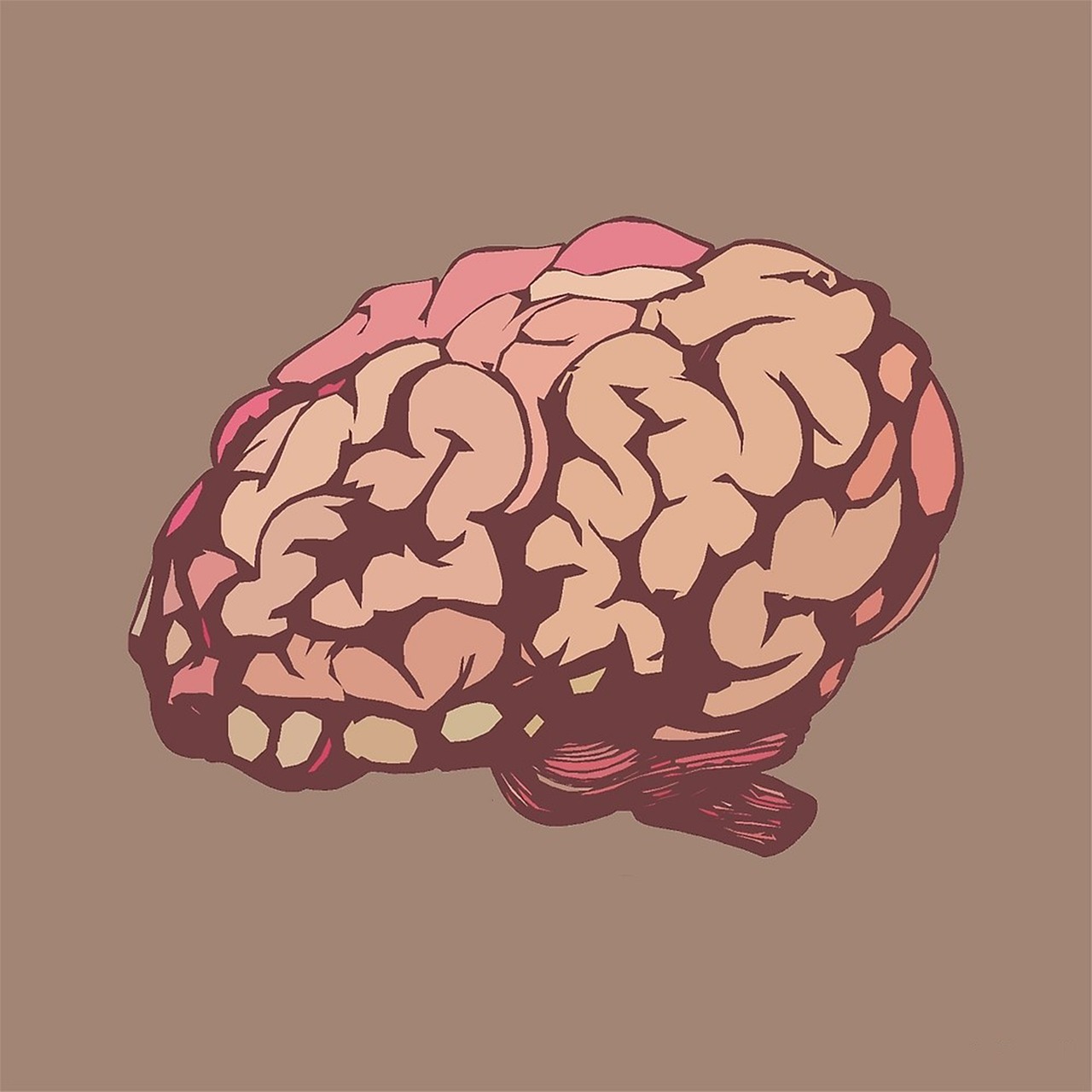
The human brain remains one of science’s greatest mysteries, a three-pound universe of neurons, synapses, and electrical impulses that somehow generates consciousness, emotion, and thought. Modern neuro-mapping technologies promise to decode this enigma, revealing the intricate pathways that connect our biological brain to the intangible experience we call the mind.

Yet as we venture deeper into the neural labyrinth, we encounter profound questions that challenge our understanding of what it means to be human. The relationship between brain and mind represents more than a scientific puzzle—it touches upon philosophy, ethics, identity, and the very nature of consciousness itself. As imaging technologies advance at unprecedented rates, we find ourselves at a crossroads where scientific capability outpaces our philosophical frameworks and ethical guidelines.
🧠 The Evolution of Brain Mapping Technologies
The journey to map the human brain began long before modern technology. Early neurologists relied on post-mortem dissections and observations of patients with brain injuries to infer function from anatomy. The famous case of Phineas Gage, whose personality transformed after a railway spike damaged his frontal lobe, provided early evidence that specific brain regions influence behavior and personality.
Today’s neuro-mapping arsenal includes sophisticated tools that would astound early pioneers. Functional Magnetic Resonance Imaging (fMRI) tracks blood flow to identify active brain regions. Electroencephalography (EEG) measures electrical activity with millisecond precision. Positron Emission Tomography (PET) scans reveal metabolic processes. Diffusion Tensor Imaging (DTI) traces the brain’s white matter highways, showing how different regions connect.
These technologies have revolutionized neuroscience, transforming abstract theories into vivid, colorful maps of neural activity. Researchers can now watch the brain process language, experience emotions, make decisions, and even dream. The Human Connectome Project, launched in 2009, aims to map every neural connection in the brain, creating a comprehensive wiring diagram of the human mind.
The Promise of Precision Medicine
Neuro-mapping holds tremendous therapeutic potential. By identifying abnormal patterns in brain structure or function, clinicians can diagnose conditions like Alzheimer’s disease, schizophrenia, depression, and traumatic brain injuries earlier and more accurately. Surgeons use real-time brain mapping during operations to avoid damaging critical areas controlling speech, movement, or memory.
Personalized treatment protocols based on individual brain signatures represent the future of psychiatric care. Rather than prescribing medications through trial and error, doctors might one day select treatments based on a patient’s unique neural architecture and activity patterns.
🔬 The Hard Problem: From Neural Activity to Conscious Experience
Despite technological marvels, a fundamental gap remains between observing brain activity and explaining subjective experience. Philosopher David Chalmers famously termed this the “hard problem of consciousness”—how and why physical processes in the brain give rise to the felt quality of experience, the “what it’s like” to see red, taste chocolate, or feel joy.
Neuro-mapping can show us which neurons fire when someone sees the color red, but it cannot explain why that particular pattern of firing produces the subjective sensation of redness. This explanatory gap represents more than a temporary limitation of current technology—it may indicate a fundamental conceptual challenge in reducing mental states to purely physical processes.
The Correlation Versus Causation Dilemma
Most neuro-mapping studies identify correlations between brain activity and mental states, not causal relationships. When a brain region lights up during a particular task, does that activity cause the associated mental experience, or is it merely a side effect? Could the same subjective experience arise from different neural patterns in different individuals or even within the same person at different times?
This question has profound implications. If mental states can be multiply realized—produced by different physical configurations—then there is no simple one-to-one mapping between brain states and mental experiences. The relationship might be far more complex, dynamic, and context-dependent than current mapping technologies can capture.
⚠️ Controversies and Limitations in Modern Neuro-Mapping
The spectacular images produced by fMRI and other technologies can be misleading. Those colorful blobs on brain scans represent statistical averages across many trials, heavily processed and filtered through complex algorithms. They don’t show actual real-time neural activity but rather slow changes in blood oxygenation that occur seconds after neurons fire.
The Reproducibility Crisis
Neuroscience faces a significant reproducibility problem. Many high-profile studies fail to replicate when other researchers attempt to repeat them. Small sample sizes, flexible analysis methods, publication bias favoring positive results, and the sheer complexity of brain data all contribute to this crisis. Some researchers worry that we’re building an edifice of neuroscience knowledge on shaky foundations.
The statistical methods used to analyze brain imaging data have come under particular scrutiny. With thousands of data points in a single brain scan, the risk of false positives looms large. A famous 2009 study demonstrated this by putting a dead salmon in an fMRI scanner and finding “significant” brain activation—a stark reminder of how statistical artifacts can masquerade as meaningful results.
Oversimplification and “Neuro-essentialism”
Popular media often oversimplifies neuro-mapping findings, promoting a reductionist view that complex behaviors and mental states can be explained by activity in specific brain regions. Headlines proclaim discoveries of “the god spot,” “the creativity center,” or “the addiction circuit,” implying a simplistic localization of complex phenomena.
This “neuro-essentialism” reduces human experience to brain mechanics, potentially undermining appreciation for the role of culture, environment, relationships, and personal history in shaping who we are. It can also lead to neurobiological determinism—the belief that we are merely the sum of our neural wiring, with limited capacity for change or free will.
🎯 Ethical Frontiers: Privacy, Identity, and Agency
As neuro-mapping technologies become more sophisticated, they raise troubling ethical questions. If brain scans can reveal our thoughts, intentions, or predispositions, what happens to mental privacy? Several companies already market consumer brain-imaging devices and neurofeedback apps, often with dubious scientific backing.
Mind Reading and Legal Implications
Researchers have made progress in decoding mental states from brain activity. While we’re far from reading complex thoughts, studies have successfully predicted simple choices, identified images people are viewing, and even reconstructed basic visual experiences from neural data. Some have proposed using brain imaging as a lie detector more reliable than polygraphs.
The legal system has begun grappling with these technologies. Could brain scans be admitted as evidence in court? Should defendants undergo neuroimaging to assess criminal responsibility or predict recidivism? India has already convicted defendants partly based on brain-imaging evidence, despite scientific controversy about the technology’s reliability.
Neuromarketing and Manipulation
Advertisers increasingly employ neuro-mapping techniques to understand consumer preferences and emotional responses to products and marketing messages. This “neuromarketing” promises insights beyond what traditional surveys reveal, accessing unconscious reactions and implicit biases. Critics worry about manipulation and the erosion of consumer autonomy when companies can bypass rational decision-making to target unconscious neural processes.
🌐 The Brain-Mind Interface: Emerging Technologies
Brain-computer interfaces (BCIs) represent the next frontier, directly connecting neural activity to external devices. Elon Musk’s Neuralink and similar ventures aim to create seamless communication between brains and computers, initially to help paralyzed patients but potentially expanding to enhance normal human capabilities.
These technologies promise revolutionary benefits: restoring movement to paralyzed individuals, enabling communication for locked-in patients, treating neurological disorders, and perhaps eventually enhancing memory, attention, or intelligence. Yet they also raise profound questions about identity, authenticity, and what constitutes a natural or enhanced human.
Cognitive Enhancement and Inequality
If neural mapping enables reliable cognitive enhancement, will it be available equitably, or will it create a cognitive divide between enhanced and unenhanced populations? Could employers require neural optimization? Might parents feel pressured to enhance their children’s brains to ensure competitive advantage?
These concerns mirror existing debates about pharmaceutical cognitive enhancement, but BCIs and advanced neuro-interventions could be more powerful, more permanent, and more directly integrated with personal identity.
🔮 Future Directions: Beyond Current Paradigms
The limitations of current neuro-mapping may require entirely new conceptual frameworks. Some researchers advocate for a more holistic approach that considers the brain not as an isolated organ but as part of an embodied, embedded system interacting dynamically with environment and culture.
Network Dynamics and Complexity Science
Modern neuroscience increasingly recognizes that the brain functions as a complex network rather than a collection of specialized modules. Mental processes emerge from dynamic interactions among distributed brain regions, changing over time and context. This network perspective requires sophisticated mathematical tools from complexity science and may eventually reveal organizing principles that static maps cannot capture.
The Role of Artificial Intelligence
Machine learning algorithms now play essential roles in analyzing brain imaging data, identifying patterns too subtle or complex for human researchers to detect. As AI advances, it may uncover relationships between brain structure, function, and behavior that challenge our current understanding.
Yet AI also introduces new questions. When an algorithm successfully predicts mental states from neural data, does it truly understand the brain, or has it merely found statistical patterns without genuine insight? The “black box” problem in AI means we often cannot explain how algorithms reach their conclusions, potentially trading one mystery for another.
🌟 Balancing Scientific Progress with Philosophical Humility
The tremendous advances in neuro-mapping technology should inspire both excitement and caution. We have learned more about the brain in the past two decades than in all previous human history combined. Yet profound mysteries remain, and our current understanding may be as primitive as phrenology appears to us today.
Perhaps the most important lesson from exploring the brain-mind connection is recognizing the limits of our current paradigms. The reductionist assumption that understanding neural mechanisms will automatically explain mental experience may prove insufficient. Consciousness, free will, personal identity—these phenomena may require explanatory frameworks that transcend simple neural mapping.
Integrating Multiple Perspectives
A comprehensive understanding of the brain-mind connection likely requires integrating insights from neuroscience, psychology, philosophy, anthropology, and other disciplines. Subjective first-person experiences, carefully studied through introspection and phenomenology, complement objective third-person observations from brain imaging. Cultural variations in cognition and mental experience remind us that biology interacts with environment in complex ways.
💡 Navigating the Neuro-Future Responsibly
As neuro-mapping technologies continue advancing, society must develop ethical frameworks and regulations to govern their use. We need informed public dialogue about mental privacy, cognitive liberty, and the appropriate uses of brain data. Neuroscientists bear responsibility for communicating findings accurately, acknowledging limitations, and resisting hype.
Educational institutions should teach “neural literacy,” helping people understand both the power and limitations of neuroscience. This knowledge empowers individuals to evaluate claims critically, from neuromarketing appeals to legal applications of brain imaging to popular brain-training apps with questionable scientific support.
The brain-mind connection represents one of humanity’s most captivating frontiers. Modern neuro-mapping has illuminated this connection in ways our ancestors could never have imagined, yet we have barely scratched the surface. The most exciting discoveries likely await in recognizing not just what current technologies reveal, but what they cannot yet capture—the ineffable qualities of consciousness, the emergent properties of neural networks, and the profound mystery of how physical matter generates subjective experience.
As we continue unveiling the brain-mind connection, we must proceed with scientific rigor, ethical consideration, and philosophical humility. The stakes are immense, touching upon the fundamental question of what it means to be human. By acknowledging both the revolutionary potential and inherent limitations of neuro-mapping, we position ourselves to navigate this frontier responsibly, maximizing benefits while minimizing risks and preserving the essential humanity that makes this exploration meaningful in the first place.