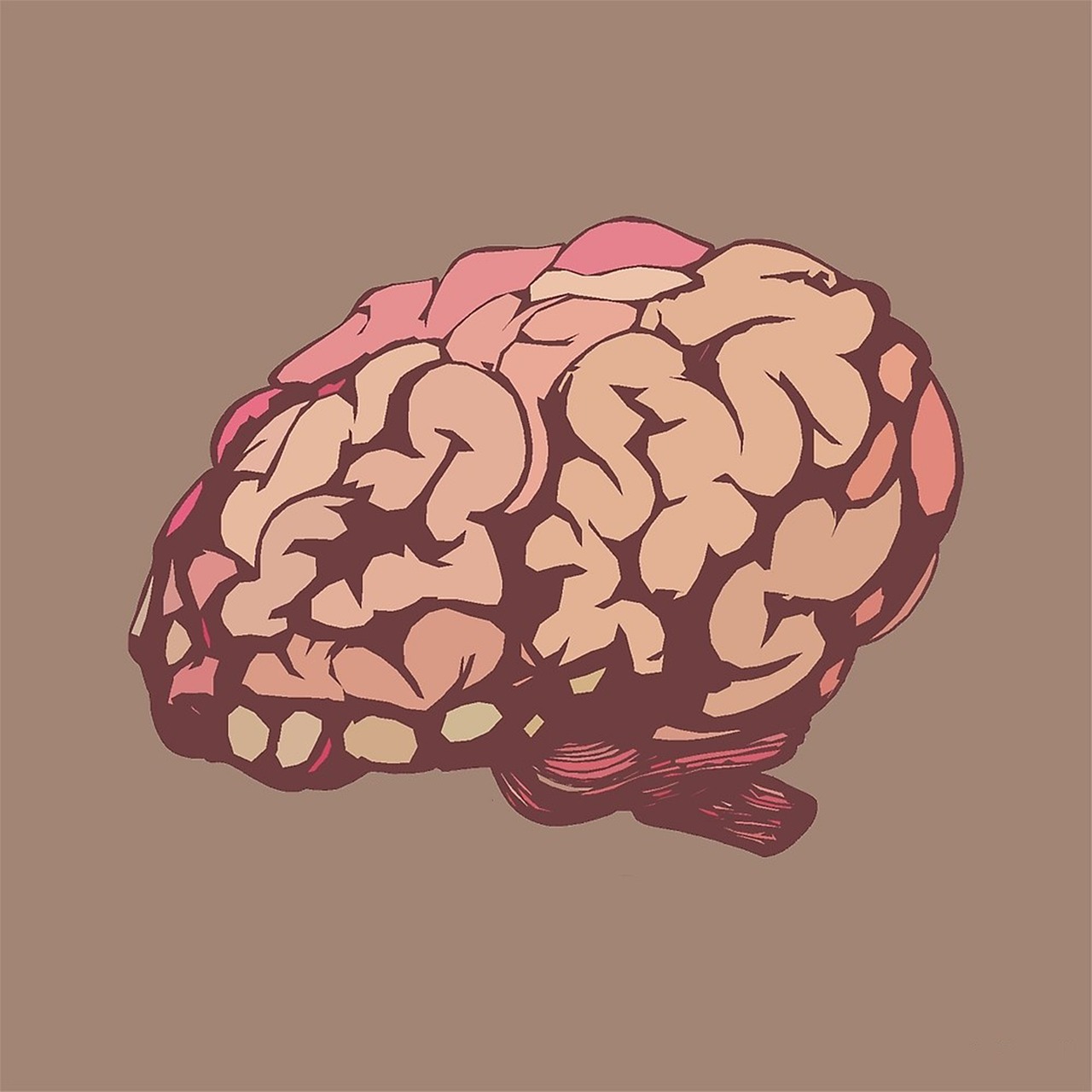
The human brain operates through intricate networks of neural connections, constantly communicating and processing information. Among these networks, the default mode network stands as a central hub for self-referential thinking, memory, and consciousness itself.

Recent neuroscientific research has revealed something remarkable: psychedelic compounds possess the unique ability to temporarily disrupt and reshape these neural pathways, offering profound therapeutic potential for mental health conditions and expanding our understanding of consciousness. This groundbreaking discovery is transforming how we approach psychiatric treatment and cognitive neuroscience.
🧠 What Is the Default Mode Network?
The default mode network (DMN) represents a collection of interconnected brain regions that activate when we’re not focused on the external world. This network becomes particularly active during daydreaming, self-reflection, autobiographical memory retrieval, and thinking about the future. Discovered in the early 2000s, the DMN includes key structures such as the medial prefrontal cortex, posterior cingulate cortex, and angular gyrus.
Scientists consider the DMN the brain’s “autopilot mode,” responsible for constructing our sense of self and maintaining our ego boundaries. When functioning normally, this network helps us maintain a coherent narrative about who we are, what we’ve experienced, and how we relate to others. However, overactivity in the DMN has been linked to rumination, anxiety, depression, and rigid thought patterns that characterize various mental health disorders.
The DMN’s role extends beyond simple daydreaming. Research indicates this network plays a crucial part in social cognition, moral reasoning, and the integration of past experiences with future planning. Understanding how the DMN functions—and malfunctions—has become central to developing new therapeutic interventions for psychiatric conditions.
The Psychedelic Renaissance in Neuroscience
After decades of prohibition and stigmatization, psychedelic research has experienced a remarkable resurgence. Substances like psilocybin, LSD, DMT, and ayahuasca are now being studied at prestigious institutions worldwide, including Imperial College London, Johns Hopkins University, and the University of California. This renaissance has been driven by promising clinical trials showing remarkable efficacy for treatment-resistant depression, PTSD, addiction, and end-of-life anxiety.
Modern neuroimaging technologies have enabled scientists to observe the brain under the influence of psychedelics in real-time, revealing mechanisms that were previously mysterious. Functional MRI scans, EEG recordings, and magnetoencephalography have provided unprecedented insights into how these compounds affect neural connectivity and information processing.
Breaking Down the Barriers: DMN Disruption
One of the most consistent findings in psychedelic neuroscience is that these compounds significantly reduce activity in the default mode network. This decrease in DMN activity correlates strongly with the subjective experience of ego dissolution—the temporary loss of one’s sense of self that many users report as transformative or even mystical.
When the DMN quiets down, the rigid patterns of thinking that characterize depression and anxiety begin to loosen. The brain enters a more flexible state, one that researchers describe as increased “entropy” or randomness in neural signaling. This temporary chaos may be precisely what allows for therapeutic breakthroughs, as entrenched neural pathways are disrupted and new connections can form.
🔬 Neural Connectivity: From Rigid to Fluid
Brain connectivity can be understood in two main ways: functional connectivity (how different regions communicate) and structural connectivity (the physical pathways between regions). Psychedelics appear to profoundly affect both types, creating what researchers call a “hyperconnected” brain state.
Studies using functional MRI have shown that under the influence of psychedelics, brain regions that normally don’t communicate directly begin forming temporary connections. This cross-talk between networks creates novel patterns of information integration, potentially allowing individuals to perceive their thoughts, emotions, and experiences from entirely new perspectives.
The Claustrum Connection
Recent research has identified the claustrum—a thin, sheet-like structure deep in the brain—as a potential key player in psychedelic effects. The claustrum contains one of the highest densities of serotonin 2A receptors, the primary target of classic psychedelics. This structure may act as a neural conductor, coordinating activity across different brain regions and contributing to conscious awareness.
When psychedelics bind to these receptors in the claustrum, they may disrupt the brain’s normal hierarchical organization, allowing for the unusual perceptual and cognitive experiences characteristic of the psychedelic state. This disruption might explain phenomena like synesthesia, where sensory experiences blend together, and the dissolution of boundaries between self and environment.
Mechanisms of Action: The Molecular Dance
At the molecular level, psychedelic compounds primarily work through the serotonin 2A receptor (5-HT2A), though they interact with multiple neurotransmitter systems. When psilocybin, LSD, or DMT binds to these receptors, they trigger a cascade of intracellular signaling that alters neural excitability and plasticity.
Research has revealed that psychedelics promote the growth of dendritic spines—tiny protrusions on neurons where synaptic connections form. This structural plasticity may underlie the lasting therapeutic effects observed in clinical trials, as the brain literally rewires itself during and after the psychedelic experience.
BDNF and Neuroplasticity
Brain-derived neurotrophic factor (BDNF) plays a crucial role in neural growth and plasticity. Psychedelics appear to increase BDNF expression, particularly in regions associated with mood regulation and emotional processing. This molecular mechanism may explain why single psychedelic sessions can produce sustained improvements in depression and anxiety that last for months.
The increased neuroplasticity created by psychedelics opens a “critical period” where the brain becomes more receptive to change. This window of enhanced flexibility might explain why psychedelic-assisted psychotherapy shows such promise—the therapeutic context and integration work can guide this plastic state toward healing.
🌈 Therapeutic Applications: From Lab to Clinic
The clinical applications of psychedelic therapy have expanded rapidly in recent years. Depression represents one of the most studied conditions, with multiple trials demonstrating that psilocybin-assisted therapy can produce rapid and sustained reductions in depressive symptoms, even in patients who haven’t responded to conventional treatments.
Post-traumatic stress disorder (PTSD) research, particularly with MDMA-assisted therapy, has shown remarkable results. The FDA has granted MDMA breakthrough therapy designation for PTSD treatment, and full approval may come soon. These therapies don’t simply mask symptoms—they appear to facilitate genuine psychological processing and integration of traumatic experiences.
Addiction and Substance Use Disorders
Perhaps surprisingly, psychedelics show significant promise for treating addiction. Studies have examined psilocybin for alcohol and tobacco dependence, with impressive success rates. The mechanism may involve both the neurobiological effects on reward circuits and the psychological insights gained during sessions, which often include profound realizations about life priorities and self-destructive patterns.
End-of-life anxiety in terminal cancer patients represents another area where psychedelic therapy has demonstrated clear benefits. Single high-dose psilocybin sessions have produced lasting reductions in existential distress, with many participants reporting increased acceptance of mortality and renewed appreciation for life.
The Entropic Brain Hypothesis
Dr. Robin Carhart-Harris and colleagues at Imperial College London proposed the “entropic brain hypothesis” to explain psychedelic effects on consciousness. This theory suggests that normal waking consciousness represents a constrained, ordered state optimized for survival and predictability. Psychedelics temporarily increase neural entropy, creating a more flexible, unpredictable brain state.
This increased entropy correlates with the richness and unpredictability of psychedelic experiences. Rather than representing brain dysfunction, this state may offer therapeutic value by allowing rigid mental models to dissolve and reorganize. The theory predicts that disorders characterized by excessive order and rigidity—like depression and obsessive-compulsive disorder—might benefit most from psychedelic intervention.
Cognitive Flexibility and Psychological Flexibility
Beyond neural changes, psychedelics appear to enhance psychological flexibility—the ability to adapt thinking and behavior to changing circumstances. This capacity is crucial for mental health, as psychological rigidity underlies many psychiatric conditions. The combination of decreased DMN activity, increased neural connectivity, and enhanced plasticity creates ideal conditions for breaking free from maladaptive patterns.
Studies measuring cognitive flexibility before and after psychedelic experiences show lasting improvements. Participants demonstrate enhanced creativity, openness to experience, and ability to consider alternative perspectives. These changes suggest that the acute effects on brain networks translate into durable shifts in how people think and relate to the world.
⚖️ Safety, Set, and Setting
Despite their therapeutic potential, psychedelics are not without risks. These substances can precipitate challenging psychological experiences, particularly in individuals with personal or family history of psychotic disorders. Proper screening, preparation, and professional guidance are essential for safe therapeutic use.
The importance of “set and setting”—mindset and environment—cannot be overstated. Clinical trials achieve their impressive results partly through careful attention to these factors. Participants receive extensive preparation, undergo sessions in comfortable settings with trained therapists present, and engage in integration sessions afterward to process and contextualize their experiences.
Contraindications and Considerations
Certain medical and psychiatric conditions represent contraindications for psychedelic therapy. Schizophrenia spectrum disorders, bipolar disorder (particularly during manic phases), and severe cardiovascular conditions require extreme caution or exclusion. Medications that interact with serotonin systems, particularly MAO inhibitors and SSRIs, can create dangerous interactions or diminish psychedelic effects.
The legal status of psychedelics remains complex, with most compounds classified as Schedule I substances in many countries. However, regulatory pathways are opening, with Oregon and Colorado legalizing psilocybin therapy, and Canada allowing compassionate access for terminally ill patients. This evolving legal landscape reflects growing recognition of therapeutic potential balanced against legitimate safety concerns.
🔮 Future Directions in Psychedelic Neuroscience
The field of psychedelic neuroscience continues to expand rapidly, with several exciting research directions emerging. Scientists are developing new imaging techniques to better visualize real-time neural dynamics under psychedelics, moving beyond simple connectivity measures to understand information flow and processing.
Personalized medicine approaches seek to identify which patients will benefit most from psychedelic therapy and which protocols work best for specific conditions. Biomarkers—measurable indicators of therapeutic response—are being investigated to predict and monitor treatment outcomes.
Novel Compounds and Delivery Methods
Pharmaceutical companies are developing novel psychedelic compounds with modified pharmacological profiles. Some aim to separate therapeutic effects from hallucinogenic experiences, though whether this is desirable or even possible remains debated. Others focus on compounds with shorter duration or more specific receptor profiles to optimize therapeutic windows.
Microdosing—taking sub-perceptual doses on a regular schedule—has gained popular attention, though scientific evidence remains limited. Rigorous studies are now underway to determine whether microdosing truly provides cognitive and emotional benefits or whether effects are primarily placebo-driven.
Integration: The Critical Missing Piece
Perhaps the most underappreciated aspect of psychedelic therapy is integration—the process of incorporating insights and experiences into everyday life. The acute neurobiological effects last only hours, but their therapeutic potential depends largely on how individuals contextualize and apply their experiences afterward.
Integration typically involves psychotherapy sessions where individuals work with trained therapists to understand their experiences, identify meaningful insights, and develop concrete strategies for behavioral change. Without adequate integration support, even profound psychedelic experiences may fail to produce lasting therapeutic benefits.
Community and Ongoing Support
Beyond formal therapy, community support plays an important role in maintaining therapeutic gains. Integration circles, peer support groups, and ongoing therapeutic relationships help individuals sustain the psychological changes initiated during psychedelic experiences. This long-term support structure may be as important as the acute intervention itself.
The Paradigm Shift in Mental Healthcare
Psychedelic research represents more than just new treatment options—it challenges fundamental assumptions about psychiatric care. Rather than managing chronic conditions with daily medications that often produce limited benefits and significant side effects, psychedelic therapy offers the possibility of rapid, sustained healing through intensive, time-limited interventions.
This paradigm emphasizes neuroplasticity and the brain’s inherent capacity for transformation over symptom suppression. It recognizes the importance of subjective experience and meaning-making in healing, rather than treating mental illness as purely biochemical imbalance. This holistic approach integrates biological, psychological, and even spiritual dimensions of human experience.
The implications extend beyond individual treatment to our understanding of consciousness itself. By revealing how alterations in neural connectivity produce dramatic changes in subjective experience, psychedelic neuroscience illuminates the relationship between brain and mind. These insights challenge materialist assumptions while remaining grounded in rigorous scientific methodology.

🌟 A New Chapter in Brain Science
The intersection of psychedelics and neuroscience has opened unprecedented windows into brain function and human consciousness. By temporarily reshaping default mode networks and transforming neural connectivity, these compounds demonstrate the remarkable plasticity of the human brain and its capacity for healing and transformation.
As research progresses and therapeutic applications expand, psychedelics may fundamentally alter how we approach mental health treatment. The evidence suggests we’re witnessing not just incremental improvement in psychiatric care, but a genuine revolution in our understanding of the brain, consciousness, and healing. The coming decades will likely see these once-forbidden substances become powerful tools in medicine’s therapeutic arsenal, offering hope to millions suffering from conditions that conventional treatments cannot adequately address.
The story of psychedelics and the brain reminds us that scientific progress sometimes requires challenging established paradigms and approaching old questions with fresh perspectives. By unlocking the brain’s natural capacity for change and growth, psychedelic neuroscience exemplifies how curiosity, rigorous research, and openness to unexpected findings can transform entire fields and ultimately improve human wellbeing.