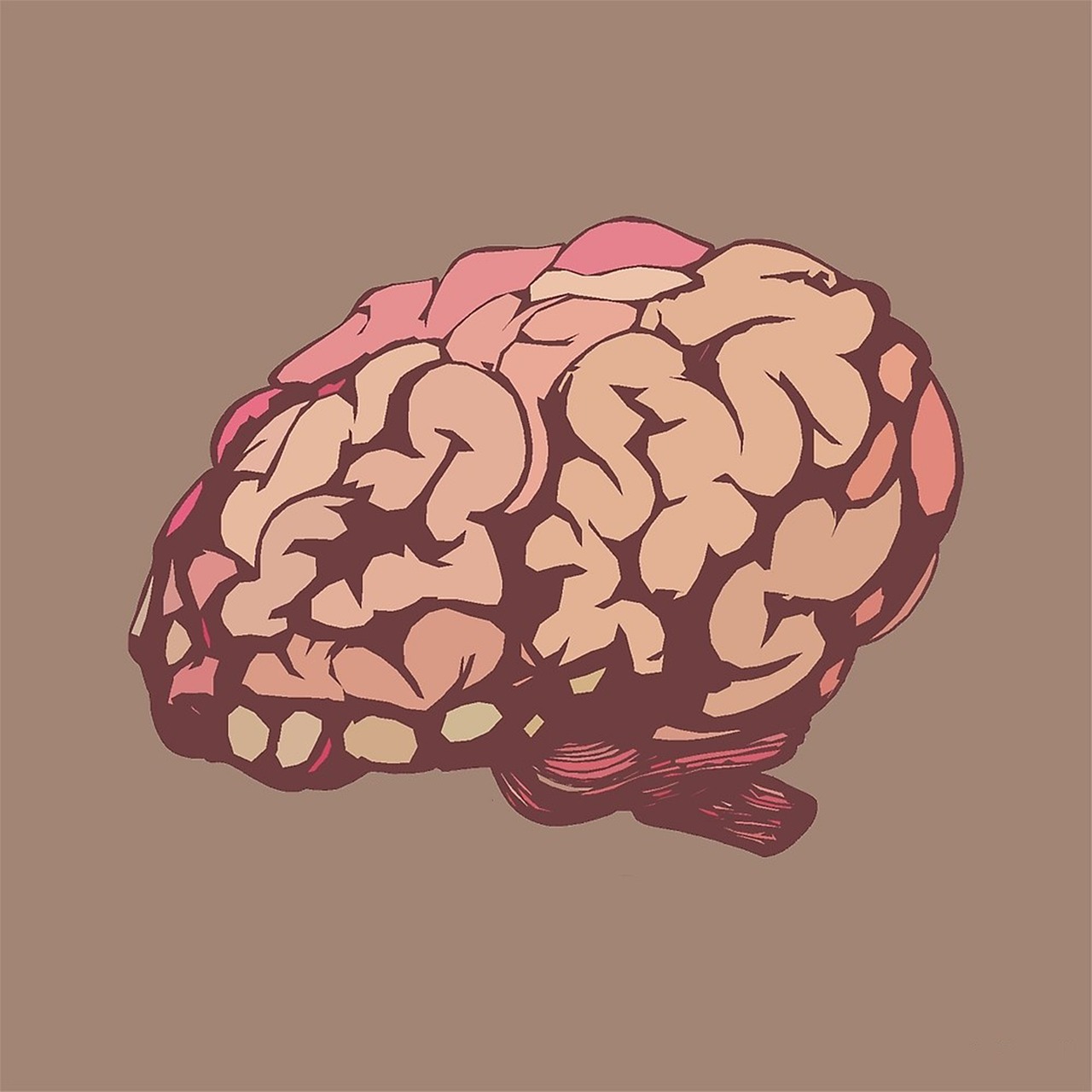
The human mind holds extraordinary potential for transformation, particularly when neural patterns shift into states of heightened flexibility. Recent neuroscience reveals fascinating connections between brain entropy, consciousness expansion, and therapeutic breakthroughs.

Psychedelic substances have emerged from the shadows of cultural taboo into the bright spotlight of rigorous scientific investigation. Researchers worldwide are documenting remarkable changes in brain activity during psychedelic experiences, with implications that extend far beyond recreational use into realms of mental health treatment and creative enhancement.
🧠 The Science of Brain Entropy: Understanding Neural Chaos
Brain entropy represents the degree of randomness and unpredictability in neural activity patterns. In everyday consciousness, our brains operate within relatively predictable parameters, following well-worn neural pathways that create our habitual thought patterns, behaviors, and emotional responses.
During psychedelic states, this orderly system undergoes a dramatic transformation. Neuroimaging studies using fMRI and magnetoencephalography (MEG) have revealed that substances like psilocybin, LSD, and DMT significantly increase brain entropy. This means neural networks communicate in novel, less predictable ways, forming temporary connections that rarely occur during normal waking consciousness.
Dr. Robin Carhart-Harris and his team at Imperial College London pioneered much of this research, demonstrating that psychedelics essentially “shake up” the brain’s default mode network—the neural system responsible for self-referential thinking and ego maintenance. This disruption creates opportunities for new perspectives, insights, and healing.
Measuring the Unmeasurable: How Scientists Track Consciousness
Quantifying something as subjective as consciousness presents enormous challenges. However, researchers have developed sophisticated methods to measure brain entropy through mathematical analysis of neural signals. These techniques reveal complexity, integration, and information processing across different brain regions simultaneously.
The Lempel-Ziv complexity measure and other algorithmic approaches calculate how compressed or random brain signals appear. Higher entropy scores indicate greater unpredictability and potential for novel information processing—precisely what occurs during psychedelic experiences.
🎨 Creativity Unleashed: The Neurological Basis of Enhanced Imagination
The connection between increased brain entropy and creative thinking isn’t merely anecdotal. Scientific evidence demonstrates that psychedelic states facilitate divergent thinking, pattern recognition across disparate concepts, and the dissolution of rigid mental frameworks that typically constrain imagination.
Creativity requires the brain to make unexpected connections between seemingly unrelated ideas. Normal consciousness maintains relatively fixed boundaries between different conceptual domains and sensory modalities. Psychedelics temporarily dissolve these boundaries, allowing cross-talk between brain regions that typically operate independently.
The Default Mode Network: Creativity’s Gatekeeper
The default mode network (DMN) acts as consciousness’s editor-in-chief, filtering perceptions through the lens of past experiences, beliefs, and self-concept. While useful for navigating daily life, this system can become overly rigid, limiting creative potential and trapping individuals in repetitive thought patterns.
Psychedelics reduce DMN activity, loosening its grip on consciousness. This temporary “ego dissolution” allows other brain networks to communicate more freely, generating insights and perspectives that would otherwise remain inaccessible. Artists, musicians, and innovators throughout history have reported breakthrough creative moments during or following psychedelic experiences.
💊 Therapeutic Applications: Healing Through Increased Neural Flexibility
The therapeutic potential of psychedelic-induced brain entropy represents one of the most promising developments in psychiatry and psychology. Clinical trials are demonstrating remarkable efficacy for conditions that have proven resistant to conventional treatments.
Depression, anxiety, PTSD, and addiction often involve rigid, maladaptive thought patterns that become deeply entrenched in neural circuitry. These conditions can be understood partly as states of excessive neural order—brains stuck in negative patterns with insufficient flexibility to escape.
Breaking the Chains of Depression
Major depressive disorder frequently involves rumination, negative self-talk, and an inability to experience pleasure or hope. Neurologically, this corresponds to hyperactivity in the DMN and reduced connectivity between brain regions associated with positive emotions and cognitive flexibility.
Psilocybin-assisted therapy has shown exceptional promise in clinical trials, with single sessions producing sustained improvements in treatment-resistant depression. The increased brain entropy during these sessions appears to “reset” dysfunctional neural patterns, creating windows of opportunity for psychological restructuring and healing.
PTSD and the Loosening of Traumatic Memories
Post-traumatic stress disorder involves memories that have become pathologically rigid and intrusive. The brain’s threat-detection systems remain hyperactive, unable to contextualize past trauma as truly past. This represents another form of insufficient neural flexibility.
MDMA-assisted psychotherapy, currently in Phase 3 FDA trials, combines the entropy-increasing effects of psychedelics with focused therapeutic work. The increased neural plasticity during sessions allows patients to revisit traumatic memories without overwhelming distress, facilitating emotional processing and integration.
🔬 The Neurobiology of the Psychedelic Experience
Understanding how psychedelics increase brain entropy requires examining their molecular mechanisms. Classic psychedelics primarily act as agonists at the 5-HT2A serotonin receptor, particularly in cortical pyramidal neurons. This interaction triggers a cascade of downstream effects throughout neural networks.
Serotonin 2A receptor activation increases neural excitability and promotes glutamate release, the brain’s primary excitatory neurotransmitter. This creates conditions for enhanced neural plasticity—the brain’s ability to form new connections and reorganize existing networks. Simultaneously, the hierarchical organization of brain networks becomes less rigid, allowing bottom-up processing to influence consciousness more directly.
Beyond Serotonin: The Complexity of Psychedelic Action
While 5-HT2A activation is central, psychedelics influence numerous other receptor systems and neuromodulators. They affect dopamine signaling, which influences motivation and reward processing. They interact with glutamate systems crucial for learning and memory. They influence neuroinflammation and neurotrophic factors that support neural health and growth.
This complexity explains why psychedelic experiences feel so rich and multidimensional. Multiple brain systems are simultaneously perturbed and reconfigured, creating comprehensive alterations in consciousness that extend beyond simple neurochemical changes.
🌈 Set, Setting, and the Optimization of Entropy
Increased brain entropy alone doesn’t guarantee positive outcomes. The context surrounding psychedelic experiences profoundly influences whether heightened neural flexibility leads to creativity and healing or confusion and distress.
“Set and setting”—psychological mindset and physical environment—shape how the brain processes increased entropy. Supportive, safe contexts allow individuals to navigate unfamiliar mental territories constructively. Proper preparation, intention-setting, and integration practices transform potentially chaotic experiences into opportunities for growth.
The Importance of Therapeutic Frameworks
Clinical psychedelic therapy doesn’t simply administer substances and wait for magic to happen. Trained therapists provide psychological scaffolding that helps patients direct increased neural flexibility toward therapeutic goals. This includes preparation sessions establishing trust and intention, supported experiences with continuous emotional presence, and integration sessions helping translate insights into lasting change.
The quality of therapeutic relationship significantly predicts outcomes. Brain entropy creates potential, but skilled guidance helps realize that potential in beneficial directions rather than allowing it to dissipate without lasting impact.
⚖️ Balancing Order and Chaos: The Optimal Entropy Window
While increased entropy facilitates creativity and healing, excessive chaos becomes overwhelming and counterproductive. The brain requires a delicate balance between order and disorder, stability and flexibility, predictability and novelty.
This principle is reflected in the concept of “critical brain dynamics”—the idea that healthy brain function exists at the boundary between excessive order and complete chaos. Psychedelics temporarily shift this balance toward greater entropy, but integration requires returning to sustainable equilibrium with expanded rather than dissolved structure.
Integration: Building New Order from Chaos
The days and weeks following psychedelic experiences represent crucial periods when insights and altered perspectives either consolidate into lasting changes or fade back into previous patterns. Integration practices help construct new, healthier neural organizations from the enhanced flexibility of the psychedelic state.
This might involve journaling, therapy sessions, meditation practices, lifestyle changes, or creative expression. The goal is translating temporarily increased entropy into permanent reorganization—not maintaining constant chaos but establishing new, more adaptive patterns of thinking, feeling, and behaving.
🧪 Comparing Substances: Different Paths to Enhanced Entropy
Various psychedelic compounds increase brain entropy through somewhat different mechanisms and with distinct experiential qualities. Understanding these differences helps match substances to therapeutic goals and individual needs.
- Psilocybin (magic mushrooms): Produces moderate-duration experiences with pronounced emotional content and introspective quality. Research shows robust increases in brain connectivity and entropy lasting 4-6 hours.
- LSD: Creates longer experiences (8-12 hours) with particularly strong effects on sensory perception and conceptual thinking. Studies reveal extensive cross-network communication and creativity enhancement.
- DMT/Ayahuasca: Generates intense, short-duration experiences (DMT) or longer ceremonial journeys (ayahuasca) with spiritual and mystical qualities. Neuroimaging shows dramatic increases in cortical entropy.
- MDMA: While sometimes classified separately, produces therapeutic effects partly through increased emotional flexibility and reduced amygdala hyperactivity. Less perceptually psychedelic but powerfully emotionally opening.
- Ketamine: Works through different mechanisms (NMDA receptor antagonism) but similarly increases neural plasticity and has rapid antidepressant effects approved for clinical use.
🌍 Cultural Perspectives: Ancient Wisdom Meets Modern Science
Indigenous cultures have utilized psychedelic plants ceremonially for millennia, developing sophisticated frameworks for working with altered states. These traditional practices implicitly understood principles that neuroscience is only now documenting—that properly contextualized consciousness expansion can facilitate healing, creativity, and spiritual development.
Amazonian ayahuasca ceremonies, Mazatec psilocybin veladas, and peyote rituals in Native American Church contexts all provide structured containers for navigating increased brain entropy. These traditions emphasize respect, intention, community support, and integration—elements modern clinical practice is rediscovering as essential.
Respecting Indigenous Knowledge in Modern Applications
As psychedelic therapy enters mainstream medicine, ethical considerations around cultural appropriation and indigenous rights become important. Many traditional communities have protected and transmitted this knowledge through generations of persecution. Acknowledging these contributions, supporting indigenous communities, and learning from traditional wisdom represents both ethical obligation and practical benefit.
🔮 Future Directions: Where Psychedelic Neuroscience Is Headed
Research into brain entropy and psychedelics continues expanding rapidly. Emerging areas include personalized medicine approaches matching specific compounds and dosages to individual neural profiles, combination therapies integrating psychedelics with other modalities, and development of novel compounds with targeted effects on particular aspects of brain entropy.
Advanced neuroimaging techniques will provide increasingly detailed maps of how consciousness changes during psychedelic states. Machine learning algorithms may eventually predict therapeutic responses based on baseline brain patterns. Understanding exactly which aspects of increased entropy drive specific benefits will enable more precise therapeutic applications.
Beyond Mental Health: Enhancing Human Potential
While current research focuses primarily on treating pathology, psychedelics may eventually be recognized for their potential to enhance normal functioning. Creativity workshops, leadership development programs, and personal growth contexts might responsibly incorporate psychedelic experiences to facilitate breakthrough thinking and self-actualization.
This expansion raises important ethical questions about access, equity, and societal impact. How do we ensure these powerful tools benefit humanity broadly rather than creating new forms of inequality? What safeguards prevent misuse while allowing legitimate exploration?
🛡️ Safety Considerations and Contraindications
Increased brain entropy isn’t appropriate or safe for everyone. Certain psychiatric conditions, particularly those involving psychosis or severe personality disorders, represent contraindications. Family history of schizophrenia requires special caution. Cardiovascular conditions may be affected by physiological effects of some compounds.
Proper medical screening, careful dose calibration, controlled settings, and professional supervision minimize risks in therapeutic contexts. The safety profile of psychedelics in clinical trials has been remarkably good, with serious adverse events being rare when appropriate protocols are followed.
However, uncontrolled recreational use carries significant risks including psychological distress, dangerous behavior during altered states, and potential triggering of latent mental health conditions. The difference between therapeutic and recreational contexts cannot be overstated—structure, intention, and support fundamentally alter both safety and outcomes.
💡 Practical Implications: Applying This Knowledge
Understanding the relationship between brain entropy, creativity, and healing has practical applications even for those not directly using psychedelics. The principles underlying these experiences—reduced rigidity, increased cognitive flexibility, novel perspective-taking—can be cultivated through other means.
Meditation practices, particularly open monitoring styles, can increase brain entropy moderately. Creative activities that push beyond habitual patterns exercise neural flexibility. Exposure to novel environments and experiences naturally increases cognitive variability. Therapeutic approaches like cognitive flexibility training explicitly target mental rigidity.
For those considering psychedelic-assisted therapy, this knowledge emphasizes the importance of choosing legitimate clinical contexts with proper therapeutic support. As regulatory approval expands, accredited clinics offering psilocybin and MDMA therapy will become increasingly available, providing safe, legal access within frameworks optimized for positive outcomes.
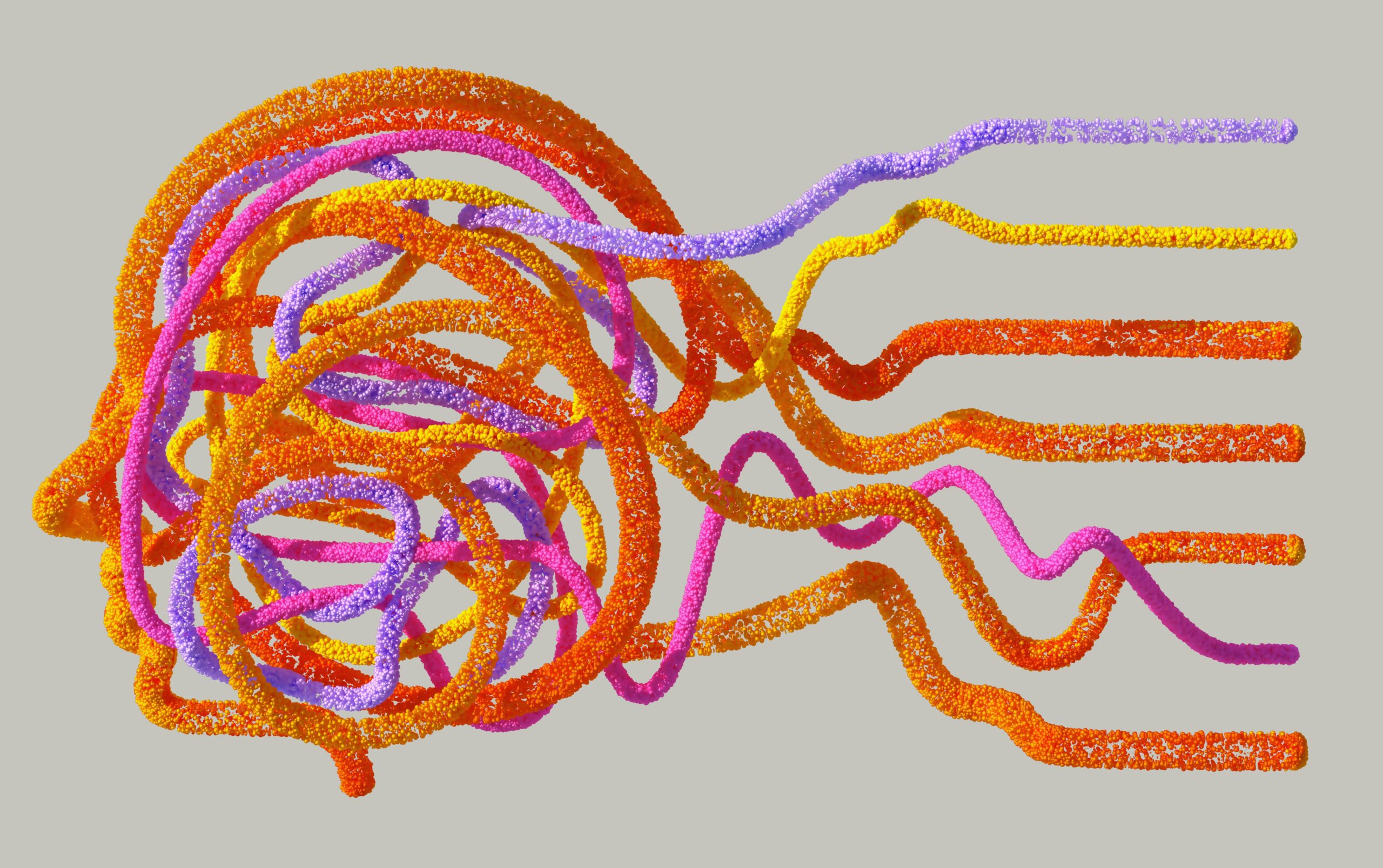
🌟 The Broader Picture: Consciousness, Creativity, and Human Flourishing
The study of brain entropy in psychedelic states ultimately illuminates fundamental questions about consciousness itself. Why does the brain normally constrain its own flexibility? How does the balance between order and chaos shape our experience of reality? What unrealized potentials exist within human consciousness?
Psychedelics serve as tools for investigating these questions experimentally. They demonstrate that ordinary consciousness represents just one configuration among many possible states—a particular balance point on the spectrum between order and entropy that evolution and culture have selected as generally adaptive.
But adaptiveness for everyday survival doesn’t exhaust human potential. Periodically shifting toward greater entropy may serve important functions: creative problem-solving when stuck in repetitive patterns, emotional processing and healing from trauma, spiritual experiences that provide meaning and perspective, or simply remembering that reality is far stranger and more wondrous than our default assumptions suggest.
The renaissance of psychedelic research represents more than new treatment options for mental illness. It offers glimpses into the extraordinary flexibility and potential of human consciousness—capacities that have always existed but are only now being understood through the convergence of ancient wisdom, subjective experience, and cutting-edge neuroscience. As this knowledge develops and integrates into society responsibly, it may contribute to a broader understanding of what it means to be human and how we might flourish more fully.