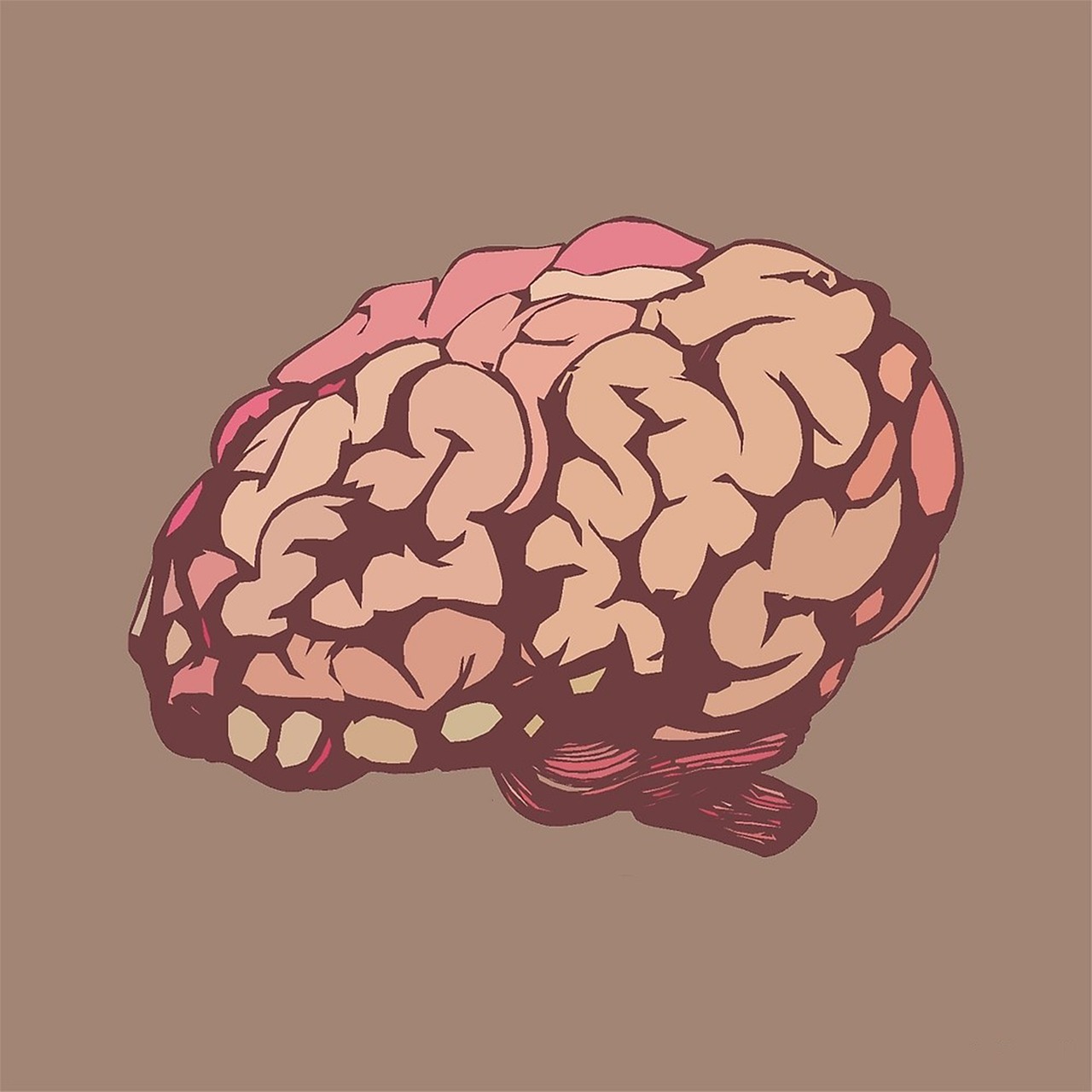
The ancient practice of meditation has captivated scientists and seekers alike for centuries. Today, modern neuroscience offers unprecedented insights into what happens inside our brains during these transformative states of consciousness.

As technology advances, researchers are peeling back the layers of mystery surrounding contemplative practices. Brain imaging techniques, electroencephalography, and biochemical analyses reveal fascinating patterns that occur when the mind enters deep meditative states. This intersection of ancient wisdom and cutting-edge science is revolutionizing our understanding of human consciousness and mental well-being.
🧠 The Neuroscience Revolution in Meditation Research
The scientific study of meditation has undergone a remarkable transformation over the past two decades. What was once dismissed as pseudoscience has emerged as a legitimate field of neuroscientific inquiry. Researchers at prestigious institutions worldwide now dedicate significant resources to understanding the neurological underpinnings of meditative states.
Functional magnetic resonance imaging (fMRI) has become the gold standard for observing real-time brain activity during meditation. These scans reveal dramatic changes in blood flow patterns, indicating shifts in neural activity across various brain regions. The technology allows scientists to observe which areas activate, deactivate, or synchronize during different contemplative practices.
Electroencephalography (EEG) provides complementary data by measuring electrical activity across the brain’s surface. This technique has proven particularly valuable for identifying specific brainwave patterns associated with different meditative states. From beta waves during normal waking consciousness to theta and delta waves in deeper states, these measurements offer a window into the neurological signature of contemplation.
Neural Networks and the Default Mode Network
One of the most significant discoveries in meditation neuroscience involves the default mode network (DMN). This network of brain regions becomes active when we’re not focused on external tasks—essentially when our minds wander. The DMN includes the medial prefrontal cortex, posterior cingulate cortex, and parts of the parietal lobe.
Studies consistently show that experienced meditators exhibit reduced activity in the DMN during practice. This decreased activation correlates with reports of diminished self-referential thinking and reduced mind-wandering. The quieting of this network may explain the sense of ego dissolution and present-moment awareness that practitioners describe.
Interestingly, the relationship between meditation and the DMN extends beyond practice sessions. Long-term meditators demonstrate altered DMN connectivity even during rest, suggesting that consistent practice literally rewires the brain’s default operating system. This neuroplasticity represents one of meditation’s most profound effects on brain structure and function.
Structural Changes in the Meditator’s Brain
Beyond functional changes, meditation induces measurable structural alterations in brain anatomy. Neuroimaging studies have documented increased gray matter density in regions associated with attention, emotional regulation, and self-awareness among experienced practitioners.
The hippocampus, crucial for memory formation and emotional processing, shows particularly notable growth in meditators. This enlargement may contribute to the enhanced emotional stability and improved memory function reported by long-term practitioners. Similarly, the anterior cingulate cortex, involved in attention and self-regulation, demonstrates increased thickness in those who meditate regularly.
Perhaps most remarkably, meditation appears to slow age-related brain atrophy. Research indicates that the brains of long-term meditators resemble those of significantly younger individuals. This neuroprotective effect suggests that contemplative practices may help preserve cognitive function throughout the lifespan.
🌊 Brainwave States and Consciousness Levels
Different meditative techniques induce distinct brainwave patterns, each corresponding to unique states of consciousness. Understanding these patterns helps demystify the subjective experiences reported by practitioners.
Beta waves (13-30 Hz) dominate during normal waking consciousness and active thinking. As meditation begins, alpha waves (8-12 Hz) typically emerge, indicating a relaxed yet alert state. This transition marks the shift from ordinary awareness to a more receptive, contemplative mode.
Deeper meditation often produces theta waves (4-8 Hz), associated with profound relaxation, creativity, and access to subconscious material. Some advanced practitioners can maintain awareness while generating predominantly theta activity—a state typically associated with drowsiness in non-meditators. This ability represents a unique form of consciousness cultivation.
The most profound meditative states may involve delta waves (0.5-4 Hz), normally seen only during deep sleep. Experienced meditators sometimes demonstrate the remarkable capacity to remain conscious while producing significant delta activity, suggesting access to extraordinarily deep levels of awareness.
Neurotransmitter Changes During Contemplation
Meditation’s effects extend beyond electrical patterns to include profound changes in brain chemistry. Various neurotransmitters and neurohormones shift dramatically during contemplative states, contributing to the psychological and physical benefits practitioners experience.
Gamma-aminobutyric acid (GABA), the brain’s primary inhibitory neurotransmitter, increases during meditation. This elevation helps explain the reduced anxiety and enhanced calm that characterize meditative states. Higher GABA levels correlate with decreased neural excitability and improved emotional regulation.
Serotonin production also appears enhanced by regular meditation practice. This neurotransmitter plays crucial roles in mood regulation, sleep quality, and overall emotional well-being. The serotonergic effects of meditation may contribute significantly to its antidepressant and anxiolytic properties.
Dopamine, associated with reward and motivation, shows interesting patterns during meditation. While some studies indicate increased dopamine release during practice, the relationship appears complex and may vary depending on the specific technique employed. This neurochemical shift might explain the sense of satisfaction and contentment meditators often describe.
The Prefrontal Cortex and Attention Regulation
The prefrontal cortex, particularly the dorsolateral prefrontal cortex, plays a central role in meditation’s effects on attention and executive function. This brain region governs higher-order cognitive processes including working memory, planning, and impulse control.
Focused attention meditation strengthens connections between the prefrontal cortex and other attention-related brain regions. This enhanced connectivity translates into improved sustained attention, greater cognitive flexibility, and superior ability to resist distractions. Brain scans reveal increased activation in these areas during both meditation and non-meditative tasks requiring concentration.
The lateral prefrontal regions also contribute to emotion regulation by modulating activity in the amygdala, the brain’s emotional alarm system. Meditation strengthens this top-down regulatory pathway, enabling practitioners to respond more skillfully to emotional challenges. This prefrontal-amygdala connection represents a key mechanism underlying meditation’s therapeutic benefits.
🔬 Compassion, Empathy, and the Social Brain
Loving-kindness and compassion meditation practices produce distinctive neural signatures related to prosocial emotions and empathy. These techniques specifically target brain networks involved in social cognition and emotional resonance with others.
The anterior insula and anterior cingulate cortex, regions associated with empathy and emotional awareness, show enhanced activation during compassion meditation. This increased activity correlates with subjective reports of heightened empathy and concern for others’ well-being. Long-term practitioners demonstrate structural changes in these areas, suggesting enduring transformation of empathic capacity.
Research using the Stroop task and other paradigms demonstrates that compassion meditation enhances the ability to detect others’ emotional states. Practitioners show increased accuracy in reading facial expressions and greater physiological resonance with observed emotions. These findings suggest that contemplative training can literally expand our capacity for human connection.
Stress Response Systems and Meditation
Meditation’s impact on stress physiology represents one of its most clinically significant effects. The practice fundamentally alters how the brain and body respond to stressful stimuli, promoting resilience and adaptive coping.
The hypothalamic-pituitary-adrenal (HPA) axis, the body’s primary stress response system, shows reduced reactivity in regular meditators. Studies document lower cortisol levels both at baseline and in response to stressors among practitioners. This dampened stress response may protect against the numerous health problems associated with chronic stress exposure.
The amygdala, often called the brain’s fear center, exhibits decreased volume and reduced reactivity in meditators. This structural and functional change corresponds to lower anxiety levels and greater emotional stability. Importantly, these alterations appear dose-dependent, with more extensive practice producing more pronounced effects.
The vagus nerve, a major component of the parasympathetic nervous system, shows increased tone in meditation practitioners. Enhanced vagal activity promotes relaxation, improves heart rate variability, and supports overall physiological resilience. This “rest and digest” activation counterbalances the modern tendency toward chronic sympathetic nervous system dominance.
Neuroplasticity and the Learning Brain
Meditation harnesses the brain’s remarkable capacity for neuroplasticity—its ability to reorganize and form new neural connections throughout life. This principle underlies meditation’s transformative potential and explains how consistent practice produces lasting changes.
Synaptic pruning and strengthening occur in response to meditative training, much as they do with any learned skill. Frequently activated neural pathways become more efficient and robust, while unused connections gradually weaken. This process sculpts the brain’s architecture in accordance with contemplative practice patterns.
Neurogenesis, the birth of new neurons, appears enhanced by meditation, particularly in the hippocampus. This cellular-level change may contribute to improved memory, learning capacity, and emotional regulation. The discovery that meditation promotes neurogenesis challenges earlier assumptions about fixed neural populations in adulthood.
📱 Technology Meets Tradition: Modern Meditation Tools
The digital age has democratized access to meditation instruction and support. Numerous smartphone applications now offer guided practices, progress tracking, and educational resources that make contemplative training more accessible than ever before.
Apps like Headspace combine traditional techniques with modern neuroscience insights, offering structured programs designed to cultivate specific mental qualities. These platforms provide valuable entry points for beginners and supplementary support for experienced practitioners.
Calm represents another popular meditation application that integrates scientific principles with accessible teaching methods. The app offers various meditation styles, sleep stories, and breathing exercises designed to address different aspects of mental well-being.
Insight Timer provides a vast library of guided meditations from teachers worldwide, along with timing tools for self-directed practice. The platform’s community features and diverse offerings cater to practitioners at all levels and with varied philosophical preferences.
Clinical Applications and Therapeutic Potential
The neuroscientific understanding of meditation has catalyzed its integration into mainstream healthcare. Evidence-based interventions now incorporate contemplative practices for treating various psychological and medical conditions.
Mindfulness-Based Stress Reduction (MBSR), developed by Jon Kabat-Zinn, represents the pioneering clinical application of meditation. Brain imaging studies of MBSR participants show changes in regions associated with attention, body awareness, and emotional regulation. These neural alterations correlate with clinical improvements in anxiety, depression, and chronic pain.
Mindfulness-Based Cognitive Therapy (MBCT) combines meditation with cognitive therapy principles to prevent depression relapse. Neuroimaging research demonstrates that MBCT modifies activity patterns in brain networks associated with rumination and negative thinking. The intervention’s effectiveness rivals that of antidepressant medication for preventing recurrent depression.
Trauma treatment increasingly incorporates meditation-based approaches, recognizing their potential to address the neurobiological dysregulation characteristic of post-traumatic stress. Practices that enhance present-moment awareness and body sensation tolerance may help reprocess traumatic memories and restore normal stress response functioning.
Individual Differences and Personalized Practice
Not all brains respond identically to meditation, and understanding individual differences helps optimize practice approaches. Genetic factors, personality traits, and prior experience all influence how the brain responds to contemplative training.
Baseline brain structure and function predict who might benefit most from specific practices. Individuals with higher default mode network activity might respond particularly well to focused attention techniques, while those with different neural profiles might find compassion practices more suitable. This emerging knowledge points toward personalized meditation prescriptions.
Gender differences in meditation’s neural effects have received increasing research attention. Some studies suggest women may show greater increases in gray matter density in certain regions, while men demonstrate different patterns. These findings remain preliminary but highlight the importance of considering biological diversity in contemplative neuroscience.
🎯 Practical Implications for Daily Life
Understanding meditation’s neuroscientific basis empowers practitioners to approach their practice with informed intentionality. Knowledge of brain mechanisms can enhance motivation, guide technique selection, and help troubleshoot challenges that arise during training.
Consistency appears more important than duration for producing lasting neural changes. Even brief daily sessions reliably induce neuroplastic adaptations when maintained over time. This finding makes meditation accessible to busy individuals who might feel overwhelmed by recommendations for lengthy practice periods.
Integrating informal mindfulness into daily activities extends practice benefits beyond dedicated sessions. Simple acts of present-moment awareness during routine tasks engage similar neural networks as formal meditation. This approach democratizes contemplative training and maximizes its transformative potential.
Future Frontiers in Contemplative Neuroscience
The field of contemplative neuroscience continues evolving rapidly, with emerging technologies and methodologies promising deeper insights. Advanced imaging techniques, artificial intelligence analysis, and longitudinal studies will refine our understanding of meditation’s brain effects.
Real-time neurofeedback represents an exciting frontier, allowing practitioners to observe their brain activity during meditation and adjust accordingly. This technology could accelerate learning, help overcome obstacles, and optimize practice for individual neural profiles. Early research suggests neurofeedback-enhanced meditation produces stronger and faster effects than traditional approaches alone.
The molecular and genetic mechanisms underlying meditation’s effects remain incompletely understood. Emerging research explores how contemplative practices influence gene expression, potentially explaining some of meditation’s long-term benefits. This epigenetic perspective might reveal how brief periods of practice can produce enduring changes in brain function and structure.
Bridging Ancient Wisdom and Modern Science
The convergence of contemplative traditions and neuroscience represents a profound cultural moment. Scientific validation of meditation’s benefits has sparked mainstream interest while raising important questions about preservation of traditional contexts and meanings.
Contemplative traditions offer sophisticated phenomenological maps of consciousness that complement neuroscientific findings. First-person accounts from experienced practitioners provide essential data that brain scans alone cannot capture. The most complete understanding emerges from integrating objective measurements with subjective experience.
Ethical considerations arise as meditation moves from spiritual contexts into secular applications. Questions about cultural appropriation, commercialization, and the potential dilution of profound practices demand thoughtful attention. The challenge lies in making meditation widely accessible while respecting its origins and maintaining transformative depth.

💡 Synthesizing Knowledge Into Practice
The neuroscientific investigation of meditation reveals that these ancient practices produce measurable, meaningful changes in brain structure and function. From altered neural networks to enhanced neuroplasticity, the evidence demonstrates that meditation represents genuine mental training with concrete biological correlates.
This knowledge empowers individuals to approach contemplative practice as a legitimate tool for self-development and healing. Understanding that meditation literally reshapes the brain can inspire commitment during inevitable challenging periods. The science validates what practitioners have known experientially for millennia—these practices fundamentally transform consciousness.
As research continues illuminating meditation’s mechanisms, opportunities expand for targeted interventions addressing specific conditions and populations. The future may bring personalized meditation protocols optimized for individual neural profiles, life circumstances, and therapeutic goals. This precision approach could maximize benefits while minimizing barriers to practice.
Ultimately, the marriage of neuroscience and contemplative practice enriches both domains. Science gains access to sophisticated consciousness exploration techniques developed over centuries, while meditation traditions receive validation and refinement through empirical investigation. This synergy promises continued discoveries about the extraordinary capabilities of the human mind and brain.