Have you ever experienced a moment where everything just clicks? Where time seems to disappear and your productivity soars to unprecedented heights? That magical state is called flow, and it might be the key to unlocking your brain’s full potential.

The modern world bombards us with distractions, fragmented attention, and cognitive overload. Yet, some individuals consistently achieve remarkable results, maintaining laser-sharp focus and producing exceptional work. Their secret weapon isn’t necessarily superior intelligence or endless hours of effort—it’s their ability to enter and sustain flow states. Understanding how to harness this neurological phenomenon can transform your cognitive performance, creativity, and overall life satisfaction.
🧠 Understanding Flow States: The Science Behind Peak Performance
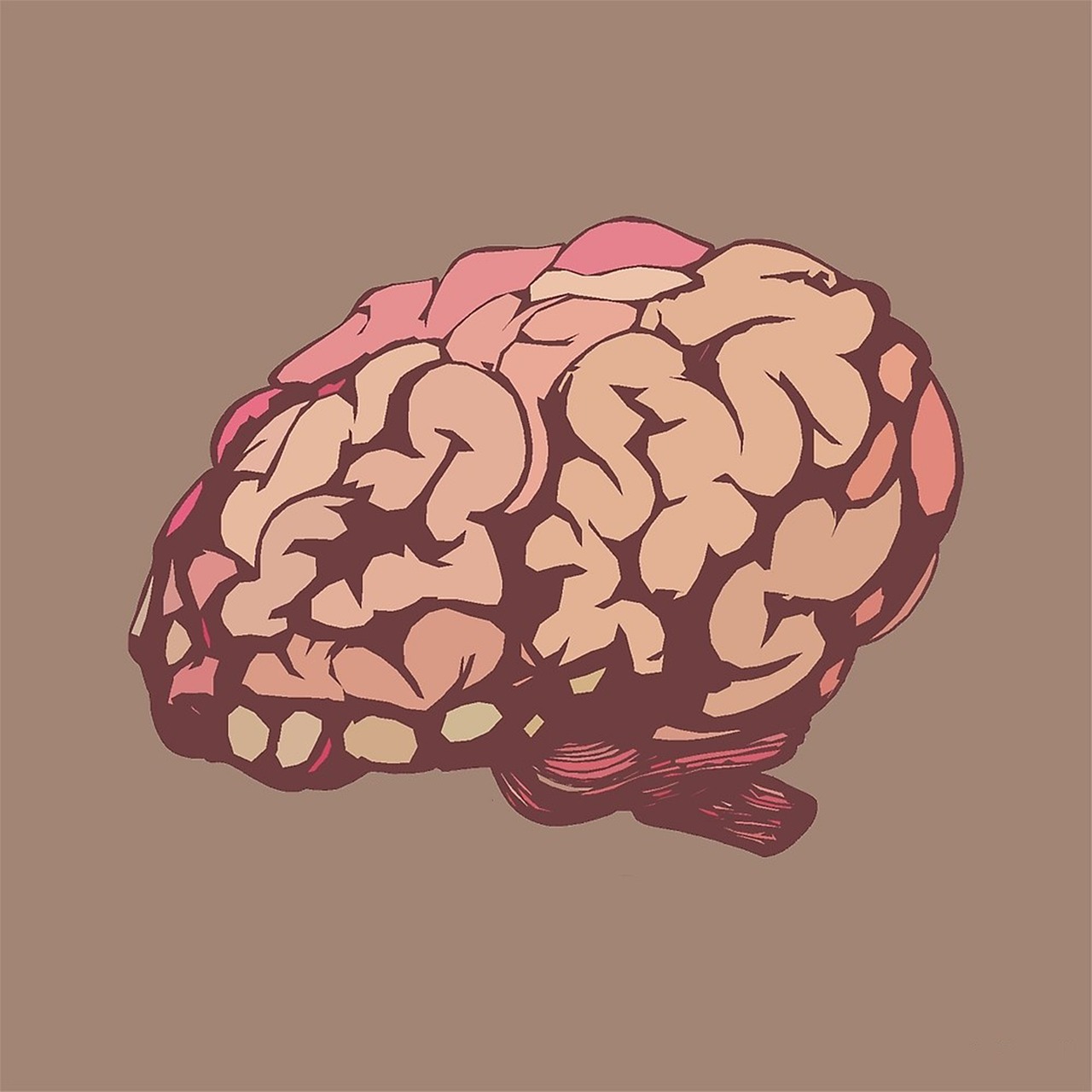
Flow states, first identified and named by psychologist Mihaly Csikszentmihalyi in the 1970s, represent a mental state where individuals become fully immersed in an activity. During flow, the prefrontal cortex—the brain region responsible for self-criticism and conscious thought—temporarily deactivates in a process called transient hypofrontality.
This neurological shift creates several profound effects on your cognitive abilities. Your sense of self-consciousness fades away, time perception distorts, and your performance reaches levels that would typically require significantly more effort. Research using fMRI technology has revealed that during flow states, your brain releases a powerful cocktail of neurochemicals including norepinephrine, dopamine, endorphins, anandamide, and serotonin.
These neurochemicals work synergistically to enhance pattern recognition, lateral thinking, muscle reaction times, and information processing speed. Studies conducted by McKinsey found that executives in flow states are five times more productive than their normal baseline. This isn’t marginal improvement—it’s transformational enhancement of human capability.
The Psychological Architecture of Flow
Flow states don’t occur randomly. They emerge when specific psychological conditions align perfectly. Csikszentmihalyi identified several core components that must be present for flow to manifest consistently.
The challenge-skill balance represents the most critical factor. When a task is too easy, boredom sets in. When it’s too difficult, anxiety takes over. Flow exists in that narrow channel where the challenge slightly exceeds your current skill level—typically by about 4%. This sweet spot keeps you engaged without overwhelming your cognitive resources.
Clear goals provide direction and structure to your efforts. Your brain needs to understand what success looks like to effectively allocate resources. Ambiguity kills flow because it forces your prefrontal cortex to remain active, constantly questioning and evaluating rather than allowing automatic performance to take over.
Immediate feedback creates a tight loop between action and consequence. Whether you’re coding and seeing results compile, playing music and hearing harmonies, or solving mathematical problems with clear right and wrong answers, this real-time information allows for seamless adjustment without conscious deliberation.
🎯 Identifying Your Flow Triggers
Not all activities or environments are equally conducive to flow states. Understanding your personal flow triggers can dramatically increase the frequency with which you experience this optimal state. Flow triggers fall into several categories that activate different neurological pathways.
Environmental triggers include high consequences (real or perceived), rich environments with novelty and unpredictability, and deep embodiment where full physical presence is required. These external factors push your nervous system toward heightened alertness and complete engagement.
Psychological triggers encompass intensely focused attention, clear goals, immediate feedback, and the challenge-skill balance previously mentioned. These internal factors align your mental resources toward singular purpose.
Social triggers activate during group flow experiences. Shared goals, equal participation, good communication, familiarity among participants, a degree of risk, and a sense of control all contribute to collective flow states that can be even more powerful than individual experiences.
Creative Triggers for Cognitive Enhancement
For knowledge workers and creative professionals, certain triggers prove particularly effective. Pattern recognition tasks that require connecting disparate pieces of information naturally promote flow. Problem-solving activities with multiple potential solutions engage the brain’s reward systems while maintaining appropriate challenge levels.
Time pressure, when calibrated correctly, can serve as a powerful flow trigger. The key lies in creating urgency without anxiety—a deadline that motivates rather than paralyzes. Many high performers deliberately construct artificial time constraints to activate this trigger intentionally.
Building Your Flow Practice: A Strategic Framework
Cultivating regular flow states requires deliberate practice and environmental design. Random occurrence isn’t sufficient if you want to harness flow for consistent peak performance. The following framework provides a systematic approach to flow cultivation.
Begin by tracking your natural flow experiences. Maintain a flow journal documenting when flow occurred, what you were doing, environmental conditions, your emotional state beforehand, and how long the experience lasted. After several weeks, patterns will emerge revealing your personal flow profile.
Design your environment to minimize interruptions and maximize engagement. This means more than simply turning off notifications. Create a dedicated workspace associated exclusively with deep work. Control lighting, temperature, and sound to match your optimal conditions. Some individuals flow best in complete silence, while others benefit from specific types of background music or ambient noise.
The Flow Preparation Ritual
Developing a consistent pre-flow ritual signals to your brain that deep work is imminent. This ritual might include specific breathing exercises, a particular beverage, arranging your workspace in a precise way, or a brief meditation session. The ritual itself matters less than the consistency—you’re creating a Pavlovian trigger for your nervous system.
Start your flow sessions with tasks at the easier end of your challenge-skill sweet spot. This builds momentum and confidence before tackling more demanding challenges. Think of it as a cognitive warm-up, similar to how athletes prepare their bodies before peak performance.
Set a clear, specific goal for each flow session. Rather than “work on project,” define precisely what success looks like: “complete the introduction section with three key arguments” or “solve problems 15-25 in the problem set.” This specificity provides the clear goals that flow requires.
⚡ Optimizing Your Neurochemistry for Flow
Your brain’s ability to enter and sustain flow states depends heavily on neurochemical balance. While the flow state itself generates powerful neurochemicals, you can optimize your baseline neurochemistry to make flow more accessible.
Sleep represents the foundation of cognitive performance. During deep sleep, your brain clears metabolic waste products, consolidates memories, and rebalances neurotransmitter systems. Chronic sleep deprivation makes flow states nearly impossible to achieve because your prefrontal cortex remains overactive, trying to compensate for depleted cognitive resources.
Exercise profoundly impacts flow accessibility. Cardiovascular exercise increases brain-derived neurotrophic factor (BDNF), which enhances neuroplasticity and information processing. Many high performers deliberately exercise before important cognitive work to prime their nervous systems for flow.
Nutrition affects neurotransmitter production and availability. The amino acid tyrosine, found in foods like almonds, avocados, and bananas, serves as a precursor to dopamine and norepinephrine—key flow neurochemicals. Omega-3 fatty acids support neural membrane function and signal transmission. Strategic nutrition timing can enhance cognitive performance during your flow sessions.
Technology and Flow: Navigating the Digital Paradox
Modern technology presents a paradox for flow states. Digital tools can either facilitate or destroy flow depending on how you deploy them. The constant connectivity that makes information abundant also creates unprecedented distraction.
Implement aggressive digital boundaries during flow sessions. Use app blockers to prevent access to social media, email, and messaging platforms. Place your phone in another room or in airplane mode. The mere presence of a smartphone, even when turned off, has been shown to reduce available cognitive capacity—a phenomenon researchers call “brain drain.”
Leverage technology strategically for flow enhancement. Productivity applications that track deep work sessions can provide motivation and accountability. Music streaming services offer flow-optimized playlists designed specifically for concentration. Some individuals benefit from focus-enhancing apps that use binaural beats or ambient soundscapes.
Digital Tools for Flow Tracking and Enhancement
Certain applications can help you measure, track, and optimize your flow experiences. Time-tracking software reveals patterns in your productivity and helps identify your peak performance windows. Brain-training applications, when used appropriately, can help develop the attentional control necessary for flow states.
Meditation apps provide guided practices that develop the focused attention required for flow. Regular mindfulness practice has been shown to increase baseline focus and make flow states more accessible. The key lies in using technology as a tool for enhancement rather than allowing it to become another source of distraction.
🚀 Advanced Flow Techniques for Sustained Peak Performance
Once you’ve established basic flow competency, advanced techniques can extend the duration and intensity of your flow experiences. These strategies require practice but offer exponential returns in cognitive performance.
Flow stacking involves linking multiple flow activities throughout your day. By moving from one flow-conducive activity directly into another, you maintain elevated neurochemical levels and heightened focus. A morning exercise session flows into creative work, which transitions into analytical problem-solving, creating a cascade of peak performance.
Microflow practices involve finding flow in small, everyday activities. Rather than reserving flow exclusively for major projects, cultivate the ability to enter brief flow states during routine tasks. This practice strengthens your flow muscles and makes the state more accessible when you need it for significant challenges.
Deliberate recovery prevents flow burnout. While flow feels effortless during the experience, it actually consumes significant cognitive resources. Schedule recovery periods between intense flow sessions. These might include light physical activity, social connection, or complete mental rest.
Flow States and Creative Problem-Solving
Flow states offer unique advantages for creative and innovative thinking. The transient hypofrontality that characterizes flow temporarily reduces activity in the dorsolateral prefrontal cortex—the brain region responsible for executive function and impulse control but also for self-criticism and rigid thinking patterns.
This neural shift allows for enhanced pattern recognition and lateral thinking. Ideas that might normally be dismissed as impractical or unconventional receive consideration. Remote associations become more apparent, leading to breakthrough insights and novel solutions to complex problems.
Many breakthrough innovations throughout history have emerged during flow states. The structure of benzene, the theory of relativity, and countless artistic masterpieces originated during moments of complete absorption and optimal cognitive function.
🎨 Cultivating Flow in Different Life Domains
Flow principles apply beyond professional work. Cultivating flow across multiple life domains creates a more integrated and fulfilling existence while developing your overall flow capacity.
Physical flow through sports, dance, or martial arts develops body awareness and the ability to respond fluidly to changing conditions. These physical practices often serve as gateways to cognitive flow, building neural pathways that transfer to mental tasks.
Social flow in conversations, collaborative projects, or team activities develops interpersonal sensitivity and adaptive communication. Group flow experiences can be more powerful than individual flow, as the collective energy and synchronization amplify the neurochemical response.
Contemplative flow through meditation, artistic creation, or nature immersion develops present-moment awareness and reduces the constant mental chatter that prevents flow in other domains. These practices serve as both flow experiences themselves and training for flow in more demanding contexts.
Overcoming Common Flow Obstacles
Even with optimal conditions and preparation, obstacles inevitably arise. Understanding common flow blockers allows you to address them proactively rather than accepting reduced performance as inevitable.
Self-consciousness represents one of the most pervasive flow killers. When you become aware of your performance and begin evaluating yourself, the prefrontal cortex reactivates and flow dissipates. Combat this through extensive preparation that builds confidence and through mindfulness practices that develop the ability to observe thoughts without engaging them.
Perfectionism creates anxiety that exceeds the challenge-skill balance required for flow. When standards become unrealistic, tasks feel overwhelming rather than engaging. Address perfectionism by focusing on process rather than outcome and by deliberately practicing “good enough” in low-stakes situations.
Environmental chaos—whether physical clutter, digital notifications, or interpersonal interruptions—fragments attention and prevents the sustained focus flow requires. Create clear boundaries and optimize your environment systematically rather than hoping for flow despite suboptimal conditions.
💡 The Long-Term Flow Lifestyle
Transforming occasional flow experiences into a consistent lifestyle requires sustained commitment and systematic optimization. This long-term approach yields compounding benefits as your brain becomes increasingly efficient at entering flow states.
Develop meta-awareness of your cognitive states throughout the day. Notice when you’re in flow, approaching flow, or far from it. This awareness allows for real-time adjustments rather than passive acceptance of suboptimal states. Over time, you’ll develop an intuitive sense of how to nudge yourself toward flow when conditions are right.
Build a lifestyle architecture that supports frequent flow opportunities. This means protecting large blocks of uninterrupted time, saying no to commitments that fragment your attention, and surrounding yourself with people who respect and support deep work. Your environment and schedule should make flow the path of least resistance rather than a constant battle.
Continuously calibrate your challenge-skill balance as your abilities develop. What induced flow six months ago may now feel routine and boring. Progressive challenge ensures that flow remains accessible as you grow. This requires honest self-assessment and willingness to venture outside comfort zones.
Measuring Your Flow Progress
Quantifying flow experiences helps maintain motivation and identifies areas for optimization. While flow itself is subjective, several metrics can track your progress over time.
Track flow frequency by counting the number of flow sessions per week. Aim for gradual increases as you optimize triggers and conditions. Duration metrics reveal whether you’re extending your flow sessions over time. Most people begin with brief flow windows that expand with practice.
Depth assessment involves rating flow intensity on a subjective scale. Not all flow experiences are equal—some involve complete time dissolution and effortless action while others represent lighter engagement. Understanding this variance helps you identify conditions that produce the deepest states.
Output quality and quantity during flow sessions compared to normal work provides objective evidence of flow’s impact. Many individuals find they produce more in three hours of flow than in eight hours of regular work, with higher quality results.

🌟 Unleashing Your Cognitive Potential
Flow states represent more than productivity enhancement or performance optimization. They offer a glimpse of human potential operating at its highest level. The sense of effortless action, expanded capability, and deep satisfaction that characterizes flow suggests that we typically operate far below our true capacity.
By systematically cultivating flow, you’re not just accomplishing more—you’re fundamentally transforming your relationship with challenge, growth, and human capability. The skills developed through flow practice transfer across domains, enhancing not just work performance but overall life quality and satisfaction.
Your brain possesses extraordinary capacity for focus, creativity, and performance. Flow states provide the key to unlocking these capabilities consistently rather than experiencing them as rare accidents. The journey requires patience, experimentation, and commitment, but the rewards—in productivity, fulfillment, and self-actualization—justify the investment many times over.
Begin where you are with what you have. Notice your existing flow experiences, optimize one environmental factor, or implement a single flow trigger. Small, consistent actions compound over time, gradually transforming occasional peak experiences into your new baseline. Your brain’s full potential awaits—flow states provide the pathway to reach it.