Every night, our minds embark on extraordinary journeys through landscapes that defy physical laws, where time bends and reality shifts in mesmerizing ways. 🌙

These nocturnal adventures occur during REM sleep, a peculiar state of consciousness that has captivated scientists, psychologists, and philosophers for decades. Understanding this mysterious phase of sleep opens doors to comprehending altered states of consciousness, creative problem-solving, emotional processing, and perhaps even the nature of consciousness itself.
The Neurological Architecture of REM Sleep 🧠
REM (Rapid Eye Movement) sleep represents one of the most fascinating paradoxes in neuroscience. During this stage, the brain exhibits activity patterns remarkably similar to waking consciousness, yet the body remains paralyzed—a safety mechanism preventing us from physically acting out our dreams.
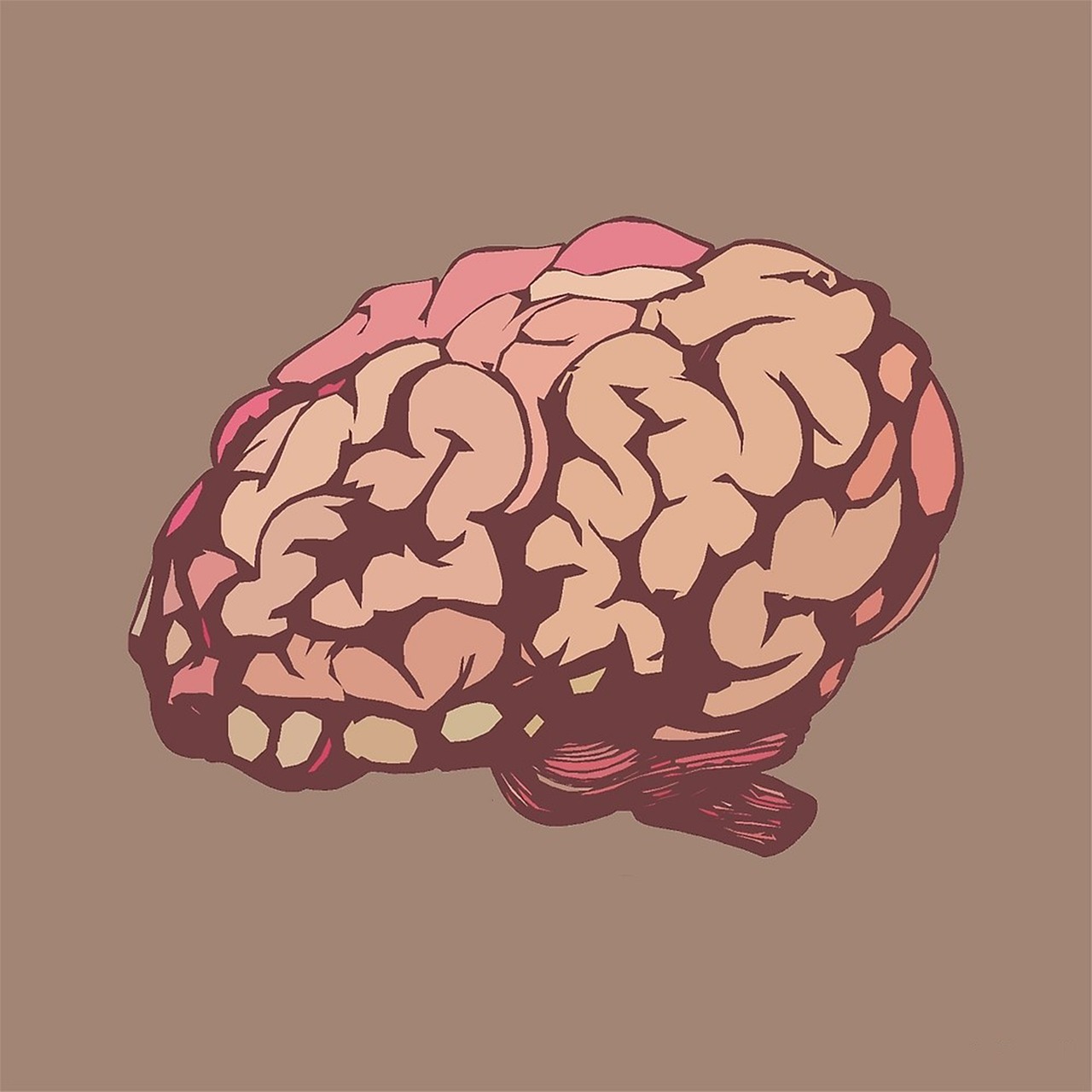
The transition into REM sleep involves complex neurochemical changes. The brain stem activates specific regions while simultaneously inhibiting others, creating a unique neurological environment. The prefrontal cortex, responsible for logical reasoning and self-awareness, reduces activity dramatically. Meanwhile, the amygdala and hippocampus—centers for emotion and memory—become highly active.
This neurological configuration creates the perfect conditions for experiencing altered states of consciousness. The reduced prefrontal activity explains why dream logic seems perfectly reasonable while we’re experiencing it, even when flying purple elephants appear or we suddenly find ourselves in impossible situations.
The Chemistry Behind the Dreamscape
The neurochemical environment during REM sleep differs substantially from both waking consciousness and other sleep stages. Acetylcholine levels surge, promoting vivid sensory experiences and memory consolidation. Simultaneously, norepinephrine and serotonin—neurotransmitters that help maintain rational thought and emotional regulation—drop to minimal levels.
This unique chemical cocktail facilitates the bizarre, emotionally charged, and highly associative thinking characteristic of dreams. It’s essentially a naturally occurring altered state, comparable in some ways to experiences induced by certain psychoactive substances, but entirely self-generated by the sleeping brain.
REM Sleep Cycles: The Nightly Rhythm of Consciousness Transformation ⏰
Throughout the night, we cycle through different sleep stages approximately every ninety minutes. REM periods grow progressively longer with each cycle, starting at just ten minutes in the first cycle and extending to thirty minutes or more in the final cycles before waking.
This cyclical pattern suggests that REM sleep serves multiple essential functions, with different purposes accomplished during various cycles throughout the night. The early, brief REM periods may focus on essential memory consolidation, while later, extended periods might facilitate more complex emotional processing and creative problem-solving.
The First-Night Effect and Dreamscape Familiarity
Interestingly, sleeping in unfamiliar environments typically disrupts REM sleep patterns—a phenomenon called the “first-night effect.” This adaptation mechanism kept our ancestors alert to potential dangers, but it also demonstrates how environmental factors influence our access to these altered states of consciousness.
Regular sleep environments, comfortable temperatures, and consistent sleep schedules optimize REM sleep quality and duration, thereby enhancing our ability to explore these natural altered states fully.
Dreams as Portals to Altered Consciousness 🚪
Dreams during REM sleep represent perhaps the most accessible form of altered consciousness available to humans. Unlike meditation, hypnosis, or substance-induced states, dreaming requires no special training, guidance, or external agents—it happens automatically, every night, for every person.
The phenomenology of dreaming shares remarkable similarities with other altered states. Time distortion, synesthesia, unusual thought patterns, emotional intensity, and encounters with seemingly autonomous entities all occur regularly in dreams, just as they do in various meditative or psychedelic experiences.
The Spectrum of Dream Consciousness
Not all dreams offer the same depth of altered consciousness. The spectrum ranges from vague, fragmented impressions to extraordinarily vivid, coherent experiences that feel more real than waking life. Several factors influence where on this spectrum a particular dream falls:
- Duration of the REM period (longer periods typically produce more complex dreams)
- Sleep quality and depth in preceding stages
- Emotional state before sleep
- Recent experiences and unresolved concerns
- Individual neurological differences and dream recall ability
Lucid Dreaming: Conscious Navigation of the Dreamscape 💡
Lucid dreaming represents a unique hybrid state where dreamers become aware they’re dreaming while remaining asleep. This metacognitive awareness transforms passive dream observation into active exploration, offering unprecedented opportunities to study consciousness from within an altered state.
Research indicates that during lucid dreams, the prefrontal cortex shows increased activity compared to regular REM sleep—though still not to waking levels. This partial reactivation of executive function allows for self-reflection and intentional action while maintaining the dream environment’s fluid, symbolic nature.
Techniques for Accessing Lucid Dreams
Numerous methods can increase the likelihood of achieving lucidity during REM sleep. Reality testing involves regularly questioning whether you’re dreaming during waking hours, establishing a habit that eventually transfers into dreams. Wake-back-to-bed techniques capitalize on extended REM periods in later sleep cycles by briefly waking after several hours, then returning to sleep with lucid awareness as an intention.
Mnemonic induction of lucid dreams (MILD) uses prospective memory and intention-setting before sleep. Practitioners tell themselves, “Next time I’m dreaming, I will remember I’m dreaming,” creating a mental framework that activates during REM sleep.
The Therapeutic Potential of REM Sleep States 🌟
Modern psychology increasingly recognizes REM sleep’s crucial role in emotional regulation and trauma processing. During these altered states, the brain can reprocess difficult experiences within a safe, neurochemically unique environment where emotional intensity can be explored without the typical stress response.
This natural therapeutic process explains why sleep deprivation, particularly REM deprivation, so profoundly affects emotional stability and mental health. Without adequate access to these altered consciousness states, emotional material accumulates without proper integration.
Dreams and PTSD Treatment
Post-traumatic stress disorder often involves disrupted REM sleep patterns and recurring nightmares. Innovative therapies like Imagery Rehearsal Therapy work by consciously reshaping nightmare content during waking hours, then allowing this revised narrative to influence subsequent REM experiences.
Some researchers propose that REM sleep dysfunction lies at the heart of PTSD symptomology. The traumatic memory cannot be properly processed into integrated autobiographical memory because the normal REM consolidation process is disrupted. Restoring healthy REM patterns becomes essential for recovery.
Creativity and Problem-Solving in the Dreamscape 🎨
History overflows with examples of breakthrough insights occurring during dreams. Dmitri Mendeleev reportedly envisioned the periodic table’s structure in a dream. Paul McCartney heard the melody for “Yesterday” while sleeping. Mary Shelley conceived Frankenstein through a vivid nightmare.
These aren’t mere coincidences. REM sleep facilitates a type of thinking fundamentally different from waking cognition. The reduced prefrontal control allows remote associations to form freely, connecting ideas that logical, linear thinking would never link. This associative thinking style perfectly suits creative problem-solving and artistic inspiration.
Hypnagogic and Hypnopompic States
The transitions into and out of sleep—hypnagogic and hypnopompic states respectively—offer their own unique forms of altered consciousness. These liminal states blend elements of waking awareness with dream-like imagery and thought patterns, creating fertile ground for creative insights.
Thomas Edison famously exploited hypnagogic states by holding ball bearings while napping in a chair. As he drifted off, his relaxing hands would drop the bearings, waking him at the precise moment when creative, associative thinking was most active but before full sleep consciousness took over.
REM Sleep Across Cultures and Traditions 🌍
Various cultures throughout history have recognized dreams and sleep states as gateways to important knowledge, spiritual experiences, and healing. Indigenous Australian cultures consider the Dreamtime a fundamental reality underlying ordinary existence. Ancient Greeks practiced dream incubation at temples dedicated to Asclepius, the healing god, seeking medical guidance through dreams.
Tibetan Buddhism includes sophisticated practices for maintaining awareness during sleep and dreams, viewing these states as opportunities for spiritual development and insight into consciousness’s nature. The Yoga Nidra tradition similarly explores consciousness at the boundaries of sleep and waking.
Modern Rediscovery of Ancient Wisdom
Contemporary neuroscience increasingly validates what contemplative traditions have long maintained: sleep states offer valuable opportunities for self-exploration and consciousness study. The scientific investigation of REM sleep bridges ancient wisdom and modern understanding, creating new possibilities for both fields.
Technology and the Future of Dream Exploration 🔬
Emerging technologies promise to revolutionize our ability to explore and even communicate during REM sleep states. Recent experiments have demonstrated two-way communication with lucid dreamers using eye movements and facial muscle signals. Dreamers successfully answered mathematical questions and followed instructions while remaining asleep.
Brain imaging technologies continue advancing, offering increasingly detailed views of neural activity during different dream states. This data helps researchers understand the neurological basis of various dream phenomena and altered consciousness characteristics.
Ethical Considerations and Future Possibilities
As technology for accessing and potentially influencing dreams develops, important ethical questions emerge. Should dream content be considered private mental space, protected from observation or interference? Could dream manipulation technologies be misused? How might enhanced dream exploration affect psychological wellbeing?
These questions require careful consideration as we develop more sophisticated methods for engaging with REM sleep states. The potential benefits for therapy, creativity, and consciousness research must be balanced against privacy concerns and potential psychological risks.
Optimizing Your Own REM Sleep Experience 😴
Understanding REM sleep’s importance naturally leads to the question: how can we optimize these experiences for personal growth, creativity, and wellbeing? Several evidence-based approaches can enhance both REM sleep quality and dream recall.
Maintaining consistent sleep schedules proves crucial. The body’s circadian rhythm optimizes different sleep stages at specific times, with REM sleep particularly concentrated in the later morning hours. Sleeping and waking at consistent times allows this natural rhythm to function optimally.
Environmental and Lifestyle Factors
Sleep environment significantly impacts REM quality. Cool temperatures (around 65-68°F or 18-20°C) support better sleep architecture. Darkness promotes melatonin production, while minimizing noise disturbances prevents unnecessary sleep fragmentation that particularly affects REM periods.
Certain substances interfere with REM sleep despite potentially aiding sleep onset. Alcohol suppresses REM sleep significantly, as do many sleep medications. Cannabis similarly reduces REM sleep, which explains the vivid dreams often reported when regular users discontinue consumption—REM rebound as the brain compensates for prolonged suppression.
Integrating Dreamscape Insights into Waking Life 📝
Exploring altered states during REM sleep offers limited value if insights gained remain isolated from waking consciousness. Dream journaling bridges this gap, capturing fleeting dream memories before they fade and creating a record for pattern recognition over time.
The practice need not be elaborate. Simply keeping paper and pen bedside and recording even brief fragments immediately upon waking strengthens dream recall generally. Over time, recurring themes, symbols, and emotional patterns emerge, offering valuable self-knowledge.
Active Imagination and Dream Work
Carl Jung’s active imagination technique extends dream exploration into waking hours. By consciously re-engaging with dream imagery, characters, and narratives while awake, practitioners continue the integrative work begun during REM sleep. This approach treats dream figures as autonomous aspects of the psyche worthy of dialogue and understanding.
Modern approaches to dream work incorporate insights from neuroscience while maintaining respect for dreams’ symbolic and emotional significance. Understanding that dreams reflect memory consolidation, emotional processing, and threat simulation doesn’t diminish their potential for personal insight—it enhances it by providing context for interpretation.

The Consciousness Continuum: Waking, Sleeping, and Beyond 🌈
Studying REM sleep as an altered state of consciousness reveals something profound: consciousness exists along a continuum rather than in discrete categories. The boundary between waking and sleeping consciousness proves far more permeable than everyday experience suggests.
This understanding has implications extending well beyond sleep science. It suggests that consciousness’s nature might be more fluid, malleable, and multifaceted than conventional models propose. Each night, we naturally access states that share properties with meditation, hypnosis, and even psychedelic experiences—all without leaving our beds.
REM sleep represents democracy’s ultimate form in consciousness exploration. Regardless of resources, training, or beliefs, every person regularly accesses these altered states. By learning to recognize, remember, and integrate these experiences, we unlock extraordinary potential for creativity, emotional healing, self-understanding, and consciousness exploration.
The dreamscape awaits each night, offering adventures in altered consciousness that require only sleep—and perhaps a bit of intentional awareness—to fully appreciate. As science continues illuminating REM sleep’s mysteries, we discover that some of consciousness’s most profound territories lie not in exotic practices or substances, but in the natural, nightly journeys we’ve been taking all along. ✨