The human mind possesses extraordinary capacities beyond ordinary waking consciousness. Throughout history, cultures worldwide have developed sophisticated methods to access altered states of awareness, seeking spiritual insight, healing, and transformation through diverse pathways.

From ancient shamanic ceremonies to modern neuroscience laboratories, the quest to understand and harness altered states of consciousness continues to fascinate researchers, spiritual seekers, and healthcare professionals. These experiences represent profound shifts in perception, cognition, and emotional processing that can fundamentally reshape our understanding of reality and consciousness itself.
🧠 The Neuroscience Behind Altered States of Consciousness
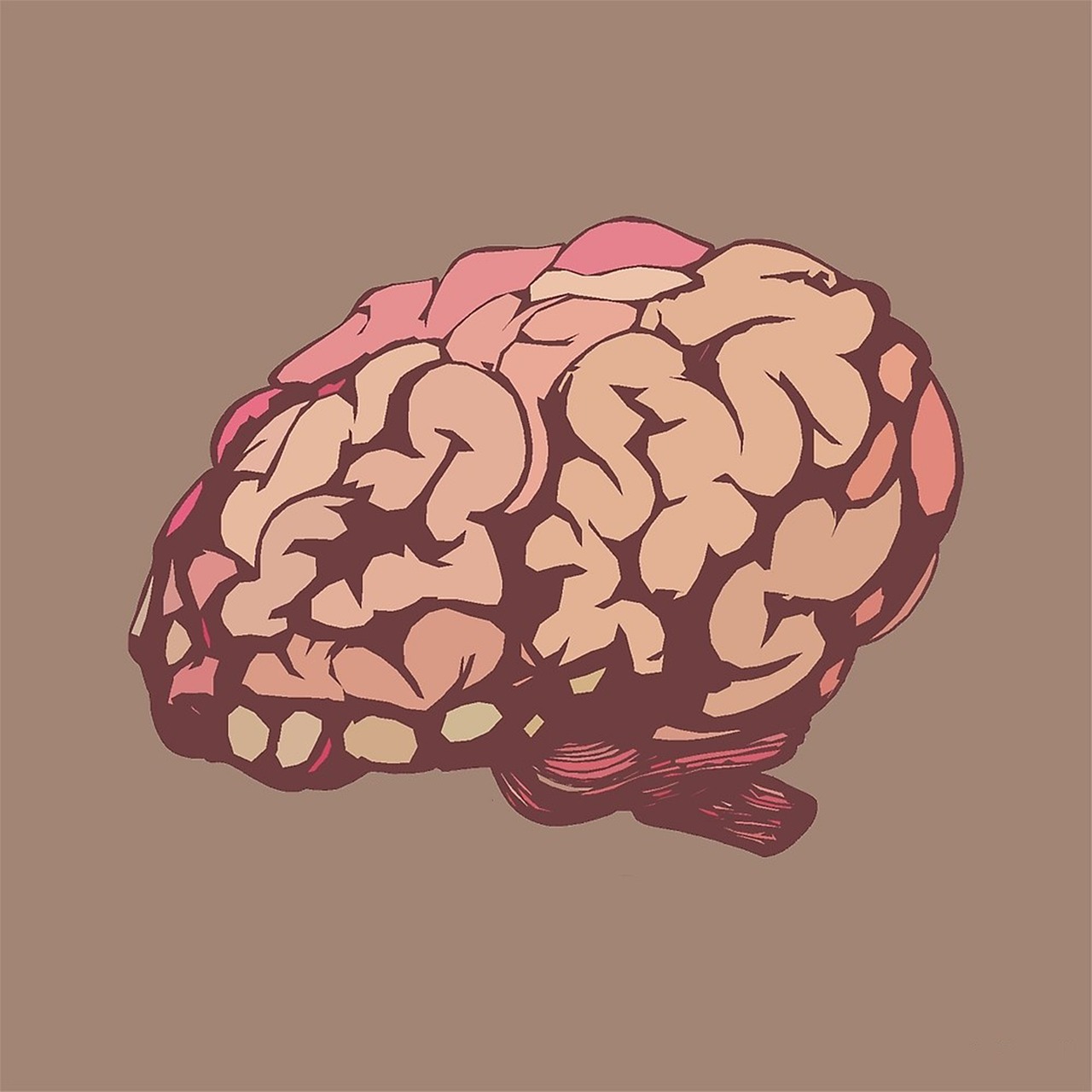
Altered states of consciousness represent significant departures from normal waking awareness, characterized by changes in brain wave patterns, neurotransmitter activity, and neural connectivity. Modern neuroimaging techniques have revealed that these states involve decreased activity in the default mode network, the brain region responsible for self-referential thinking and ego maintenance.
Research utilizing fMRI and EEG technology demonstrates that whether induced through meditation, psychedelics, or sensory deprivation, altered states share common neurological signatures. These include increased theta and gamma wave activity, enhanced connectivity between normally segregated brain regions, and reduced activity in the prefrontal cortex associated with executive function and self-monitoring.
The dissolution of typical brain organization patterns allows for novel connections and insights that remain inaccessible during ordinary consciousness. This neuroplasticity may explain the therapeutic potential of altered states for conditions like depression, anxiety, and post-traumatic stress disorder.
Sacred Rituals: Ancient Doorways to Transcendence
Indigenous cultures have refined ritual practices over millennia to reliably induce altered consciousness. These ceremonies typically combine multiple modalities including rhythmic drumming, chanting, dance, fasting, and controlled breathing to create powerful transformative experiences.
Rhythmic Entrainment and Sonic Induction
Repetitive drumming at specific frequencies, typically between 4-7 Hz corresponding to theta brain waves, serves as a primary vehicle for consciousness alteration in many traditions. Shamanic practitioners worldwide use this technique to journey to non-ordinary realms, accessing information and healing energies unavailable to normal awareness.
The neurological mechanism involves auditory driving, where rhythmic stimulation synchronizes brain wave patterns across multiple regions. This entrainment effect creates coherence between sensory cortices and deeper limbic structures, facilitating emotional release and visionary experiences.
Movement-Based Practices and Ecstatic Dance
Whirling dervishes, Indigenous dance ceremonies, and ecstatic movement practices demonstrate how sustained physical activity can induce profound consciousness shifts. The combination of repetitive motion, focused intention, and often circular patterns creates dizziness and disorientation that breaks down ordinary perceptual frameworks.
These practices activate the vestibular system while flooding the body with endorphins and endocannabinoids, natural compounds that produce euphoric states and altered perception. The resulting experiences often feature feelings of unity, spiritual connection, and profound insight into existential questions.
🔬 Technological Pathways to Modified Awareness
Contemporary technology offers unprecedented tools for consciousness exploration, building upon ancient wisdom while incorporating cutting-edge neuroscience. These innovations democratize access to altered states while providing precise control over the induction process.
Binaural Beats and Brainwave Entrainment
Binaural beat technology presents slightly different frequencies to each ear, creating a perceived third frequency equal to the mathematical difference. When this differential frequency matches desired brain wave patterns, neural entrainment occurs, guiding consciousness toward specific states.
Studies indicate that binaural beats can facilitate deep meditation, enhance creativity, improve sleep quality, and reduce anxiety. Delta frequencies (1-4 Hz) promote deep sleep and healing, theta waves (4-8 Hz) encourage meditative states and creativity, alpha rhythms (8-13 Hz) induce relaxed alertness, while beta patterns (13-30 Hz) enhance focus and concentration.
Sensory Deprivation and Flotation Therapy
Isolation tanks eliminate external sensory input by suspending the body in body-temperature saltwater within soundproof, lightless chambers. This radical reduction of stimulation produces profound consciousness alterations as the brain, deprived of its usual environmental inputs, begins generating its own internal experiences.
Research demonstrates that flotation therapy reduces stress hormones, decreases pain perception, enhances creativity, and produces experiences comparable to meditation. Extended sessions may induce hallucinations, out-of-body sensations, and mystical experiences as consciousness turns inward without external anchoring.
Virtual Reality and Immersive Technologies
Modern VR platforms create entirely synthetic environments that can profoundly alter perception and consciousness. By hijacking sensory systems with convincing artificial inputs, these technologies demonstrate consciousness’s malleability and dependence on sensory information for constructing reality.
Therapeutic applications include exposure therapy for phobias, pain management, and facilitation of peak experiences through carefully designed immersive environments. Some researchers explore VR’s potential for simulating psychedelic experiences or mystical states without pharmacological intervention.
💊 Pharmacological Gateways: Chemistry and Consciousness
Psychoactive substances represent humanity’s oldest tools for consciousness exploration, with archaeological evidence dating back thousands of years. These compounds work by modulating neurotransmitter systems, particularly serotonin, dopamine, and GABA pathways, producing dramatic perceptual and cognitive shifts.
Classical Psychedelics: Serotonergic Pathways
Compounds like psilocybin, LSD, and DMT primarily activate serotonin 2A receptors, disrupting normal information processing and enabling novel brain connectivity patterns. Contemporary research demonstrates remarkable therapeutic efficacy for treatment-resistant depression, addiction, and end-of-life anxiety.
The psychedelic experience typically progresses through several phases: onset anxiety, ego dissolution, peak mystical experience, and integration. Neuroimaging reveals decreased default mode network activity, explaining the characteristic loss of self-boundary and sense of unity with surroundings.
Set and setting—mindset and environmental context—critically influence outcomes. Clinical applications utilize careful preparation, supportive environments, and post-experience integration therapy to maximize therapeutic benefit while minimizing risks.
Dissociatives and NMDA Antagonism
Ketamine and related compounds block NMDA glutamate receptors, producing dissociative states characterized by feelings of detachment from body and environment. Recent FDA approval of ketamine for depression treatment represents mainstream medicine’s recognition of altered states’ therapeutic potential.
The dissociative experience often includes out-of-body sensations, time distortion, and profound philosophical insights. At higher doses, complete ego dissolution and experiences described as death and rebirth occur, which may facilitate perspective shifts that alleviate depression and existential distress.
Entactogens: MDMA and Emotional Connection
MDMA produces distinctive consciousness alterations characterized by enhanced empathy, emotional openness, and feelings of connection. Breakthrough Phase 3 trials demonstrate extraordinary efficacy for PTSD treatment, with many participants no longer meeting diagnostic criteria after MDMA-assisted therapy.
The compound’s mechanism involves massive serotonin, dopamine, and oxytocin release, creating a unique consciousness state that combines stimulation, emotional warmth, and reduced fear response. This neurochemical profile allows trauma processing without overwhelming anxiety.
⚖️ Integrating Ancient Wisdom with Modern Science
The most promising approach to consciousness exploration involves synthesizing traditional practices with contemporary understanding. Indigenous knowledge holders emphasize preparation, intention-setting, and integration—elements increasingly recognized as critical in clinical research protocols.
Ceremonial contexts provide social support, meaning-making frameworks, and ritual structure that enhance safety and therapeutic outcomes. Modern applications benefit from incorporating these elements alongside scientific rigor, medical screening, and evidence-based therapy techniques.
The Role of Preparation and Integration
Successful altered state experiences require careful preparation addressing expectations, fears, and intentions. Integration work—processing and applying insights gained—proves equally crucial for translating extraordinary experiences into lasting positive changes.
Therapeutic models now emphasize extended preparation sessions establishing trust, clarifying intentions, and educating participants about expected experiences. Post-experience integration may involve psychotherapy, journaling, community support, and gradual implementation of insights into daily life.
🌟 Therapeutic Applications and Healing Potential
Clinical research increasingly validates altered states’ therapeutic potential across numerous conditions. Depression, anxiety disorders, addiction, PTSD, and end-of-life distress show remarkable responsiveness to interventions utilizing consciousness modification.
The mechanisms underlying therapeutic efficacy appear multifaceted: neuroplasticity enabling new neural pathways, psychological flexibility from ego dissolution, emotional catharsis, mystical experiences conferring lasting meaning, and enhanced suggestibility facilitating therapeutic interventions.
Mental Health and Psychiatric Applications
Treatment-resistant depression responds particularly well to psychedelic-assisted therapy, with single sessions producing sustained symptom reduction lasting months or years. The experience’s intensity and mystical quality correlate with therapeutic outcomes, suggesting that consciousness alteration itself drives healing.
Addiction treatment benefits from altered states facilitating perspective shifts that enable breaking habitual patterns. Studies show promising results for alcohol, tobacco, and opioid dependence using psychedelic therapy combined with counseling and support.
Personal Growth and Self-Actualization
Beyond clinical applications, altered states facilitate personal development, creativity enhancement, and spiritual growth. Experiences of unity, transcendence, and interconnection often produce lasting increases in life satisfaction, purpose, and prosocial behavior.
Creative professionals report enhanced problem-solving abilities, novel perspectives, and artistic inspiration following consciousness exploration. The dissolution of habitual thought patterns allows fresh approaches to persistent challenges.
Navigating Risks and Ensuring Safety
While altered states offer profound benefits, they also carry risks requiring careful consideration and harm reduction strategies. Psychological vulnerabilities, medical contraindications, and environmental factors significantly impact safety and outcomes.
Screening protocols should exclude individuals with psychosis risk, severe trauma without adequate support, cardiovascular conditions, or taking contraindicated medications. Supervision by trained professionals in controlled settings dramatically reduces adverse event likelihood.
Psychological Considerations and Contraindications
Personal or family history of schizophrenia or bipolar disorder constitutes strong contraindications for psychedelic use due to psychosis precipitation risk. Unresolved trauma may surface unexpectedly during altered states, requiring therapeutic support for safe processing.
Adequate preparation addressing fears and establishing trust with facilitators or therapists provides psychological safety enabling surrender to experiences rather than fearful resistance that often precipitates difficult episodes.
The Future Landscape of Consciousness Exploration
Convergence between ancient traditions, modern neuroscience, and emerging technologies promises revolutionary developments in consciousness research and applications. Decriminalization initiatives, regulatory reforms, and mainstream acceptance are rapidly transforming this once-marginalized field.
Advanced neuroimaging will clarify mechanisms underlying altered states, enabling optimization of induction methods and therapeutic protocols. Personalized approaches matching individuals with optimal modalities based on neurobiology, psychology, and preferences will enhance outcomes while minimizing risks.
Integration of consciousness exploration into healthcare, education, and personal development contexts may fundamentally transform society’s relationship with mental health, spirituality, and human potential. The recognition that consciousness itself is malleable and expandable opens extraordinary possibilities for individual and collective transformation.

Cultivating Responsible Practice and Ethical Frameworks
As altered state access expands, establishing ethical guidelines and responsible practices becomes paramount. Indigenous wisdom traditions emphasize respect, humility, and reciprocity—values essential for preventing exploitation and ensuring beneficial outcomes.
Practitioners should prioritize safety, informed consent, cultural sensitivity, and integration support. Commercial interests must balance profit motives with participant welfare, avoiding commodification of sacred practices while ensuring accessibility.
The emerging field requires interdisciplinary collaboration between neuroscientists, therapists, anthropologists, spiritual teachers, and indigenous knowledge holders. This synthesis of perspectives honors tradition while advancing understanding and developing evidence-based best practices.
Ultimately, exploring altered states of consciousness represents humanity’s timeless quest to understand the mind’s extraordinary capacities and consciousness’s fundamental nature. Whether through ritual, technology, or pharmacology, these experiences reveal that ordinary awareness represents just one possibility among many, offering glimpses of human potential awaiting fuller realization.